Stainless Steel Investment Casting Foundry - Precision Metal Components Manufacturing

Get a Free Quote

Our representative will contact you soon.
Email
Name
Company Name
Message
0/1000

stainless steel investment casting foundry

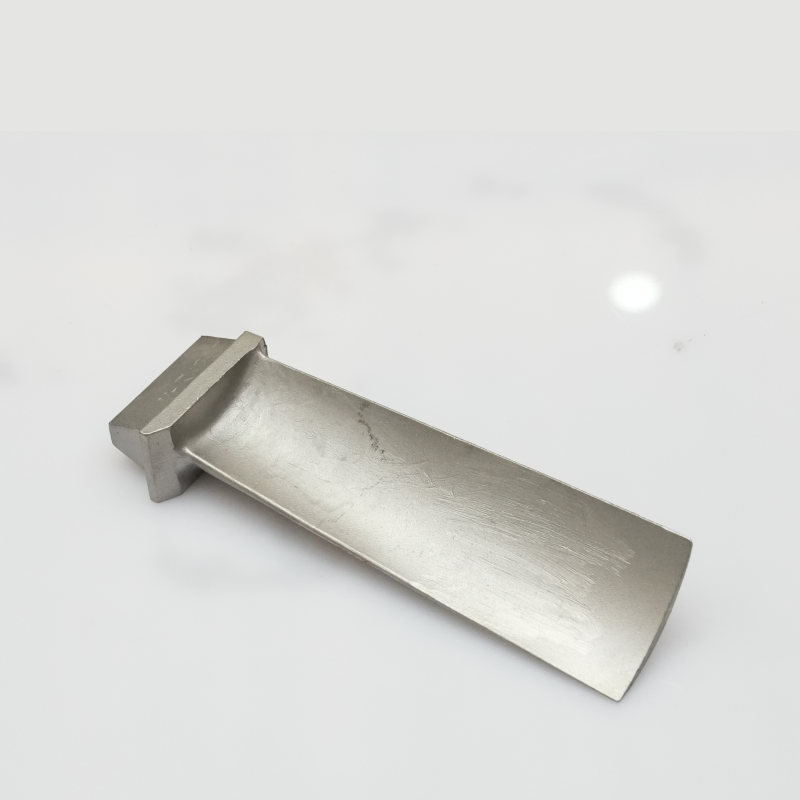
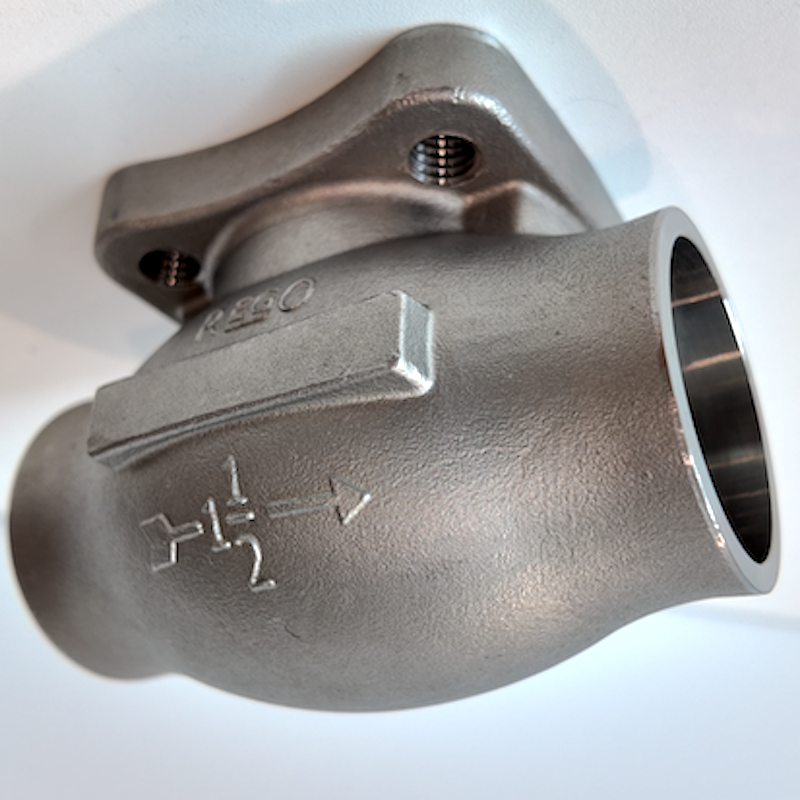
A stainless steel investment casting foundry represents a specialized manufacturing facility dedicated to producing precision metal components through an advanced casting process. This type of foundry focuses on creating intricate parts from various grades of stainless steel alloys, utilizing the investment casting method also known as lost-wax casting. The main function of a stainless steel investment casting foundry involves transforming molten stainless steel into complex shapes with exceptional dimensional accuracy and superior surface finishes. These facilities serve multiple industries including aerospace, medical devices, automotive, food processing equipment, marine applications, and industrial machinery. The technological features that distinguish a stainless steel investment casting foundry include computer-aided design integration, precision wax pattern creation, ceramic shell molding systems, controlled melting furnaces, and advanced quality inspection equipment. The process begins with creating detailed wax patterns that replicate the final product, followed by coating these patterns with multiple layers of ceramic material to form a rigid shell. Once the shell hardens, the wax melts away, leaving a precise cavity for pouring molten stainless steel. The foundry employs sophisticated temperature control systems to ensure proper metal flow and solidification, resulting in parts with tight tolerances often within 0.005 inches. Applications for components produced in a stainless steel investment casting foundry span across critical industries where corrosion resistance, strength, and precision matter most. Medical surgical instruments, turbine blades, valve bodies, pump components, food processing machinery parts, and architectural hardware all benefit from this manufacturing method. The foundry capabilities extend to producing parts ranging from a few grams to over 100 pounds, accommodating both prototype development and high-volume production runs. Modern stainless steel investment casting foundries integrate digital technologies including 3D scanning, simulation software, and automated inspection systems to enhance accuracy and reduce production time while maintaining consistent quality standards throughout every manufacturing stage.

New Products

Choosing a stainless steel investment casting foundry offers numerous practical benefits that directly impact your bottom line and product performance. First, this manufacturing method delivers exceptional design freedom, allowing you to create complex geometries that would be impossible or prohibitively expensive using traditional machining methods. You can incorporate intricate internal passages, undercuts, thin walls, and detailed surface textures directly into the cast part, eliminating multiple assembly steps and reducing overall production costs. The near-net-shape capability means parts emerge from the mold very close to final dimensions, minimizing material waste and reducing secondary machining operations by up to 80 percent compared to conventional manufacturing. This translates to faster turnaround times and lower per-unit costs, especially for medium to high-volume production runs. Another significant advantage involves material efficiency and performance characteristics. The stainless steel investment casting foundry process produces parts with uniform grain structure and excellent mechanical properties, including superior tensile strength and fatigue resistance. You receive components that maintain consistent quality across entire production batches, with corrosion resistance that extends product lifespan in harsh environments. The smooth as-cast surface finish often eliminates the need for additional polishing or grinding, saving both time and money while achieving aesthetic appeal. Cost effectiveness becomes particularly evident when producing complex parts in quantities ranging from 50 to 50,000 pieces annually. While initial tooling investment exists, the per-piece cost decreases substantially as volume increases, making this method highly economical compared to machining from solid bar stock. You also benefit from reduced assembly requirements since multiple features can be cast as a single integrated component, lowering labor costs and improving structural integrity by eliminating potential weak points at joints. The flexibility of working with various stainless steel grades including 304, 316, 17-4 PH, and specialty alloys means you can select the optimal material for your specific application requirements. Production lead times typically range from 4 to 8 weeks depending on complexity, offering reasonable timelines for both prototype development and full-scale manufacturing. Quality assurance throughout the casting process ensures dimensional accuracy, with modern foundries providing comprehensive inspection reports including chemical analysis, mechanical testing, and dimensional verification. Environmental benefits also deserve consideration, as the investment casting process generates minimal waste, with excess material fully recyclable. This sustainable approach aligns with corporate responsibility goals while maintaining manufacturing efficiency and product excellence.

Latest News

Basic Principles Of Design Of Precision Casting Gating System

11

May

Basic Principles Of Design Of Precision Casting Gating System

View More
The Role Of Elements In Castings And The Order Of Addition

11

May

The Role Of Elements In Castings And The Order Of Addition

View More
Stainless Steel Castings for Architectural Posts

11

May

Stainless Steel Castings for Architectural Posts

View More
Precision Stainless Steel Exhaust Manifold Casting Solution For Luxury Sedan - With Japanese First-Tier Car Brand

11

May

Precision Stainless Steel Exhaust Manifold Casting Solution For Luxury Sedan - With Japanese First-Tier Car Brand

View More

Get a Free Quote

Our representative will contact you soon.
Email
Name
Company Name
Message
0/1000

stainless steel investment casting foundry

Unmatched Precision and Complex Geometry Capabilities

Unmatched Precision and Complex Geometry Capabilities

The stainless steel investment casting foundry stands out primarily for its extraordinary ability to produce components with intricate designs and exceptional dimensional precision that other manufacturing methods simply cannot match. This advantage stems from the unique characteristics of the investment casting process itself, which captures every minute detail from the original pattern with remarkable fidelity. When you work with a specialized stainless steel investment casting foundry, you gain access to manufacturing capabilities that allow wall thickness variations as thin as 0.040 inches while maintaining structural integrity across complex three-dimensional forms. The process accommodates sharp corners, fine details, company logos, part numbers, and decorative elements cast directly into the component surface without requiring additional operations. Engineers and designers appreciate the freedom to optimize part functionality without compromise, incorporating features like internal cooling channels, complex flow paths, and weight-reducing pockets that would require prohibitively expensive multi-axis machining or would be entirely impossible using other methods. The ceramic shell molding system employed by the stainless steel investment casting foundry creates exceptionally smooth surface finishes, typically achieving 125 RMS or better directly from the casting process. This surface quality reduces friction in moving parts, improves aesthetic appeal for visible components, and simplifies cleaning for sanitary applications in food processing and medical devices. Dimensional tolerances consistently achievable through investment casting range from plus or minus 0.005 inches for small features, with even tighter tolerances possible through secondary operations when absolutely necessary. However, the near-net-shape accuracy often eliminates machining entirely for many features, preserving material properties and reducing manufacturing time. The foundry can cast multiple components as a single integrated assembly, eliminating fasteners, welds, or brazing operations that introduce potential failure points and increase production costs. This design consolidation capability proves particularly valuable in applications requiring high reliability such as aerospace components, medical implants, and critical industrial equipment. Quality control measures integrated throughout the manufacturing process ensure every casting meets exact specifications, with coordinate measuring machines, optical comparators, and advanced scanning technologies verifying dimensional accuracy before parts leave the facility.
Superior Material Properties and Corrosion Resistance

Superior Material Properties and Corrosion Resistance

A distinguishing characteristic of components produced in a stainless steel investment casting foundry involves the exceptional material properties and long-term durability that result from the controlled solidification process. Unlike fabricated assemblies or machined components that may have stress concentrations, welds, or interrupted grain structures, investment cast stainless steel parts exhibit uniform metallurgical properties throughout the entire component. This uniformity translates directly into superior mechanical performance including consistent tensile strength, excellent fatigue resistance, and predictable behavior under cyclic loading conditions. The casting process allows the molten metal to fill the mold cavity completely, eliminating porosity and internal voids that could compromise structural integrity or create failure initiation sites. Modern stainless steel investment casting foundries employ vacuum melting and controlled atmosphere pouring techniques that further enhance material quality by minimizing gas entrapment and oxide inclusions. The resulting components demonstrate mechanical properties that often match or exceed wrought material specifications, making cast parts suitable for demanding structural applications. Corrosion resistance represents another critical advantage, particularly important for components exposed to moisture, chemicals, saltwater, or extreme temperatures. The stainless steel investment casting foundry can work with a comprehensive range of alloy grades, each formulated for specific environmental conditions and performance requirements. Austenitic stainless steels like 304 and 316 provide excellent general corrosion resistance for food processing equipment, architectural applications, and marine hardware. Precipitation hardening grades such as 17-4 PH combine corrosion resistance with high strength, ideal for aerospace components and high-performance industrial equipment. Duplex stainless steels offer enhanced stress corrosion cracking resistance for oil and gas applications. The homogeneous structure of investment cast components ensures consistent corrosion resistance across all surfaces, including internal passages and complex geometries where protective coatings cannot reach effectively. This inherent protection extends service life, reduces maintenance requirements, and lowers total cost of ownership for end users. Heat treatment capabilities available at advanced foundries allow further optimization of mechanical properties, enabling hardness levels, tensile strength, and toughness to be tailored precisely to application requirements while maintaining the corrosion resistance that makes stainless steel the material of choice for demanding environments.
Economic Efficiency and Rapid Production Scalability

Economic Efficiency and Rapid Production Scalability

The economic advantages offered by a stainless steel investment casting foundry extend far beyond simple per-piece pricing, encompassing total lifecycle costs, time-to-market considerations, and production flexibility that delivers substantial value to customers across diverse industries. Initial tooling investment for investment casting typically costs less than permanent mold casting or die casting tooling, with pattern equipment often produced using modern rapid prototyping technologies that reduce development time from weeks to days. Once tooling is complete, the stainless steel investment casting foundry can produce parts with remarkable consistency, maintaining tight tolerances across thousands of pieces without tool wear issues that plague machining operations. This consistency eliminates sorting, rework, and scrap associated with process variation, ensuring every component meets specifications and reducing quality control overhead. Material utilization efficiency reaches impressive levels, with the near-net-shape casting requiring minimal excess material compared to machining operations that convert expensive stainless steel bar stock into chips. The foundry recycles all gates, runners, and rejected castings, creating a closed-loop material system that minimizes waste and controls costs. Production scalability represents a significant strategic advantage, as the same tooling accommodates prototype quantities, pilot production runs, and full-scale manufacturing without retooling or process changes. A stainless steel investment casting foundry can adjust production volume based on demand fluctuations, ramping up quickly for market opportunities or scaling back during slower periods without the fixed overhead associated with dedicated machining equipment. Lead time advantages become apparent when comparing total production cycles, as complex machined parts requiring multiple setups, fixtures, and operations can take weeks to manufacture, while the foundry produces equivalent cast components in days once initial tooling is complete. The ability to cast multiple parts simultaneously in a single pour further amplifies productivity, with production rates reaching hundreds or thousands of pieces per day depending on component size. Labor costs decrease substantially since the casting process requires less hands-on time than extensive machining operations, and skilled casting technicians can oversee multiple production stations simultaneously. For companies managing global supply chains, working with a domestic stainless steel investment casting foundry reduces shipping costs, minimizes inventory carrying costs through just-in-time delivery, and eliminates risks associated with long lead times and international logistics disruptions. The combination of design flexibility, material efficiency, production speed, and quality consistency creates compelling economic value that improves profitability while delivering superior products to end customers.

Get a Free Quote

Our representative will contact you soon.
Email
Name
Company Name
Message
0/1000