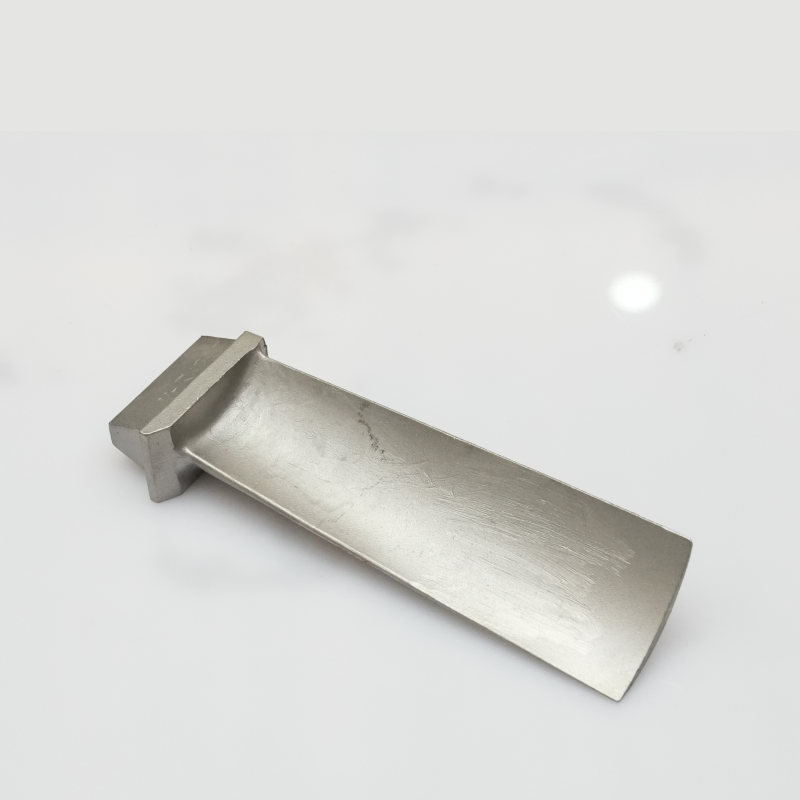
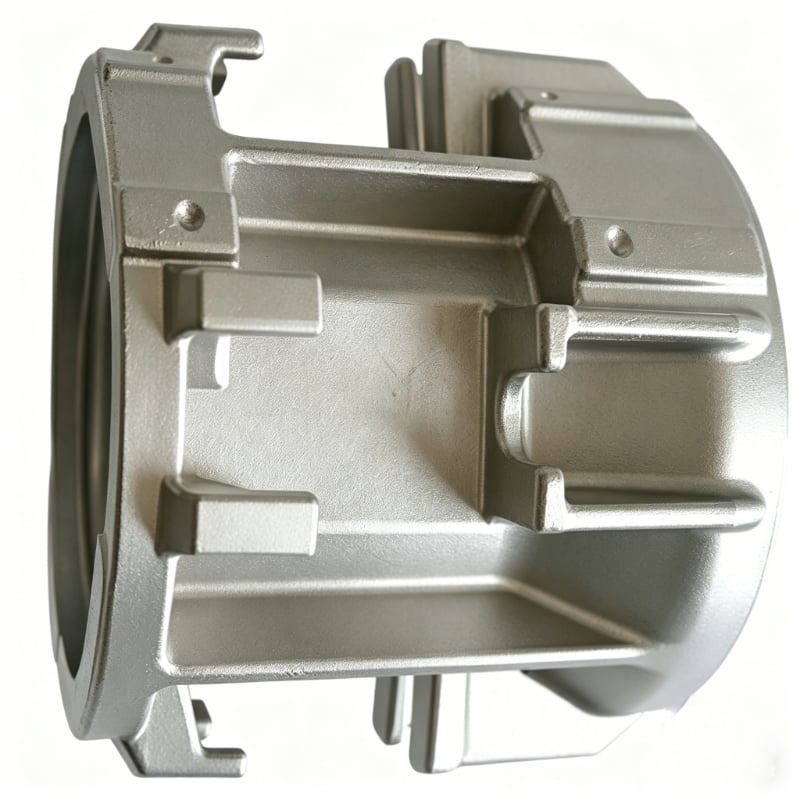
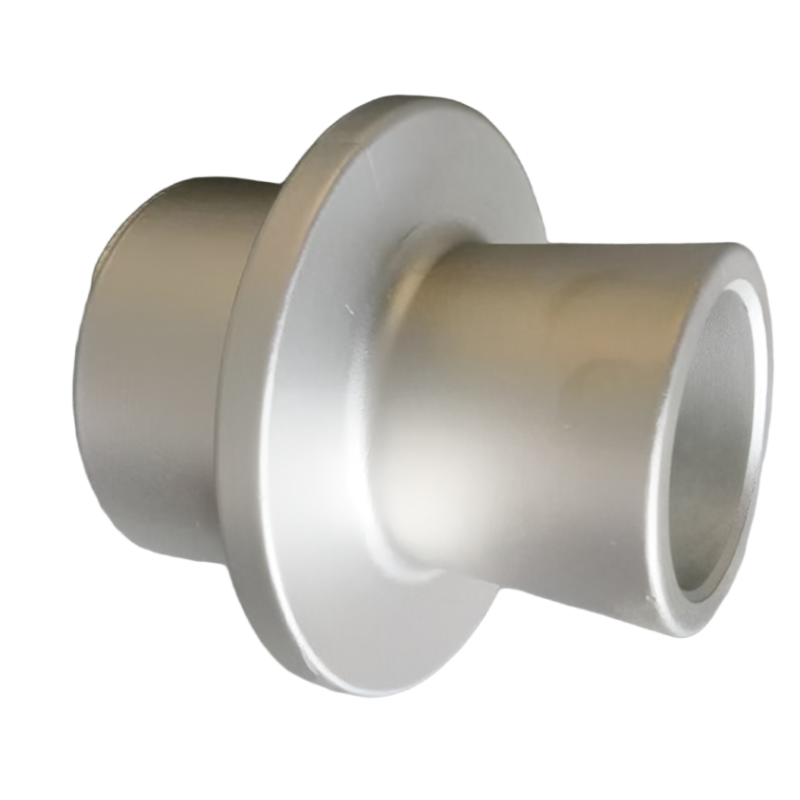
Premium Industrial Machinery Components - Engineered for Performance and Reliability

Get a Free Quote

Our representative will contact you soon.
Email
Name
Mobile
Company Name
Message
0/1000

industrial machinery components

Industrial machinery components serve as the fundamental building blocks that power manufacturing operations across countless sectors worldwide. These essential parts encompass a diverse range of mechanical, electrical, and hydraulic elements that work together to ensure smooth production processes. From precision bearings and gears to sophisticated control systems and power transmission assemblies, industrial machinery components form the backbone of modern manufacturing infrastructure. The primary functions of these components include converting energy into mechanical motion, controlling operational parameters, maintaining structural integrity under stress, and facilitating seamless communication between different machine systems. Technological features embedded within contemporary industrial machinery components reflect decades of engineering advancement, incorporating materials science breakthroughs, computer-aided design precision, and automated manufacturing techniques that guarantee consistent quality and performance. Advanced surface treatments, heat-resistant alloys, and corrosion-resistant coatings extend component lifespan while reducing maintenance requirements. Applications for industrial machinery components span virtually every manufacturing domain, including automotive assembly lines, food processing facilities, pharmaceutical production plants, textile manufacturing operations, packaging systems, mining equipment, construction machinery, and aerospace manufacturing. These components adapt to extreme operating conditions, from high-temperature forging environments to cleanroom pharmaceutical settings, demonstrating remarkable versatility. Modern industrial machinery components integrate smart sensor technology, enabling predictive maintenance capabilities that monitor performance metrics in real-time, alerting operators to potential issues before catastrophic failures occur. This integration represents a significant leap forward in operational efficiency and cost management. The evolution of industrial machinery components continues to accelerate, driven by demands for increased productivity, energy efficiency, and environmental sustainability, making them indispensable elements in the ongoing industrial revolution that shapes global manufacturing competitiveness and innovation.

New Products

Choosing high-quality industrial machinery components delivers substantial benefits that directly impact your bottom line and operational success. First and foremost, reliability stands as the cornerstone advantage, ensuring your production lines maintain consistent output without unexpected interruptions that cost time and money. When you invest in superior industrial machinery components, you gain peace of mind knowing that each part has undergone rigorous testing to withstand demanding operational conditions. Durability translates into extended service life, meaning fewer replacement cycles and reduced procurement costs over the equipment lifecycle. Your maintenance teams spend less time performing emergency repairs and more time on planned preventive activities that keep everything running smoothly. Energy efficiency represents another compelling benefit, as modern industrial machinery components utilize advanced engineering to minimize power consumption while maximizing output. This efficiency reduces your utility expenses month after month, contributing to improved profitability and environmental responsibility. Precision manufacturing techniques ensure that components fit perfectly within your existing systems, eliminating compatibility issues and reducing installation time. Your operators appreciate the improved safety features built into contemporary industrial machinery components, which include fail-safe mechanisms, protective shields, and emergency shutdown capabilities that protect personnel from workplace accidents. Flexibility in application means these components adapt to various manufacturing environments, allowing you to standardize parts across multiple production lines and simplify inventory management. Cost-effectiveness emerges from the combination of longevity, efficiency, and reduced downtime, delivering superior return on investment compared to cheaper alternatives that require frequent replacement. Technical support from reputable suppliers ensures you receive expert guidance during selection, installation, and troubleshooting, minimizing learning curves and optimizing performance. Scalability becomes achievable as your business grows, with industrial machinery components designed to accommodate capacity expansions without requiring complete system overhauls. Quality certifications and compliance with international standards guarantee that components meet strict regulatory requirements, protecting your business from legal liabilities and quality control issues. Improved product quality results from the consistent performance of reliable industrial machinery components, reducing defect rates and enhancing customer satisfaction. The availability of replacement parts through established distribution networks means you avoid lengthy production stoppages waiting for critical components to arrive. Innovation continues to drive improvements in industrial machinery components, giving you access to cutting-edge technology that keeps your operations competitive in rapidly evolving markets.

Practical Tips

What Makes a Custom Lost Wax Casting Foundry Reliable for Precision Industrial Applications?

05

Jun

What Makes a Custom Lost Wax Casting Foundry Reliable for Precision Industrial Applications?

In precision industrial manufacturing, the reliability of a custom investment casting foundry is not a minor operational detail — it is a fundamental requirement that determines part integrity, production timelines, and ultimately, the safety o...
View More
Why Do Manufacturers Prefer a Silica Sol Investment Casting Supplier for Complex Metal Parts?

05

Jun

Why Do Manufacturers Prefer a Silica Sol Investment Casting Supplier for Complex Metal Parts?

When precision, surface quality, and dimensional accuracy are non-negotiable, manufacturers consistently turn to a trusted silica sol investment casting supplier. This decision is rarely arbitrary. It is driven by a deep understanding of what silica ...
View More
Which Quality Standards Should a Custom Lost Wax Casting Foundry Meet for Export Markets?

05

Jun

Which Quality Standards Should a Custom Lost Wax Casting Foundry Meet for Export Markets?

Selecting a manufacturing partner for precision components intended for international buyers is never a straightforward decision. When the supply chain depends on a custom lost wax casting foundry, procurement engineers and quality managers must go b...
View More
What Factors Affect Surface Finish Quality in Medium Temperature Wax Casting Processes?

05

Jun

What Factors Affect Surface Finish Quality in Medium Temperature Wax Casting Processes?

Surface finish quality is one of the most critical performance indicators in precision investment casting, and it is directly shaped by the variables embedded in the medium temperature wax casting process. Unlike standard casting methods, medium temp...
View More

Get a Free Quote

Our representative will contact you soon.
Email
Name
Mobile
Company Name
Message
0/1000

industrial machinery components

Advanced Precision Engineering for Optimal Performance

Advanced Precision Engineering for Optimal Performance

The precision engineering behind modern industrial machinery components represents a quantum leap in manufacturing capability and operational excellence. Every component undergoes meticulous design processes utilizing computer-aided engineering software that simulates real-world operating conditions before physical production begins. This virtual testing identifies potential weaknesses, optimizes material distribution, and ensures dimensional accuracy that meets tolerances measured in microns. Manufacturing facilities employ state-of-the-art CNC machining centers, coordinate measuring machines, and laser scanning equipment to verify that each industrial machinery component conforms exactly to specifications. The benefits of this precision extend throughout your entire operation, starting with seamless integration into existing equipment that eliminates time-consuming adjustments and modifications during installation. Tight tolerances ensure proper load distribution across mating surfaces, preventing premature wear and extending component lifespan significantly beyond industry averages. Vibration reduction occurs naturally when components fit together perfectly, creating smooth operation that protects surrounding equipment from destructive resonance frequencies. Your energy costs decrease because precision-engineered industrial machinery components eliminate friction losses caused by misalignment and poor surface finishes. Maintenance intervals lengthen as wear patterns become predictable and uniform, allowing you to schedule service activities during planned downtime rather than responding to unexpected failures. Quality control procedures embedded throughout the manufacturing process include multiple inspection points, material certifications, and performance testing that validate component integrity before shipment. This commitment to precision engineering translates into measurable productivity gains as your machines operate at design specifications consistently, producing more output per shift with fewer quality defects. The investment in advanced precision engineering pays dividends through reduced total cost of ownership, combining lower acquisition costs with minimal maintenance expenses and maximum uptime. Industrial machinery components manufactured to exacting standards become strategic assets that contribute to competitive advantages in your marketplace, enabling you to meet tight delivery schedules and maintain reputation for reliability that attracts and retains customers.
Enhanced Durability Through Superior Materials and Treatments

Enhanced Durability Through Superior Materials and Treatments

Durability defines the value proposition of premium industrial machinery components, achieved through careful material selection and advanced surface treatment technologies that resist degradation in harsh operating environments. Metallurgical expertise guides the choice of base materials, matching alloy compositions to specific application requirements such as load-bearing capacity, impact resistance, thermal stability, and chemical compatibility. High-strength steel alloys provide exceptional toughness for components subjected to repetitive stress cycles, while specialized bronzes and composites offer superior wear resistance in sliding contact applications. Heat treatment processes transform raw materials into optimized microstructures that balance hardness with ductility, preventing brittle failures while maintaining dimensional stability under load. Surface engineering technologies apply protective coatings that extend component life dramatically, including hard chrome plating for abrasion resistance, thermal spray ceramics for high-temperature applications, and electroless nickel for corrosion protection in aggressive chemical environments. These treatments create barriers that shield base materials from environmental attack while reducing friction coefficients that improve efficiency. The practical benefits of enhanced durability become evident in reduced replacement frequency, with components lasting two to three times longer than conventional alternatives. Your procurement teams order fewer spare parts, freeing working capital for other business priorities while simplifying inventory management and reducing warehouse space requirements. Maintenance personnel appreciate the reduced workload as durable industrial machinery components require less frequent service interventions, allowing skilled technicians to focus on value-adding activities rather than routine replacements. Unexpected breakdowns decrease substantially when components resist fatigue, corrosion, and wear, improving production schedule reliability and customer satisfaction. Environmental benefits emerge from durability as well, since longer-lasting components generate less waste and consume fewer raw materials over equipment lifecycles. The economic case for investing in durable industrial machinery components becomes compelling when calculating total ownership costs, factoring in acquisition price, maintenance expenses, downtime costs, and replacement frequency. Superior materials and treatments represent engineering solutions that address real operational challenges, delivering tangible improvements in reliability, safety, and profitability that justify premium pricing through measurable performance advantages.
Smart Integration Capabilities for Modern Manufacturing Systems

Smart Integration Capabilities for Modern Manufacturing Systems

Contemporary industrial machinery components incorporate intelligent features that enable seamless integration with digital manufacturing ecosystems, transforming traditional mechanical parts into connected assets that generate valuable operational data. Embedded sensors monitor critical parameters including temperature, vibration, load, speed, and operating hours, transmitting information wirelessly to centralized monitoring systems that track performance trends and identify anomalies requiring attention. This connectivity revolutionizes maintenance strategies by enabling condition-based servicing that replaces arbitrary time intervals with data-driven decisions based on actual component health. Predictive analytics algorithms process sensor data to forecast remaining useful life, scheduling maintenance activities during planned production breaks rather than responding to catastrophic failures that halt operations unexpectedly. Integration capabilities extend to compatibility with industry-standard communication protocols, allowing industrial machinery components to exchange information across diverse equipment brands and legacy systems without expensive custom interfaces. Your operations benefit from unified visibility into equipment status, regardless of manufacturer or installation date, creating comprehensive dashboards that support informed decision-making. Energy monitoring features track power consumption at the component level, identifying inefficiencies and optimization opportunities that reduce utility costs while supporting sustainability initiatives. Quality assurance improves through automated data logging that documents operating conditions during production runs, providing traceability for regulatory compliance and root cause analysis when defects occur. Remote diagnostic capabilities allow technical experts to troubleshoot issues without traveling to your facility, reducing response times and minimizing disruption to production schedules. Software updates delivered over network connections enhance functionality and security without requiring component replacement, protecting your investment as technology evolves. The strategic advantage of smart integration becomes evident in improved overall equipment effectiveness metrics, capturing gains in availability, performance, and quality that compound into significant competitive differentiation. Industrial machinery components with intelligent capabilities transform passive mechanical elements into active contributors to continuous improvement programs, generating insights that drive operational excellence and innovation throughout your organization.

Get a Free Quote

Our representative will contact you soon.
Email
Name
Mobile
Company Name
Message
0/1000