componenti per macchinari industriali
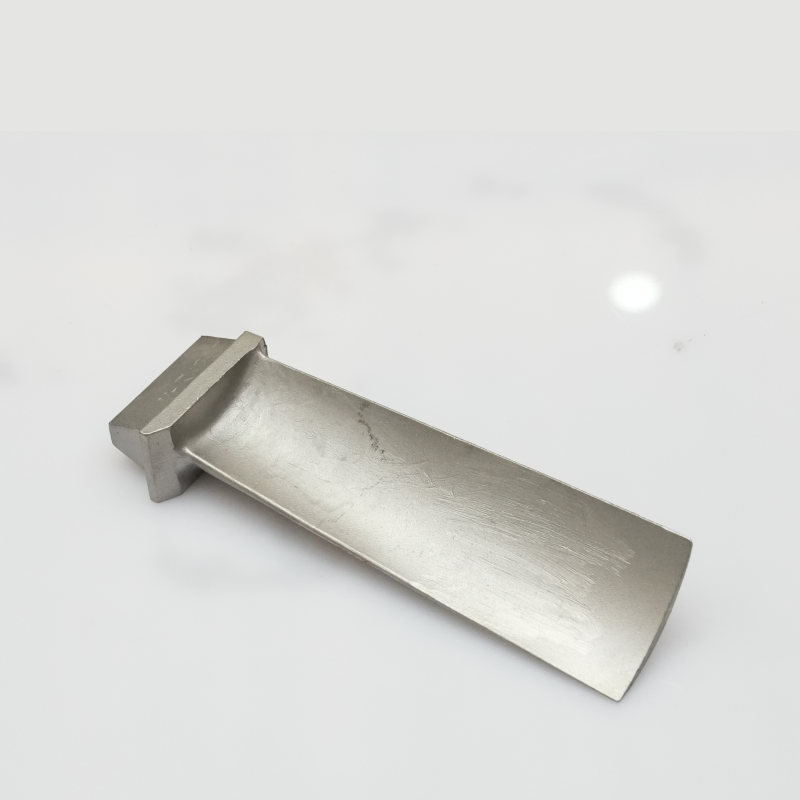
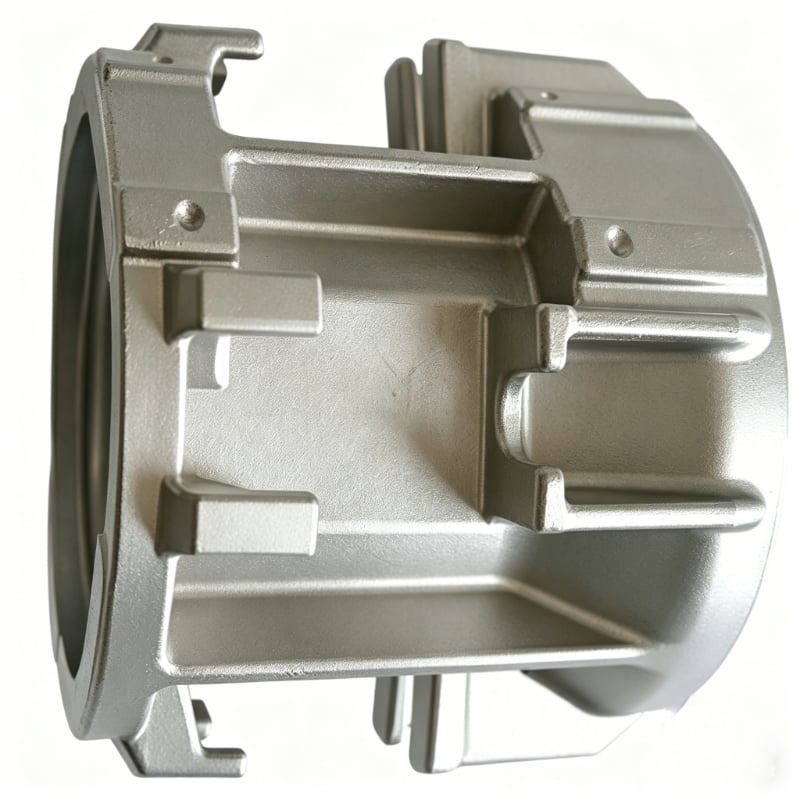
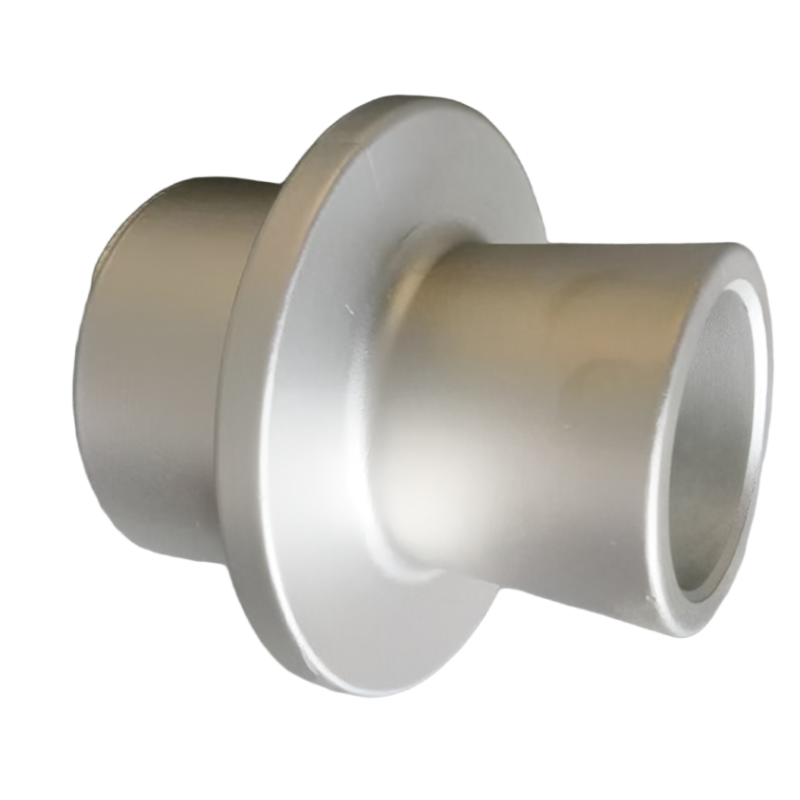
I componenti delle macchine industriali costituiscono i blocchi fondamentali che alimentano le operazioni manifatturiere in numerosissimi settori in tutto il mondo. Queste parti essenziali comprendono una vasta gamma di elementi meccanici, elettrici e idraulici che operano in sinergia per garantire processi produttivi fluidi. Dai cuscinetti di precisione e dagli ingranaggi ai sofisticati sistemi di controllo e agli insiemi di trasmissione di potenza, i componenti delle macchine industriali rappresentano la spina dorsale dell’infrastruttura manifatturiera moderna. Le funzioni principali di tali componenti includono la conversione dell’energia in moto meccanico, il controllo dei parametri operativi, il mantenimento dell’integrità strutturale sotto sollecitazione e la facilitazione di una comunicazione senza interruzioni tra diversi sistemi macchina. Le caratteristiche tecnologiche integrate nei componenti delle macchine industriali contemporanei riflettono decenni di progressi ingegneristici, incorporando innovazioni nella scienza dei materiali, la precisione della progettazione assistita da computer (CAD) e tecniche di produzione automatizzata che garantiscono qualità e prestazioni costanti. Trattamenti superficiali avanzati, leghe resistenti al calore e rivestimenti anticorrosivi prolungano la durata dei componenti riducendone i requisiti di manutenzione. Le applicazioni dei componenti delle macchine industriali coprono virtualmente tutti i settori manifatturieri, inclusi gli impianti di assemblaggio automobilistico, gli stabilimenti per la lavorazione degli alimenti, gli impianti farmaceutici, le operazioni tessili, i sistemi di imballaggio, le attrezzature minerarie, le macchine per l’edilizia e la produzione aerospaziale. Tali componenti si adattano a condizioni operative estreme, dagli ambienti di forgiatura ad alta temperatura alle sale bianche destinate alla produzione farmaceutica, dimostrando una notevole versatilità. I componenti moderni delle macchine industriali integrano tecnologie di sensori intelligenti, abilitando capacità di manutenzione predittiva che monitorano in tempo reale le metriche di prestazione, avvisando gli operatori di potenziali problemi prima che si verifichino guasti catastrofici. Questa integrazione rappresenta un significativo passo avanti nell’efficienza operativa e nella gestione dei costi. L’evoluzione dei componenti delle macchine industriali continua ad accelerare, guidata dalle esigenze di maggiore produttività, efficienza energetica e sostenibilità ambientale, rendendoli elementi indispensabili nella continua rivoluzione industriale che definisce la competitività e l’innovazione manifatturiere globali.

 EN
EN