Industrial Machinery Components - Precision Engineered Parts for Manufacturing Excellence

Get a Free Quote

Our representative will contact you soon.
Email
Name
Company Name
Message
0/1000

industrial machinery components

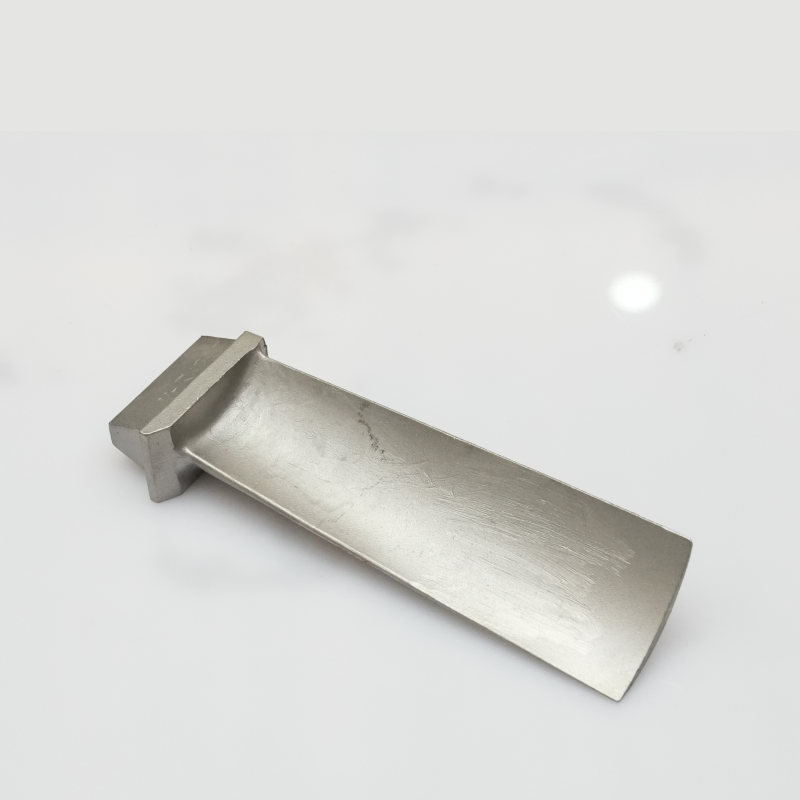
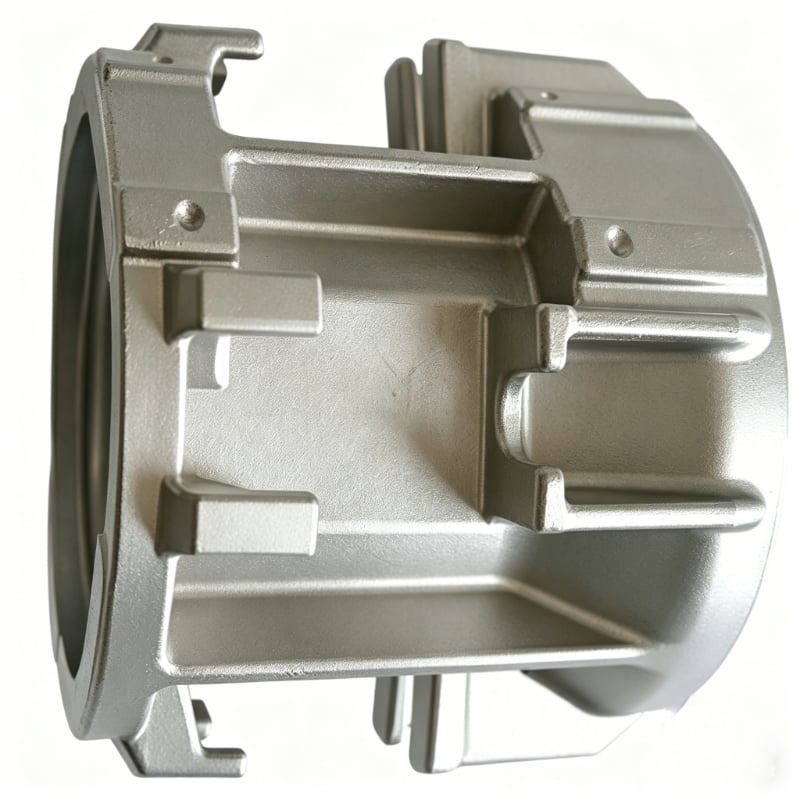
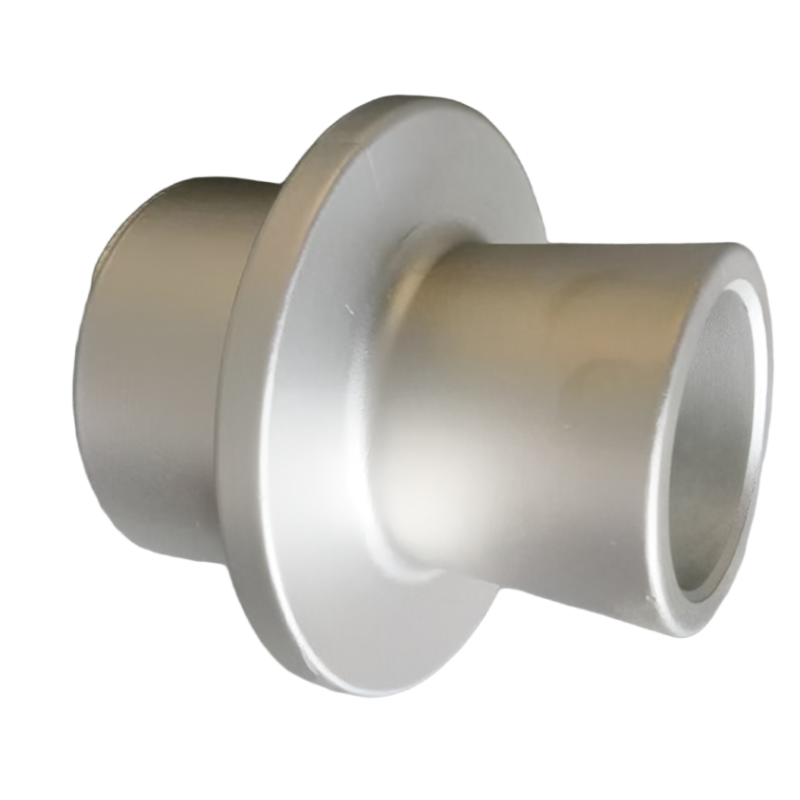
Industrial machinery components represent the essential building blocks that power manufacturing operations across diverse sectors worldwide. These precision-engineered parts form the backbone of production systems, enabling businesses to maintain consistent output while meeting demanding quality standards. Industrial machinery components encompass a vast array of elements including bearings, gears, shafts, couplings, belts, chains, seals, valves, motors, and hydraulic systems that work together to create functional manufacturing equipment. The main functions of industrial machinery components center around transmitting power, controlling motion, maintaining alignment, reducing friction, and ensuring operational reliability throughout extended production cycles. Each component serves a specific purpose within the larger mechanical system, contributing to seamless coordination between different machine parts. Technological features of modern industrial machinery components include advanced materials engineering, precision manufacturing tolerances, enhanced durability treatments, and compatibility with automated monitoring systems. Many components now incorporate smart sensor technology that provides real-time performance data, enabling predictive maintenance strategies that minimize unexpected downtime. The applications of industrial machinery components span virtually every manufacturing sector, from automotive assembly lines and food processing facilities to pharmaceutical production and heavy construction equipment. These components prove essential in packaging machinery, conveyor systems, robotics, material handling equipment, and CNC machining centers. The versatility of industrial machinery components allows engineers to configure customized solutions that address specific operational requirements while maintaining standardization benefits. Quality industrial machinery components deliver measurable improvements in production efficiency, energy consumption, and maintenance costs. They enable manufacturers to achieve higher throughput rates while maintaining strict tolerances and quality control standards. The selection of appropriate industrial machinery components directly impacts equipment longevity, safety compliance, and overall profitability. As manufacturing technologies continue evolving toward greater automation and precision, the role of reliable industrial machinery components becomes increasingly critical for maintaining competitive advantage in global markets.

New Products

Choosing high-quality industrial machinery components delivers tangible benefits that directly impact your bottom line and operational efficiency. First and foremost, these components significantly extend equipment lifespan by reducing wear and tear through superior materials and precise engineering. When you invest in reliable industrial machinery components, you minimize the frequency of replacements and repairs, which translates into substantial cost savings over time. Your maintenance teams spend less time troubleshooting and more time on productive tasks, improving overall workforce efficiency. Another major advantage comes from enhanced performance consistency. Premium industrial machinery components maintain their specifications throughout their service life, ensuring your production output remains stable and predictable. This reliability means fewer quality defects, less material waste, and greater customer satisfaction with your finished products. Your production schedules become more dependable when machinery operates without unexpected interruptions. Energy efficiency represents another compelling benefit of modern industrial machinery components. Advanced designs reduce friction, optimize power transmission, and minimize heat generation, which directly lowers your utility expenses. Over months and years of continuous operation, these energy savings accumulate into significant financial benefits while also reducing your environmental footprint. Safety improvements constitute a critical advantage that protects both workers and your business. Quality industrial machinery components undergo rigorous testing to ensure they perform reliably under stress, reducing the risk of catastrophic failures that could injure personnel or damage expensive equipment. This enhanced safety profile helps you maintain compliance with regulatory requirements while fostering a culture of workplace safety. The compatibility of standardized industrial machinery components simplifies inventory management and procurement processes. You can source replacements quickly from multiple suppliers, avoiding lengthy production stoppages while waiting for custom parts. This interchangeability also provides flexibility when upgrading or modifying existing equipment to meet changing production demands. Installation and integration become straightforward when working with properly specified industrial machinery components. Clear documentation, standardized mounting dimensions, and proven connection methods reduce installation time and eliminate guesswork during assembly. Your engineering teams can design systems with confidence, knowing that components will function as expected when properly implemented. Finally, modern industrial machinery components often include diagnostic capabilities that provide early warning of potential problems. This proactive approach to maintenance allows you to schedule repairs during planned downtime rather than responding to emergency failures that disrupt production schedules and increase costs.

Latest News

Basic Principles Of Design Of Precision Casting Gating System

11

May

Basic Principles Of Design Of Precision Casting Gating System

View More
The Role Of Elements In Castings And The Order Of Addition

11

May

The Role Of Elements In Castings And The Order Of Addition

View More
Stainless Steel Castings for Architectural Posts

11

May

Stainless Steel Castings for Architectural Posts

View More
Precision Stainless Steel Exhaust Manifold Casting Solution For Luxury Sedan - With Japanese First-Tier Car Brand

11

May

Precision Stainless Steel Exhaust Manifold Casting Solution For Luxury Sedan - With Japanese First-Tier Car Brand

View More

Get a Free Quote

Our representative will contact you soon.
Email
Name
Company Name
Message
0/1000

industrial machinery components

Precision Engineering for Unmatched Reliability

Precision Engineering for Unmatched Reliability

The foundation of superior industrial machinery components lies in precision engineering that delivers unmatched reliability across demanding operational environments. Manufacturing these components involves advanced processes including computer-controlled machining, laser cutting, and multi-axis grinding that achieve tolerances measured in microns. This exceptional precision ensures that industrial machinery components fit together perfectly, eliminating gaps and misalignments that cause premature wear and performance degradation. The engineering process begins with careful material selection, choosing alloys and composites that offer optimal strength-to-weight ratios while resisting corrosion, heat, and chemical exposure. Metallurgical treatments such as case hardening, nitriding, and heat treatment enhance surface properties without compromising core flexibility, creating industrial machinery components that withstand millions of operational cycles. Finite element analysis and computational fluid dynamics simulations validate designs before production begins, identifying potential stress concentrations and optimizing geometry for maximum performance. Quality control procedures verify dimensional accuracy at multiple production stages, with coordinate measuring machines and optical comparators confirming that finished industrial machinery components meet exact specifications. This commitment to precision extends beyond individual parts to encompass how components interact within complete assemblies. Bearing surfaces receive specialized finishing processes that create micro-textures promoting effective lubrication film formation, dramatically reducing friction and heat generation. Gear teeth profiles follow mathematically optimized curves that distribute loads evenly and minimize noise during operation. Seal designs incorporate multiple sealing lips and advanced elastomer compounds that maintain effectiveness across wide temperature ranges and exposure to various industrial fluids. The reliability advantages of precision-engineered industrial machinery components become evident during extended production runs where consistent performance proves essential. Equipment maintains its original specifications throughout its service life, delivering predictable output without gradual performance degradation. This consistency enables manufacturers to maintain tight quality control over finished products while meeting demanding production schedules. When components do eventually require replacement, the precision of modern manufacturing ensures that new parts match original specifications exactly, restoring equipment to like-new condition without requiring adjustments or modifications to surrounding systems.
Advanced Materials for Extended Service Life

Advanced Materials for Extended Service Life

Modern industrial machinery components benefit from revolutionary advances in materials science that dramatically extend service life while improving performance under challenging conditions. The evolution from traditional materials to advanced alloys, engineered polymers, and composite structures has transformed what industrial machinery components can achieve in terms of durability and reliability. Steel alloys now incorporate carefully balanced proportions of chromium, molybdenum, vanadium, and other elements that enhance specific properties such as impact resistance, fatigue strength, and corrosion immunity. These sophisticated metallurgical formulations allow industrial machinery components to operate in environments that would quickly destroy conventional materials, from high-temperature furnace systems to corrosive chemical processing equipment. Ceramic materials find increasing application in industrial machinery components where extreme hardness and temperature resistance prove essential. Silicon nitride and zirconia ceramics offer exceptional wear resistance for bearing elements and cutting tools, maintaining sharp edges and smooth surfaces far longer than metal alternatives. Advanced polymer compounds provide lightweight alternatives to metal industrial machinery components in applications where chemical resistance and electrical insulation properties outweigh the need for maximum strength. Engineering plastics such as PEEK and UHMW polyethylene deliver impressive mechanical properties while resisting degradation from oils, solvents, and aggressive chemicals. Composite materials combine different substances to create industrial machinery components with properties unattainable from single materials. Carbon fiber reinforced polymers offer aerospace-grade strength at fractions of metal weight, enabling high-speed rotating components that minimize energy consumption while maximizing performance. The surface treatments applied to industrial machinery components represent another dimension of materials advancement. Physical vapor deposition creates ultra-hard coatings only microns thick that protect underlying substrates from abrasion and chemical attack. These coatings extend component life by factors of three to five compared to untreated equivalents, reducing replacement frequency and associated maintenance costs. Self-lubricating materials incorporate solid lubricants such as graphite or molybdenum disulfide directly into component structures, eliminating the need for external lubrication systems in certain applications. This capability proves particularly valuable for industrial machinery components operating in food processing or pharmaceutical production where contamination from petroleum-based lubricants cannot be tolerated. The practical benefits of advanced materials manifest in reduced downtime, lower maintenance expenses, and improved process consistency that directly enhance profitability and competitive positioning.
Smart Integration with Modern Manufacturing Systems

Smart Integration with Modern Manufacturing Systems

Contemporary industrial machinery components increasingly incorporate smart technologies that enable seamless integration with modern manufacturing systems and Industry 4.0 initiatives. This digital transformation represents a fundamental shift in how industrial machinery components function within production environments, evolving from purely mechanical elements into intelligent devices that communicate operational data and participate in networked control systems. Embedded sensors within industrial machinery components continuously monitor critical parameters including temperature, vibration, speed, load, and positional accuracy. These measurements provide real-time visibility into equipment condition, enabling maintenance teams to identify developing problems before they cause failures. Accelerometers detect abnormal vibration patterns that indicate bearing wear or misalignment, while temperature sensors identify excessive friction from inadequate lubrication or overloading. The data streams from sensor-equipped industrial machinery components feed directly into predictive maintenance algorithms that analyze trends and predict remaining useful life with remarkable accuracy. This capability transforms maintenance from reactive emergency response into proactive scheduled interventions that minimize production disruptions. Instead of running equipment until failure or replacing components on arbitrary schedules, manufacturers can perform maintenance precisely when needed, optimizing both equipment availability and maintenance costs. Wireless communication protocols allow industrial machinery components to transmit data without requiring complex wiring installations that increase installation costs and create potential failure points. Bluetooth, Wi-Fi, and industrial IoT networks carry operational information from rotating shafts, moving carriages, and other challenging monitoring locations to central control systems. This connectivity enables remote monitoring and diagnostics, allowing specialists to evaluate equipment condition without physical access to machinery. Integration with enterprise resource planning and manufacturing execution systems creates closed-loop control where industrial machinery components participate in automated decision-making processes. Production rates automatically adjust based on equipment condition, maintenance activities schedule themselves when sensors detect degradation, and inventory systems trigger parts ordering before components reach end of life. The diagnostic capabilities built into modern industrial machinery components dramatically reduce troubleshooting time when problems do occur. Built-in test functions and comprehensive status reporting pinpoint issues quickly, eliminating the time-consuming process of systematically checking possible failure modes. Technicians arrive at equipment with accurate information about the specific component requiring attention and can complete repairs efficiently with appropriate parts and tools prepared in advance. This intelligence embedded within industrial machinery components represents the convergence of mechanical engineering and information technology, creating manufacturing systems that operate with unprecedented efficiency and reliability.

Get a Free Quote

Our representative will contact you soon.
Email
Name
Company Name
Message
0/1000