Silica Sol Investment Casting Factory - Precision Metal Casting Solutions for Complex Components

Get a Free Quote

Our representative will contact you soon.
Email
Name
Company Name
Message
0/1000

silica sol investment casting factory

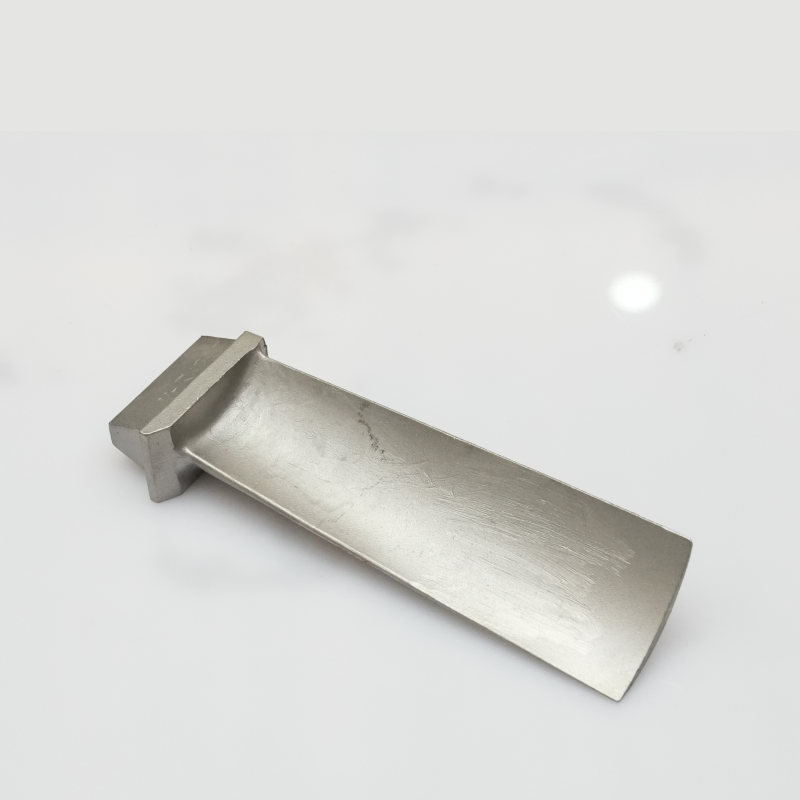
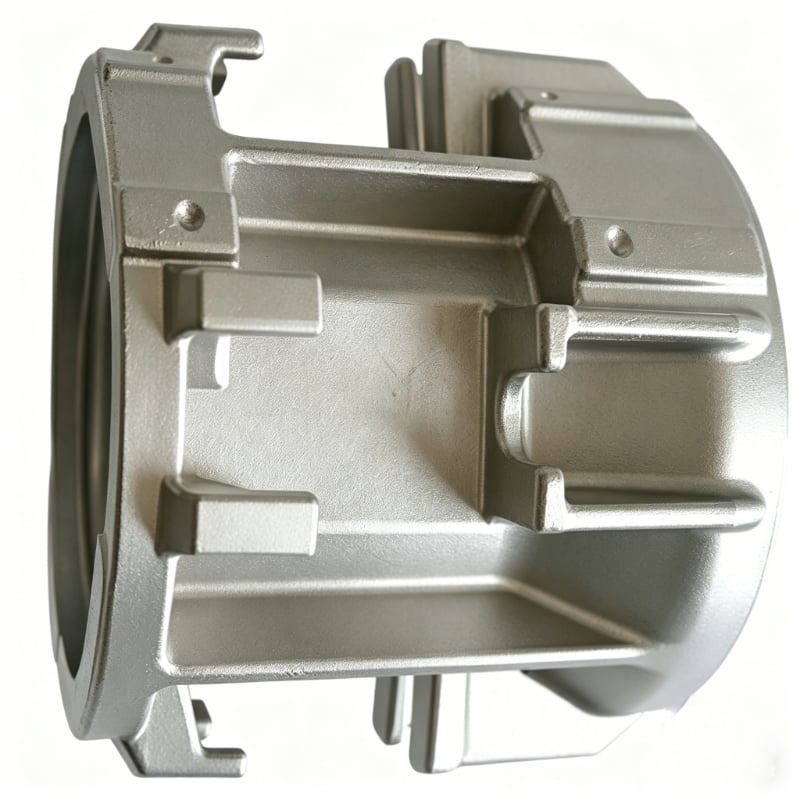
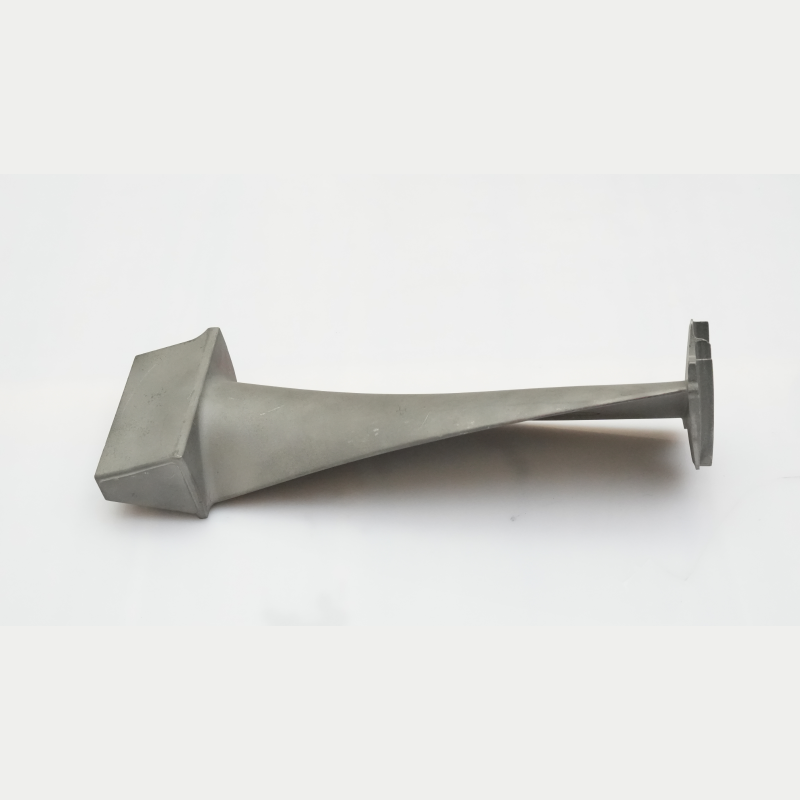
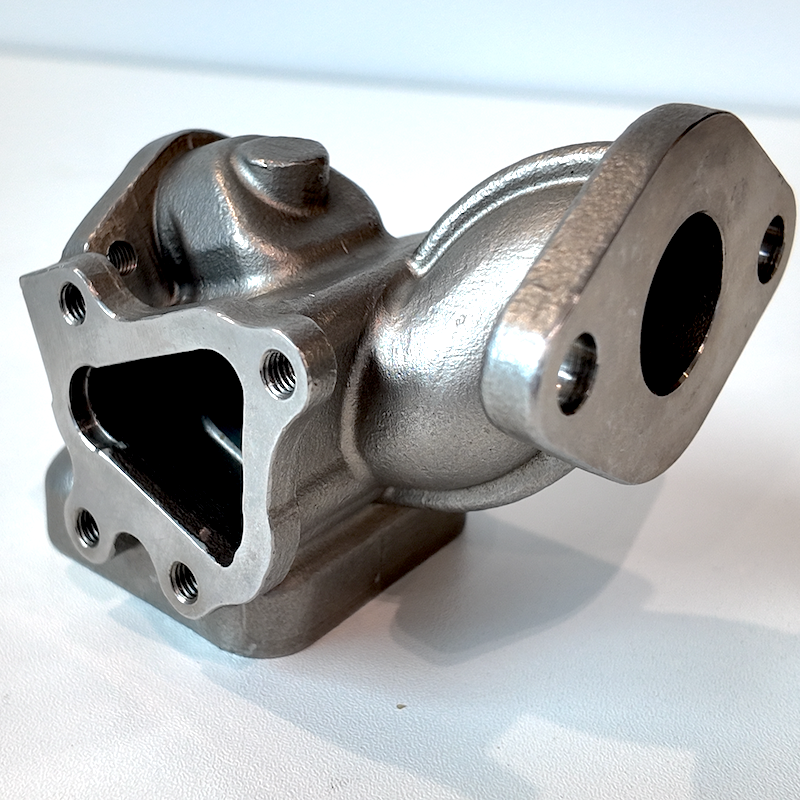
A silica sol investment casting factory represents a sophisticated manufacturing facility that specializes in producing high-precision metal components through an advanced lost-wax casting process. This type of foundry utilizes silica sol, a colloidal solution of silicon dioxide, as the primary binder material in creating ceramic shell molds. The silica sol investment casting factory operates through a meticulous multi-stage process that begins with creating wax patterns, followed by coating these patterns with layers of fine ceramic slurry made from silica sol and refractory materials. The main functions of such a factory encompass the complete production cycle from initial design consultation and pattern making to final casting, finishing, and quality inspection. These facilities are equipped with temperature-controlled wax injection rooms, automated dipping systems for shell building, high-temperature dewaxing autoclaves, and sophisticated melting furnaces capable of handling various alloy types including stainless steel, carbon steel, aluminum alloys, and specialty metals. The technological features that distinguish a silica sol investment casting factory include computerized process control systems, advanced metallurgical testing equipment, and precision machining capabilities that ensure dimensional accuracy within tight tolerances. The applications of products manufactured in a silica sol investment casting factory span numerous industries including aerospace, automotive, medical devices, industrial machinery, marine equipment, and energy generation. Components produced range from intricate turbine blades and pump impellers to surgical instruments and automotive transmission parts. The factory's capability to produce complex geometries with excellent surface finish and minimal machining requirements makes it an essential manufacturing solution for customers requiring components with intricate internal passages, thin walls, and detailed surface features that would be difficult or impossible to achieve through conventional manufacturing methods.

Popular Products

The silica sol investment casting factory offers numerous practical benefits that directly impact your bottom line and product quality. First and foremost, you gain access to exceptional dimensional accuracy, with typical tolerances reaching plus or minus 0.005 inches, which means your components fit perfectly the first time without costly rework or adjustments. This precision translates into reduced assembly time and eliminates the need for extensive secondary machining operations, saving you both time and money. The superior surface finish achieved through this process, typically ranging from 125 to 250 microinches, means your parts often require no additional finishing work, allowing you to bring products to market faster. You benefit from remarkable design freedom because the process accommodates complex shapes, intricate details, and internal features that traditional manufacturing simply cannot produce. This flexibility allows your engineering team to optimize designs for performance rather than compromising based on manufacturing limitations. The material versatility offered by a silica sol investment casting factory means you can choose from virtually any castable alloy, ensuring your components have exactly the mechanical properties, corrosion resistance, and temperature tolerance your application demands. Cost efficiency becomes apparent when producing medium to high volume runs, as tooling costs are distributed across multiple parts, and the minimal material waste keeps raw material expenses low. You receive components with excellent mechanical properties because the fine grain structure and metallurgical integrity rival those of wrought materials, giving you confidence in part performance and longevity. The process eliminates or significantly reduces welding and assembly operations by enabling the production of complex parts as single castings, which improves structural integrity and reduces labor costs. Quality consistency is maintained across production runs because the controlled manufacturing environment and established process parameters ensure every piece meets your specifications. Lead times are competitive, with typical production cycles ranging from four to eight weeks depending on complexity, allowing you to plan inventory and meet customer commitments reliably. Environmental considerations also favor this method, as material utilization rates exceed ninety percent, reducing waste disposal costs and supporting your sustainability initiatives. Finally, the technical support provided by experienced foundry engineers helps you optimize designs for manufacturability, potentially identifying cost-saving modifications before production begins.

Latest News

Basic Principles Of Design Of Precision Casting Gating System

11

May

Basic Principles Of Design Of Precision Casting Gating System

View More
Selection And Application Scope Of Hardness Tester

11

May

Selection And Application Scope Of Hardness Tester

View More
Stainless Steel Castings for Architectural Posts

11

May

Stainless Steel Castings for Architectural Posts

View More
Precision Stainless Steel Exhaust Manifold Casting Solution For Luxury Sedan - With Japanese First-Tier Car Brand

11

May

Precision Stainless Steel Exhaust Manifold Casting Solution For Luxury Sedan - With Japanese First-Tier Car Brand

View More

Get a Free Quote

Our representative will contact you soon.
Email
Name
Company Name
Message
0/1000

silica sol investment casting factory

Unmatched Surface Quality and Dimensional Precision

Unmatched Surface Quality and Dimensional Precision

The silica sol investment casting factory delivers surface quality and dimensional precision that sets it apart from other casting methods and many machining processes. This advantage stems from the unique properties of silica sol as a binder material in the ceramic shell building process. Unlike traditional investment casting that uses ethyl silicate binders, silica sol creates an extremely fine ceramic shell with minimal surface roughness, resulting in cast parts with surface finishes typically between 125 and 250 microinches Ra. This exceptional smoothness means your components often emerge from the casting process ready for use or requiring only minimal finishing operations, dramatically reducing post-casting processing time and costs. The dimensional accuracy achieved through this process consistently maintains tolerances of plus or minus 0.005 inches on most features, with even tighter tolerances possible on critical dimensions through controlled process parameters. This level of precision directly impacts your manufacturing efficiency by reducing or eliminating expensive secondary machining operations that consume time, labor, and material. For industries like aerospace and medical devices where component fit and finish are critical, this precision ensures assemblies work correctly without time-consuming adjustments. The silica sol investment casting factory achieves this remarkable quality through carefully controlled process steps including precise wax pattern creation using temperature-regulated injection molds, systematic application of ceramic slurry layers with specific viscosity and particle size distribution, and controlled drying between coats that builds shell thickness gradually. The resulting ceramic shells possess uniform density and strength, minimizing defects and ensuring consistent reproduction of pattern details. During the metal pouring stage, the fine ceramic structure allows smooth metal flow and reduces surface turbulence, further enhancing finish quality. This capability proves particularly valuable when casting complex geometries with intricate surface details, thin sections, or internal passages where traditional methods struggle. Customers benefit not only from reduced finishing costs but also from improved part performance, as smooth surfaces reduce stress concentrations, minimize friction in moving components, and enhance aesthetic appeal for visible parts. The predictable dimensional stability across production runs allows you to maintain tight assembly tolerances and interchangeability, critical factors in modern manufacturing environments where components must integrate seamlessly into larger systems.
Exceptional Design Flexibility and Complex Geometry Capabilities

Exceptional Design Flexibility and Complex Geometry Capabilities

A silica sol investment casting factory provides design flexibility that empowers engineers to create components optimized for performance rather than constrained by manufacturing limitations. This capability represents a fundamental advantage over conventional manufacturing processes that impose significant design restrictions. The investment casting process using silica sol excels at producing components with complex three-dimensional shapes, undercuts, internal cavities, varying wall thicknesses, and intricate surface details that would require multiple operations, expensive tooling, or prove entirely impossible with machining, forging, or conventional casting methods. Engineers can design parts with internal cooling passages for turbine components, complex fluid flow paths for pump housings, lightweight structures with thin walls and reinforcing ribs, and consolidated assemblies that eliminate multiple parts and joining operations. This design freedom translates into significant benefits including weight reduction through optimized material placement, performance enhancement by enabling ideal geometries for fluid dynamics or structural loading, cost savings by consolidating multiple machined parts into single castings, and improved reliability by eliminating weld joints and fasteners that represent potential failure points. The silica sol investment casting factory accommodates an impressive size range from tiny components weighing mere grams for medical instruments to substantial industrial parts exceeding one hundred pounds, all while maintaining the same high quality standards. Wall thickness capability extends from sections as thin as 0.040 inches to heavy sections several inches thick within the same casting, providing design versatility unmatched by other processes. The process also enables the incorporation of inserts, threaded features, logos, part numbers, and other details directly into castings, further reducing secondary operations. Pattern materials, typically specialized waxes, can be formulated for excellent dimensional stability and low ash content, ensuring faithful reproduction of even the finest design details. Multiple parts can be gated together in cluster configurations, optimizing production efficiency for smaller components. The ability to cast virtually any engineering alloy means designers can select materials based purely on performance requirements rather than manufacturing constraints. Rapid prototyping integration allows the silica sol investment casting factory to produce functional prototype castings quickly using printed wax patterns or direct shell printing, enabling design validation before committing to production tooling. This comprehensive design flexibility positions the silica sol investment casting factory as an ideal partner for innovative product development across industries where performance, weight, complexity, and reliability are paramount considerations.
Superior Material Properties and Metallurgical Integrity

Superior Material Properties and Metallurgical Integrity

The silica sol investment casting factory produces components with material properties and metallurgical integrity that rival or exceed those of wrought materials, representing a critical advantage for applications demanding reliable performance under challenging conditions. This metallurgical excellence results from the combination of carefully controlled melting practices, optimized pouring temperatures, and the fine-grained structure that develops during solidification within the ceramic mold environment. Unlike sand casting or other coarse-mold processes where rapid heat extraction and rough mold surfaces can create defects, the ceramic shells used in silica sol investment casting provide controlled cooling rates and clean mold surfaces that promote sound, defect-free castings with uniform microstructures. The process accommodates an extensive range of engineering alloys including various grades of stainless steel for corrosion resistance, tool steels for wear applications, aluminum and magnesium alloys for lightweight components, copper alloys for thermal and electrical conductivity, titanium alloys for high strength-to-weight ratios, and nickel-based superalloys for extreme temperature service. Each material can be processed using optimized melting techniques such as vacuum induction melting for reactive alloys or air melting for standard grades, ensuring proper chemistry control and minimal contamination. The resulting castings exhibit mechanical properties including tensile strength, yield strength, elongation, and impact resistance that meet or exceed specifications for their respective alloy grades. Heat treatment capabilities available at advanced silica sol investment casting factories enable further property optimization through solution annealing, age hardening, stress relieving, or other thermal cycles specific to each alloy system. Non-destructive testing methods including radiographic inspection, fluorescent penetrant inspection, and ultrasonic testing verify internal soundness and surface integrity, providing documentation that castings meet stringent quality requirements for critical applications. The fine grain structure characteristic of investment castings contributes to superior fatigue resistance, making components suitable for cyclic loading conditions in engines, pumps, and mechanical systems. Pressure tightness is reliably achieved, enabling the production of valve bodies, manifolds, and housings for hydraulic and pneumatic systems where internal leakage is unacceptable. The silica sol investment casting factory also excels at producing components requiring specific surface conditions such as passivated stainless steel for medical applications or precision surfaces for sealing interfaces. Chemical composition control within tight ranges ensures consistent material behavior and reliable performance across production lots. This metallurgical integrity combined with the geometric accuracy and surface quality discussed previously makes components from a silica sol investment casting factory suitable for the most demanding applications where failure is not an option, including aircraft engines, surgical implants, and safety-critical industrial equipment.

Get a Free Quote

Our representative will contact you soon.
Email
Name
Company Name
Message
0/1000