Lost Wax Casting Factory - Precision Investment Casting Services for Complex Metal Components

Get a Free Quote

Our representative will contact you soon.
Email
Name
Company Name
Message
0/1000

lost wax casting factory

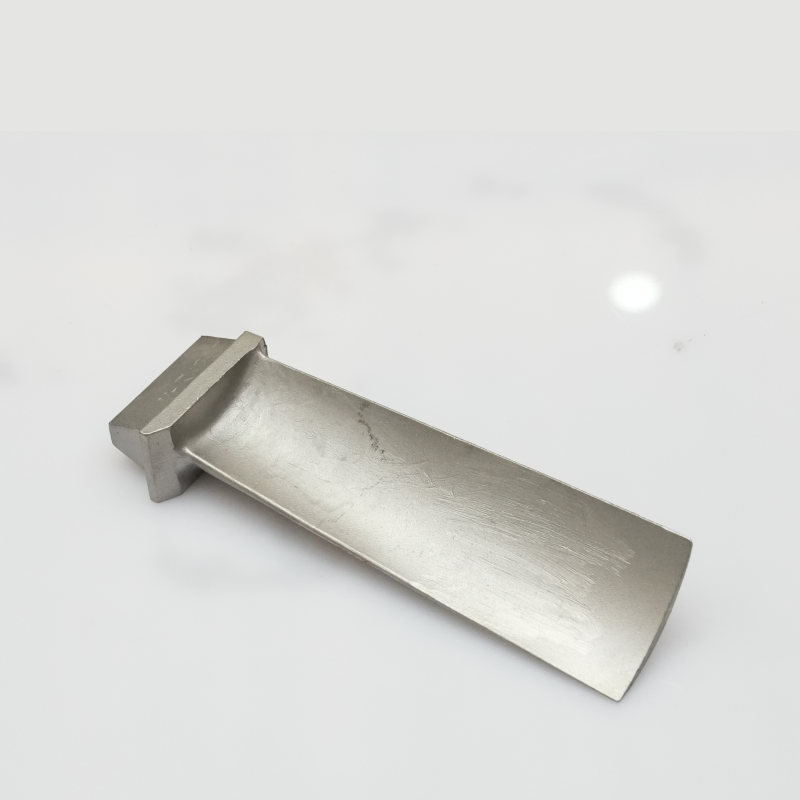
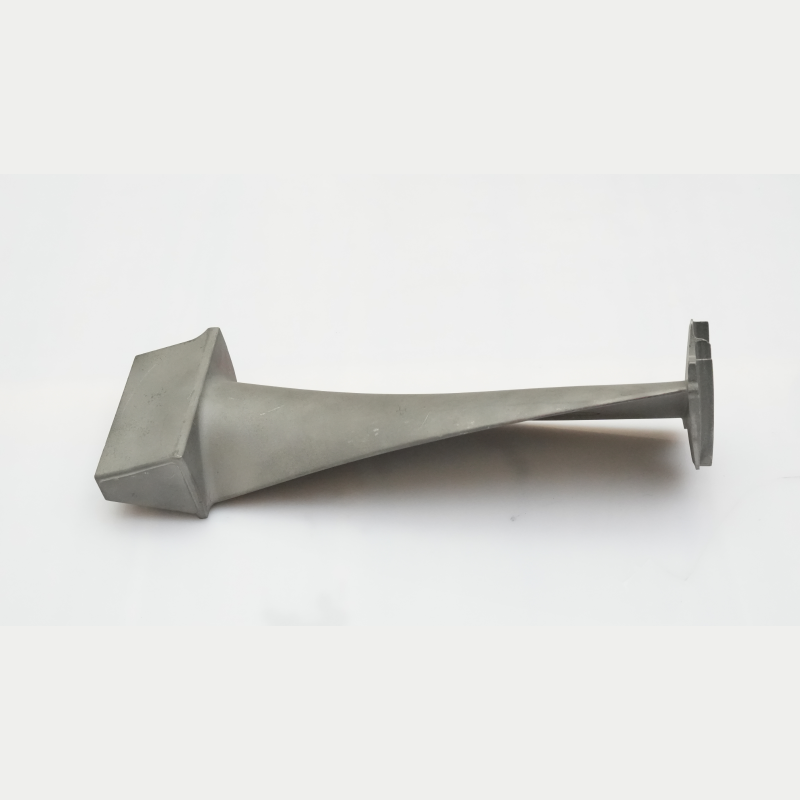
A lost wax casting factory represents a specialized manufacturing facility dedicated to producing precision metal components through the investment casting process, also known as lost wax casting. This ancient yet continuously refined technique enables manufacturers to create intricate metal parts with exceptional accuracy and surface finish. The lost wax casting factory operates as a complete production ecosystem where raw materials transform into finished components through carefully controlled stages. The main functions of a lost wax casting factory encompass pattern creation, shell building, dewaxing, metal pouring, and finishing operations. Initially, skilled technicians develop wax patterns that replicate the desired final product with remarkable detail. These patterns undergo assembly into tree-like configurations, maximizing production efficiency. The factory then applies ceramic slurry coatings in multiple layers, creating robust molds capable of withstanding extreme temperatures. Technological features distinguish modern facilities from traditional operations, incorporating automated wax injection systems, climate-controlled drying chambers, and precision melting furnaces. Advanced lost wax casting factory operations utilize computer-aided design integration, allowing seamless transition from digital concepts to physical products. Quality control laboratories within these factories employ spectrometers, X-ray inspection equipment, and dimensional measurement tools ensuring every casting meets stringent specifications. Applications for products manufactured in a lost wax casting factory span numerous industries including aerospace, automotive, medical devices, jewelry, industrial machinery, and artistic sculptures. Aerospace components demand the extreme precision these factories deliver, producing turbine blades and structural elements where failure is not an option. Medical implants require biocompatible materials cast with exacting tolerances, making the lost wax casting factory an essential healthcare manufacturing partner. The versatility of this manufacturing approach allows factories to work with various alloys including stainless steel, aluminum, bronze, titanium, and precious metals, adapting to diverse client requirements while maintaining consistent quality standards throughout production cycles.

New Product Recommendations

Choosing a lost wax casting factory for your manufacturing needs delivers numerous practical benefits that directly impact your bottom line and product quality. First and foremost, this manufacturing method produces components with exceptional dimensional accuracy, typically achieving tolerances within 0.005 inches without secondary machining. This precision translates to reduced material waste and lower overall production costs since parts emerge near their final specifications. The smooth surface finish characteristic of investment castings eliminates or minimizes grinding, polishing, and other finishing operations that consume time and resources. Your production timeline shortens significantly as the lost wax casting factory can create complex geometries in a single casting that would otherwise require multiple machined components welded or fastened together. This consolidation reduces assembly labor, eliminates potential weak points, and decreases inventory management complexity. Another significant advantage involves design flexibility. Engineers working with a lost wax casting factory can incorporate intricate features, thin walls, internal passages, and complex curves impossible or prohibitively expensive with other manufacturing methods. This freedom encourages innovation and optimal part design rather than compromising functionality to accommodate manufacturing limitations. Material efficiency stands as another compelling benefit. The casting process uses substantially less raw material compared to subtractive manufacturing techniques where significant metal gets machined away as waste. In a lost wax casting factory, excess material from gates and runners gets recycled, minimizing environmental impact while controlling costs. The ability to cast a wide range of metals and alloys provides versatility for various applications. Whether your project requires corrosion-resistant stainless steel, lightweight aluminum, or specialized alloys with specific properties, the lost wax casting factory accommodates these diverse material needs. Production scalability represents a practical advantage for businesses at different growth stages. The same lost wax casting factory can efficiently handle prototype quantities, medium production runs, and large-scale manufacturing without requiring completely different tooling or processes. This scalability protects your investment as demand fluctuates. Furthermore, the repeatability inherent in the investment casting process ensures consistency across production batches. Once the process parameters are established at the lost wax casting factory, every subsequent part maintains the same high quality, critical for applications where reliability and performance consistency matter. The relatively quick turnaround from approved design to first article inspection enables faster market entry, giving your products a competitive timing advantage while maintaining the quality standards your customers expect.

Latest News

Selection And Application Scope Of Hardness Tester

11

May

Selection And Application Scope Of Hardness Tester

View More
Stainless Steel Castings for Architectural Posts

11

May

Stainless Steel Castings for Architectural Posts

View More
Stainless Steel Castings for Building Facade Systems

11

May

Stainless Steel Castings for Building Facade Systems

View More
Precision Stainless Steel Exhaust Manifold Casting Solution For Luxury Sedan - With Japanese First-Tier Car Brand

11

May

Precision Stainless Steel Exhaust Manifold Casting Solution For Luxury Sedan - With Japanese First-Tier Car Brand

View More

Get a Free Quote

Our representative will contact you soon.
Email
Name
Company Name
Message
0/1000

lost wax casting factory

Superior Geometric Complexity and Design Freedom

Superior Geometric Complexity and Design Freedom

The lost wax casting factory provides unparalleled capability for producing components with intricate geometric features that challenge or defeat alternative manufacturing methods. This advantage stems from the unique characteristics of the investment casting process where molten wax forms the initial pattern. Unlike machining operations constrained by tool access and cutting limitations, or forging processes restricted by die parting lines, the lost wax casting factory creates parts with undercuts, internal cavities, complex contours, and delicate features in a single operation. Engineers collaborating with a lost wax casting factory can design components that optimize functionality rather than compromise performance to accommodate manufacturing constraints. Thin walls measuring just a few millimeters coexist with thicker sections in the same casting, enabling weight reduction without sacrificing structural integrity. Internal cooling passages, lattice structures, and organic shapes inspired by nature become achievable realities rather than theoretical concepts. This design freedom proves particularly valuable in aerospace applications where every gram matters and component efficiency directly impacts fuel consumption and performance. Turbine blades with intricate cooling channels, structural brackets with optimized topology, and complex housings emerge from the lost wax casting factory as single pieces, eliminating joints that could fail under stress. The medical device industry similarly benefits from this geometric flexibility, producing orthopedic implants with porous surfaces that encourage bone integration, surgical instruments with ergonomic handles, and dental components with patient-specific geometries. The lost wax casting factory accommodates these demanding requirements while maintaining the biocompatibility and sterilization compatibility essential for medical applications. Artistic and architectural applications leverage this capability differently, enabling sculptors and designers to realize visions with faithful reproduction of textures, expressions, and flowing forms. The investment casting process captures fine details from the original wax pattern, preserving the artist's intent through the manufacturing transformation. For industrial applications, the lost wax casting factory produces pump impellers with hydrodynamically optimized blade profiles, valve bodies with smooth internal flow paths minimizing turbulence, and connector housings with integrated strain relief features. This geometric sophistication translates to improved operational efficiency, extended service life, and enhanced performance across diverse applications, making the lost wax casting factory an invaluable manufacturing partner for innovation-driven organizations.
Exceptional Material Versatility and Metallurgical Control

Exceptional Material Versatility and Metallurgical Control

A distinguishing characteristic of the lost wax casting factory lies in its remarkable ability to work with an extensive range of metals and alloys while maintaining precise metallurgical control throughout the casting process. This versatility positions the investment casting method as a preferred choice when specific material properties are non-negotiable requirements. The lost wax casting factory readily processes ferrous alloys including carbon steels, stainless steels in austenitic, martensitic, and duplex grades, and specialized alloys designed for extreme environments. Non-ferrous metals such as aluminum alloys, copper-based alloys including bronze and brass, nickel-based superalloys, titanium, and even precious metals like gold and silver fall within the capabilities of a well-equipped facility. This broad material compatibility means clients can specify exactly the alloy that meets their application requirements for strength, corrosion resistance, temperature performance, magnetic properties, or electrical conductivity without compromising on design complexity. The metallurgical advantages extend beyond simple material selection. The lost wax casting factory employs controlled melting practices using induction furnaces or vacuum melting systems that minimize contamination and oxidation, producing castings with superior material properties. Vacuum casting capabilities available at advanced facilities prove essential for reactive metals like titanium where atmospheric exposure during melting would compromise material integrity. The directional solidification possible in investment casting allows the lost wax casting factory to control grain structure, creating components with enhanced mechanical properties in critical stress directions. For high-performance applications, some facilities offer single-crystal casting capabilities where turbine blades grow as one continuous crystal structure, eliminating grain boundaries that represent potential failure initiation sites. Heat treatment capabilities integrated within the lost wax casting factory enable further property optimization. Solution annealing, aging treatments, stress relieving, and specialized thermal cycles transform as-cast structures into components with tailored hardness, ductility, and strength profiles matching application demands. Material traceability represents another critical advantage. Reputable facilities maintain rigorous documentation tracking each heat of material from supplier certification through casting production, heat treatment, and final inspection. This chain of custody proves essential for aerospace, medical, and other regulated industries where material pedigree verification is mandatory. The lost wax casting factory also accommodates experimental alloys and proprietary materials, supporting research and development initiatives that push material science boundaries, making these facilities valuable partners in advancing metallurgical technology.
Cost-Effectiveness Through Minimized Secondary Operations

Cost-Effectiveness Through Minimized Secondary Operations

The economic advantages offered by a lost wax casting factory extend far beyond the initial casting cost, delivering substantial savings through reduced or eliminated secondary manufacturing operations. This financial benefit stems from the inherent characteristics of investment casting which produces components very close to their final specifications, minimizing the material removal, assembly, and finishing work required before parts reach service readiness. Traditional machining approaches start with oversized stock material, removing substantial volumes through cutting operations that consume time, generate waste, and require expensive equipment and skilled operators. In contrast, the lost wax casting factory delivers components approaching net shape, requiring only minimal machining for critical dimensions or mating surfaces. This near-net-shape capability translates directly to reduced machine time, lower tooling wear, decreased energy consumption, and minimized material waste. The superior surface finish characteristic of investment castings emerges directly from the ceramic mold, typically achieving surface roughness values between 125 and 250 microinches without additional treatment. Components requiring aesthetic appearance or functional smoothness often need no additional finishing beyond basic cleaning, eliminating grinding, polishing, or surface coating operations. When surface treatments are necessary, the excellent base condition reduces processing time and consumable usage compared to starting with rougher cast or machined surfaces. The lost wax casting factory creates components with smooth transitions, avoiding the sharp corners and stress concentrations inherent in machined parts, which can reduce the need for stress-relieving treatments or design reinforcements that add weight and cost. Consolidation of multiple components into single castings represents another significant cost advantage. Assemblies requiring several machined pieces, fasteners, welding, and assembly labor transform into unitary castings from the lost wax casting factory, eliminating piece-part costs, inventory management complexity, and assembly operations while simultaneously improving structural integrity by removing mechanical joints. The tooling investment for investment casting, while requiring initial expenditure, proves economical across moderate to high production volumes. Wax injection dies last for tens of thousands of cycles, amortizing tooling costs across substantial production quantities. For lower volumes, rapid tooling techniques and 3D-printed patterns reduce entry barriers, making the lost wax casting factory accessible even for specialty or prototype production. Quality-related costs decrease substantially when working with an experienced facility. The repeatability and consistency of the investment casting process reduces scrap rates, rework requirements, and warranty claims compared to less controlled manufacturing methods. Dimensional stability throughout production runs minimizes sorting, segregation, and the statistical process control burden. Transportation and logistics costs benefit from the weight reduction possible through optimized casting design, with thinner walls and material concentrated where structural analysis indicates necessity. Lighter components reduce shipping expenses, particularly significant for high-volume production or international distribution. The lost wax casting factory thus delivers comprehensive economic advantages that extend throughout the product lifecycle from initial production through field service.

Get a Free Quote

Our representative will contact you soon.
Email
Name
Company Name
Message
0/1000