Cost-Effectiveness Through Minimized Secondary Operations
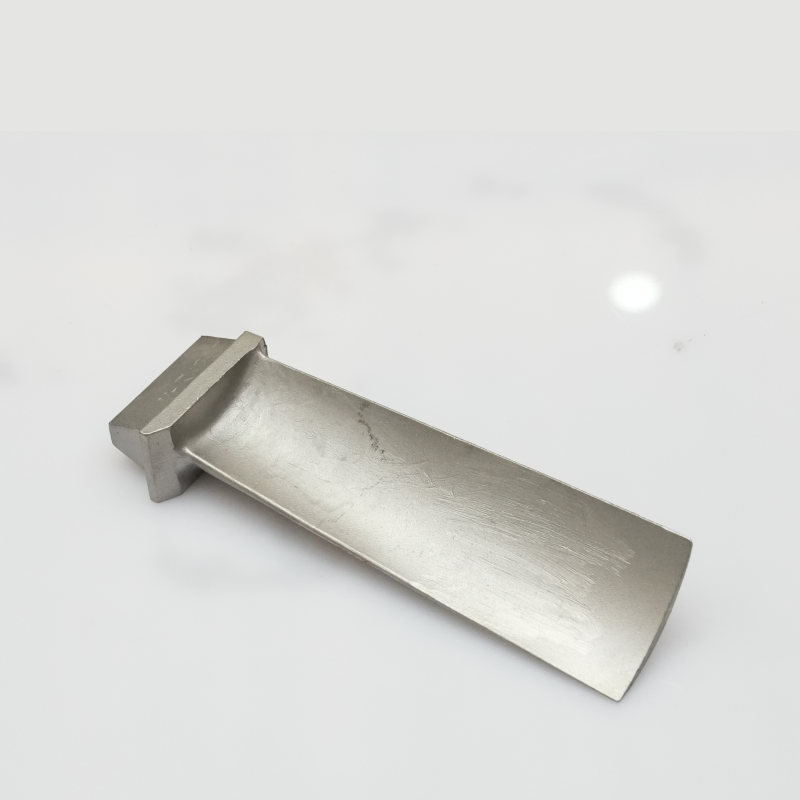
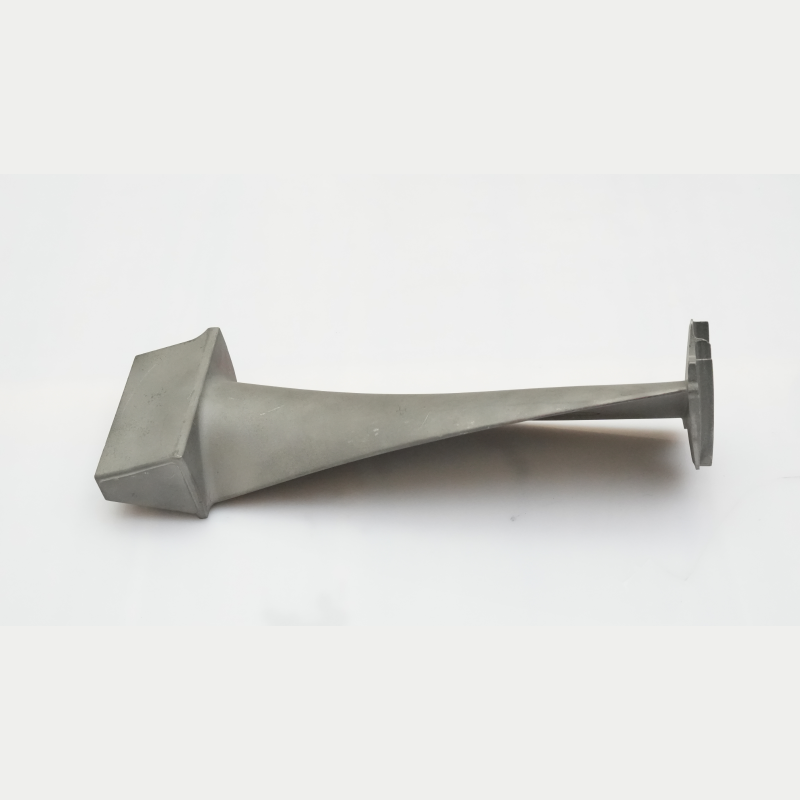
The economic advantages offered by a lost wax casting factory extend far beyond the initial casting cost, delivering substantial savings through reduced or eliminated secondary manufacturing operations. This financial benefit stems from the inherent characteristics of investment casting which produces components very close to their final specifications, minimizing the material removal, assembly, and finishing work required before parts reach service readiness. Traditional machining approaches start with oversized stock material, removing substantial volumes through cutting operations that consume time, generate waste, and require expensive equipment and skilled operators. In contrast, the lost wax casting factory delivers components approaching net shape, requiring only minimal machining for critical dimensions or mating surfaces. This near-net-shape capability translates directly to reduced machine time, lower tooling wear, decreased energy consumption, and minimized material waste. The superior surface finish characteristic of investment castings emerges directly from the ceramic mold, typically achieving surface roughness values between 125 and 250 microinches without additional treatment. Components requiring aesthetic appearance or functional smoothness often need no additional finishing beyond basic cleaning, eliminating grinding, polishing, or surface coating operations. When surface treatments are necessary, the excellent base condition reduces processing time and consumable usage compared to starting with rougher cast or machined surfaces. The lost wax casting factory creates components with smooth transitions, avoiding the sharp corners and stress concentrations inherent in machined parts, which can reduce the need for stress-relieving treatments or design reinforcements that add weight and cost. Consolidation of multiple components into single castings represents another significant cost advantage. Assemblies requiring several machined pieces, fasteners, welding, and assembly labor transform into unitary castings from the lost wax casting factory, eliminating piece-part costs, inventory management complexity, and assembly operations while simultaneously improving structural integrity by removing mechanical joints. The tooling investment for investment casting, while requiring initial expenditure, proves economical across moderate to high production volumes. Wax injection dies last for tens of thousands of cycles, amortizing tooling costs across substantial production quantities. For lower volumes, rapid tooling techniques and 3D-printed patterns reduce entry barriers, making the lost wax casting factory accessible even for specialty or prototype production. Quality-related costs decrease substantially when working with an experienced facility. The repeatability and consistency of the investment casting process reduces scrap rates, rework requirements, and warranty claims compared to less controlled manufacturing methods. Dimensional stability throughout production runs minimizes sorting, segregation, and the statistical process control burden. Transportation and logistics costs benefit from the weight reduction possible through optimized casting design, with thinner walls and material concentrated where structural analysis indicates necessity. Lighter components reduce shipping expenses, particularly significant for high-volume production or international distribution. The lost wax casting factory thus delivers comprehensive economic advantages that extend throughout the product lifecycle from initial production through field service.