Investment Cast Impellers: Precision Engineered Components for Superior Fluid Handling Performance

Get a Free Quote

Our representative will contact you soon.
Email
Name
Company Name
Message
0/1000

investment cast impellers

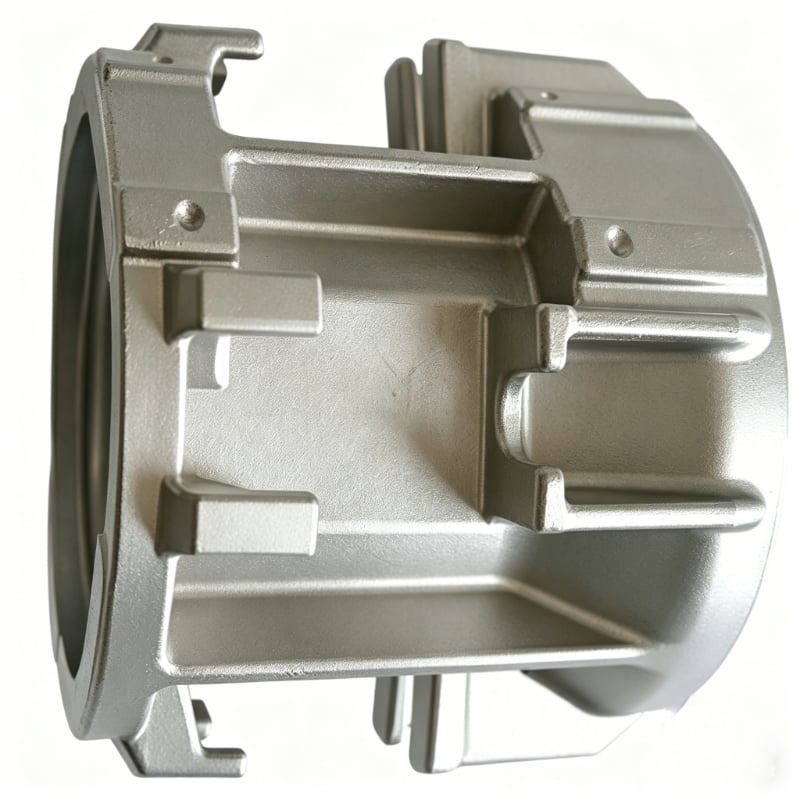
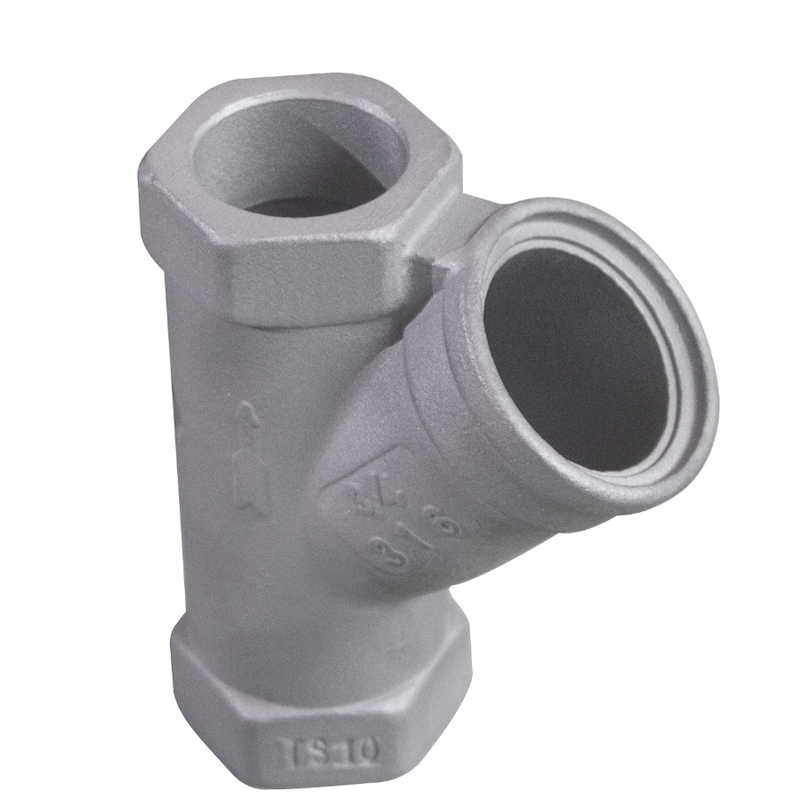
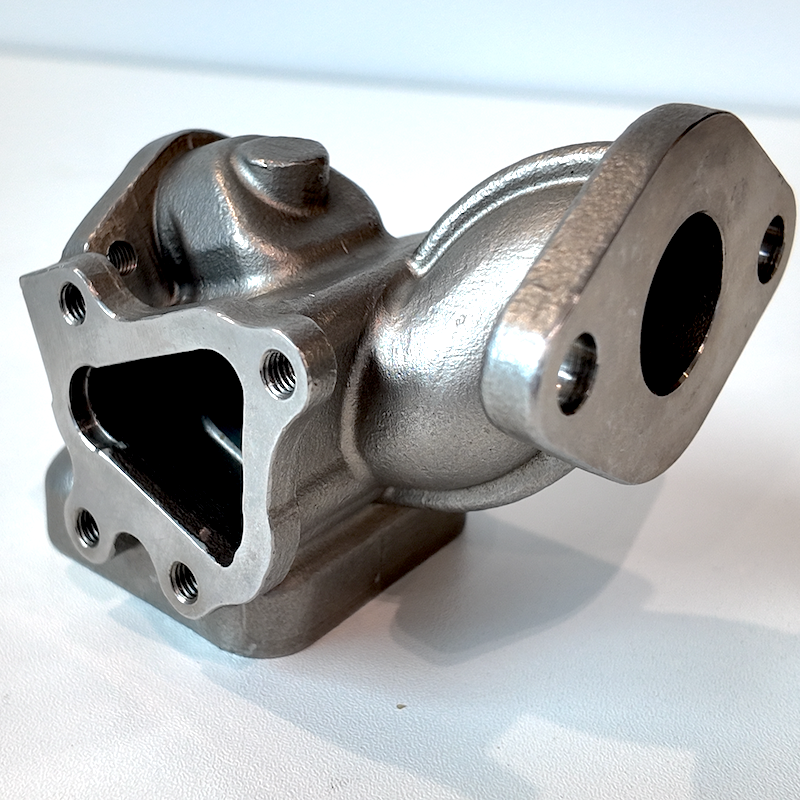
Investment cast impellers represent a pinnacle of precision engineering in fluid handling components, combining advanced manufacturing techniques with exceptional performance characteristics. These critical rotating devices are produced through the investment casting process, also known as lost-wax casting, which enables the creation of complex geometries with remarkable accuracy and surface finish quality. The primary function of investment cast impellers is to transfer energy from a motor or drive system to a fluid, creating pressure and flow within pumps, compressors, and various industrial equipment. Investment cast impellers operate by accelerating fluid radially outward from the center of rotation, converting rotational energy into kinetic energy and subsequently into pressure energy. This fundamental mechanism makes them indispensable across numerous industrial applications. The technological features that distinguish investment cast impellers include their ability to achieve intricate blade profiles, smooth internal passages, and optimized hydraulic designs that would be challenging or impossible to produce through conventional machining or fabrication methods. The investment casting process allows manufacturers to create impellers with varying blade thicknesses, complex curvatures, and integrated features that enhance performance while reducing weight. These components find extensive applications in chemical processing plants, water treatment facilities, petroleum refineries, power generation stations, marine propulsion systems, and HVAC equipment. Investment cast impellers serve in centrifugal pumps handling everything from clean water to corrosive chemicals, in turbochargers boosting engine performance, and in mixing equipment ensuring proper agitation of materials. The material versatility of investment casting permits the production of impellers from stainless steels, nickel alloys, bronze, aluminum, and specialized alloys tailored to specific operating environments. This adaptability ensures that investment cast impellers can withstand extreme temperatures, corrosive media, abrasive particles, and demanding pressure conditions while maintaining structural integrity and operational efficiency throughout their service life.

New Products

Investment cast impellers deliver substantial practical benefits that directly translate to improved operational performance and reduced total cost of ownership for end users. The precision achievable through investment casting means these impellers maintain tighter dimensional tolerances compared to alternative manufacturing methods, resulting in better balance and reduced vibration during operation. Lower vibration levels extend bearing life, minimize seal wear, and decrease maintenance requirements, allowing facilities to operate longer between service intervals and reducing unplanned downtime. The smooth surface finish inherent to investment cast impellers minimizes friction losses as fluid moves through the component, translating to higher hydraulic efficiency and lower energy consumption. For facilities running pumps continuously, even marginal efficiency improvements compound into significant electricity cost savings over time. The design freedom afforded by investment casting enables engineers to optimize blade angles, contours, and transitions to match specific application requirements, maximizing performance across the intended operating range rather than accepting compromises inherent in simpler manufacturing processes. Investment cast impellers exhibit superior strength characteristics because the casting process produces components with consistent material properties throughout, without the weak points or potential failure zones associated with welded assemblies or mechanically fastened constructions. This structural integrity provides confidence in demanding applications where failure could result in costly process interruptions or safety concerns. The corrosion resistance available through appropriate alloy selection means investment cast impellers maintain their performance characteristics throughout extended service periods, even when handling aggressive chemicals or operating in harsh environments. Unlike coated components where surface damage can lead to accelerated deterioration, investment cast impellers made from corrosion-resistant alloys provide protection throughout the entire component thickness. Manufacturing flexibility allows for rapid prototyping and design iterations, enabling customization to meet unique application challenges without the tooling investments required for other production methods. This adaptability proves particularly valuable for specialized equipment or retrofit situations where standard components cannot deliver required performance. The combination of reduced maintenance needs, extended service life, improved efficiency, and application-specific optimization makes investment cast impellers a sound investment that delivers measurable returns through lower operating costs, improved reliability, and enhanced process performance across diverse industrial environments.

Tips And Tricks

Selection And Application Scope Of Hardness Tester

11

May

Selection And Application Scope Of Hardness Tester

View More
The Role Of Elements In Castings And The Order Of Addition

11

May

The Role Of Elements In Castings And The Order Of Addition

View More
Stainless Steel Castings for Architectural Posts

11

May

Stainless Steel Castings for Architectural Posts

View More
Stainless Steel Castings for Building Facade Systems

11

May

Stainless Steel Castings for Building Facade Systems

View More

Get a Free Quote

Our representative will contact you soon.
Email
Name
Company Name
Message
0/1000

investment cast impellers

Superior Hydraulic Efficiency Through Precision Geometry

Superior Hydraulic Efficiency Through Precision Geometry

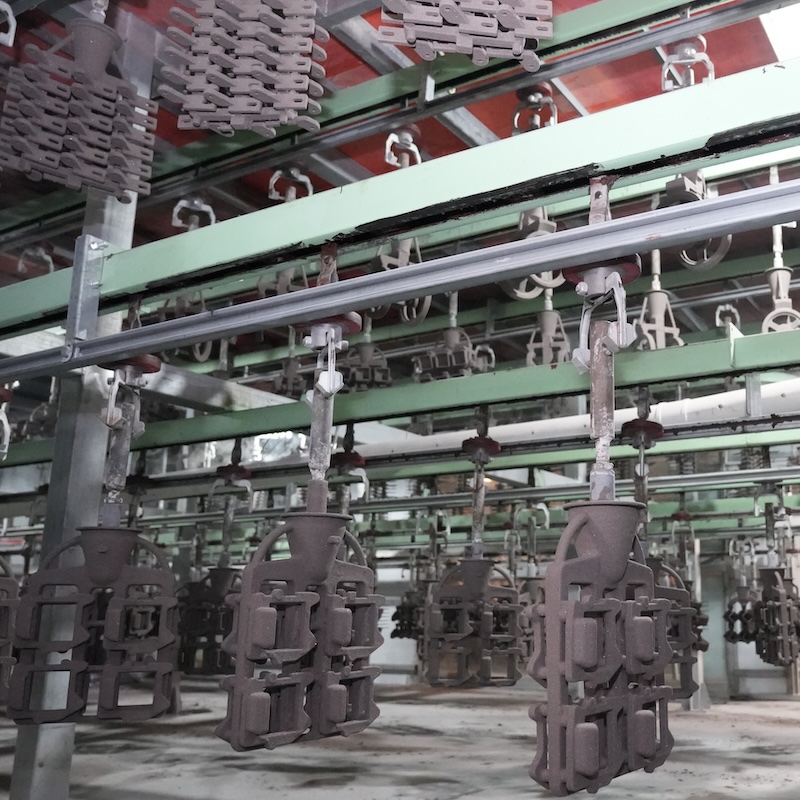
The exceptional hydraulic efficiency of investment cast impellers stems from the manufacturing process's ability to create precisely controlled blade profiles and flow passages that optimize fluid dynamics. Unlike machined or fabricated impellers constrained by tool access limitations or assembly requirements, investment cast impellers can incorporate complex three-dimensional curves, varying blade thicknesses, and smooth transitions that guide fluid through the component with minimal turbulence and energy loss. The investment casting process begins with creating a detailed wax pattern that exactly replicates the desired final geometry, including intricate features such as splitter vanes, undercut passages, and aerodynamically refined leading and trailing edges. This pattern gets coated with ceramic material to form a mold, and after the wax is melted away, molten metal fills the cavity to produce a component that faithfully reproduces every design detail. The resulting investment cast impellers feature blade angles optimized for specific flow rates and head requirements, ensuring the component operates at peak efficiency within its intended duty range. The smooth cast surfaces reduce skin friction as fluid travels along blade faces, while carefully designed transitions between components minimize flow separation and secondary losses that degrade performance. Computational fluid dynamics analysis can be directly translated into physical components without design compromises, allowing engineers to implement sophisticated optimizations such as variable blade spacing, non-radial blade arrangements, and custom inlet geometries tailored to particular suction conditions. This geometric precision delivers measurable efficiency advantages typically ranging from three to eight percent compared to conventional impeller manufacturing approaches, with the exact benefit depending on the specific application and design sophistication. For a pump consuming fifty kilowatts and operating continuously, even a five percent efficiency improvement saves substantial energy costs annually while reducing heat generation and extending component life. The hydraulic efficiency advantages of investment cast impellers compound throughout the system, as improved impeller performance allows for motor downsizing, reduced cooling requirements, and smaller installation footprints, creating value beyond the immediate energy savings.
Exceptional Material Versatility for Demanding Applications

Exceptional Material Versatility for Demanding Applications

Investment cast impellers offer unmatched material flexibility, enabling component manufacture from virtually any castable alloy to address specific application challenges ranging from extreme temperatures to highly corrosive environments. This material versatility represents a decisive advantage for industries handling difficult process fluids or operating under demanding conditions where standard materials prove inadequate. The investment casting process accommodates stainless steel grades including austenitic, martensitic, and duplex varieties, each offering distinct combinations of corrosion resistance, strength, and cost-effectiveness. Nickel-based superalloys such as Hastelloy, Inconel, and Monel provide exceptional resistance to aggressive chemicals, high-temperature oxidation, and stress corrosion cracking, making investment cast impellers suitable for chemical processing, petrochemical refining, and marine applications where material degradation poses constant challenges. Aluminum alloys deliver excellent strength-to-weight ratios for applications where rotating mass must be minimized to reduce bearing loads or enable higher rotational speeds. Bronze alloys offer superior resistance to cavitation erosion and seawater corrosion, making them preferred choices for marine pumps and desalination equipment. Beyond common alloy families, investment casting enables the use of specialized materials including titanium for extreme corrosion resistance with minimal weight, cobalt-chrome alloys for abrasion resistance in slurry service, and precipitation-hardening stainless steels that combine corrosion protection with high strength. The selection of appropriate materials for investment cast impellers considers multiple factors including the chemical composition of handled fluids, operating temperature ranges, presence of abrasive particles, pressure conditions, and required service life. Material testing and metallurgical analysis ensure cast components meet specified mechanical properties, with heat treatment processes tailored to develop optimal microstructures for each alloy and application. This comprehensive material capability means investment cast impellers can be engineered for virtually any pumping challenge, eliminating the compromises often necessary when component materials are limited by manufacturing process constraints. The ability to match materials precisely to service conditions extends equipment life, reduces failure risks, and enables processes that would be impractical or impossible with standard component materials.
Enhanced Reliability Through Integrated Design and Structural Integrity

Enhanced Reliability Through Integrated Design and Structural Integrity

Investment cast impellers deliver superior reliability through monolithic construction that eliminates mechanical joints, welds, and assembled components that represent potential failure points in alternative designs. This integrated approach to impeller manufacturing creates components with inherent structural advantages that translate directly to extended service life and reduced maintenance requirements across demanding industrial applications. Traditional impeller fabrication methods often require joining blades to hubs through welding, brazing, or mechanical fastening, creating stress concentrations and discontinuities where cracks can initiate under cyclic loading or corrosive attack. Investment cast impellers avoid these vulnerabilities entirely by producing the complete component in a single casting operation, resulting in uniform material properties throughout and eliminating interfaces where corrosion can preferentially attack or fatigue cracks can develop. The continuous grain structure extending through blade roots into the hub provides superior fatigue resistance, critical for components experiencing millions of stress cycles during typical service intervals. Dynamic balancing of investment cast impellers achieves tighter tolerances because the monolithic construction provides stable geometry without internal voids or assembly variations that complicate balancing of fabricated designs. Improved balance quality reduces bearing loads, minimizes shaft deflection, and decreases vibration-related wear on seals and couplings, contributing to overall system reliability and extended maintenance intervals. The investment casting process enables strategic reinforcement of highly stressed regions through localized thickness increases or rib structures incorporated directly into the casting design, optimizing strength where needed without adding unnecessary weight elsewhere. Non-destructive testing methods including radiographic examination, dye penetrant inspection, and dimensional verification ensure each investment cast impeller meets stringent quality standards before installation, providing confidence in component integrity. The reliability advantages of investment cast impellers prove particularly valuable in critical service applications where unplanned failures result in costly production interruptions, safety concerns, or environmental risks. Chemical plants, power generation facilities, and water treatment systems rely on this dependability to maintain continuous operations and meet performance targets. Field experience consistently demonstrates that properly selected and installed investment cast impellers deliver trouble-free service spanning years or decades, with gradual efficiency decline from wear providing advance warning before component replacement becomes necessary rather than experiencing unexpected catastrophic failures.

Get a Free Quote

Our representative will contact you soon.
Email
Name
Company Name
Message
0/1000