Premium Silica Sol Casting Manufacturer - Precision Investment Casting Solutions for Complex Metal Components

Get a Free Quote

Our representative will contact you soon.
Email
Name
Company Name
Message
0/1000

silica sol casting manufacturer

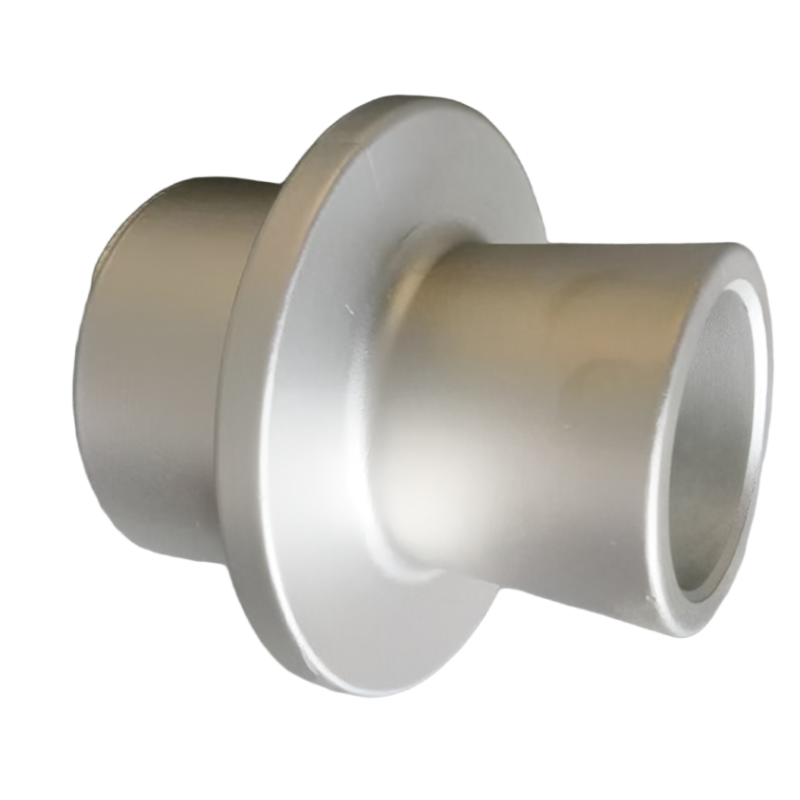
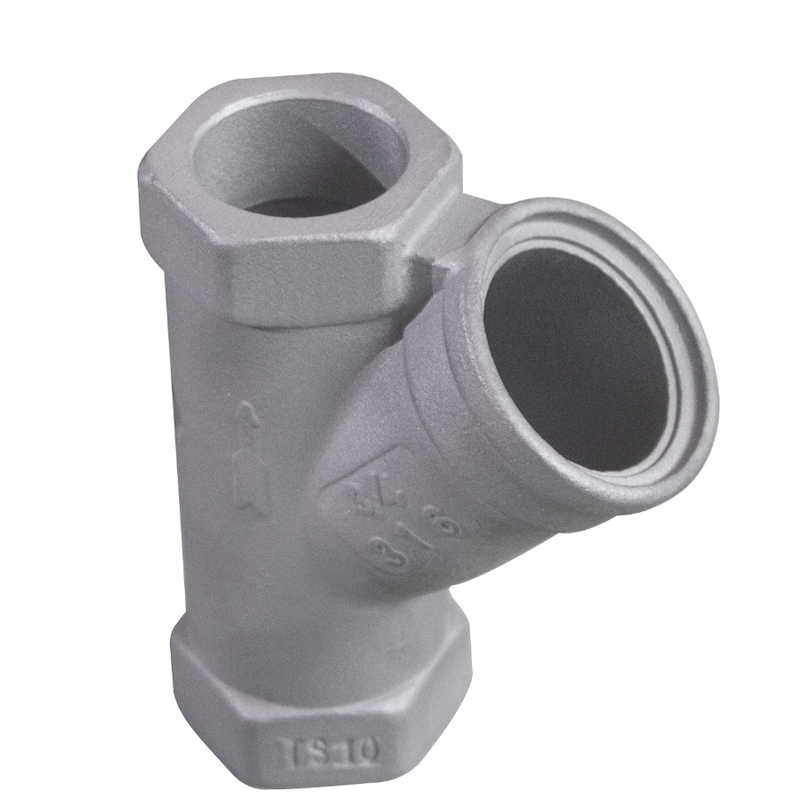
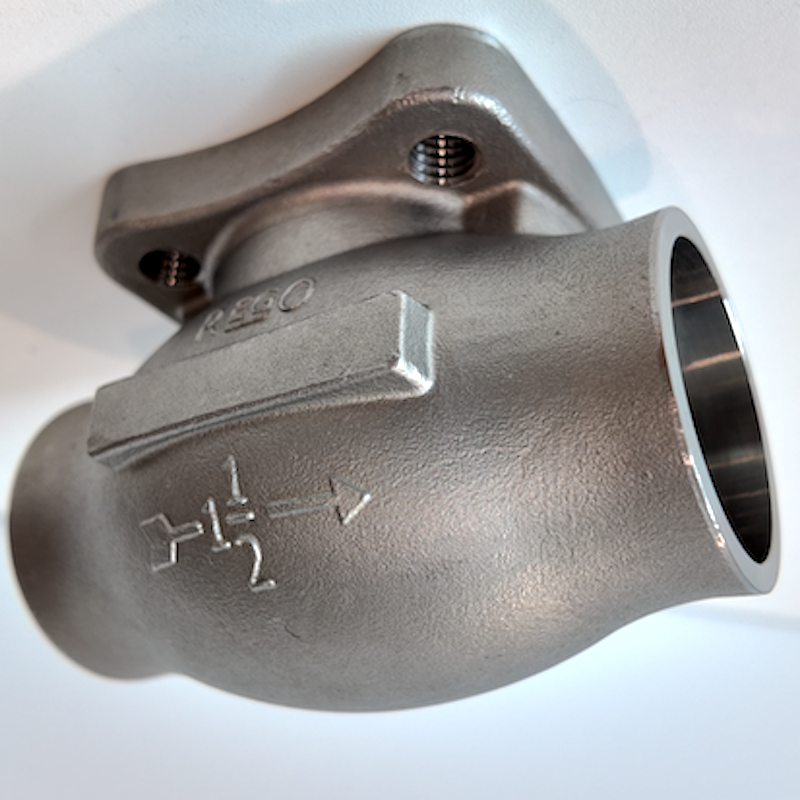
A silica sol casting manufacturer specializes in producing precision metal components through an advanced investment casting process that utilizes colloidal silica as the primary binder in shell mold formation. This sophisticated manufacturing approach represents one of the most refined methods for creating intricate metal parts with exceptional surface quality and dimensional accuracy. The silica sol casting manufacturer operates by coating wax or plastic patterns with multiple layers of fine ceramic slurry mixed with silica sol, which acts as a bonding agent to hold refractory materials together. Once the shell hardens, the pattern material is melted away, leaving a hollow ceramic mold into which molten metal is poured. This technique allows manufacturers to produce components with complex geometries, thin walls, and fine details that would be difficult or impossible to achieve through conventional casting methods. The main functions of a silica sol casting manufacturer include pattern creation, shell building through repeated dipping and stuccoing processes, dewaxing to remove pattern materials, high-temperature firing to strengthen the ceramic shell, metal pouring at precisely controlled temperatures, shell removal after solidification, and finishing operations to meet exact customer specifications. Technological features that distinguish professional operations include automated dipping systems for consistent shell thickness, climate-controlled drying chambers that prevent cracking, advanced furnace technology for both dewaxing and metal melting, quality control systems incorporating dimensional inspection and non-destructive testing, and computer-aided design integration for pattern development. Applications span numerous industries where precision and material integrity are paramount. Aerospace companies rely on these manufacturers for turbine blades, structural brackets, and engine components. Medical device producers order surgical instruments and implantable devices. Automotive manufacturers source high-performance engine parts and transmission components. The marine industry obtains corrosion-resistant fittings and propeller components. Industrial equipment makers procure pump housings, valve bodies, and specialized tooling. The versatility of the silica sol casting process enables production in various alloys including stainless steel, carbon steel, aluminum, bronze, and superalloys, making the silica sol casting manufacturer an essential partner for companies requiring custom precision parts.

New Product Recommendations

Working with a silica sol casting manufacturer provides numerous practical benefits that directly impact product quality, production efficiency, and overall project success. The superior surface finish achieved through this process eliminates the need for extensive secondary machining operations, saving both time and money while reducing material waste. Components emerge from the mold with smooth surfaces that often require only minimal polishing or finishing, allowing faster progression to assembly or final delivery. The dimensional accuracy offered by professional manufacturers means parts consistently meet tight tolerances, typically within 0.005 inches or better depending on size and complexity. This precision reduces rejection rates, minimizes costly rework, and ensures proper fit during assembly, which is particularly valuable when producing components that must interface with other precision-engineered parts. Design flexibility stands as another significant advantage, as the process accommodates complex internal passages, undercuts, thin sections, and intricate external features that would require multiple operations or prove impossible with other manufacturing methods. Engineers gain creative freedom to optimize part performance without being constrained by manufacturing limitations, often consolidating multiple components into single integrated pieces that reduce assembly time and potential failure points. Material versatility allows customers to select the optimal alloy for their specific application requirements, whether prioritizing corrosion resistance, strength-to-weight ratio, heat tolerance, or biocompatibility. The silica sol casting manufacturer can work with exotic materials and specialized alloys that might be difficult to machine from solid stock, expanding design possibilities while maintaining cost effectiveness. Production scalability offers flexibility for projects ranging from prototype quantities to medium production runs, with the ability to adjust volume without massive capital investment in dedicated tooling. This adaptability proves especially valuable for companies testing new designs, serving niche markets, or managing seasonal demand fluctuations. Cost efficiency becomes apparent when considering the complete production cycle rather than just initial casting costs. Reduced machining requirements, minimal material waste, lower rejection rates, and the ability to create near-net-shape components all contribute to favorable total cost of ownership. The elimination of expensive machining operations on complex geometries often makes investment casting the most economical choice despite higher initial tooling costs. Quality consistency maintained by experienced manufacturers ensures that each part meets specifications, reducing variability that can compromise product performance or create assembly challenges. Advanced process controls, regular testing protocols, and skilled technicians work together to deliver reliable results batch after batch. Faster time-to-market results from the ability to move quickly from design concept to production parts, with experienced manufacturers offering engineering support during the design phase to optimize castability and performance. This collaborative approach identifies potential issues early, avoiding costly redesigns and delays that can derail project schedules and miss market opportunities.

Tips And Tricks

Basic Principles Of Design Of Precision Casting Gating System

11

May

Basic Principles Of Design Of Precision Casting Gating System

View More
Selection And Application Scope Of Hardness Tester

11

May

Selection And Application Scope Of Hardness Tester

View More
Stainless Steel Castings for Architectural Posts

11

May

Stainless Steel Castings for Architectural Posts

View More
Stainless Steel Castings for Building Facade Systems

11

May

Stainless Steel Castings for Building Facade Systems

View More

Get a Free Quote

Our representative will contact you soon.
Email
Name
Company Name
Message
0/1000

silica sol casting manufacturer

Exceptional Surface Quality and Dimensional Precision for Reduced Manufacturing Costs

Exceptional Surface Quality and Dimensional Precision for Reduced Manufacturing Costs

The outstanding surface quality delivered by a silica sol casting manufacturer represents a fundamental advantage that cascades through the entire production process, ultimately reducing total manufacturing costs while improving component performance. Unlike conventional sand casting or other rougher casting methods, the silica sol process creates an incredibly smooth surface finish directly from the mold, typically achieving surface roughness measurements between 63 and 125 microinches. This exceptional smoothness results from the fine particle size of the colloidal silica and refractory materials used in shell construction, which create a dense, uniform mold surface that faithfully reproduces even the finest pattern details. For customers, this translates into substantial savings on secondary finishing operations, as parts often require only light polishing or deburring rather than extensive grinding, machining, or surface treatment. Components destined for visible applications can sometimes proceed directly to final use without any additional finishing, dramatically shortening production cycles and reducing handling costs. The dimensional precision achieved by professional manufacturers complements this surface quality, with typical tolerances ranging from plus or minus 0.005 inches to 0.010 inches depending on part size, geometry, and material selection. This accuracy stems from the controlled shrinkage characteristics of the silica sol shell system, the precision of pattern production, and the careful process control maintained throughout shell building, firing, and casting operations. Experienced manufacturers develop detailed shrinkage allowance data for different alloys and part configurations, incorporating these factors into pattern design to ensure final dimensions meet specifications without requiring significant machining. The combination of excellent surface finish and tight dimensional control proves particularly valuable in industries where form, fit, and function cannot be compromised. Aerospace applications demand precise dimensions for proper assembly and aerodynamic performance, while medical devices require both dimensional accuracy and smooth surfaces for biocompatibility and proper function. Industrial equipment benefits from precision-cast components that assemble easily, operate smoothly, and resist wear from friction and abrasion. Beyond the immediate cost savings from reduced finishing operations, the superior quality characteristics enable engineers to specify tighter tolerances and better surface finishes in their designs, pushing performance boundaries without fear that manufacturing limitations will compromise results. This capability opens opportunities for innovation and product differentiation that might otherwise remain out of reach.
Design Freedom and Complex Geometry Capability for Product Innovation

Design Freedom and Complex Geometry Capability for Product Innovation

A silica sol casting manufacturer empowers product designers and engineers with unprecedented design freedom, enabling the creation of complex geometries and integrated features that would be prohibitively expensive or technically impossible using alternative manufacturing methods. This capability stems from the fundamental nature of the investment casting process, where liquid metal flows into a hollow ceramic mold that perfectly replicates the original pattern, regardless of how intricate that pattern might be. Internal passages, cooling channels, and hollow sections can be incorporated by using ceramic cores that remain in place during shell building and casting but are later removed through chemical dissolution or mechanical breakout. These internal features enable sophisticated designs such as turbine blades with internal cooling passages, manifolds with complex flow paths, or structural components with weight-reducing hollow sections. External complexity presents no barrier either, with the process readily accommodating thin walls, fine details, sharp corners, logos, part numbers, and decorative elements. Undercuts and features that would require special tooling or multiple operations in machining or forging pose no difficulty, as the ceramic shell breaks away after casting without the need to withdraw tooling from draft angles. This geometric freedom allows engineers to optimize parts for performance rather than manufacturability, often consolidating multiple components into single integrated castings that eliminate assembly operations, reduce part count, minimize weight, and improve structural integrity by eliminating joints and fasteners. A bracket that might traditionally require welding or bolting several pieces together can become a single casting with optimized material distribution, placing strength exactly where needed while minimizing weight in less-stressed areas. Fluid handling components benefit enormously from the ability to create smooth internal passages with complex flow paths that minimize turbulence, reduce pressure drop, and improve efficiency. Heat exchangers, pump housings, and valve bodies can incorporate internal geometries specifically designed for optimal fluid dynamics rather than accepting compromises imposed by manufacturing constraints. The silica sol casting manufacturer works collaboratively with customers during the design phase, offering insights into how to maximize the advantages of the process while avoiding potential casting challenges. This partnership approach often leads to design refinements that improve both castability and performance, creating better products at lower total costs. Rapid prototyping capabilities allow design concepts to be proven quickly, with pattern modifications readily accommodated to refine performance or correct issues discovered during testing. This iterative development process proves far more economical than committing to expensive machining programs or forging dies before designs are fully validated.
Material Versatility and Metallurgical Integrity for Critical Applications

Material Versatility and Metallurgical Integrity for Critical Applications

The extensive material versatility offered by a silica sol casting manufacturer addresses diverse application requirements across industries where component performance, durability, and reliability cannot be compromised. Professional casting operations maintain expertise in processing a wide range of alloys, from common materials like carbon steel and stainless steel to specialized alloys including tool steels, heat-resistant superalloys, aluminum alloys, copper-based alloys, and even precious metals for specific applications. This breadth of material capability allows engineers to specify exactly the right alloy for each application based on mechanical properties, corrosion resistance, temperature performance, weight considerations, magnetic characteristics, or biocompatibility requirements. Stainless steel grades ranging from austenitic 304 and 316 for corrosion resistance to martensitic grades for hardness and strength provide options for food processing equipment, marine applications, chemical processing, and architectural components. Carbon steel castings serve structural applications where strength and cost-effectiveness are priorities. Aluminum alloys deliver excellent strength-to-weight ratios for aerospace, automotive, and recreational equipment applications where reducing mass improves performance and efficiency. Bronze and brass alloys offer superior corrosion resistance in marine environments, excellent bearing properties for wear surfaces, and attractive aesthetics for decorative applications. Specialized superalloys containing nickel, cobalt, or other exotic elements withstand extreme temperatures and corrosive environments in turbine engines, industrial furnaces, and chemical processing equipment. Beyond simply working with diverse materials, experienced manufacturers understand the metallurgical characteristics of each alloy and how processing parameters affect final properties. Careful control of melting temperatures, pouring procedures, solidification rates, and heat treatment processes ensures optimal grain structure, mechanical properties, and freedom from defects. Quality assurance protocols including chemical composition analysis, mechanical testing, non-destructive examination using radiography or ultrasonic inspection, and dimensional verification provide confidence that castings meet specifications and will perform as intended in demanding applications. The metallurgical integrity achieved through proper processing proves critical in applications where failure could have serious consequences, such as aerospace components subject to extreme stresses and temperatures, medical implants that must function reliably within the human body, or industrial equipment where breakage could endanger operators or halt production. The silica sol casting manufacturer invests in the technical knowledge, equipment, and quality systems necessary to deliver this level of reliability consistently, providing customers with parts they can trust in their most critical applications. Material traceability systems track each batch from raw material receipt through final delivery, documenting the complete production history should questions arise during service or if certification documentation is required for regulated industries.

Get a Free Quote

Our representative will contact you soon.
Email
Name
Company Name
Message
0/1000