Material Versatility and Metallurgical Integrity for Critical Applications
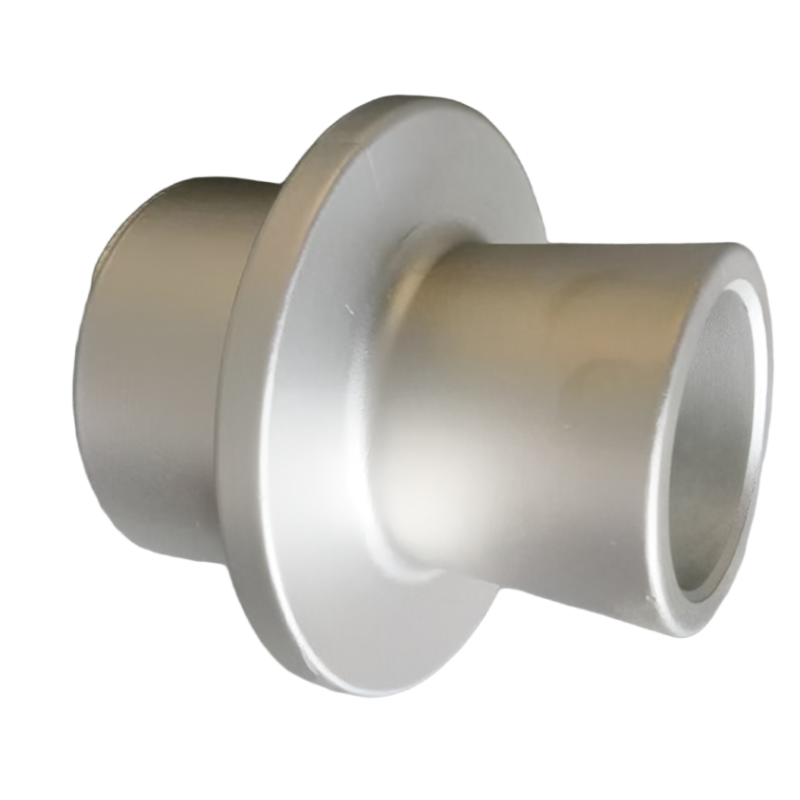
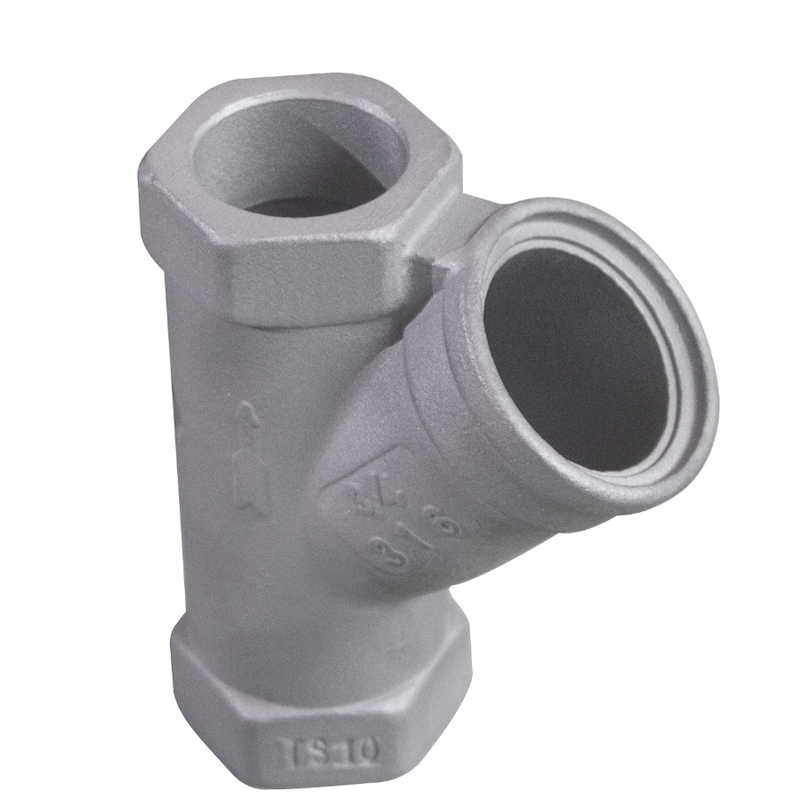
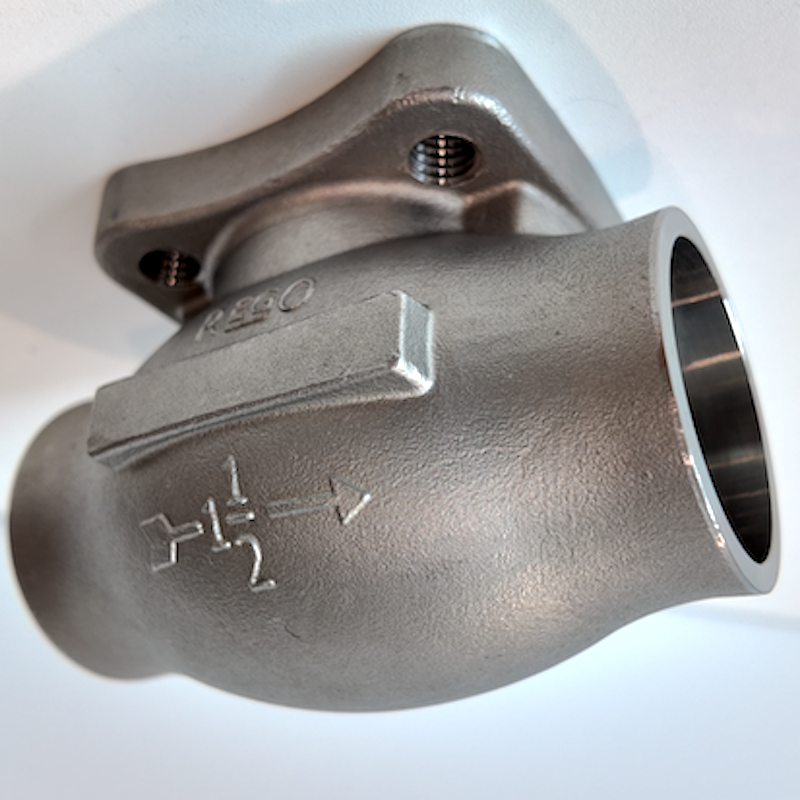
The extensive material versatility offered by a silica sol casting manufacturer addresses diverse application requirements across industries where component performance, durability, and reliability cannot be compromised. Professional casting operations maintain expertise in processing a wide range of alloys, from common materials like carbon steel and stainless steel to specialized alloys including tool steels, heat-resistant superalloys, aluminum alloys, copper-based alloys, and even precious metals for specific applications. This breadth of material capability allows engineers to specify exactly the right alloy for each application based on mechanical properties, corrosion resistance, temperature performance, weight considerations, magnetic characteristics, or biocompatibility requirements. Stainless steel grades ranging from austenitic 304 and 316 for corrosion resistance to martensitic grades for hardness and strength provide options for food processing equipment, marine applications, chemical processing, and architectural components. Carbon steel castings serve structural applications where strength and cost-effectiveness are priorities. Aluminum alloys deliver excellent strength-to-weight ratios for aerospace, automotive, and recreational equipment applications where reducing mass improves performance and efficiency. Bronze and brass alloys offer superior corrosion resistance in marine environments, excellent bearing properties for wear surfaces, and attractive aesthetics for decorative applications. Specialized superalloys containing nickel, cobalt, or other exotic elements withstand extreme temperatures and corrosive environments in turbine engines, industrial furnaces, and chemical processing equipment. Beyond simply working with diverse materials, experienced manufacturers understand the metallurgical characteristics of each alloy and how processing parameters affect final properties. Careful control of melting temperatures, pouring procedures, solidification rates, and heat treatment processes ensures optimal grain structure, mechanical properties, and freedom from defects. Quality assurance protocols including chemical composition analysis, mechanical testing, non-destructive examination using radiography or ultrasonic inspection, and dimensional verification provide confidence that castings meet specifications and will perform as intended in demanding applications. The metallurgical integrity achieved through proper processing proves critical in applications where failure could have serious consequences, such as aerospace components subject to extreme stresses and temperatures, medical implants that must function reliably within the human body, or industrial equipment where breakage could endanger operators or halt production. The silica sol casting manufacturer invests in the technical knowledge, equipment, and quality systems necessary to deliver this level of reliability consistently, providing customers with parts they can trust in their most critical applications. Material traceability systems track each batch from raw material receipt through final delivery, documenting the complete production history should questions arise during service or if certification documentation is required for regulated industries.