fabrikasi logam automotif
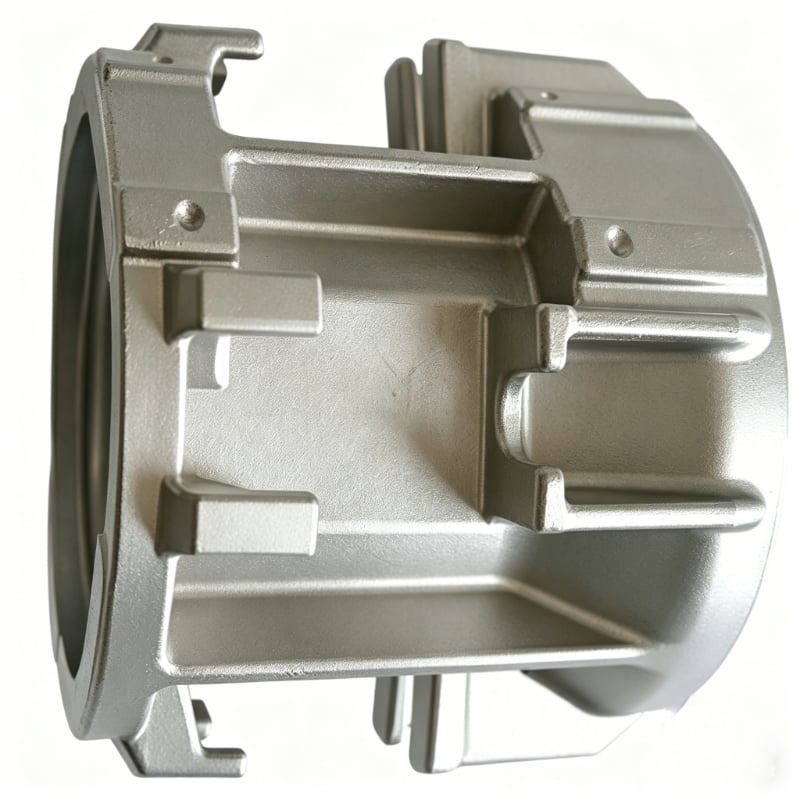
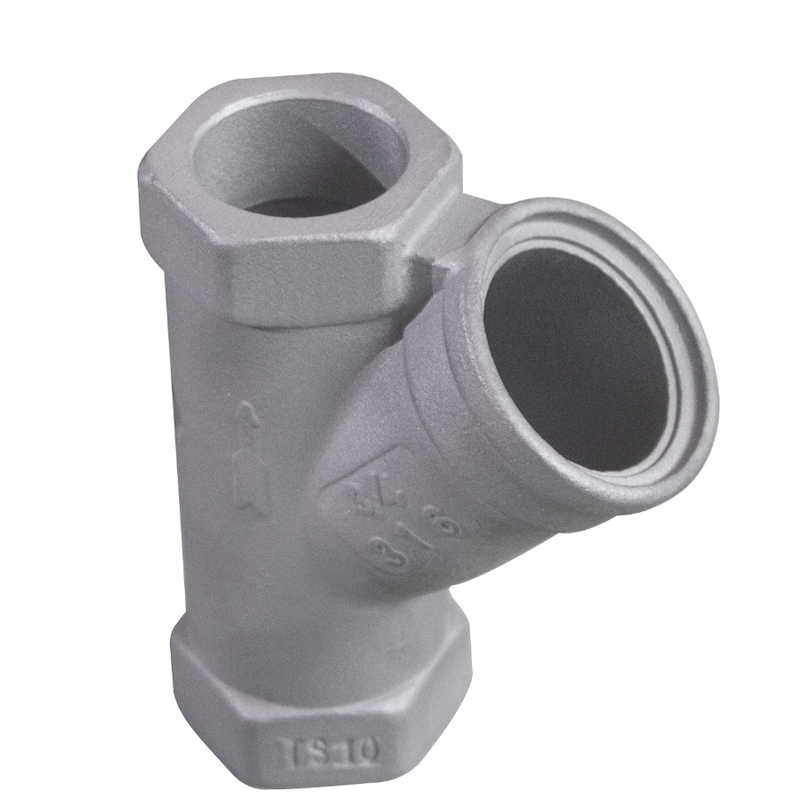
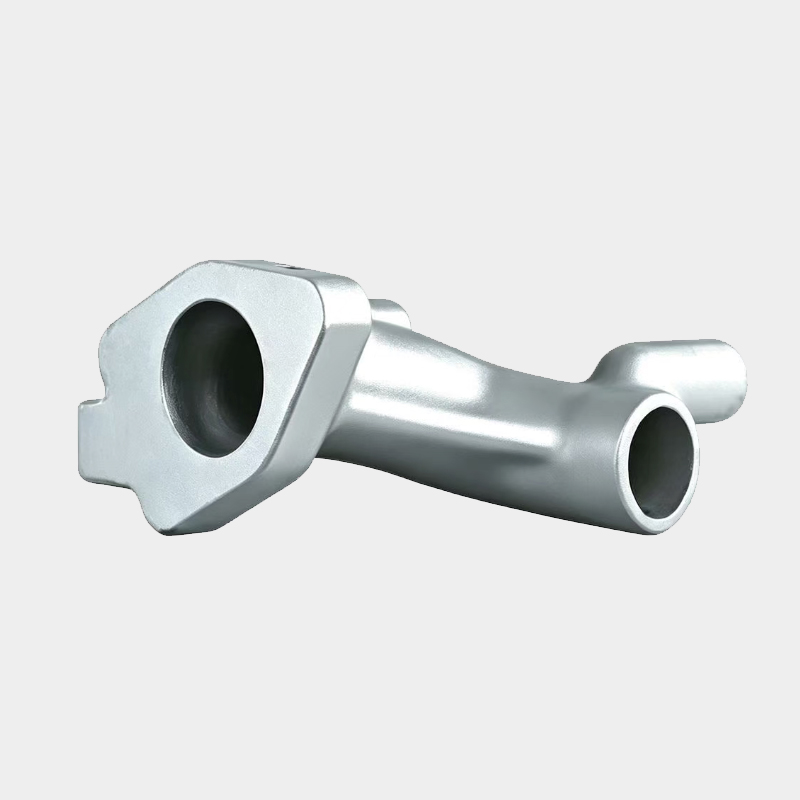
Fabrikasi logam automotif merupakan proses pembuatan utama dalam industri pengeluaran kenderaan, yang merangkumi pengubahsuaian bahan logam mentah kepada komponen tepat yang membentuk unsur struktur dan fungsi kenderaan moden. Disiplin pembuatan yang canggih ini menggabungkan teknologi terkini dengan kepakaran tradisional dalam kerja logam untuk menghasilkan pelbagai bahagian, daripada panel badan dan komponen sasis hingga sistem ekzos dan pendakap enjin. Fungsi utama fabrikasi logam automotif termasuk membentuk, memotong, melengkungkan, mengimpal, dan menyusun kepingan logam bagi menghasilkan komponen kenderaan yang tahan lama serta memenuhi piawaian keselamatan dan keperluan prestasi yang ketat. Ciri-ciri teknologi dalam fabrikasi logam automotif telah berkembang secara signifikan, dengan penggunaan jentera kawalan berangka komputer (CNC), sistem pemotongan laser, stesen pengimpalan robotik, dan tekanan pembentukan lanjutan yang menjamin ketepatan dan pengulangan yang luar biasa. Teknologi-teknologi ini membolehkan pengilang bekerja dengan pelbagai jenis logam seperti keluli, aluminium, keluli tahan karat, dan aloi khas—masing-masing dipilih berdasarkan sifat tertentu seperti kekuatan, jisim, rintangan kakisan, atau ketahanan haba. Aplikasi fabrikasi logam automotif merentasi semua jenis kenderaan, dari kereta penumpang dan lori komersial hingga peralatan pertanian dan kenderaan khas. Proses ini menghasilkan panel badan luar yang menentukan estetika kenderaan, penguat struktur yang melindungi pemandu dan penumpang semasa perlanggaran, pendakap pemasangan yang menyokong sistem kritikal, komponen ekzos yang menguruskan pelepasan emisi, serta berpuluh-puluh bahagian lain yang penting bagi operasi kenderaan. Fasiliti fabrikasi logam automotif moden menggunakan langkah-langkah kawalan kualiti lanjutan seperti mesin pengukur koordinat, ujian ultrasonik, dan protokol pemeriksaan visual untuk memastikan setiap komponen memenuhi spesifikasi yang tepat. Integrasi sistem rekabentuk berbantuan komputer (CAD) dan pembuatan berbantuan komputer (CAM) membolehkan pembuatan prototaip pantas dan penskalaan pengeluaran yang cekap, memungkinkan pengilang berpindah dari konsep kepada produk siap dengan kelajuan yang luar biasa sambil mengekalkan konsistensi di sepanjang siri pengeluaran.

 EN
EN