automotive metal fabrication
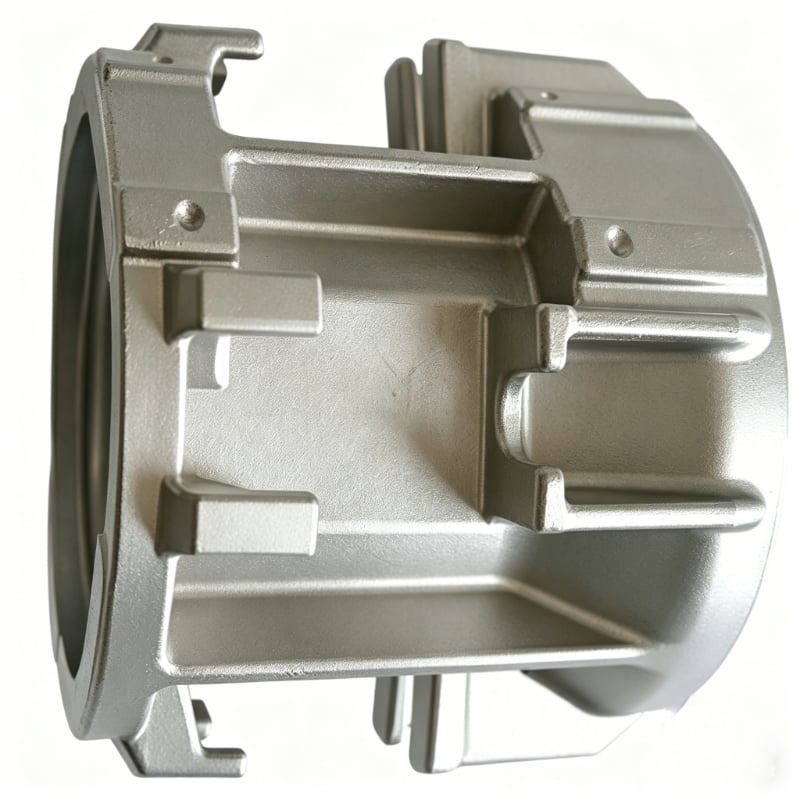
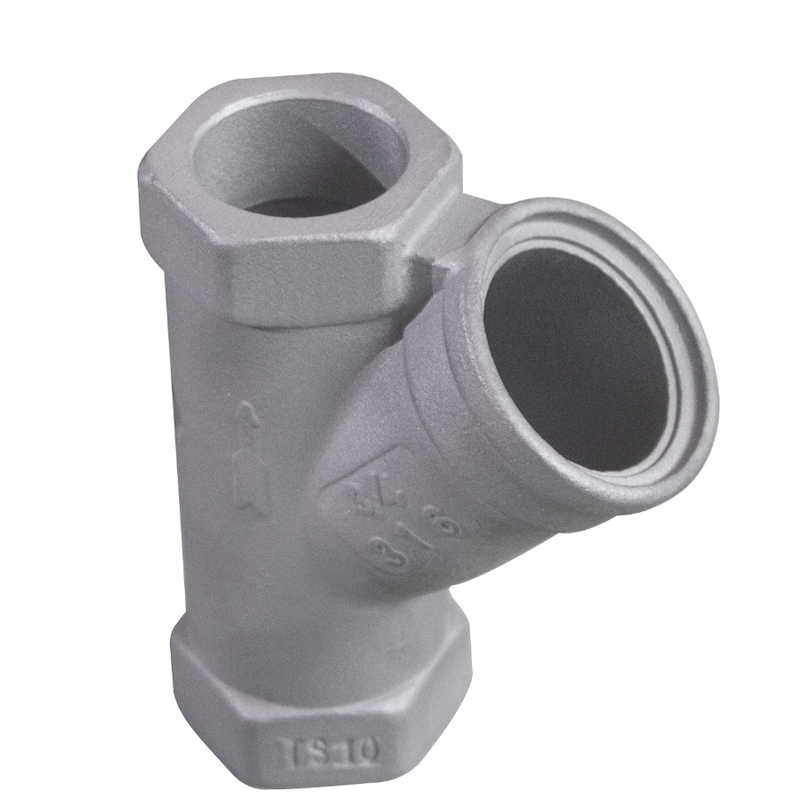
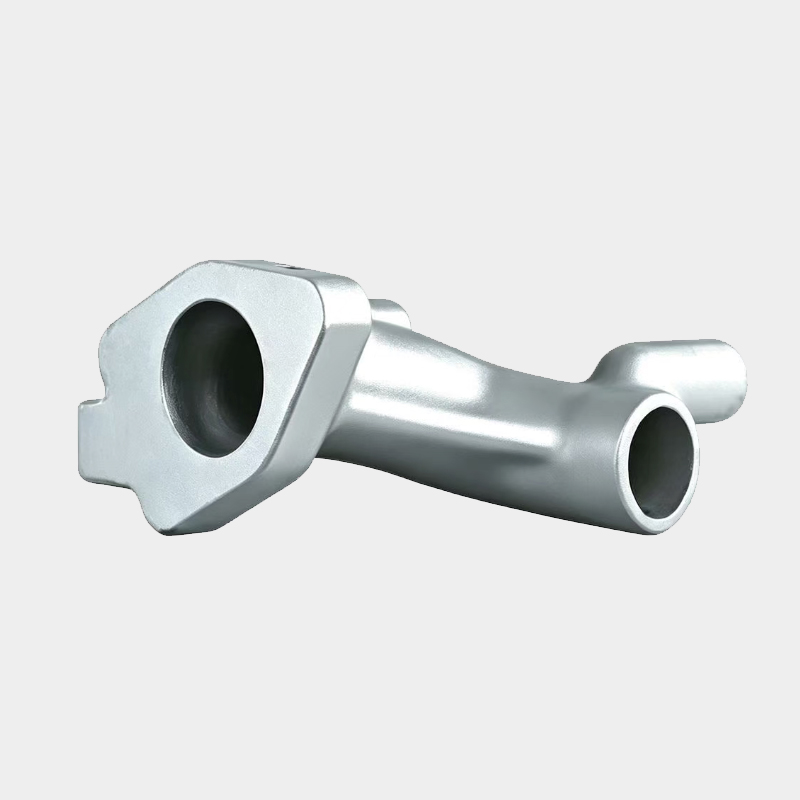
Automotive metal fabrication represents a cornerstone manufacturing process within the vehicle production industry, encompassing the transformation of raw metal materials into precise components that form the structural and functional elements of modern vehicles. This sophisticated manufacturing discipline combines cutting-edge technology with traditional metalworking expertise to deliver parts ranging from body panels and chassis components to exhaust systems and engine brackets. The main functions of automotive metal fabrication include shaping, cutting, bending, welding, and assembling metal pieces to create durable vehicle components that meet stringent safety standards and performance requirements. Technological features of automotive metal fabrication have evolved significantly, incorporating computer numerical control machinery, laser cutting systems, robotic welding stations, and advanced forming presses that ensure exceptional precision and repeatability. These technologies enable manufacturers to work with various metals including steel, aluminum, stainless steel, and specialized alloys, each selected for specific properties such as strength, weight, corrosion resistance, or heat tolerance. Applications of automotive metal fabrication span across every vehicle type from passenger cars and commercial trucks to agricultural equipment and specialty vehicles. The process creates exterior body panels that define vehicle aesthetics, structural reinforcements that protect occupants during collisions, mounting brackets that support critical systems, exhaust components that manage emissions, and countless other parts essential to vehicle operation. Modern automotive metal fabrication facilities utilize advanced quality control measures including coordinate measuring machines, ultrasonic testing, and visual inspection protocols to verify that every component meets exact specifications. The integration of computer-aided design and manufacturing systems allows for rapid prototyping and efficient production scaling, enabling manufacturers to transition from concept to finished product with remarkable speed while maintaining consistency across production runs.

 EN
EN