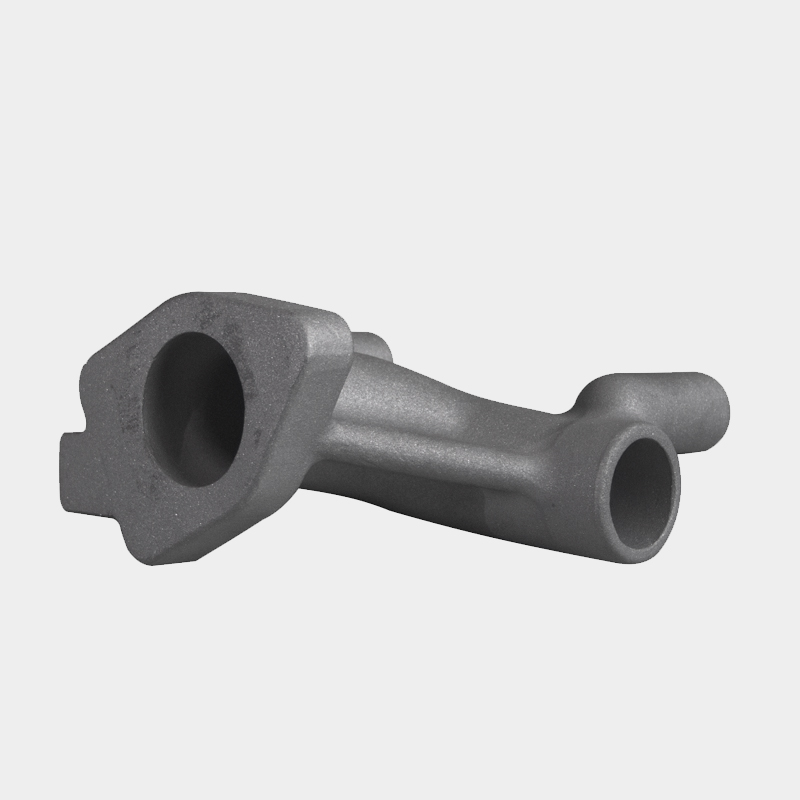
Automotive Metal Parts Manufacturing - Precision Components for Vehicle Excellence

Get a Free Quote

Our representative will contact you soon.
Email
Name
Mobile
Company Name
Message
0/1000
Attachment
Upload Your Drawings / Files
Up to 3 files, each no larger than 30MB. Supported formats: jpg, jpeg, png, pdf, doc, docx, xls, xlsx, csv, txt, stp, step, igs, x_t, dxf, prt, sldprt, sat, rar, zip.

automotive metal parts manufacturing

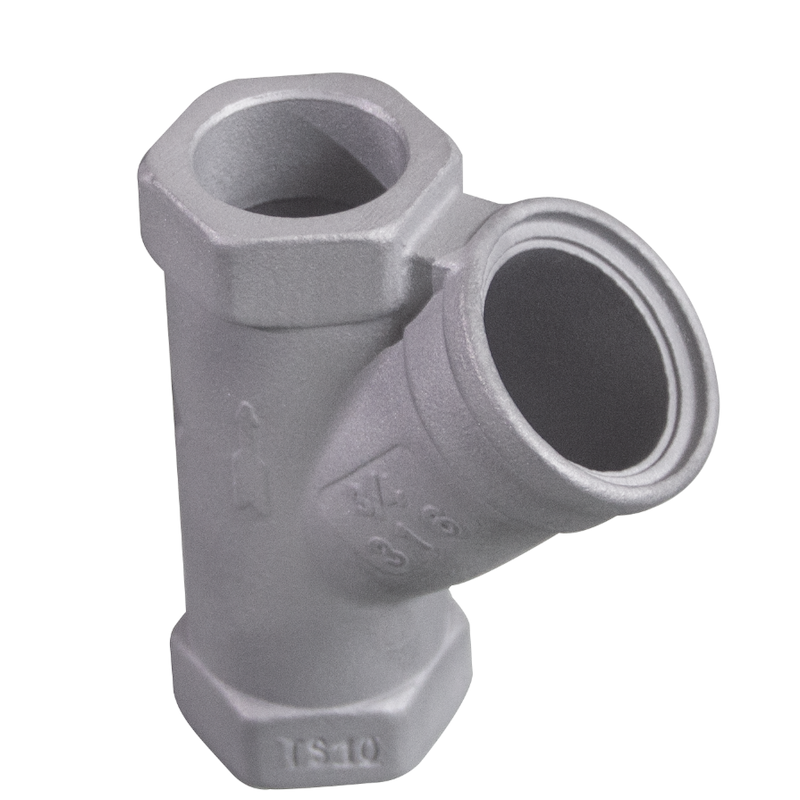
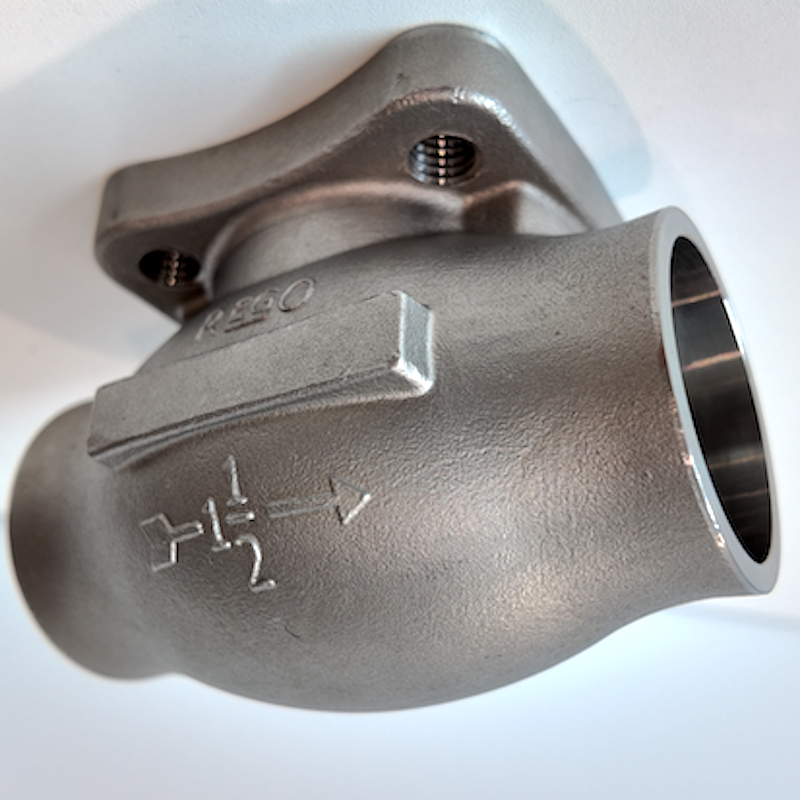
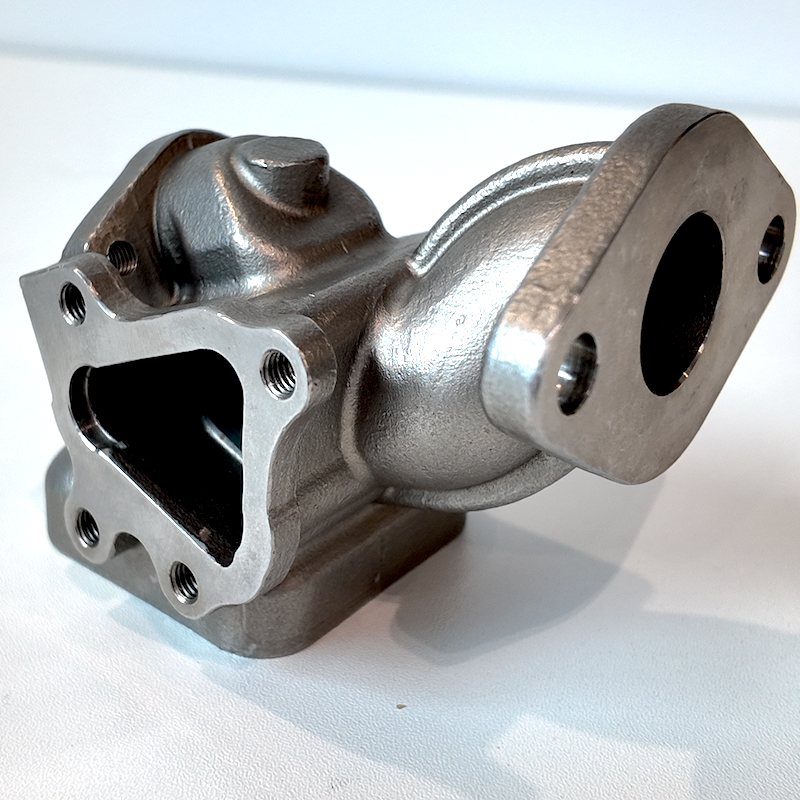
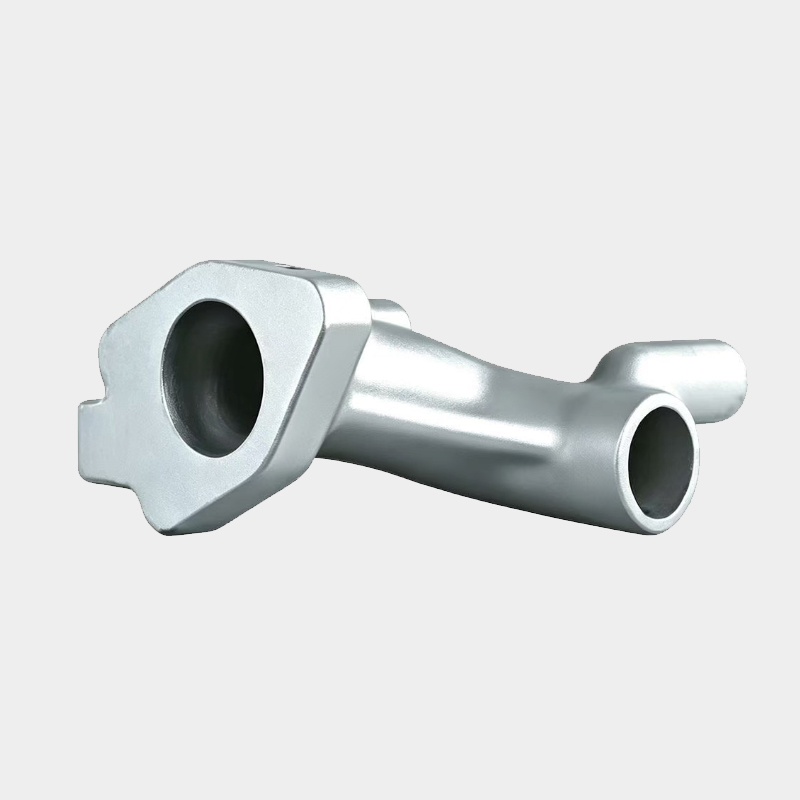
Automotive metal parts manufacturing represents a cornerstone of modern vehicle production, encompassing sophisticated processes that transform raw metals into precision-engineered components essential for vehicle performance and safety. This specialized industry combines traditional metalworking expertise with cutting-edge technology to produce everything from engine blocks and transmission housings to structural frames and suspension systems. The main functions of automotive metal parts manufacturing include stamping, casting, forging, machining, and welding operations that create components meeting exact specifications required by vehicle manufacturers. These manufacturing processes handle various metals including steel, aluminum, titanium, and specialized alloys, each selected for specific properties such as strength, weight, corrosion resistance, or thermal conductivity. Technological features defining modern automotive metal parts manufacturing include computer numerical control machining centers, automated robotic welding stations, precision die-casting equipment, and advanced quality control systems utilizing coordinate measuring machines and non-destructive testing methods. The integration of Industry 4.0 principles enables real-time monitoring, predictive maintenance, and data-driven optimization throughout production cycles. Applications of automotive metal parts manufacturing span across all vehicle systems: powertrain components like crankshafts and connecting rods, chassis elements including control arms and subframes, body panels and structural reinforcements, brake system components, steering mechanisms, and exhaust systems. The versatility of metal manufacturing allows producers to accommodate both high-volume mass production for standard vehicles and specialized low-volume production for luxury, performance, or commercial vehicles. Environmental considerations increasingly influence manufacturing approaches, with emphasis on recyclable materials, energy-efficient processes, and waste reduction strategies. The industry supports not only original equipment manufacturers but also aftermarket suppliers, providing replacement parts and performance upgrades. Quality standards remain paramount, with certifications such as IATF 16949 ensuring consistent adherence to automotive industry requirements for safety, reliability, and performance across all manufactured metal components.

New Product Recommendations

Choosing professional automotive metal parts manufacturing delivers substantial practical benefits that directly impact your business operations and bottom line. First and foremost, you gain access to precision engineering that ensures every component meets exact dimensional tolerances, eliminating fitment issues and reducing assembly time on production lines. This accuracy translates into fewer rejected parts, lower warranty claims, and enhanced customer satisfaction. The durability of properly manufactured metal parts means vehicles perform reliably over extended service lives, reducing maintenance costs and building brand reputation for quality. Modern manufacturing facilities offer flexibility in production volumes, allowing you to scale orders according to market demand without compromising quality standards or facing prohibitive setup costs. This adaptability proves invaluable when launching new models or responding to seasonal fluctuations in vehicle sales. Cost efficiency emerges as another significant advantage, as established manufacturers leverage economies of scale, optimized material usage, and streamlined processes to deliver competitive pricing without sacrificing quality. Advanced manufacturing techniques reduce material waste, with scrap metal recycled back into production cycles, contributing to both environmental sustainability and cost savings that benefit your procurement budget. Speed to market becomes achievable through rapid prototyping capabilities and efficient production scheduling, enabling faster product development cycles and quicker response to design modifications. You benefit from accumulated expertise spanning decades of automotive experience, with engineering teams capable of suggesting design improvements that enhance performance, reduce weight, or lower production costs. Quality assurance programs embedded throughout manufacturing processes catch potential defects early, preventing costly recalls and protecting brand integrity. Supply chain reliability stands as a crucial advantage, with established manufacturers maintaining consistent production schedules, managing inventory efficiently, and ensuring timely deliveries that keep your assembly lines running smoothly. Technical support extends beyond initial production, with manufacturers offering assistance in installation, troubleshooting, and continuous improvement initiatives. Material traceability systems document every component's production history, essential for regulatory compliance and quality investigations. Investment in state-of-the-art equipment means you access the latest manufacturing technologies without capital expenditure, benefiting from innovations in automation, precision tooling, and surface treatments. Collaborative relationships with metal parts manufacturers create opportunities for value engineering, where joint problem-solving reduces costs while maintaining or improving performance specifications. The capability to work with diverse metal grades and alloys provides design freedom, allowing engineers to specify optimal materials for each application based on strength requirements, weight targets, corrosion resistance needs, or thermal properties. Consistent quality across production runs ensures interchangeability of parts, simplifying inventory management and service operations for vehicle owners and repair facilities worldwide.

Practical Tips

How Does a Precision Investment Casting Manufacturer Ensure Consistent Quality Across Global Supply Chains?

05

Jun

How Does a Precision Investment Casting Manufacturer Ensure Consistent Quality Across Global Supply Chains?

In today's interconnected industrial landscape, sourcing complex metal components across international borders presents a formidable quality challenge. the manufacturer must navigate an intricate web of raw material sourcing, multi-stage production c...
View More
How Should Buyers Choose a Reliable Medium Temperature Wax Casting Service Provider?

26

Jun

How Should Buyers Choose a Reliable Medium Temperature Wax Casting Service Provider?

Selecting the right manufacturing partner for medium temperature wax casting is one of the most consequential decisions a procurement professional or product engineer can make. The process, which involves injecting wax into precision dies at carefull...
View More
How Do OEM ODM Precision Casting Services Support Flexible Design and Rapid Prototyping?

26

Jun

How Do OEM ODM Precision Casting Services Support Flexible Design and Rapid Prototyping?

Figure 1: Custom Valve Body Fabricated via Precision Investment Casting, Featuring Crisp Surface Details and Net-Shape Integrity. In today's fast-evolving manufacturing landscape, the ability to move from concept to production-ready component quickly...
View More
Why Are Stainless Steel Investment Castings Preferred for Corrosion Resistant Applications?

26

Jun

Why Are Stainless Steel Investment Castings Preferred for Corrosion Resistant Applications?

In demanding industrial environments where moisture, chemicals, and extreme temperatures are constant threats, material selection is one of the most critical engineering decisions a manufacturer can make. Among the available manufacturing methods, st...
View More

Get a Free Quote

Our representative will contact you soon.
Email
Name
Mobile
Company Name
Message
0/1000
Attachment
Upload Your Drawings / Files
Up to 3 files,more 30mb,suppor jpg、jpeg、png、pdf、doc、docx、xls、xlsx、csv、txt

automotive metal parts manufacturing

Advanced Precision Engineering and Quality Control Systems

Advanced Precision Engineering and Quality Control Systems

The foundation of exceptional automotive metal parts manufacturing rests upon sophisticated precision engineering capabilities paired with comprehensive quality control systems that guarantee consistent excellence across every produced component. Modern manufacturing facilities employ multi-axis computer numerical control machines capable of holding tolerances within microns, ensuring perfect fitment and optimal performance in demanding automotive applications. These precision machines work in concert with advanced tooling designs that maintain accuracy even during extended production runs, eliminating the dimensional drift that compromises component quality. Statistical process control methodologies continuously monitor critical dimensions throughout manufacturing operations, detecting minute variations before they exceed specification limits and triggering corrective actions that maintain production within acceptable parameters. Coordinate measuring machines equipped with laser scanning technology verify complex geometries against three-dimensional computer-aided design models, identifying deviations invisible to traditional inspection methods. Non-destructive testing procedures including ultrasonic examination, magnetic particle inspection, and X-ray analysis detect internal flaws, material inconsistencies, or structural weaknesses without damaging parts, ensuring only components meeting rigorous standards reach assembly lines. Material certification programs trace raw materials from steel mills and foundries through final production, documenting chemical composition, mechanical properties, and heat treatment histories that verify conformance to automotive industry specifications. First article inspection protocols validate new production setups before full-scale manufacturing commences, preventing costly production of non-conforming parts and ensuring tooling operates correctly from initial runs. In-process inspection stations positioned throughout production lines catch defects immediately, reducing scrap rates and preventing defective components from advancing to subsequent operations. Environmental controls maintain consistent temperature and humidity levels within manufacturing areas, eliminating thermal expansion variations that affect precision measurements and dimensional stability. Calibration programs ensure all measuring instruments maintain accuracy traceable to national standards, with documented calibration intervals and replacement protocols for worn gauges. Quality management systems certified to international automotive standards demonstrate commitment to systematic approaches that prevent defects rather than merely detecting them, embedding quality consciousness throughout organizational culture and operational procedures that benefit customers through reliable, consistent component performance.
Versatile Manufacturing Capabilities for Diverse Applications

Versatile Manufacturing Capabilities for Diverse Applications

The breadth of manufacturing capabilities available in modern automotive metal parts manufacturing facilities enables production of remarkably diverse component types, accommodating varying design requirements, production volumes, and performance specifications across the complete spectrum of vehicle applications. Stamping operations utilizing progressive dies transform flat sheet metal into complex three-dimensional shapes through sequential forming stages, creating body panels, brackets, and structural reinforcements with exceptional repeatability and material efficiency. Deep drawing processes produce cylindrical or box-shaped components like oil pans and transmission cases, maintaining uniform wall thickness while achieving depths multiple times greater than original blank dimensions. Hot forging operations shape heated metal billets under tremendous pressure, creating components with superior grain structure and mechanical properties ideally suited for highly stressed applications including steering knuckles, suspension components, and drivetrain elements. Precision casting techniques pour molten metal into intricate molds, producing complex geometries difficult or impossible to achieve through machining alone, particularly valuable for engine blocks, cylinder heads, and differential housings requiring internal passages and intricate cooling channels. Investment casting delivers exceptional surface finish and dimensional accuracy for smaller components, reducing subsequent machining requirements and enabling production of parts with thin walls and fine details. Machining centers equipped with multiple tool changers execute complex sequences of drilling, milling, boring, and threading operations under computer control, transforming rough castings or forgings into finished components meeting exacting specifications. Turning operations on computer numerical control lathes create cylindrical features with precise diameters, concentricity, and surface finishes essential for rotating components like shafts, pulleys, and bearing surfaces. Welding technologies including resistance spot welding, laser welding, and friction stir welding join metal components with strength often exceeding base material properties, creating assemblies that function as unified structures. Surface treatment processes apply protective coatings, hardening treatments, or decorative finishes that enhance corrosion resistance, wear characteristics, or aesthetic appearance, extending component service life and maintaining visual appeal throughout vehicle ownership. This versatility allows manufacturers to serve as comprehensive suppliers capable of handling complete component families from initial prototypes through high-volume production, simplifying supply chain management and ensuring consistent quality across related parts that function together within vehicle systems.
Sustainable Manufacturing Practices and Environmental Responsibility

Sustainable Manufacturing Practices and Environmental Responsibility

Contemporary automotive metal parts manufacturing increasingly embraces sustainable practices and environmental responsibility, recognizing that ecological stewardship represents both ethical obligation and competitive advantage in markets where customers, regulators, and stakeholders demand reduced environmental impact from industrial operations. Energy efficiency initiatives target the substantial power consumption associated with metal forming, melting, and heat treatment operations, implementing variable frequency drives on motors, recuperative heating systems that capture waste heat, and lighting upgrades to light-emitting diode technology that dramatically reduces electrical demand. Material optimization through advanced nesting software maximizes the number of parts stamped from each metal sheet, minimizing scrap generation while reducing raw material consumption and associated mining, refining, and transportation impacts. Closed-loop recycling systems capture manufacturing scrap metal, segregate alloys by composition, and return materials to melting operations where they re-enter production cycles, effectively eliminating waste sent to landfills while reducing demand for virgin raw materials. Water conservation programs implement closed-loop cooling systems that recirculate process water rather than consuming fresh supplies, treating and filtering coolant to maintain effectiveness across extended service periods. Waste minimization extends beyond metals to encompass cutting fluids, lubricants, and hydraulic oils, with recycling and reconditioning programs extending fluid life while preventing soil and water contamination. Volatile organic compound emissions from painting and coating operations face strict controls through enclosed application systems, vapor capture equipment, and thermal oxidizers that destroy pollutants before atmospheric release. Noise reduction efforts protect both workers and surrounding communities through equipment enclosures, vibration isolation, and facility design considerations that contain sound within production areas. Supplier partnership programs extend environmental expectations upstream, encouraging raw material providers to adopt sustainable forestry, responsible mining, and clean energy practices that reduce cumulative environmental footprint across entire supply chains. Life cycle assessment methodologies evaluate environmental impacts from raw material extraction through component end-of-life, identifying optimization opportunities and informing design decisions that enhance overall sustainability. These comprehensive environmental programs deliver tangible benefits including reduced operating costs through lower energy and material consumption, enhanced corporate reputation that attracts environmentally conscious customers, regulatory compliance that avoids fines and operational restrictions, and workforce pride in contributing to ecologically responsible manufacturing that protects communities and natural resources for future generations while maintaining the performance, quality, and reliability expectations that define excellence in automotive metal parts manufacturing.
Automotive Metal Parts Manufacturing - Precision Components for Vehicle Excellence

Get a Free Quote

Our representative will contact you soon.
Email
Name
Mobile
Company Name
Message
0/1000
Attachment
Upload Your Drawings / Files
Up to 3 files, each no larger than 30MB. Supported formats: jpg, jpeg, png, pdf, doc, docx, xls, xlsx, csv, txt, stp, step, igs, x_t, dxf, prt, sldprt, sat, rar, zip.