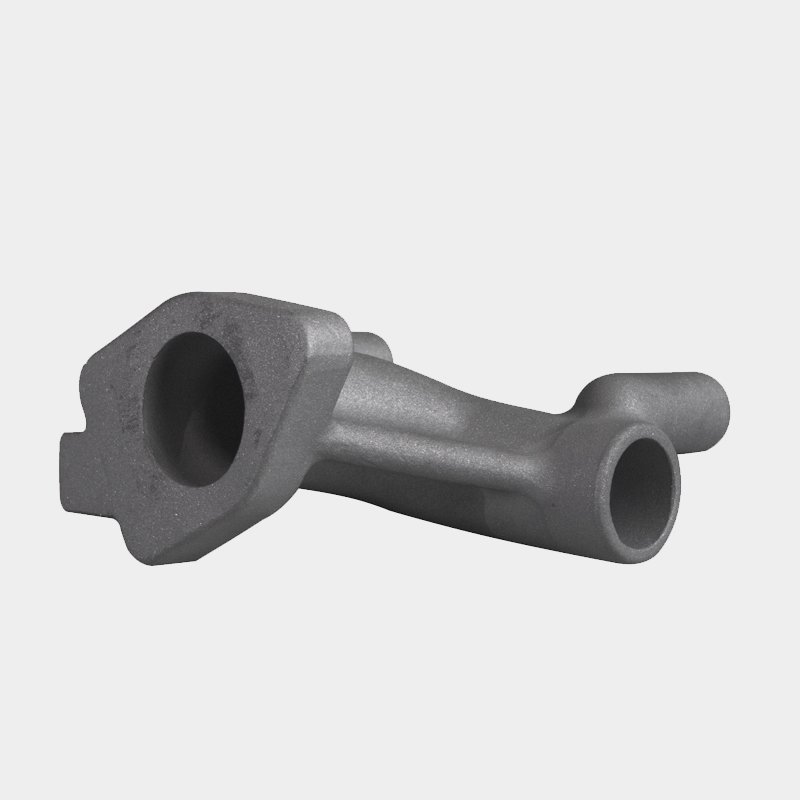
automotive metal parts manufacturing
Automotive metal parts manufacturing represents a critical sector within the global automotive industry, serving as the backbone for vehicle production and assembly operations worldwide. This specialized manufacturing process encompasses the design, engineering, production, and finishing of metal components that form essential structural and functional elements of modern vehicles. The industry employs advanced metalworking techniques including stamping, forging, casting, machining, and welding to transform raw metal materials into precision-engineered parts that meet stringent automotive standards. The main functions of automotive metal parts manufacturing extend across multiple vehicle systems, producing engine components, transmission parts, chassis elements, suspension systems, brake assemblies, exhaust components, and body panels. These manufactured parts must withstand extreme operating conditions while maintaining dimensional accuracy, structural integrity, and long-term durability throughout the vehicle lifecycle. Technological features distinguishing modern automotive metal parts manufacturing include computer-aided design systems, automated production lines, robotic welding stations, precision CNC machining centers, and advanced quality control methodologies. Manufacturers utilize high-strength steel alloys, aluminum alloys, magnesium composites, and specialized metal formulations to achieve optimal strength-to-weight ratios while reducing overall vehicle mass for improved fuel efficiency. The integration of Industry 4.0 technologies, including IoT sensors, real-time monitoring systems, and predictive maintenance algorithms, has revolutionized production efficiency and quality assurance protocols. Applications for automotive metal parts manufacturing span the entire automotive spectrum, from economy passenger vehicles to luxury automobiles, commercial trucks, buses, agricultural equipment, and specialized industrial vehicles. The sector supports both original equipment manufacturers and aftermarket suppliers, ensuring continuous availability of replacement components throughout vehicle operational lifespans. Environmental considerations have driven innovation toward sustainable manufacturing practices, incorporating recycled metal content, energy-efficient production methods, and waste reduction initiatives that minimize ecological impact while maintaining competitive production costs and delivery schedules.