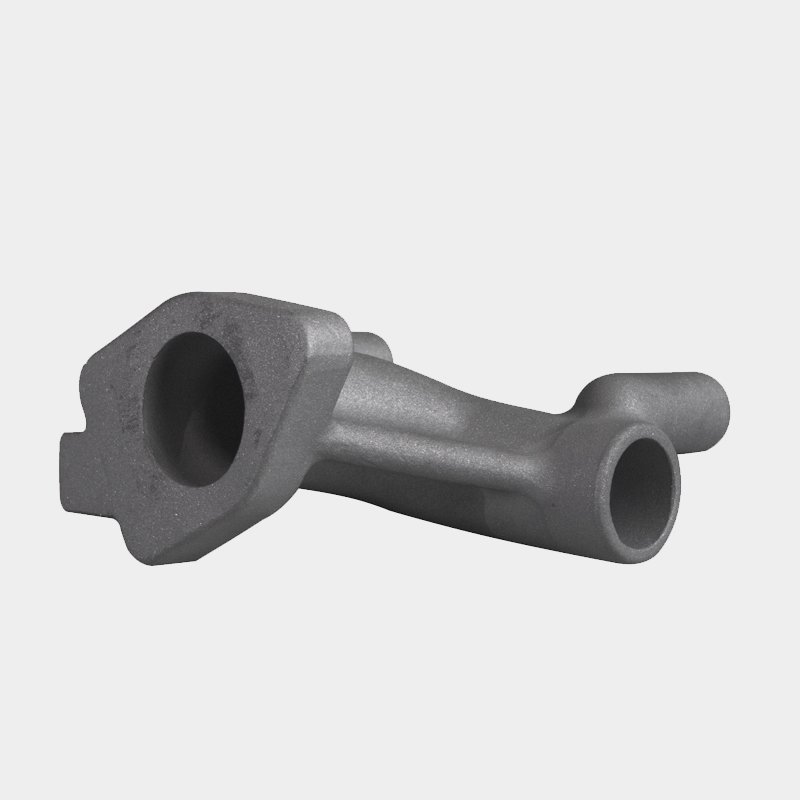
Automotive Metal Parts Manufacturing - Precision Components for Vehicle Performance and Safety

Get a Free Quote

Our representative will contact you soon.
Email
Name
Company Name
Message
0/1000

automotive metal parts manufacturing

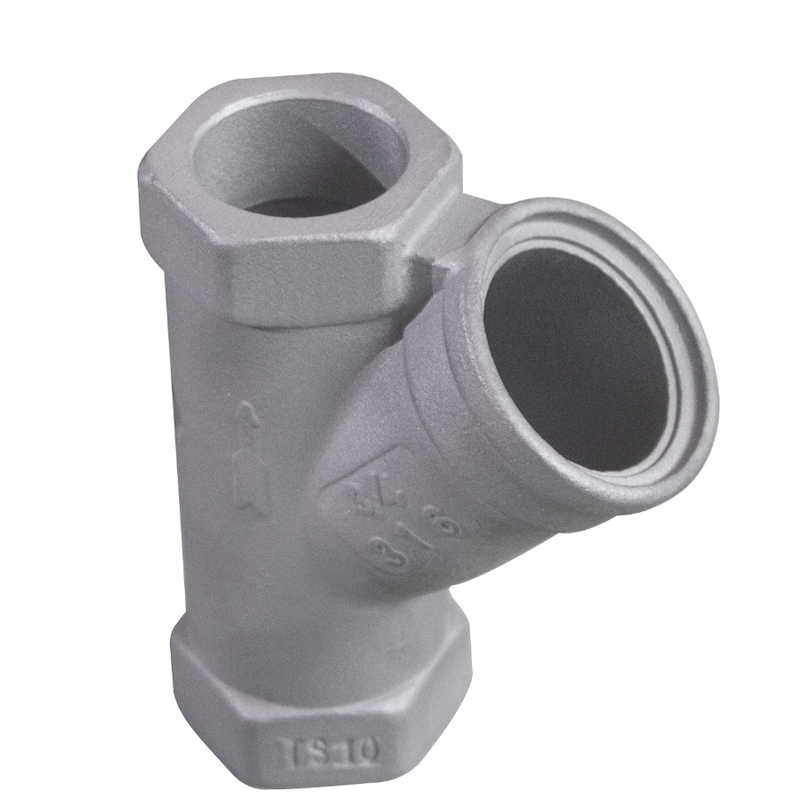
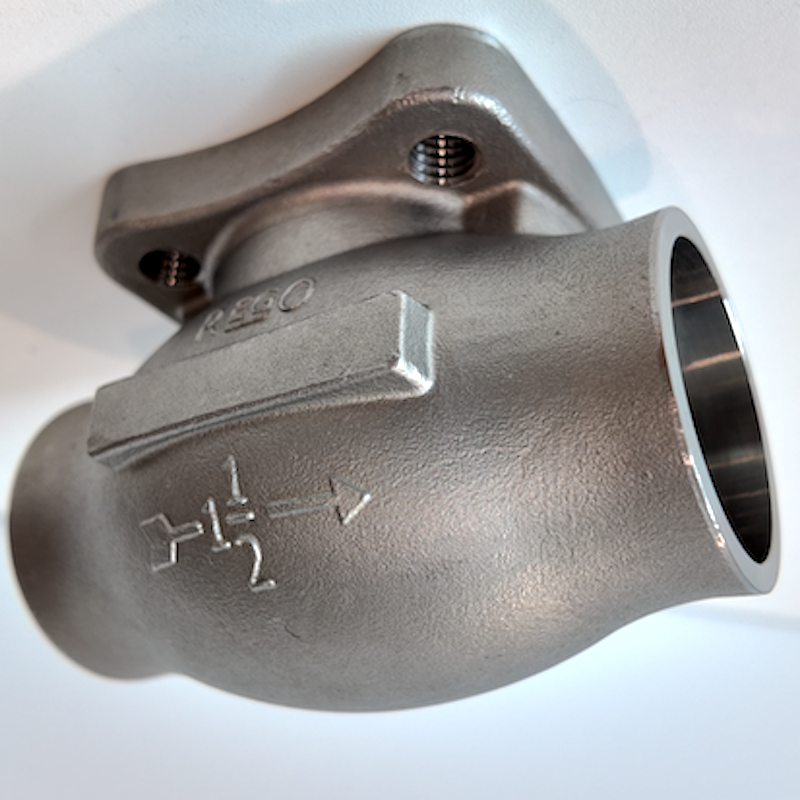
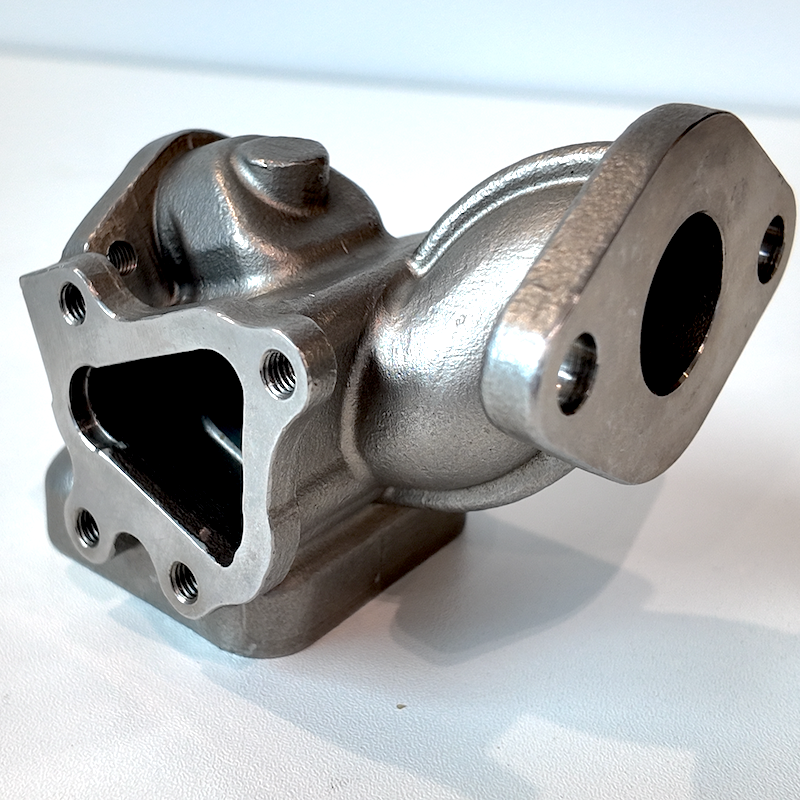
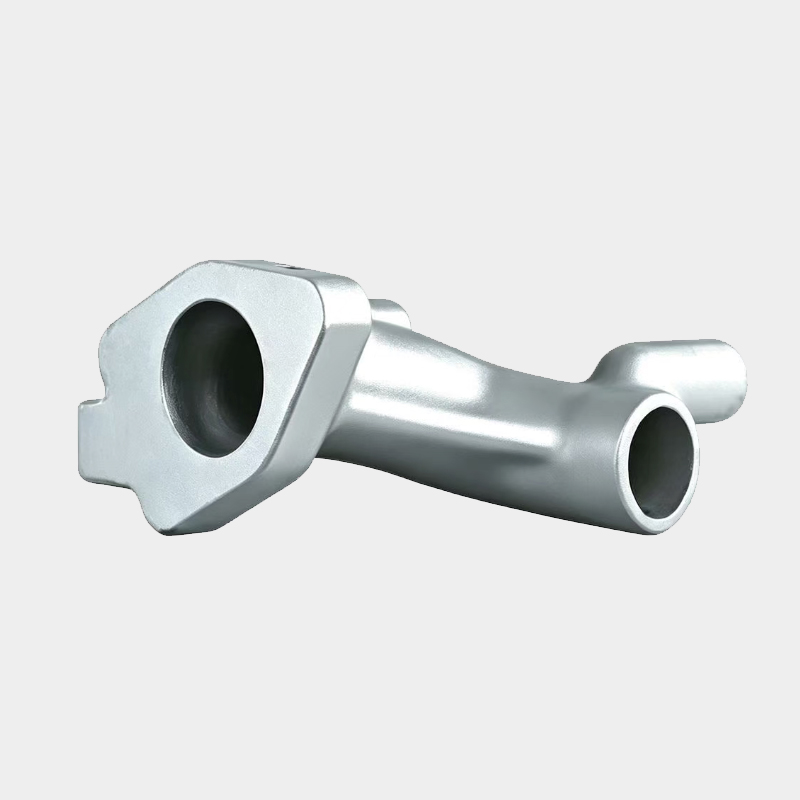
Automotive metal parts manufacturing represents a critical sector within the global automotive industry, serving as the backbone for vehicle production and assembly operations worldwide. This specialized manufacturing process encompasses the design, engineering, production, and finishing of metal components that form essential structural and functional elements of modern vehicles. The industry employs advanced metalworking techniques including stamping, forging, casting, machining, and welding to transform raw metal materials into precision-engineered parts that meet stringent automotive standards. The main functions of automotive metal parts manufacturing extend across multiple vehicle systems, producing engine components, transmission parts, chassis elements, suspension systems, brake assemblies, exhaust components, and body panels. These manufactured parts must withstand extreme operating conditions while maintaining dimensional accuracy, structural integrity, and long-term durability throughout the vehicle lifecycle. Technological features distinguishing modern automotive metal parts manufacturing include computer-aided design systems, automated production lines, robotic welding stations, precision CNC machining centers, and advanced quality control methodologies. Manufacturers utilize high-strength steel alloys, aluminum alloys, magnesium composites, and specialized metal formulations to achieve optimal strength-to-weight ratios while reducing overall vehicle mass for improved fuel efficiency. The integration of Industry 4.0 technologies, including IoT sensors, real-time monitoring systems, and predictive maintenance algorithms, has revolutionized production efficiency and quality assurance protocols. Applications for automotive metal parts manufacturing span the entire automotive spectrum, from economy passenger vehicles to luxury automobiles, commercial trucks, buses, agricultural equipment, and specialized industrial vehicles. The sector supports both original equipment manufacturers and aftermarket suppliers, ensuring continuous availability of replacement components throughout vehicle operational lifespans. Environmental considerations have driven innovation toward sustainable manufacturing practices, incorporating recycled metal content, energy-efficient production methods, and waste reduction initiatives that minimize ecological impact while maintaining competitive production costs and delivery schedules.

New Products

The automotive metal parts manufacturing sector delivers substantial practical benefits that directly impact vehicle performance, safety standards, and overall operational costs for end users. First and foremost, precision-manufactured metal components provide exceptional structural strength that protects vehicle occupants during collision scenarios while maintaining rigidity throughout normal driving conditions. This enhanced safety performance comes from carefully controlled metallurgical processes that ensure consistent material properties across every produced part, eliminating weak points that could compromise vehicle integrity. Cost efficiency represents another significant advantage, as modern manufacturing techniques enable mass production of components at competitive price points without sacrificing quality standards. Automated production lines reduce labor costs while increasing output volumes, allowing manufacturers to offer affordable pricing structures that benefit both automotive producers and consumers purchasing vehicles or replacement parts. The durability of properly manufactured metal components translates into extended service intervals and reduced maintenance requirements, saving vehicle owners substantial amounts in repair costs over time. Quality assurance protocols embedded throughout the manufacturing process guarantee dimensional accuracy within micrometer tolerances, ensuring perfect fitment during assembly operations and eliminating compatibility issues that could delay production schedules or create installation challenges. Advanced surface treatment technologies, including galvanization, powder coating, and specialized protective finishes, provide corrosion resistance that extends component lifespan even in harsh environmental conditions involving road salt, moisture exposure, and temperature extremes. The versatility of metal fabrication processes allows manufacturers to produce components in virtually any geometric configuration, accommodating complex design requirements that optimize aerodynamics, weight distribution, and functional performance. Supply chain reliability benefits from established manufacturing infrastructure and multiple sourcing options, reducing dependency risks and ensuring continuous parts availability for production lines and service networks. Environmental advantages emerge from the recyclability of metal materials, as components can be reclaimed and reprocessed at end-of-life without degrading material properties, supporting circular economy principles. Innovation capabilities within the manufacturing sector continuously improve production methodologies, introducing lighter alloys, stronger material compositions, and more efficient fabrication techniques that enhance vehicle performance characteristics while reducing fuel consumption and emissions output. Technical support services from experienced manufacturers assist automotive engineers in optimizing part designs for manufacturability, reducing development costs and accelerating time-to-market for new vehicle models and component upgrades.

Tips And Tricks

Basic Principles Of Design Of Precision Casting Gating System

11

May

Basic Principles Of Design Of Precision Casting Gating System

View More
Selection And Application Scope Of Hardness Tester

11

May

Selection And Application Scope Of Hardness Tester

View More
The Role Of Elements In Castings And The Order Of Addition

11

May

The Role Of Elements In Castings And The Order Of Addition

View More
Stainless Steel Castings for Architectural Posts

11

May

Stainless Steel Castings for Architectural Posts

View More

Get a Free Quote

Our representative will contact you soon.
Email
Name
Company Name
Message
0/1000

automotive metal parts manufacturing

Advanced Precision Engineering and Quality Control Systems

Advanced Precision Engineering and Quality Control Systems

The foundation of superior automotive metal parts manufacturing rests upon sophisticated precision engineering capabilities combined with comprehensive quality control systems that verify every component meets exacting specifications before delivery. Modern manufacturing facilities deploy state-of-the-art coordinate measuring machines, optical inspection systems, and automated testing equipment that examine dimensional accuracy, surface finish quality, material hardness, and structural integrity across statistically significant sample sizes throughout production runs. This meticulous attention to detail ensures that automotive metal parts manufacturing processes maintain consistency even during high-volume production scenarios where thousands of identical components are produced daily. Engineers utilize advanced simulation software to predict material behavior during forming operations, identifying potential defects before physical production begins and optimizing tooling designs to eliminate manufacturing challenges. The implementation of statistical process control methodologies enables real-time monitoring of critical parameters, triggering immediate corrective actions when measurements drift outside established tolerance bands. Quality management systems certified to international automotive standards provide documented evidence of compliance with industry requirements, giving customers confidence in component reliability and performance characteristics. Investment in precision tooling, including progressive dies, transfer presses, and specialized fixtures, ensures repeatable accuracy across millions of production cycles while minimizing tool wear that could degrade part quality. Metallurgical testing laboratories analyze material composition, grain structure, and mechanical properties to verify raw material quality before processing begins, preventing substandard materials from entering production streams. Non-destructive testing techniques, such as ultrasonic inspection, magnetic particle testing, and X-ray analysis, detect internal flaws invisible to visual examination, ensuring structural soundness in critical safety components. Traceability systems track individual parts from raw material receipt through final shipment, enabling rapid identification and isolation of any quality concerns that emerge during vehicle assembly or field operation. This comprehensive approach to precision engineering and quality assurance within automotive metal parts manufacturing delivers tangible value to customers through reduced warranty claims, improved vehicle reliability, and enhanced brand reputation built upon consistently superior component performance.
Innovative Material Selection and Processing Technologies

Innovative Material Selection and Processing Technologies

The automotive metal parts manufacturing industry distinguishes itself through strategic material selection processes and cutting-edge processing technologies that optimize component performance while addressing evolving industry demands for weight reduction, strength enhancement, and environmental sustainability. Manufacturers maintain extensive material libraries encompassing traditional steel grades, advanced high-strength steels, aluminum alloys with varying temper conditions, magnesium formulations, and specialty materials designed for specific applications requiring unique properties such as high-temperature resistance or exceptional formability. Material scientists collaborate with automotive engineers to identify optimal compositions that balance mechanical properties, manufacturing feasibility, cost considerations, and lifecycle environmental impact. Processing technologies employed in automotive metal parts manufacturing include hot stamping operations that achieve ultra-high strength levels through controlled heating and rapid quenching sequences, enabling production of components with tensile strengths exceeding 1500 megapascals while maintaining adequate ductility for energy absorption during impacts. Cold forming processes work-harden materials during shaping operations, increasing strength without thermal treatment while achieving excellent surface finishes suitable for visible applications. Hydroforming technologies use pressurized fluid to shape tubular components into complex cross-sections with variable wall thicknesses, reducing part counts and assembly complexity while improving structural efficiency. Aluminum casting foundries produce intricate geometries impossible to achieve through forming operations, creating lightweight components for engine blocks, transmission housings, and suspension elements that contribute significantly to overall vehicle mass reduction targets. Surface engineering treatments, including electroplating, thermal spraying, and chemical conversion coatings, modify surface properties to enhance wear resistance, reduce friction coefficients, or improve adhesion for subsequent finishing operations. Heat treatment processes precisely control material microstructure through carefully programmed heating and cooling cycles, achieving desired combinations of hardness, toughness, and fatigue resistance. Additive manufacturing technologies now complement traditional processes for prototype development and low-volume specialty components, enabling rapid design iterations and customization options previously impractical with conventional tooling investments. The integration of these diverse material options and processing capabilities within automotive metal parts manufacturing operations provides customers with comprehensive solutions tailored to specific performance requirements, weight targets, budget constraints, and production volume expectations, ultimately delivering optimized components that enhance vehicle competitiveness in demanding global markets.
Scalable Production Capacity and Supply Chain Integration

Scalable Production Capacity and Supply Chain Integration

A defining advantage of established automotive metal parts manufacturing operations lies in their scalable production capacity and seamless supply chain integration that accommodates fluctuating demand patterns while maintaining delivery reliability essential for just-in-time automotive assembly operations. Manufacturing facilities strategically located near major automotive production clusters minimize transportation costs and transit times, enabling responsive delivery schedules that align with customer production requirements without excessive inventory carrying costs. Flexible production systems incorporating quick-changeover tooling and modular equipment configurations allow manufacturers to adjust output volumes rapidly in response to market demand shifts, seasonal variations, or new model introductions without compromising efficiency or quality standards. Capacity planning methodologies balance equipment utilization, workforce allocation, and material procurement to optimize throughput while maintaining buffer capacity for unexpected demand surges or supply disruptions affecting alternative suppliers. Vertical integration strategies employed by leading manufacturers encompass raw material processing, component fabrication, surface treatment, assembly operations, and packaging services within consolidated facilities, reducing dependency on external suppliers and providing greater control over quality consistency and delivery schedules. Strategic partnerships with material suppliers, logistics providers, and technology vendors create resilient supply networks capable of weathering economic uncertainties and geopolitical challenges that could disrupt global automotive production. Digital supply chain management systems provide real-time visibility into inventory levels, production status, and shipment tracking, enabling proactive communication with customers regarding order fulfillment and facilitating collaborative planning for future requirements. Vendor-managed inventory programs place manufacturer personnel at customer facilities to monitor consumption patterns and automatically trigger replenishment orders, eliminating stockouts while minimizing customer inventory investments. Geographic diversification of manufacturing assets across multiple regions provides risk mitigation against localized disruptions while offering customers sourcing flexibility to optimize logistics costs and navigate trade regulations. Continuous improvement initiatives focused on lean manufacturing principles systematically eliminate waste from production processes, reducing cycle times and improving resource utilization to enhance competitiveness. The combination of scalable capacity, integrated operations, and sophisticated supply chain management within automotive metal parts manufacturing delivers critical value to automotive producers through reliable component availability, responsive service levels, and cost-effective solutions that support their competitive positioning in global vehicle markets while accommodating the dynamic nature of automotive industry demand patterns.

Get a Free Quote

Our representative will contact you soon.
Email
Name
Company Name
Message
0/1000