precisionstöpningar för bilar
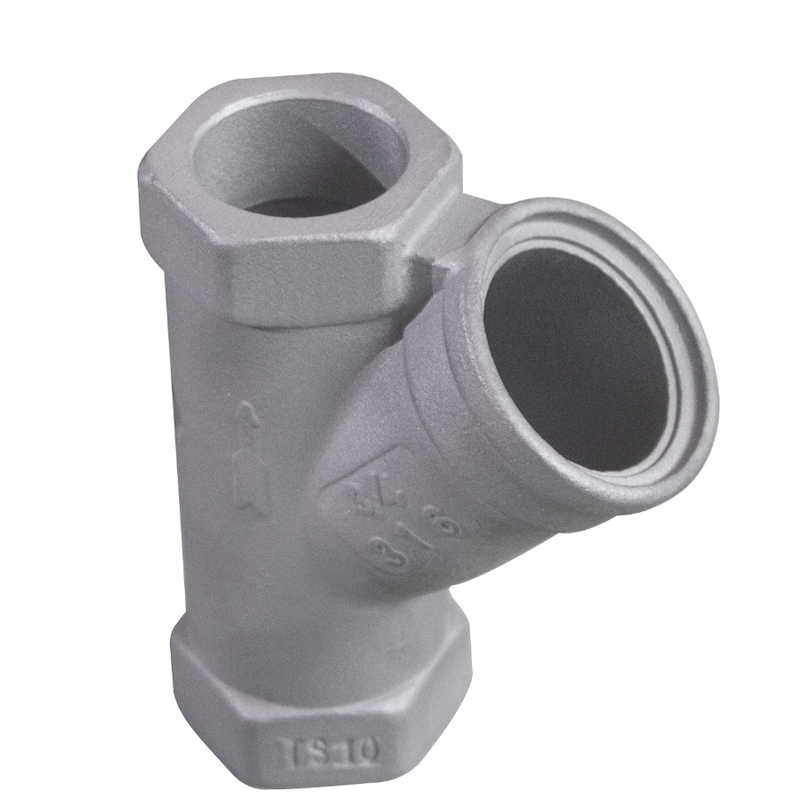
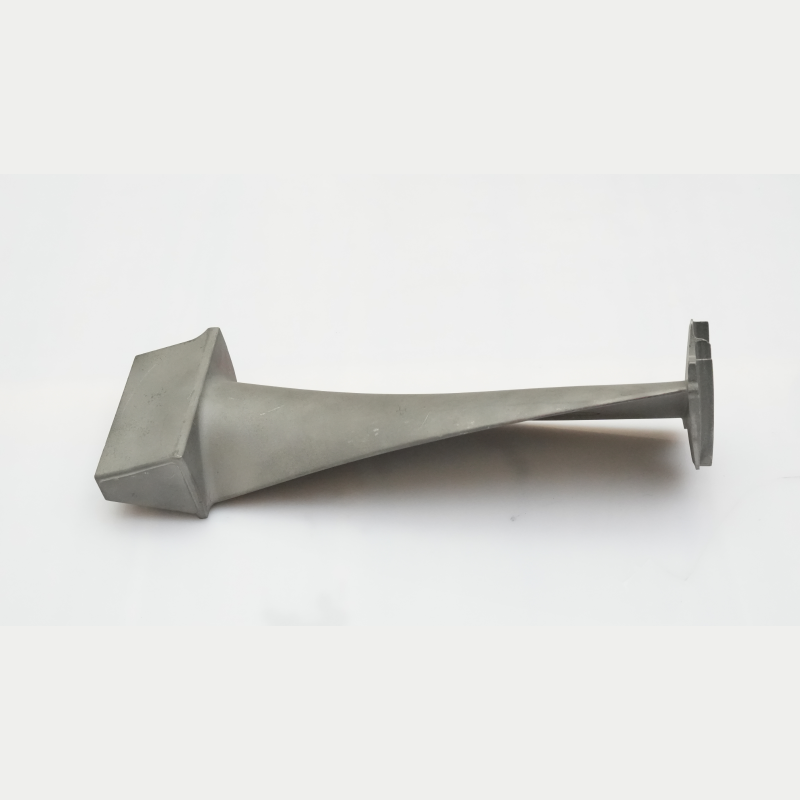
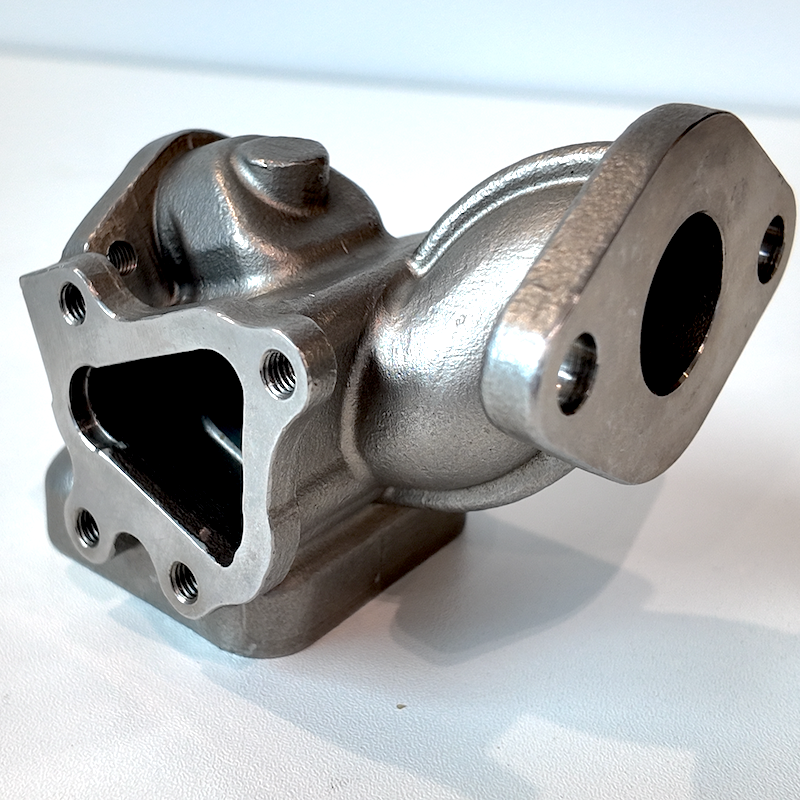
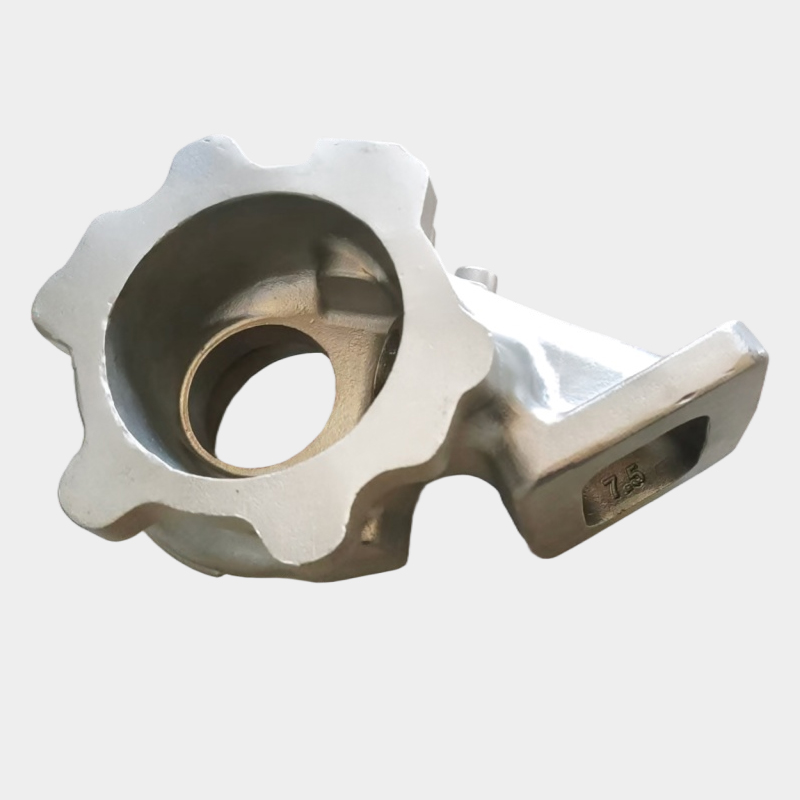
Precisiongjutna halvfabrikat för bilar utgör en grundpelare inom modern fordonstillverkning och levererar komponenter av exceptionell kvalitet som uppfyller de stränga kraven i dagens bilindustri. Dessa specialiserade halvfabrikat tillverkas genom avancerade gjutprocesser som uppnår anmärkningsvärd målnoggrannhet och ytkvalitet, vilket gör dem idealiska för kritiska automotivapplikationer. De främsta funktionerna hos precisiongjutna halvfabrikat för bilar är att fungera som nästan färdiga komponenter som kräver minimal bearbetning, minska materialspill och möjliggöra komplexa geometrier som skulle vara svåra eller omöjliga att uppnå med traditionella tillverkningsmetoder. De teknologiska egenskaperna hos dessa halvfabrikat omfattar överlägsna metallurgiska egenskaper, strikt toleranskontroll – vanligtvis inom intervallet 0,1–0,3 mm – samt möjligheten att framställa intrikata interna kanaler och yttre detaljer i en enda gjutoperation. Dessa halvfabrikat används omfattande i flera bilsystem, inklusive motorkomponenter såsom cylinderhuvuden, turbohusen och ventilkroppar, växellådsdelar såsom växellådshus och kopplingskomponenter, upphängningssystemelement inklusive styrlänkar och styrsaxar samt bromssystemkomponenter såsom bromskalor och huvudcylindrar. Den precisiongjutprocess som används vid tillverkning av dessa halvfabrikat utnyttjar investeringsgjutning eller lost-wax-teknik (vaxmodellgjutning), vilket möjliggör exceptionell designflexibilitet och framställning av komponenter med komplexa tredimensionella former. Materialvalet för precisiongjutna halvfabrikat för bilar omfattar ett brett spektrum, inklusive aluminiumlegeringar för lättviktsapplikationer, rostfritt stål för korrosionsbeständighet, kolstål för hög hållfasthet samt speciallegeringar för högtemperaturmiljöer. Tillverkningsprocessen säkerställer konsekvent kvalitet genom kontrollerad stelningsprocess, minimal porositet och förfinade kornstrukturer som förbättrar mekaniska egenskaper och slitstyrka under krävande automotivdriftsförhållanden.

 EN
EN