Precision Casting Blanks for Automotive - High-Quality Components for Modern Vehicles

Get a Free Quote

Our representative will contact you soon.
Email
Name
Company Name
Message
0/1000

precision casting blanks for automotive

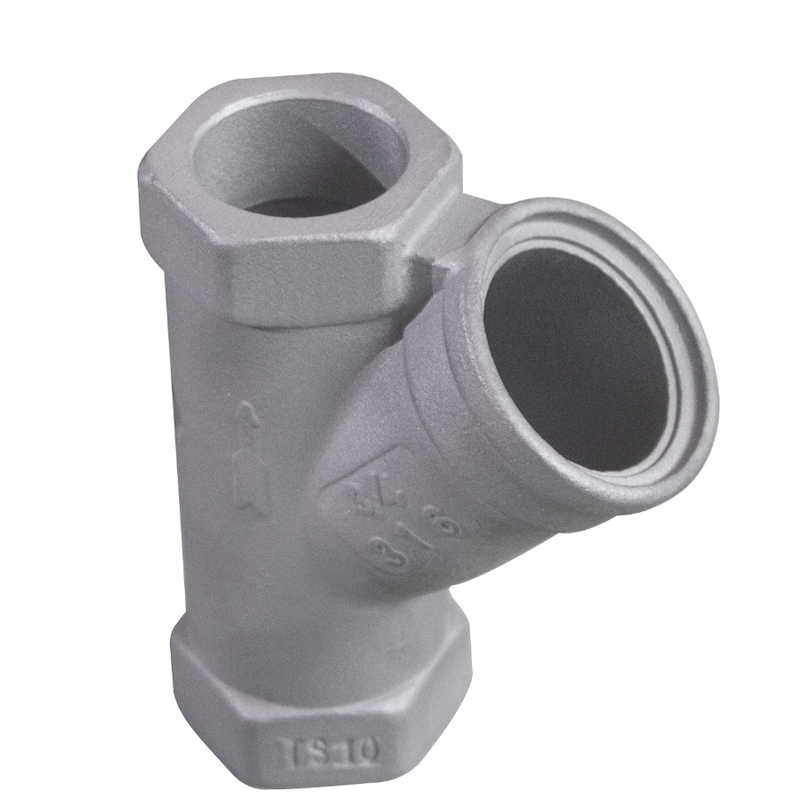
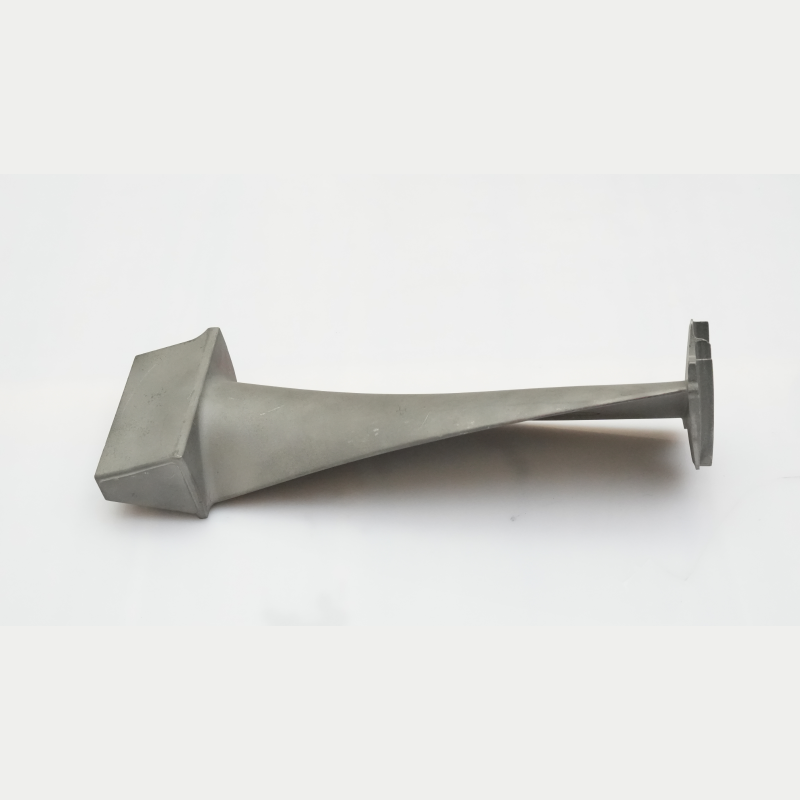
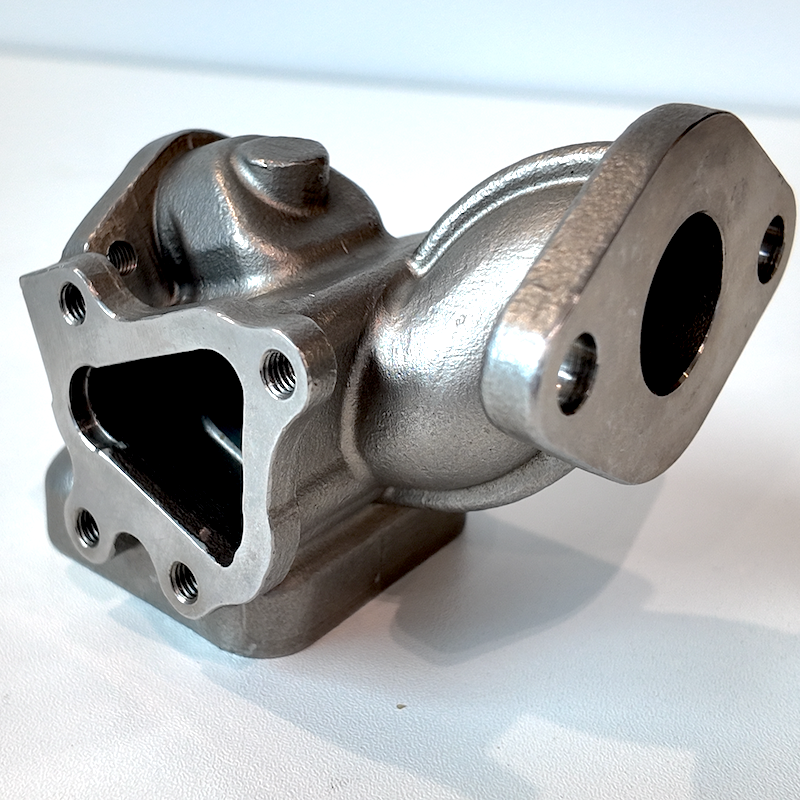
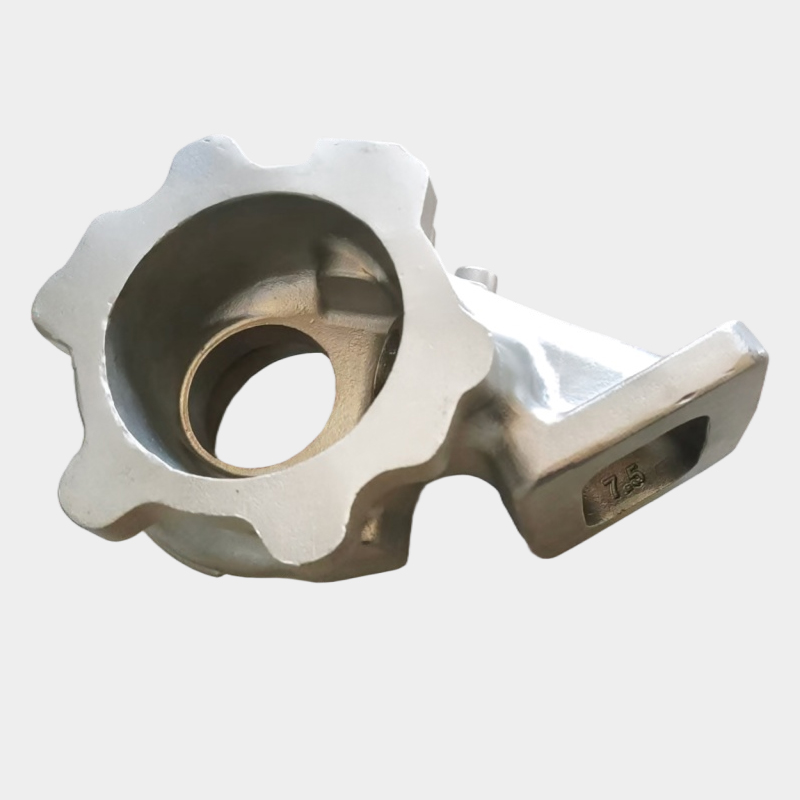
Precision casting blanks for automotive represent a critical manufacturing solution that transforms molten metal into near-net-shape components through advanced foundry techniques. These specialized blanks serve as essential building blocks for various vehicle systems, offering manufacturers a reliable pathway to produce complex geometries that would be difficult or impossible to achieve through conventional machining alone. The precision casting process utilizes carefully controlled methods such as investment casting, lost-wax casting, and ceramic mold casting to create blanks with exceptional dimensional accuracy and surface finish quality. Automotive manufacturers rely on precision casting blanks for automotive to produce critical components including engine parts, transmission housings, suspension components, brake system elements, and structural supports. The technological foundation of these blanks combines metallurgical expertise with sophisticated pattern-making, mold preparation, and thermal management protocols. Modern precision casting blanks for automotive benefit from computer-aided design integration, simulation software that predicts material flow and solidification patterns, and quality control systems that ensure consistent results across production runs. These blanks accommodate a wide range of materials including aluminum alloys, steel grades, stainless steel variants, and specialized metal compositions tailored to specific performance requirements. The casting process begins with creating precise patterns, followed by mold assembly, metal pouring at controlled temperatures, solidification monitoring, and careful extraction of the finished blank. This methodology produces components with minimal material waste, reduced secondary machining requirements, and excellent mechanical properties that meet stringent automotive industry standards. Precision casting blanks for automotive enable manufacturers to consolidate multiple parts into single castings, reducing assembly complexity and improving overall vehicle reliability. The versatility of this manufacturing approach supports both high-volume production scenarios and specialized low-volume applications, making it indispensable across the automotive sector from economy vehicles to luxury automobiles and performance racing applications.

New Product Recommendations

Precision casting blanks for automotive deliver substantial cost savings by minimizing material waste and reducing the need for extensive secondary machining operations. Traditional manufacturing methods often require removing significant amounts of material from solid stock, whereas precision casting creates components that closely match final dimensions from the outset. This near-net-shape capability means manufacturers spend less on raw materials and consume fewer resources during finishing operations. The process allows engineers to design components with intricate internal passages, complex external geometries, and integrated features that would require multiple separate parts using other manufacturing methods. By consolidating several components into a single casting, manufacturers reduce assembly time, eliminate potential failure points at joints, and improve overall structural integrity. Weight reduction represents another compelling advantage, as precision casting blanks for automotive enable designers to optimize material placement, creating strong structures with minimal mass. Lighter vehicles consume less fuel, produce fewer emissions, and offer better performance characteristics, making these blanks essential for meeting modern efficiency standards. The flexibility of precision casting accommodates rapid design iterations and prototype development, allowing automotive engineers to test new concepts without investing in expensive tooling for traditional manufacturing processes. Quality consistency across production runs ensures that every blank meets exact specifications, reducing rejection rates and maintaining reliable supply chains. The smooth surface finishes achieved through precision casting often eliminate or minimize the need for additional surface treatments, further reducing manufacturing costs and production time. These blanks demonstrate excellent mechanical properties including high strength-to-weight ratios, superior fatigue resistance, and predictable performance under stress. Manufacturers benefit from shorter lead times compared to forging or extensive machining operations, enabling faster response to market demands and design modifications. The process supports sustainability initiatives by generating less scrap material, consuming less energy during production, and creating durable components that extend vehicle service life. Precision casting blanks for automotive accommodate various alloy compositions, allowing engineers to select materials optimized for specific applications whether prioritizing corrosion resistance, high-temperature performance, or maximum strength. The technology scales efficiently from prototype quantities to mass production volumes, providing consistent quality regardless of order size and supporting both established automotive manufacturers and emerging electric vehicle producers seeking innovative component solutions.

Tips And Tricks

Selection And Application Scope Of Hardness Tester

11

May

Selection And Application Scope Of Hardness Tester

View More
The Role Of Elements In Castings And The Order Of Addition

11

May

The Role Of Elements In Castings And The Order Of Addition

View More
Stainless Steel Castings for Architectural Posts

11

May

Stainless Steel Castings for Architectural Posts

View More
Stainless Steel Castings for Building Facade Systems

11

May

Stainless Steel Castings for Building Facade Systems

View More

Get a Free Quote

Our representative will contact you soon.
Email
Name
Company Name
Message
0/1000

precision casting blanks for automotive

Superior Dimensional Accuracy and Complex Geometry Capabilities

Superior Dimensional Accuracy and Complex Geometry Capabilities

Precision casting blanks for automotive excel at delivering exceptional dimensional accuracy that significantly reduces post-casting machining requirements and ensures components fit perfectly within tight automotive assembly tolerances. This manufacturing approach achieves tolerances that typically range from plus or minus 0.005 inches to 0.010 inches depending on component size and complexity, far exceeding the capabilities of sand casting and approaching the precision of machined parts. The ability to cast complex geometries in a single operation represents a transformative advantage for automotive designers who can now incorporate intricate internal cooling channels, integrated mounting features, optimized material distribution, and organic shapes that enhance both functionality and aesthetics. Traditional manufacturing methods would require multiple operations, extensive machining, or assembly of numerous separate pieces to achieve similar results, increasing costs and introducing potential failure points. Precision casting blanks for automotive enable engineers to design components with undercuts, varying wall thicknesses, internal cavities, and three-dimensional curves that optimize stress distribution and minimize weight. This geometric freedom supports innovative engineering solutions such as integrated heat exchangers within engine components, lightweight structural members with internal reinforcement patterns, and aerodynamic shapes that improve vehicle efficiency. The process maintains consistent dimensions across large production runs, ensuring interchangeability of parts and reducing assembly complications on production lines. Advanced pattern-making technologies including 3D printing and CNC machining create master patterns with extreme precision, which translates directly to the final casting dimensions. The ceramic shell molding process used in investment casting captures fine surface details and maintains dimensional stability during the high-temperature metal pouring and solidification phases. Sophisticated thermal management during cooling prevents distortion and ensures the blank retains its intended shape and dimensions. Quality control systems including coordinate measuring machines and optical scanning verify that each precision casting blank for automotive meets specifications before proceeding to any secondary operations. This dimensional reliability reduces assembly time, eliminates fitment issues, and contributes to overall vehicle quality. Manufacturers appreciate how these blanks arrive ready for minimal finishing work, allowing production schedules to remain predictable and efficient while maintaining the exacting standards required for modern automotive applications.
Enhanced Material Properties and Performance Characteristics

Enhanced Material Properties and Performance Characteristics

Precision casting blanks for automotive deliver superior material properties and performance characteristics that result from controlled solidification processes and optimized metallurgical structures. The casting methodology allows molten metal to fill mold cavities completely and solidify under carefully managed thermal conditions, producing components with uniform grain structures, minimal internal defects, and predictable mechanical properties throughout the entire part. This controlled solidification process eliminates common casting flaws such as porosity, inclusions, and shrinkage cavities that compromise structural integrity and reduce component lifespan. The result is precision casting blanks for automotive that exhibit excellent tensile strength, fatigue resistance, and impact toughness suitable for demanding automotive applications. Components produced through precision casting withstand extreme operating conditions including high temperatures in engine compartments, cyclical stresses in suspension systems, and corrosive environments encountered during vehicle operation. The process accommodates a comprehensive range of automotive-grade alloys including aluminum-silicon alloys for lightweight engine components, ductile iron for high-strength structural parts, stainless steel for corrosion-resistant exhaust components, and specialized alloys for performance applications. Each material selection can be optimized for specific property requirements such as thermal conductivity, wear resistance, or vibration damping. Heat treatment processes applied after casting further enhance material properties, allowing manufacturers to achieve desired hardness levels, improve ductility, or relieve internal stresses. Precision casting blanks for automotive demonstrate consistent quality across production batches because the process parameters remain tightly controlled, ensuring every component meets specification requirements. The fine-grained microstructure resulting from rapid solidification in ceramic molds provides superior mechanical properties compared to coarser structures found in conventional sand castings. This metallurgical advantage translates to longer component service life, reduced warranty claims, and enhanced vehicle reliability. Engineers can confidently design components to operate near material limits, knowing that precision casting blanks for automotive will perform predictably under stress. The process also enables casting of thin-wall sections that maintain structural integrity while reducing overall component weight, supporting fuel efficiency initiatives without compromising safety or durability. Quality assurance protocols including non-destructive testing methods such as X-ray inspection, ultrasonic examination, and dye penetrant testing verify internal soundness and surface integrity, providing additional confidence in component reliability for critical automotive applications.
Cost Efficiency Through Manufacturing Optimization

Cost Efficiency Through Manufacturing Optimization

Precision casting blanks for automotive provide remarkable cost efficiency by optimizing the entire manufacturing value chain from initial material usage through final assembly integration. The near-net-shape nature of precision casting means components require minimal material removal during finishing operations, dramatically reducing raw material costs compared to subtractive manufacturing approaches that machine away substantial portions of metal stock. This material efficiency becomes particularly significant when working with expensive alloys or when producing large quantities of components, as the accumulated savings multiply across production volumes. Manufacturers reduce tooling investments because precision casting blanks for automotive eliminate the need for multiple machining setups, specialized fixtures, and extensive cutting tool inventories. A single casting operation creates complex features that would otherwise require drilling, milling, boring, and grinding operations, each demanding separate equipment, skilled operators, and quality control checkpoints. The consolidated manufacturing approach shortens production cycles, reduces handling between operations, and minimizes work-in-progress inventory. Labor costs decrease substantially because precision casting blanks for automotive arrive at assembly facilities requiring only minor finishing touches rather than extensive machining interventions. Production schedules become more predictable and manageable when components flow through fewer manufacturing steps, improving overall operational efficiency and reducing the risk of bottlenecks. The process generates minimal scrap material during production, contributing to both cost savings and environmental sustainability objectives. Secondary operations when needed typically involve simple machining of critical mating surfaces or drilling of final-dimension holes, operations that require far less time and generate far less waste than creating entire components from solid stock. Precision casting blanks for automotive support design consolidation strategies where engineers combine multiple parts into single integrated castings, eliminating assembly operations, reducing part counts, and simplifying inventory management. These consolidated designs reduce the number of fasteners, joints, and potential failure points, lowering both manufacturing complexity and long-term maintenance requirements. Energy consumption per component decreases because casting processes, while energy-intensive, produce finished shapes more efficiently than sequential machining operations that consume power across multiple stations. The longer tool life in finishing operations results from reduced cutting requirements, lowering consumable costs and machine downtime for tool changes. Precision casting blanks for automotive enable manufacturers to respond quickly to design modifications because pattern changes are more economical than retooling entire machining lines, supporting agile product development and faster time-to-market for new vehicle models or component improvements.

Get a Free Quote

Our representative will contact you soon.
Email
Name
Company Name
Message
0/1000