Premium Precision Casting Blanks for Automotive - High-Performance Components for Vehicle Manufacturing

Get a Free Quote

Our representative will contact you soon.
Email
Name
Mobile
Company Name
Message
0/1000

precision casting blanks for automotive

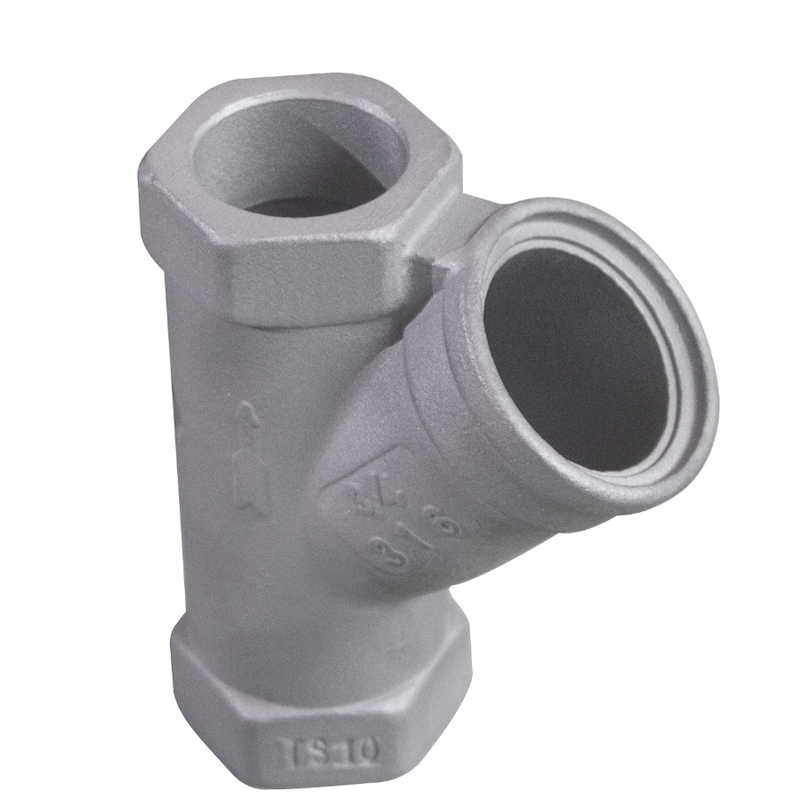
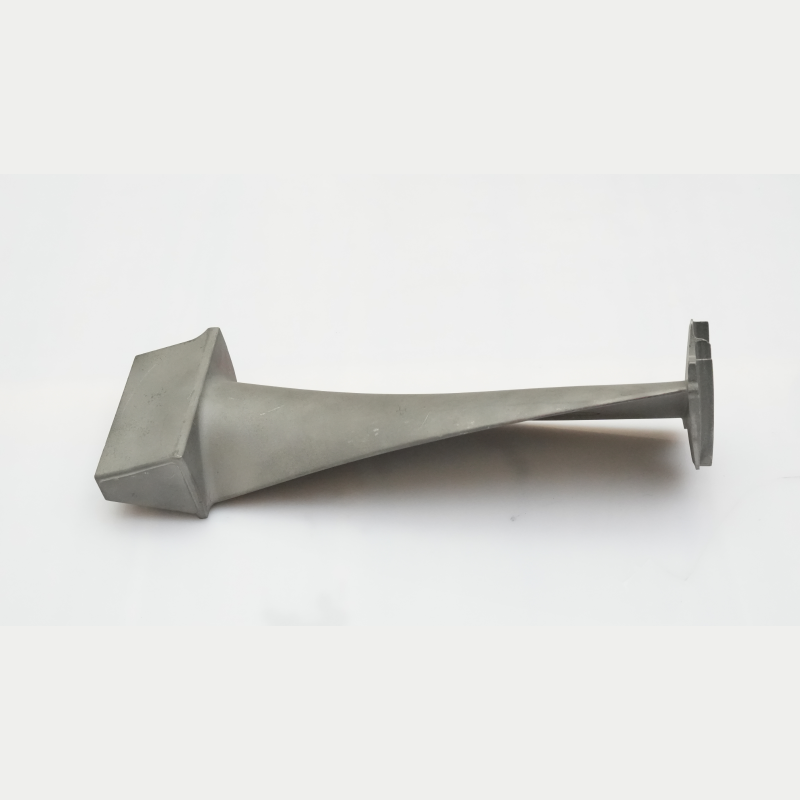
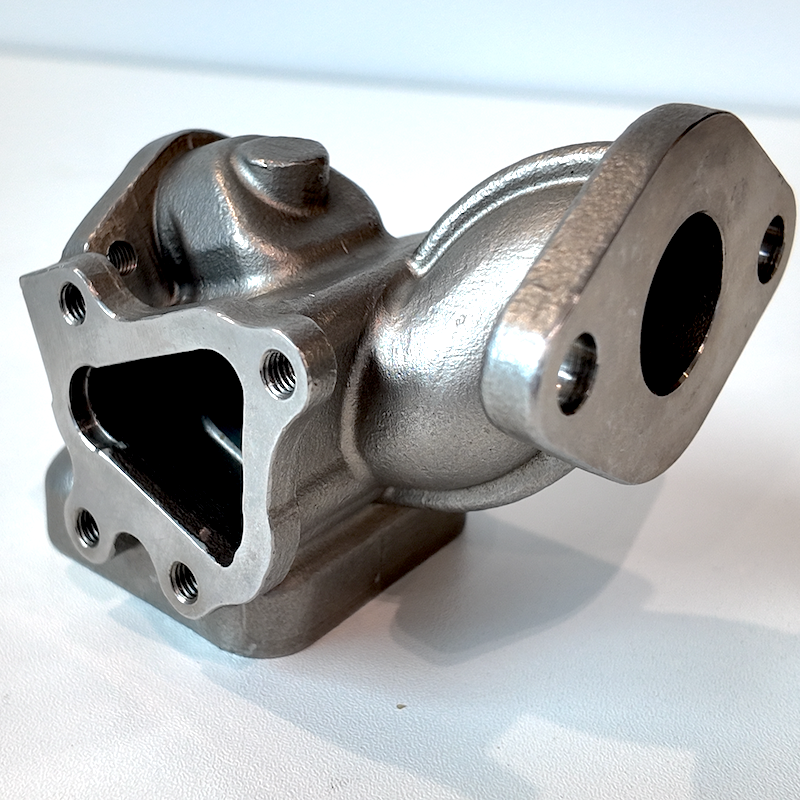
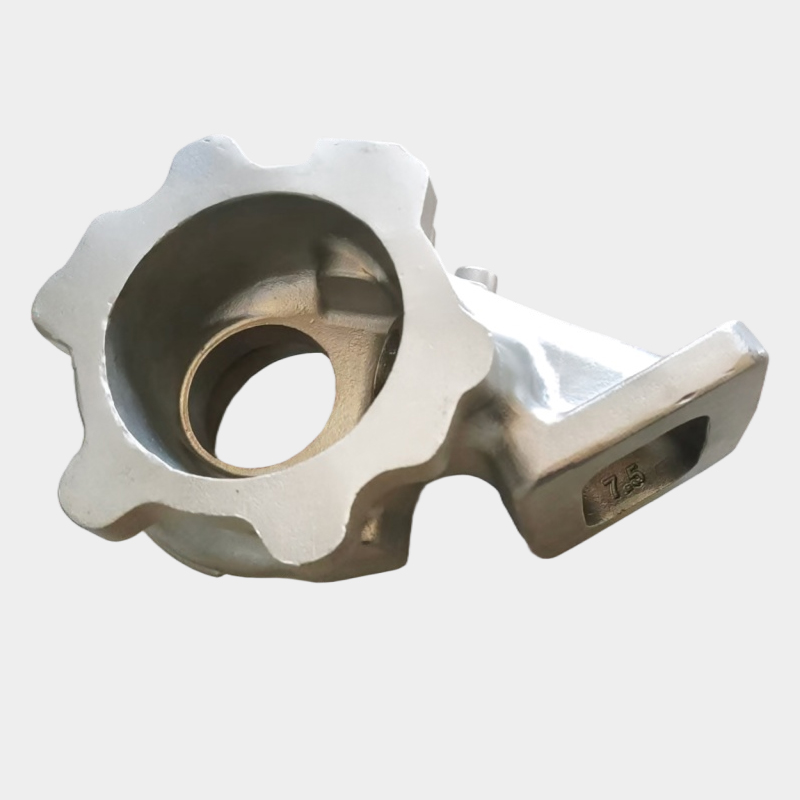
Precision casting blanks for automotive represent a cornerstone of modern vehicle manufacturing, delivering exceptional quality components that meet the rigorous demands of today's automotive industry. These specialized blanks are produced through advanced casting processes that achieve remarkable dimensional accuracy and surface finish quality, making them ideal for critical automotive applications. The main functions of precision casting blanks for automotive include serving as near-net-shape components that require minimal machining, reducing material waste, and providing complex geometries that would be difficult or impossible to achieve through traditional manufacturing methods. The technological features of these blanks encompass superior metallurgical properties, tight tolerance control typically within 0.1mm to 0.3mm, and the ability to produce intricate internal passages and external features in a single casting operation. These blanks find extensive applications across multiple automotive systems, including engine components such as cylinder heads, turbocharger housings, and valve bodies, transmission parts like gear housings and clutch components, suspension system elements including control arms and steering knuckles, and braking system components such as caliper bodies and master cylinder housings. The precision casting process employed in manufacturing these blanks utilizes investment casting or lost-wax techniques, allowing for exceptional design flexibility and the production of components with complex three-dimensional shapes. Material selection for precision casting blanks for automotive spans a wide range, including aluminum alloys for lightweight applications, stainless steel for corrosion resistance, carbon steel for strength requirements, and specialized alloys for high-temperature environments. The manufacturing process ensures consistent quality through controlled solidification, minimal porosity, and refined grain structures that enhance mechanical properties and durability in demanding automotive operating conditions.

New Product Releases

The advantages of precision casting blanks for automotive deliver tangible benefits that directly impact manufacturing efficiency and product quality. First, these blanks significantly reduce production costs by minimizing the amount of machining required to achieve final component specifications. Traditional manufacturing methods often start with solid blocks of material that require extensive cutting and shaping, wasting valuable raw materials and consuming considerable machining time. Precision casting blanks for automotive arrive in near-final shapes, cutting material waste by up to seventy percent and reducing machining operations by half or more. This translates into lower material expenses and reduced labor costs for manufacturers. Second, the casting process enables designers to create components with complex internal structures and external geometries that enhance vehicle performance. Automotive engineers can incorporate features like internal cooling channels, optimized wall thickness variations, and integrated mounting points directly into the casting design. This design freedom leads to lighter components that improve fuel efficiency without sacrificing structural integrity or safety. Third, precision casting blanks for automotive offer superior material properties through controlled solidification processes. The casting methodology produces fine-grained microstructures with uniform density throughout the component, resulting in enhanced mechanical strength, better fatigue resistance, and improved reliability over the vehicle's lifetime. Fourth, manufacturers benefit from faster production cycles because precision casting blanks for automotive eliminate multiple manufacturing steps. Components can move from design to finished parts more quickly, accelerating time-to-market for new vehicle models and reducing inventory carrying costs. Fifth, these blanks provide excellent surface finish quality straight from the casting process, often requiring only minimal surface preparation before final machining or assembly. This reduces finishing operations and associated costs while maintaining the high aesthetic and functional standards expected in automotive applications. Sixth, the versatility of precision casting blanks for automotive allows manufacturers to produce both high-volume components and specialized low-volume parts using the same fundamental process, providing flexibility to meet diverse market demands. Finally, environmental benefits emerge from reduced material waste, lower energy consumption during manufacturing, and the ability to use recycled materials in many casting alloys, aligning with the automotive industry's increasing focus on sustainability and environmental responsibility.

Latest News

How Should Buyers Choose a Reliable Medium Temperature Wax Casting Service Provider?

26

Jun

How Should Buyers Choose a Reliable Medium Temperature Wax Casting Service Provider?

Selecting the right manufacturing partner for medium temperature wax casting is one of the most consequential decisions a procurement professional or product engineer can make. The process, which involves injecting wax into precision dies at carefull...
View More
How Can OEM ODM Precision Casting Services Accelerate New Product Development Cycles?

26

Jun

How Can OEM ODM Precision Casting Services Accelerate New Product Development Cycles?

Bringing a new industrial product from concept to market is rarely a straightforward journey. Engineering teams face relentless pressure to compress timelines, reduce prototype iterations, and deliver production-ready components without sacrificing d...
View More
What Should Global Buyers Expect from OEM ODM Precision Casting Services Suppliers?

05

Jun

What Should Global Buyers Expect from OEM ODM Precision Casting Services Suppliers?

For global buyers sourcing complex metal components, selecting a reliable partner for oem odm precision casting services is one of the most consequential procurement decisions in a production cycle. The stakes are high: dimensional inaccuracies, inco...
View More
Why Are Stainless Steel Investment Castings Preferred for Corrosion Resistant Applications?

26

Jun

Why Are Stainless Steel Investment Castings Preferred for Corrosion Resistant Applications?

In demanding industrial environments where moisture, chemicals, and extreme temperatures are constant threats, material selection is one of the most critical engineering decisions a manufacturer can make. Among the available manufacturing methods, st...
View More

Get a Free Quote

Our representative will contact you soon.
Email
Name
Mobile
Company Name
Message
0/1000

precision casting blanks for automotive

Exceptional Dimensional Accuracy and Consistency

Exceptional Dimensional Accuracy and Consistency

Precision casting blanks for automotive stand out in the manufacturing landscape due to their exceptional dimensional accuracy and remarkable consistency across production runs. This critical advantage stems from the sophisticated casting processes employed, which utilize precision-engineered molds and carefully controlled cooling parameters to ensure every blank meets exacting specifications. The dimensional accuracy achievable with precision casting blanks for automotive typically falls within tolerances of plus or minus 0.1mm to 0.3mm, depending on the component size and complexity. This level of precision means that manufacturers receive blanks that closely match the final component geometry, requiring only minimal machining to achieve finished dimensions. The consistency benefit extends beyond individual components to entire production batches, as modern casting facilities employ advanced process control systems that monitor temperature, pressure, and timing parameters throughout the casting cycle. This systematic approach eliminates the variations that plague less controlled manufacturing methods, ensuring that every precision casting blank for automotive performs identically in its intended application. For automotive manufacturers, this consistency translates into simplified quality control procedures, reduced inspection time, and greater confidence in component performance. The dimensional stability of these blanks also remains excellent throughout subsequent processing steps, as the casting process relieves internal stresses that might otherwise cause distortion during machining. Engineers appreciate how precision casting blanks for automotive maintain their geometric relationships between features, preserving critical mounting surfaces, bore alignments, and interface dimensions that ensure proper assembly and function. This dimensional reliability proves particularly valuable in safety-critical applications like steering and braking systems, where component variations could compromise vehicle safety. The economic benefits of this accuracy and consistency compound over large production volumes, as manufacturers experience fewer rejected parts, reduced rework requirements, and improved overall equipment effectiveness. Quality management systems benefit from the predictable nature of precision casting blanks for automotive, allowing statistical process control methods to identify potential issues before they affect production quality.
Enhanced Material Properties and Structural Integrity

Enhanced Material Properties and Structural Integrity

Precision casting blanks for automotive deliver enhanced material properties and structural integrity that exceed those achievable through many alternative manufacturing processes. The casting methodology creates components with superior metallurgical characteristics through controlled solidification and refined microstructures that optimize mechanical performance. When molten metal fills the precision mold cavities, carefully managed cooling rates allow the formation of fine, uniform grain structures throughout the component. These refined microstructures in precision casting blanks for automotive provide excellent tensile strength, superior fatigue resistance, and enhanced ductility compared to components produced from wrought materials or cruder casting methods. The structural integrity benefits extend to the elimination of internal defects that could compromise component reliability. Modern casting facilities employ vacuum-assisted or pressure-assisted casting techniques that minimize porosity, shrinkage cavities, and gas inclusions within precision casting blanks for automotive. This defect-free internal structure ensures that components can withstand the demanding operating conditions found in automotive applications, including high temperatures, vibration, impact loads, and corrosive environments. Material selection flexibility represents another dimension of the enhanced properties available with precision casting blanks for automotive. Manufacturers can specify alloys optimized for specific applications, choosing aluminum alloys for lightweight components that reduce vehicle mass and improve fuel economy, stainless steel alloys for parts requiring corrosion resistance in harsh environments, or specialized high-temperature alloys for engine components exposed to extreme thermal conditions. The casting process accommodates these diverse materials while maintaining the same fundamental manufacturing approach, providing consistency across different alloy families. Heat treatment processes further enhance the properties of precision casting blanks for automotive, as the uniform composition and structure of cast components respond predictably to thermal processing. Solution treating, aging, and stress-relieving operations can be precisely controlled to achieve target hardness levels, optimize strength-to-weight ratios, and maximize component durability. Testing and validation of precision casting blanks for automotive consistently demonstrate superior performance in accelerated life testing, thermal cycling, and mechanical loading scenarios that simulate decades of vehicle operation. This proven reliability gives automotive engineers confidence in specifying precision casting blanks for automotive in critical applications where component failure could have serious safety or economic consequences.
Design Flexibility and Complex Geometry Capabilities

Design Flexibility and Complex Geometry Capabilities

The design flexibility and complex geometry capabilities of precision casting blanks for automotive empower engineers to create innovative components that push the boundaries of vehicle performance and efficiency. Unlike subtractive manufacturing methods that start with simple shapes and remove material, or forging processes that require draft angles and limited detail, precision casting enables the production of intricate three-dimensional forms with undercuts, internal passages, and varying wall thicknesses integrated into a single component. This geometric freedom allows automotive designers to optimize components for multiple functions simultaneously, reducing part counts and assembly complexity while enhancing overall system performance. Precision casting blanks for automotive can incorporate features like integrated mounting bosses, precisely positioned bolt holes, complex curved surfaces that optimize fluid flow, and internal galleries for coolant or lubrication distribution. The ability to cast thin walls adjacent to thick sections enables engineers to minimize component weight while maintaining strength in critical load-bearing areas. This targeted material placement, possible only with precision casting blanks for automotive, contributes significantly to vehicle weight reduction initiatives that improve fuel economy and reduce emissions. Thermal management represents another area where the complex geometry capabilities of precision casting blanks for automotive provide substantial benefits. Engine components can include integral cooling fins, internal water jackets with optimized flow paths, and strategically placed material masses that moderate temperature distributions. These thermally optimized designs would require assembly of multiple parts if produced through conventional manufacturing, introducing potential leak paths and reliability concerns that precision casting blanks for automotive eliminate through monolithic construction. The design iteration process also benefits from the flexibility of precision casting blanks for automotive, as changes to component geometry can be implemented relatively quickly compared to modifying forging dies or machining programs for solid stock. Prototype precision casting blanks for automotive can be produced using rapid tooling techniques, allowing engineers to validate designs before committing to high-volume production tooling. This accelerated development cycle reduces time-to-market for new vehicle programs and enables automotive manufacturers to respond quickly to changing market demands or regulatory requirements. Collaboration between design and manufacturing teams improves when working with precision casting blanks for automotive, as the casting process encourages early consideration of manufacturability factors that influence component cost, quality, and performance throughout the entire product development process.

Get a Free Quote

Our representative will contact you soon.
Email
Name
Mobile
Company Name
Message
0/1000