Automotive Investment Casting Parts - Precision Components for Modern Vehicles

Get a Free Quote

Our representative will contact you soon.
Email
Name
Mobile
Company Name
Message
0/1000
Attachment
Upload Your Drawings / Files
Up to 3 files, each no larger than 30MB. Supported formats: jpg, jpeg, png, pdf, doc, docx, xls, xlsx, csv, txt, stp, step, igs, x_t, dxf, prt, sldprt, sat, rar, zip.

automotive investment casting parts

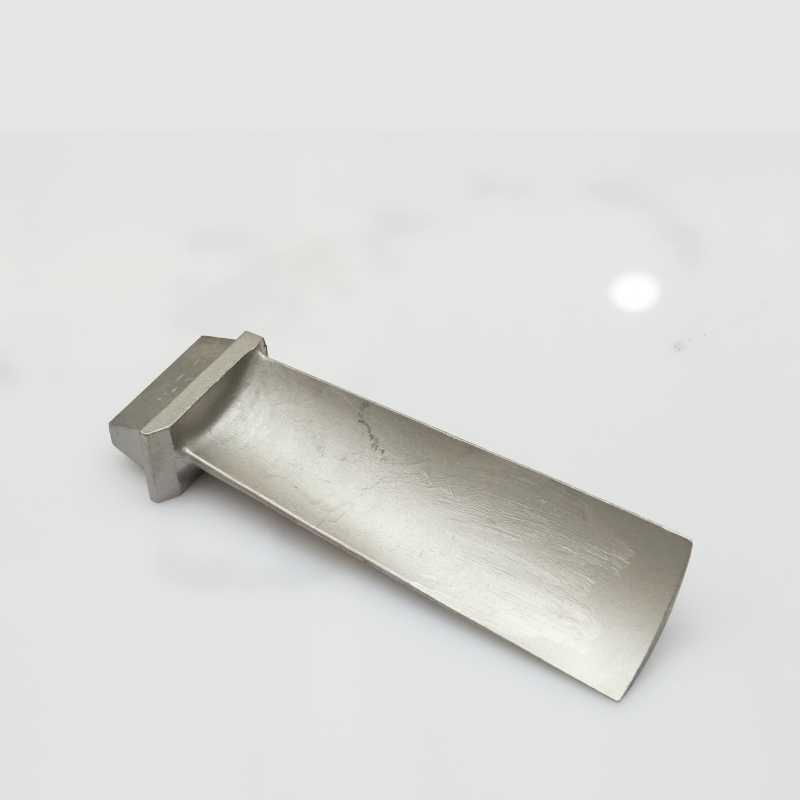
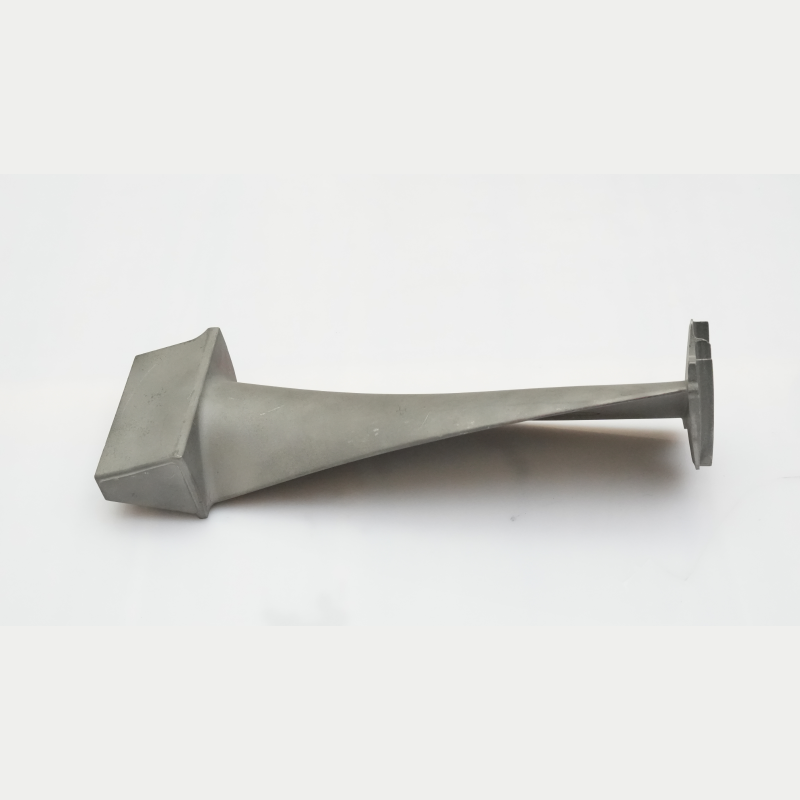
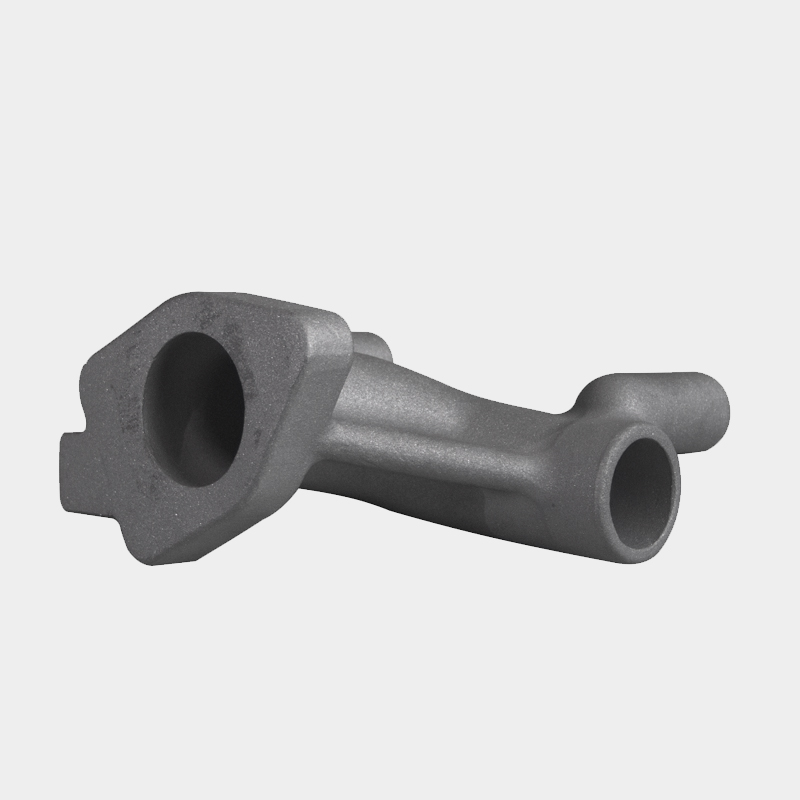
Automotive investment casting parts represent a sophisticated manufacturing solution that delivers precision-engineered components for modern vehicles. This advanced production method, also known as lost-wax casting, creates intricate metal parts with exceptional dimensional accuracy and surface finish quality. The process involves creating a wax pattern, coating it with ceramic material, melting away the wax, and pouring molten metal into the resulting cavity. Automotive investment casting parts serve critical functions across multiple vehicle systems, including engine components, transmission housings, turbocharger wheels, suspension brackets, and steering system elements. The technology excels at producing complex geometries that would be difficult or impossible to achieve through conventional machining or forging methods. These components typically feature thin walls, intricate internal passages, and tight tolerances that meet stringent automotive industry standards. The versatility of this casting technique allows manufacturers to work with various materials, including stainless steel, carbon steel, aluminum alloys, and specialized high-performance metals. Automotive investment casting parts find applications in passenger vehicles, commercial trucks, racing cars, and electric vehicles, demonstrating their universal relevance across the transportation sector. The method produces near-net-shape components, meaning minimal post-processing is required, which reduces material waste and manufacturing time. Engineers value automotive investment casting parts for their consistent quality, repeatable results, and ability to consolidate multiple assembled pieces into single cast components. This consolidation reduces assembly time, eliminates potential failure points, and improves overall structural integrity. The aerospace-grade precision achievable through investment casting makes it ideal for safety-critical automotive applications where performance cannot be compromised. As vehicles become more sophisticated with advanced powertrains and lightweight construction requirements, automotive investment casting parts continue to play an increasingly vital role in meeting these evolving engineering challenges while maintaining cost-effectiveness and production efficiency.

New Product Recommendations

Automotive investment casting parts offer remarkable benefits that directly impact manufacturing efficiency and product performance. First, this production method delivers superior dimensional accuracy, with tolerances as tight as plus or minus 0.005 inches, which means parts fit perfectly without extensive machining or adjustment. This precision translates to faster assembly times and reduced labor costs for vehicle manufacturers. The excellent surface finish quality eliminates the need for secondary finishing operations in many applications, saving both time and money. Companies can produce components with smooth surfaces right out of the mold, ready for immediate use or requiring only minimal polishing. The design flexibility provided by automotive investment casting parts allows engineers to create complex shapes with undercuts, thin walls, and intricate features that traditional manufacturing cannot achieve. This capability enables innovative solutions that improve vehicle performance while reducing weight, a critical factor in modern automotive design where fuel efficiency and emissions regulations drive development priorities. Material efficiency stands out as another significant advantage, as the near-net-shape process minimizes waste by using only the metal needed for the final part plus minimal excess for gates and risers. This efficiency reduces raw material costs and supports environmental sustainability goals. Automotive investment casting parts also enable part consolidation, where multiple components previously joined by welding or fasteners become a single cast piece. This consolidation reduces inventory complexity, eliminates assembly steps, and improves structural strength by removing potential weak points at joints. The process works with a wide range of metals and alloys, giving designers freedom to select the optimal material for each application based on strength, weight, corrosion resistance, and temperature performance requirements. Production scalability represents another practical benefit, as the same tooling and process parameters produce consistent results whether manufacturing hundreds or hundreds of thousands of parts. This consistency ensures quality control and reduces rejection rates. The ability to cast thin-walled sections helps reduce component weight without sacrificing strength, directly contributing to vehicle weight reduction initiatives that improve fuel economy and handling characteristics. Automotive investment casting parts require minimal post-casting machining, which reduces production time and equipment investment. The smooth surfaces and accurate dimensions mean that critical features often need no additional work, allowing faster throughput from foundry to assembly line. Cost-effectiveness becomes apparent when considering the total production equation, including tooling costs, material usage, labor requirements, and quality consistency. While initial tooling investment may be higher than some alternatives, the per-part cost decreases significantly in medium to high volume production runs, making automotive investment casting parts an economically smart choice for manufacturers seeking competitive advantages in demanding markets.

Tips And Tricks

What Makes a Custom Lost Wax Casting Foundry Reliable for Precision Industrial Applications?

05

Jun

What Makes a Custom Lost Wax Casting Foundry Reliable for Precision Industrial Applications?

In precision industrial manufacturing, the reliability of a custom investment casting foundry is not a minor operational detail — it is a fundamental requirement that determines part integrity, production timelines, and ultimately, the safety o...
View More
How Does a Precision Investment Casting Manufacturer Ensure Consistent Quality Across Global Supply Chains?

05

Jun

How Does a Precision Investment Casting Manufacturer Ensure Consistent Quality Across Global Supply Chains?

In today's interconnected industrial landscape, sourcing complex metal components across international borders presents a formidable quality challenge. the manufacturer must navigate an intricate web of raw material sourcing, multi-stage production c...
View More
How Can OEM ODM Precision Casting Services Accelerate New Product Development Cycles?

26

Jun

How Can OEM ODM Precision Casting Services Accelerate New Product Development Cycles?

Bringing a new industrial product from concept to market is rarely a straightforward journey. Engineering teams face relentless pressure to compress timelines, reduce prototype iterations, and deliver production-ready components without sacrificing d...
View More
How Do OEM ODM Precision Casting Services Support Flexible Design and Rapid Prototyping?

26

Jun

How Do OEM ODM Precision Casting Services Support Flexible Design and Rapid Prototyping?

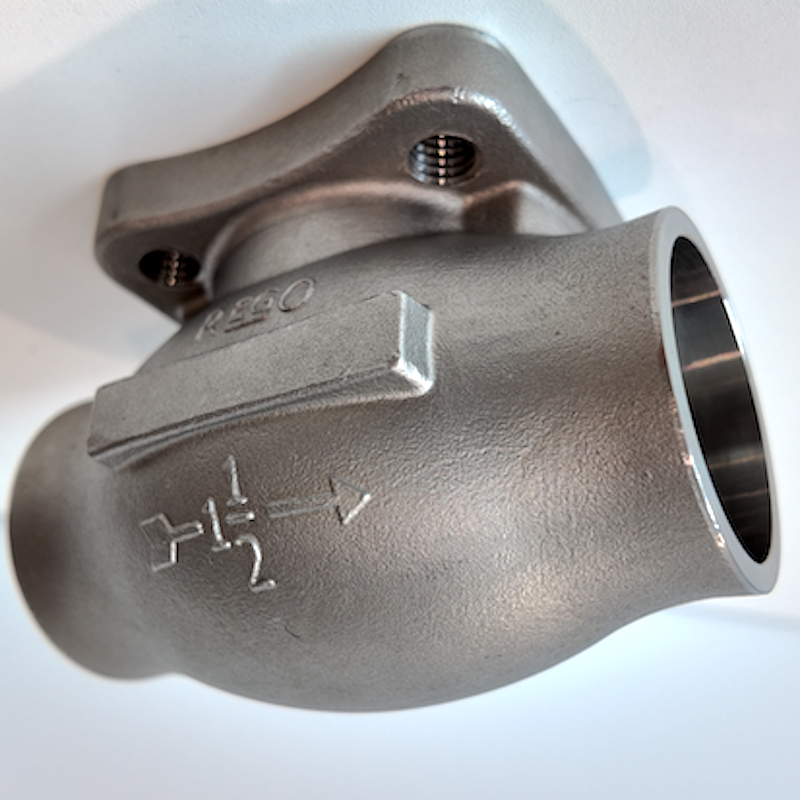
Figure 1: Custom Valve Body Fabricated via Precision Investment Casting, Featuring Crisp Surface Details and Net-Shape Integrity. In today's fast-evolving manufacturing landscape, the ability to move from concept to production-ready component quickly...
View More

Get a Free Quote

Our representative will contact you soon.
Email
Name
Mobile
Company Name
Message
0/1000
Attachment
Upload Your Drawings / Files
Up to 3 files,more 30mb,suppor jpg、jpeg、png、pdf、doc、docx、xls、xlsx、csv、txt

automotive investment casting parts

Exceptional Precision and Complex Geometry Capabilities

Exceptional Precision and Complex Geometry Capabilities

Automotive investment casting parts excel in delivering precision-engineered components with complex geometries that push the boundaries of what traditional manufacturing methods can achieve. This advanced casting technique produces parts with dimensional tolerances that rival machined components, typically achieving accuracies within 0.005 inches or even tighter depending on size and configuration. Such precision eliminates costly secondary machining operations and ensures perfect fit during assembly, reducing production time and minimizing quality issues on the assembly line. The process handles intricate designs with ease, including internal cavities, thin walls as slim as 0.030 inches, variable wall thicknesses, and complex surface contours that follow organic shapes rather than simple geometric forms. Engineers leverage this capability to optimize component designs for performance rather than manufacturing limitations, creating parts that distribute stress efficiently, minimize weight, and integrate multiple functions into single pieces. For example, turbocharger wheels with aerodynamically optimized blade profiles, transmission housings with integrated mounting bosses and fluid passages, and suspension components with precisely positioned attachment points all benefit from the geometric freedom that automotive investment casting parts provide. The ability to cast complex shapes directly means designers can create components that would require multiple machining setups, specialized tooling, and extensive programming if produced through conventional methods. This complexity advantage extends to incorporating features like logos, part numbers, and identification marks directly into the casting, eliminating secondary marking operations. The investment casting process also produces excellent surface finishes, typically ranging from 125 to 250 microinches Ra, which reduces friction in moving parts, improves aesthetics for visible components, and provides better bases for coatings or platings when required. This surface quality comes directly from the fine ceramic shell used in the casting process, which captures minute details and produces smooth surfaces without the tool marks, parting lines, or draft angles required by other casting methods. The combination of precision, complexity capability, and surface quality makes automotive investment casting parts ideal for critical applications where performance, reliability, and efficiency cannot be compromised, providing manufacturers with components that meet increasingly stringent automotive industry standards while enabling innovative designs that differentiate their vehicles in competitive markets.
Material Versatility and Performance Optimization

Material Versatility and Performance Optimization

Automotive investment casting parts demonstrate remarkable versatility in material selection, allowing engineers to specify precisely the right alloy for each application's unique performance requirements. This flexibility spans ferrous and non-ferrous metals, including stainless steels, carbon steels, tool steels, aluminum alloys, titanium alloys, cobalt-based superalloys, and specialty materials developed for specific high-performance applications. The ability to cast such diverse materials means that designers can optimize each component for its specific operating environment, whether that involves extreme temperatures, corrosive conditions, high mechanical stresses, or weight-critical applications. Stainless steel automotive investment casting parts provide excellent corrosion resistance for exhaust system components, fuel system parts, and exterior hardware exposed to road salt and weather. Carbon steel variants offer high strength and wear resistance for transmission gears, engine mounts, and structural brackets where durability under load is paramount. Aluminum alloys deliver outstanding strength-to-weight ratios for suspension components, engine parts, and chassis elements where reducing unsprung weight improves handling and fuel efficiency. The investment casting process maintains material properties throughout the component, ensuring consistent mechanical characteristics rather than the variable properties sometimes seen in welded assemblies or joined structures. Heat treatment options further enhance performance, as automotive investment casting parts can be solution treated, aged, normalized, or otherwise processed to achieve specific hardness levels, tensile strengths, and fatigue resistance values. This material optimization extends component service life, reduces maintenance requirements, and improves overall vehicle reliability. The process also accommodates specialized alloys developed for emerging automotive technologies, including materials for electric vehicle power electronics, hydrogen fuel cell components, and advanced thermal management systems. Material traceability throughout production ensures compliance with automotive industry quality standards and regulatory requirements, with full documentation of chemical composition, mechanical properties, and processing history for each batch of automotive investment casting parts. The ability to produce components from materials that resist elevated temperatures proves particularly valuable for engine and exhaust applications, where parts must maintain strength and dimensional stability at temperatures exceeding 1000 degrees Fahrenheit. Similarly, corrosion-resistant alloys protect critical components in harsh environments, extending service intervals and reducing total cost of ownership. This material versatility empowers automotive engineers to select the optimal balance of performance, weight, cost, and durability for each application, creating vehicles that meet customer expectations while satisfying increasingly stringent regulatory requirements for safety, emissions, and fuel economy.
Cost Efficiency and Sustainable Manufacturing

Cost Efficiency and Sustainable Manufacturing

Automotive investment casting parts deliver compelling economic advantages throughout the product lifecycle, from initial tooling through production, assembly, and long-term service performance. The near-net-shape nature of the investment casting process means that components emerge from the mold very close to final dimensions, requiring minimal material removal and reducing both raw material costs and machining time. This efficiency becomes particularly significant when working with expensive alloys, where material savings directly impact profitability. The process typically achieves material utilization rates exceeding 85 percent, compared to subtractive manufacturing methods that may waste 50 percent or more of the starting material as chips and scrap. While investment casting tooling requires initial capital investment, the cost per part decreases rapidly as production volume increases, making automotive investment casting parts economically attractive for medium to high volume applications. The tooling also produces consistent results over extended production runs, maintaining dimensional accuracy and surface quality through hundreds of thousands of cycles with proper maintenance. This consistency reduces inspection requirements, lowers rejection rates, and ensures interchangeability of components across the production stream. Labor efficiency improves because automotive investment casting parts require fewer manufacturing operations than assembled alternatives, reducing touch time and associated costs. The ability to consolidate multiple pieces into single cast components eliminates welding, brazing, or mechanical fastening operations, further reducing assembly labor and eliminating consumables like weld wire or fasteners. Quality improvements contribute to cost efficiency by reducing warranty claims and field failures, as the monolithic structure of cast components eliminates potential failure points at welds or joints. The superior surface finish of automotive investment casting parts also reduces friction and wear in moving assemblies, extending component life and reducing maintenance costs over the vehicle's service life. Environmental sustainability represents another dimension of value, as the material efficiency and reduced energy consumption of investment casting compared to extensive machining align with corporate environmental goals and regulatory requirements. The process generates less waste for disposal, consumes less energy per part, and enables lightweighting strategies that reduce vehicle fuel consumption throughout years of operation. Recycling of scrap metal from gates, risers, and rejected parts further improves material efficiency and reduces environmental impact. The flexibility to produce small batches economically also benefits manufacturers by reducing inventory carrying costs, enabling just-in-time delivery, and allowing rapid response to design changes or market demands. Automotive investment casting parts support lean manufacturing principles by delivering quality components precisely when needed, in the quantities required, without excessive inventory investment or storage space requirements. The combination of material efficiency, labor savings, quality consistency, and sustainability benefits makes automotive investment casting parts an intelligent choice for manufacturers seeking competitive advantages in global markets where cost control and environmental responsibility increasingly influence purchasing decisions and brand reputation.
Automotive Investment Casting Parts - Precision Components for Modern Vehicles

Get a Free Quote

Our representative will contact you soon.
Email
Name
Mobile
Company Name
Message
0/1000
Attachment
Upload Your Drawings / Files
Up to 3 files, each no larger than 30MB. Supported formats: jpg, jpeg, png, pdf, doc, docx, xls, xlsx, csv, txt, stp, step, igs, x_t, dxf, prt, sldprt, sat, rar, zip.