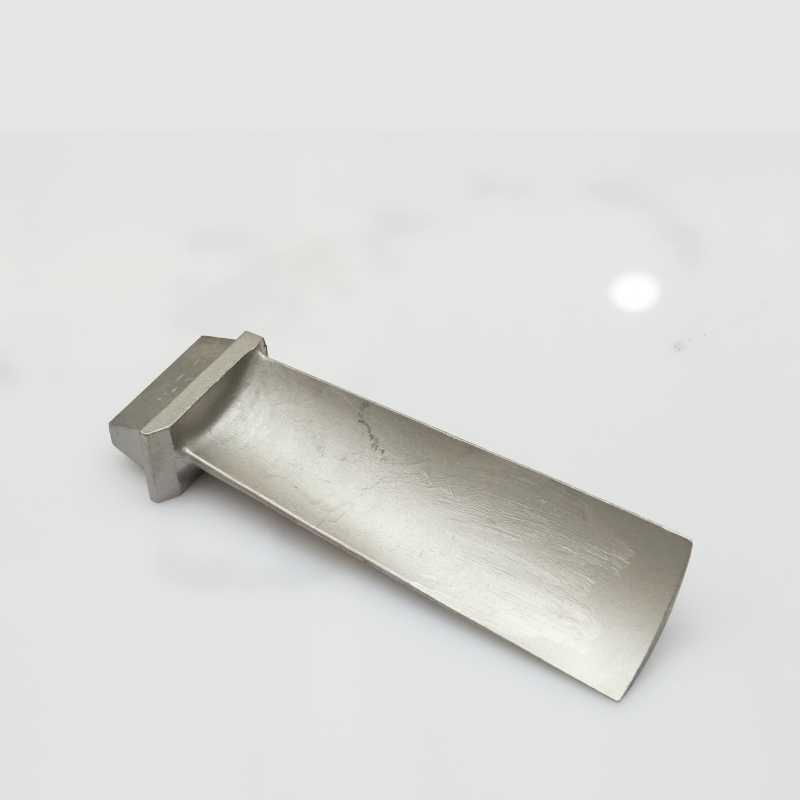
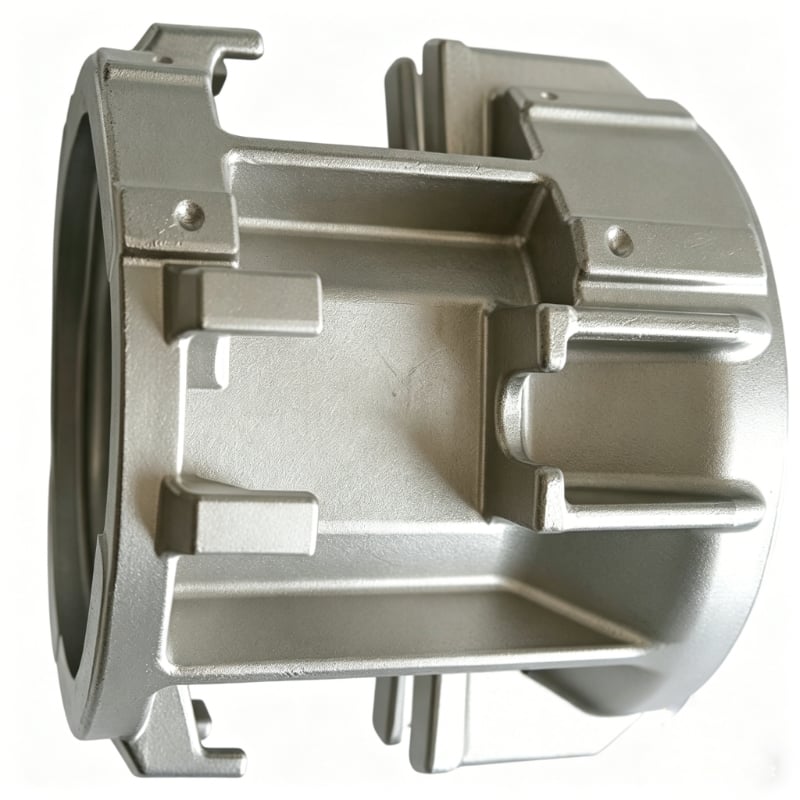
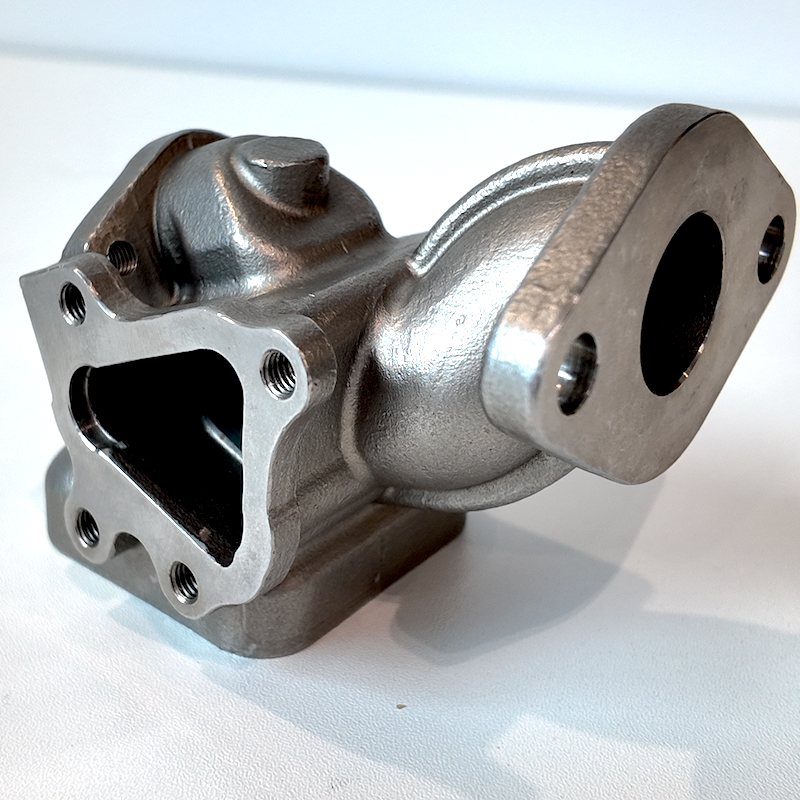
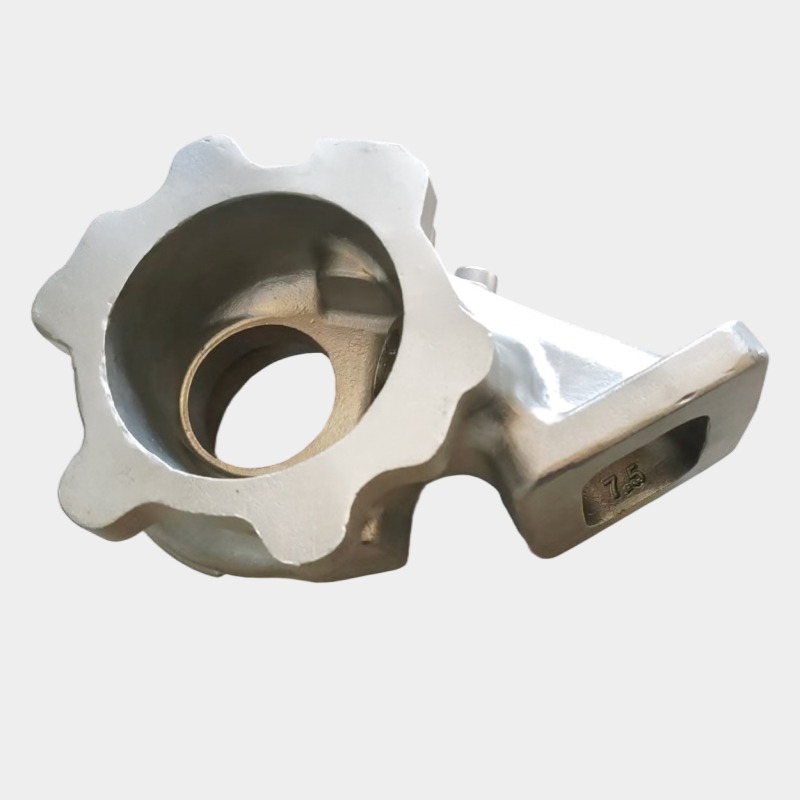
IATF 16949 Automotive Precision Casting Blanks - Certified Quality Components for Vehicle Manufacturing

Get a Free Quote

Our representative will contact you soon.
Email
Name
Mobile
Company Name
Message
0/1000
Attachment
Upload Your Drawings / Files
Up to 3 files, each no larger than 30MB. Supported formats: jpg, jpeg, png, pdf, doc, docx, xls, xlsx, csv, txt, stp, step, igs, x_t, dxf, prt, sldprt, sat, rar, zip.

iatf16949 automotive precision casting blanks

IATF 16949 automotive precision casting blanks represent a critical manufacturing solution that meets the stringent quality standards required by the global automotive industry. These precision-engineered components serve as foundational elements in vehicle production, manufactured under the internationally recognized IATF 16949 quality management system certification. This certification ensures that every casting blank adheres to rigorous automotive quality requirements, providing manufacturers with reliable starting materials for further machining and finishing operations. The precision casting process employed in creating these blanks utilizes advanced metallurgical techniques to produce near-net-shape components with exceptional dimensional accuracy and material consistency. These blanks function as semi-finished products that undergo subsequent machining to become critical automotive parts such as engine components, transmission housings, suspension elements, brake system parts, and structural components. The technological foundation of IATF 16949 automotive precision casting blanks combines sophisticated molding methods with controlled solidification processes, resulting in superior material properties including enhanced mechanical strength, reduced porosity, and improved surface finish quality. Manufacturing facilities producing these blanks implement comprehensive quality control protocols throughout the entire production cycle, from raw material selection through final inspection. The casting process incorporates computer-aided design integration, simulation software for predicting metal flow patterns, and automated monitoring systems that ensure consistent quality across production batches. These blanks accommodate various ferrous and non-ferrous alloys, including aluminum alloys, steel grades, iron castings, and specialized materials engineered for specific automotive applications. The precision achieved through this manufacturing approach minimizes material waste during subsequent machining operations, reduces production time, and lowers overall manufacturing costs while maintaining the exacting standards demanded by automotive original equipment manufacturers worldwide.

New Products

Choosing IATF 16949 automotive precision casting blanks delivers substantial practical benefits that directly impact your manufacturing efficiency and product quality. First and foremost, these certified blanks guarantee compliance with global automotive industry standards, eliminating concerns about quality audits and supplier qualification processes. This certification means your supply chain meets the expectations of major automotive manufacturers without requiring additional verification steps. The precision inherent in these casting blanks significantly reduces the amount of material that needs removal during machining operations, which translates to lower tooling costs, reduced machine time, and decreased material waste. Your production facility will experience faster turnaround times because these blanks arrive closer to final dimensions than conventional castings, requiring fewer manufacturing steps to reach finished specifications. The consistent quality of IATF 16949 automotive precision casting blanks means fewer rejected parts, less rework, and improved production planning reliability. You can confidently schedule production runs knowing that dimensional variations will fall within tight tolerances batch after batch. The superior material integrity achieved through controlled casting processes results in components with better mechanical properties, including higher tensile strength, improved fatigue resistance, and enhanced durability under operational stress. These characteristics directly contribute to vehicle safety, longevity, and performance, helping you build products that satisfy end customers and meet warranty expectations. Cost savings extend beyond material efficiency to include reduced energy consumption during machining, lower scrap rates, and decreased quality inspection requirements. The near-net-shape characteristic of these precision blanks allows your engineers to design lighter components without sacrificing strength, supporting automotive industry trends toward weight reduction and fuel efficiency improvements. Working with IATF 16949 certified suppliers provides traceability throughout the manufacturing process, with documented quality records that facilitate problem-solving and continuous improvement initiatives. These blanks support diverse manufacturing techniques including CNC machining, turning, milling, and finishing operations, offering flexibility in your production approach. The predictable behavior of these materials during secondary operations reduces setup time and minimizes trial-and-error adjustments. Additionally, the global recognition of IATF 16949 certification opens opportunities for international business relationships and expands your potential customer base to include automotive manufacturers worldwide who require certified suppliers in their value chain.

Tips And Tricks

What Makes a Custom Lost Wax Casting Foundry Reliable for Precision Industrial Applications?

05

Jun

What Makes a Custom Lost Wax Casting Foundry Reliable for Precision Industrial Applications?

In precision industrial manufacturing, the reliability of a custom investment casting foundry is not a minor operational detail — it is a fundamental requirement that determines part integrity, production timelines, and ultimately, the safety o...
View More
Why Do Manufacturers Prefer a Silica Sol Investment Casting Supplier for Complex Metal Parts?

05

Jun

Why Do Manufacturers Prefer a Silica Sol Investment Casting Supplier for Complex Metal Parts?

When precision, surface quality, and dimensional accuracy are non-negotiable, manufacturers consistently turn to a trusted silica sol investment casting supplier. This decision is rarely arbitrary. It is driven by a deep understanding of what silica ...
View More
What Should Global Buyers Expect from OEM ODM Precision Casting Services Suppliers?

05

Jun

What Should Global Buyers Expect from OEM ODM Precision Casting Services Suppliers?

For global buyers sourcing complex metal components, selecting a reliable partner for oem odm precision casting services is one of the most consequential procurement decisions in a production cycle. The stakes are high: dimensional inaccuracies, inco...
View More
Why Are Stainless Steel Investment Castings Preferred for Corrosion Resistant Applications?

26

Jun

Why Are Stainless Steel Investment Castings Preferred for Corrosion Resistant Applications?

In demanding industrial environments where moisture, chemicals, and extreme temperatures are constant threats, material selection is one of the most critical engineering decisions a manufacturer can make. Among the available manufacturing methods, st...
View More

Get a Free Quote

Our representative will contact you soon.
Email
Name
Mobile
Company Name
Message
0/1000
Attachment
Upload Your Drawings / Files
Up to 3 files,more 30mb,suppor jpg、jpeg、png、pdf、doc、docx、xls、xlsx、csv、txt

iatf16949 automotive precision casting blanks

Certified Quality Assurance Meeting Global Automotive Standards

Certified Quality Assurance Meeting Global Automotive Standards

The IATF 16949 certification accompanying automotive precision casting blanks represents far more than a simple quality stamp; it embodies a comprehensive quality management system specifically designed for automotive industry requirements. This international standard, developed by the International Automotive Task Force, incorporates ISO 9001 requirements while adding automotive-specific supplemental criteria that address the unique challenges of vehicle manufacturing. When you select IATF 16949 automotive precision casting blanks, you gain access to components manufactured under continuous process monitoring, statistical process control, and rigorous defect prevention methodologies. The certification mandates that manufacturing facilities implement advanced product quality planning, including failure mode and effects analysis, control plans, and measurement system analysis throughout production. This systematic approach ensures that potential quality issues are identified and resolved before they affect your manufacturing operations. The traceability systems required by IATF 16949 mean every casting blank can be tracked back to its specific production batch, raw material source, and processing parameters, providing invaluable data for quality investigations or continuous improvement projects. Suppliers holding this certification undergo regular third-party audits that verify continued compliance with standard requirements, giving you confidence that quality levels remain consistent over time. The standard emphasizes customer-specific requirements, meaning manufacturers of these blanks are equipped to meet particular specifications demanded by different automotive producers. This certification also requires suppliers to maintain robust corrective action processes, ensuring that any quality concerns are addressed systematically with root cause analysis and preventive measures. For your organization, partnering with IATF 16949 certified suppliers reduces the burden of incoming inspection activities, streamlines supplier management processes, and provides documentary evidence of supply chain quality for your own certification audits. The standard's focus on continual improvement means suppliers are constantly refining their processes to enhance quality, reduce variation, and improve delivery performance, creating long-term value for your operations beyond simple component supply.
Superior Dimensional Precision Reducing Manufacturing Costs

Superior Dimensional Precision Reducing Manufacturing Costs

The exceptional dimensional accuracy achieved in IATF 16949 automotive precision casting blanks fundamentally transforms your manufacturing economics by delivering components remarkably close to final specifications. Advanced casting technologies employed in producing these blanks utilize precision tooling, controlled metal pouring systems, and optimized solidification management to achieve tolerances that were previously only possible through extensive machining. This near-net-shape manufacturing capability means the blanks arrive at your facility requiring minimal material removal, which generates multiple cost advantages throughout your production process. Machining operations consume significant energy, generate substantial waste material, and require expensive cutting tools that wear over time; by starting with precision blanks, you dramatically reduce these resource requirements. The time savings are equally impressive, as fewer machining passes are needed to reach final dimensions, increasing your production throughput without capital equipment investments. Tool life extends considerably when removing less material, reducing tooling costs and minimizing production interruptions for tool changes. The consistent dimensions of IATF 16949 automotive precision casting blanks also simplify manufacturing setup procedures, as operators spend less time adjusting machines and verifying initial part dimensions. This consistency enables more reliable production planning, as you can accurately predict cycle times and schedule subsequent operations with confidence. The precision achieved in these blanks supports tighter final tolerances in finished components, which is particularly crucial for assemblies requiring exact fits, such as transmission housings, engine blocks, and suspension components where dimensional precision directly affects performance and safety. Reduced material waste contributes to environmental sustainability goals while lowering raw material costs and disposal expenses. For components with complex geometries including internal passages, mounting bosses, or intricate external features, the precision casting approach can incorporate these elements directly into the blank, eliminating secondary operations entirely. This dimensional reliability also reduces the statistical variation in your manufacturing process, improving process capability indices and reducing the likelihood of producing out-of-specification parts that require rework or scrap.
Enhanced Material Properties Supporting Vehicle Performance

Enhanced Material Properties Supporting Vehicle Performance

IATF 16949 automotive precision casting blanks deliver superior metallurgical characteristics that directly contribute to vehicle safety, reliability, and performance throughout the product lifecycle. The controlled solidification processes fundamental to precision casting create fine-grained microstructures with uniform material properties throughout the component, eliminating the weak points and inconsistencies that can occur in conventional casting methods. This microstructural uniformity translates to predictable mechanical behavior under operational stresses, providing engineers with confidence when designing components for demanding automotive applications. The reduced porosity achieved through precision casting techniques significantly enhances material strength and fatigue resistance, critical factors for components subjected to cyclic loading conditions such as suspension parts, engine components, and transmission housings. These improved material properties allow designers to optimize component geometry for weight reduction without compromising structural integrity, supporting automotive industry objectives for fuel efficiency and emissions reduction. The surface quality of IATF 16949 automotive precision casting blanks exceeds conventional castings, featuring smoother surfaces with fewer defects that could serve as stress concentration points or initiation sites for crack propagation. This superior surface condition reduces the extent of finishing operations required while improving the final component's resistance to corrosion and wear. The precision casting process accommodates a wide range of alloy compositions, enabling material selection tailored to specific application requirements whether prioritizing strength, weight, thermal conductivity, or corrosion resistance. Aluminum alloys commonly used in these blanks offer excellent strength-to-weight ratios ideal for components where mass reduction is paramount, while specialized steel grades provide the hardness and wear resistance necessary for highly stressed applications. The controlled thermal management during solidification minimizes residual stresses within the material, reducing the tendency for distortion during subsequent machining or heat treatment operations. This stress-free condition contributes to dimensional stability throughout the component's service life, maintaining critical tolerances and fits even under thermal cycling and mechanical loading. For safety-critical components, the reliable material properties of these precision blanks provide the consistent performance necessary to meet stringent automotive safety standards and crash test requirements, protecting vehicle occupants and supporting manufacturer liability management.
IATF 16949 Automotive Precision Casting Blanks - Certified Quality Components for Vehicle Manufacturing

Get a Free Quote

Our representative will contact you soon.
Email
Name
Mobile
Company Name
Message
0/1000
Attachment
Upload Your Drawings / Files
Up to 3 files, each no larger than 30MB. Supported formats: jpg, jpeg, png, pdf, doc, docx, xls, xlsx, csv, txt, stp, step, igs, x_t, dxf, prt, sldprt, sat, rar, zip.