IATF16949 Automotive Precision Casting Blanks - Certified Quality Components for Vehicle Manufacturing

Get a Free Quote

Our representative will contact you soon.
Email
Name
Company Name
Message
0/1000

iatf16949 automotive precision casting blanks

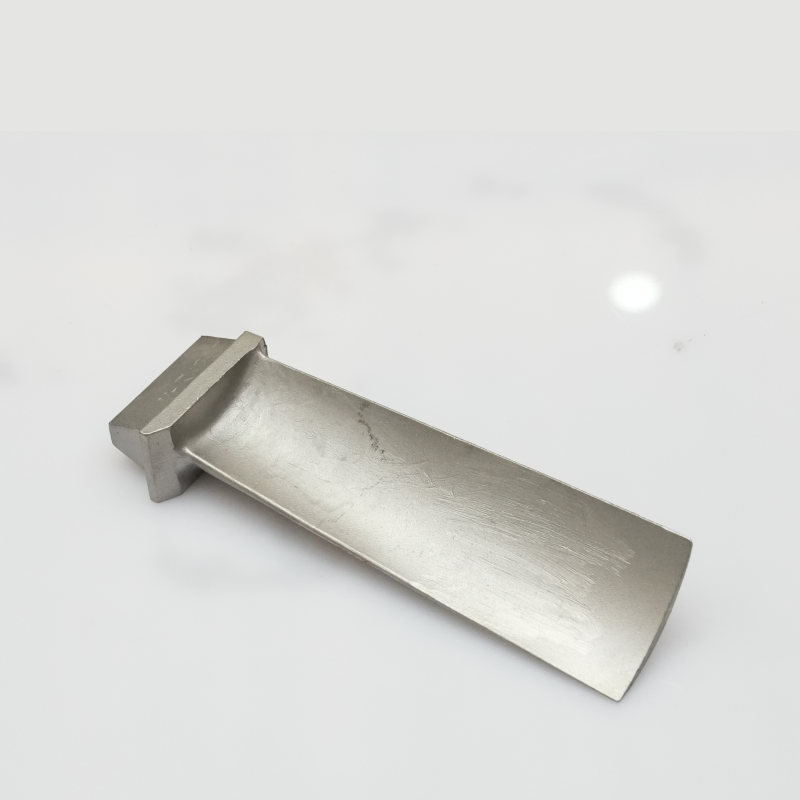
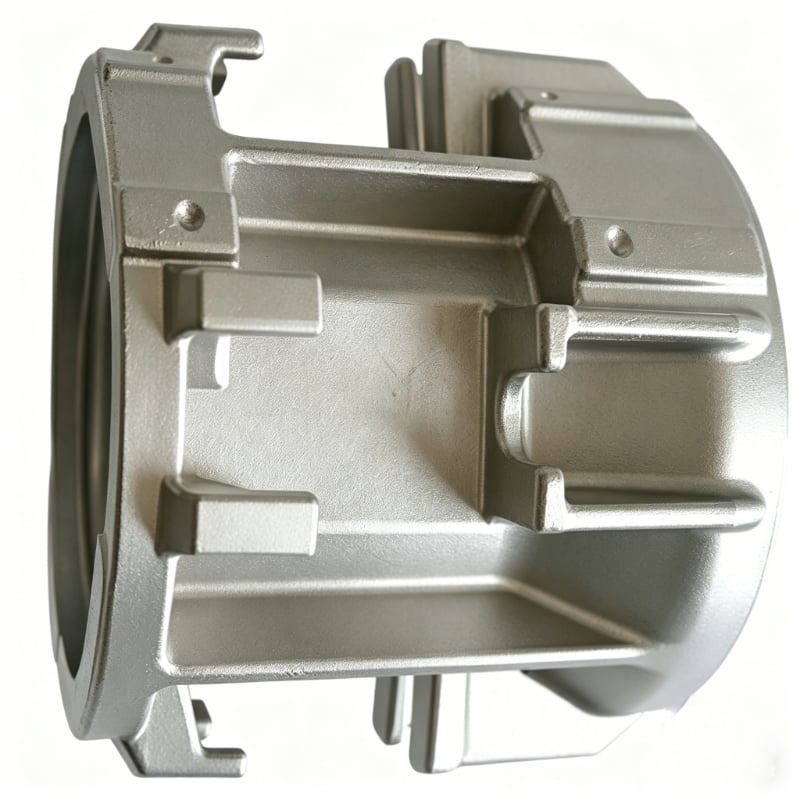
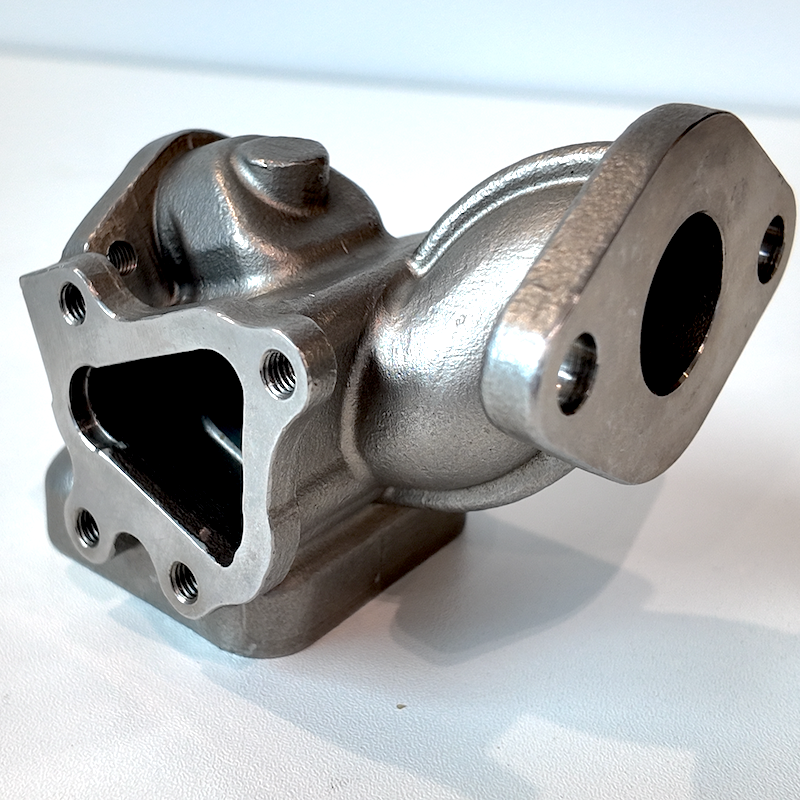
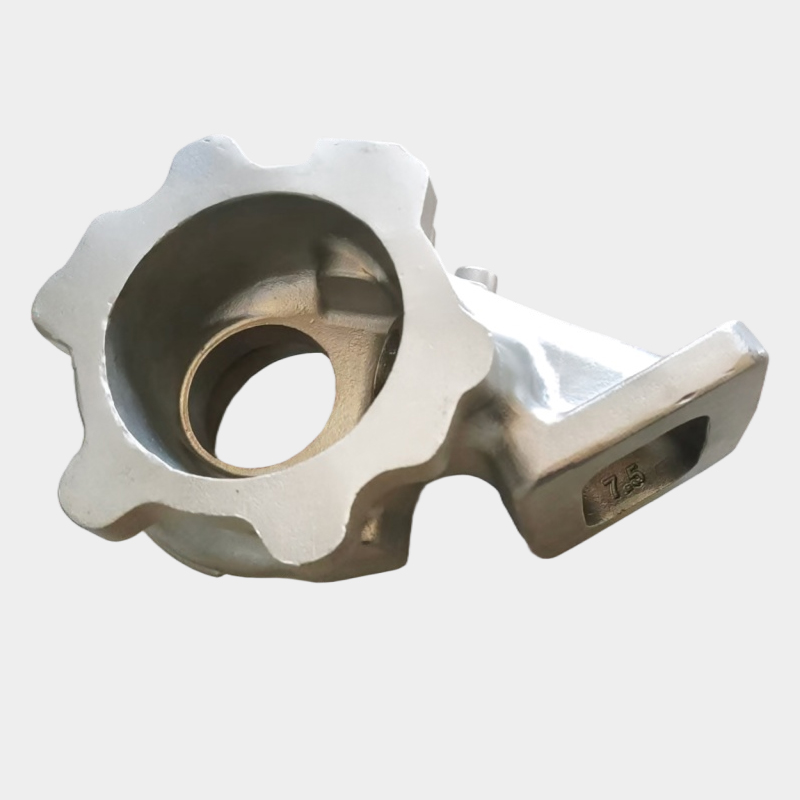
The iatf16949 automotive precision casting blanks represent a cornerstone of modern automotive manufacturing, delivering exceptional quality components that meet the stringent requirements of the global automotive industry. These specialized casting blanks are produced under the rigorous IATF 16949 quality management system, which is specifically designed for automotive sector suppliers and ensures consistent excellence in every production batch. The main function of iatf16949 automotive precision casting blanks is to provide semi-finished components that serve as the foundation for critical automotive parts, including engine components, transmission housings, suspension elements, and structural brackets. These blanks undergo advanced casting processes that create near-net-shape products, significantly reducing the amount of subsequent machining required while maintaining dimensional accuracy and material integrity. The technological features of iatf16949 automotive precision casting blanks include advanced metallurgical control, precise dimensional tolerances typically within 0.1-0.3mm, superior surface finish quality, and optimized material properties achieved through controlled solidification processes. Manufacturing facilities utilize state-of-the-art equipment including automated pouring systems, computer-controlled cooling chambers, and advanced inspection technologies such as X-ray detection and ultrasonic testing to ensure every blank meets exact specifications. The applications of these precision casting blanks span across multiple automotive systems, from powertrain components like cylinder heads and engine blocks to chassis parts such as steering knuckles and control arms. They are essential in both traditional internal combustion engine vehicles and emerging electric vehicle platforms, where lightweight yet robust components are increasingly critical. The iatf16949 automotive precision casting blanks provide manufacturers with reliable starting materials that accelerate production timelines, reduce waste, and ensure compliance with automotive industry standards including durability testing, dimensional verification, and material traceability requirements that are mandatory for tier-one and tier-two automotive suppliers worldwide.

New Product Recommendations

Choosing iatf16949 automotive precision casting blanks delivers substantial practical benefits that directly impact your manufacturing efficiency and product quality. First and foremost, these blanks significantly reduce your overall production costs by minimizing material waste and cutting down machining time by up to 60 percent compared to working with raw stock material. The near-net-shape characteristics mean your machinists spend less time removing excess material, which translates to lower tool wear, reduced energy consumption, and faster turnaround times from order to finished product. Quality consistency represents another major advantage, as every iatf16949 automotive precision casting blank undergoes systematic quality checks throughout the manufacturing process, ensuring you receive components with predictable mechanical properties and dimensional accuracy. This consistency eliminates the frustrating variability that can plague production schedules and cause costly rework or rejection of finished parts. The certification under IATF 16949 standards provides immediate credibility with automotive original equipment manufacturers who require documented quality systems from their supply chain partners. This certification opens doors to contracts and partnerships that would otherwise remain inaccessible, giving your business competitive positioning in the automotive marketplace. Lead time advantages are equally compelling, as precision casting blanks arrive ready for final machining operations, allowing you to respond quickly to customer demands and maintain leaner inventory levels without sacrificing your ability to fulfill orders promptly. The superior material properties achieved through controlled casting processes result in components with enhanced strength-to-weight ratios, improved fatigue resistance, and better performance under thermal stress conditions common in automotive applications. These blanks also support your sustainability initiatives by generating less scrap material, consuming less energy during processing, and enabling lighter vehicle designs that improve fuel efficiency. Furthermore, working with iatf16949 automotive precision casting blanks simplifies your supply chain management since you are dealing with pre-qualified materials that require less incoming inspection and carry full traceability documentation. The technical support typically provided by precision casting suppliers helps optimize your machining parameters and can identify opportunities for design improvements that further reduce costs or enhance performance. Your production planning becomes more reliable because the consistent quality and dimensions of these blanks reduce setup time and minimize the risk of production interruptions due to material defects or dimensional variations that plague lesser quality alternatives.

Latest News

Basic Principles Of Design Of Precision Casting Gating System

11

May

Basic Principles Of Design Of Precision Casting Gating System

View More
The Role Of Elements In Castings And The Order Of Addition

11

May

The Role Of Elements In Castings And The Order Of Addition

View More
Stainless Steel Castings for Building Facade Systems

11

May

Stainless Steel Castings for Building Facade Systems

View More
Precision Stainless Steel Exhaust Manifold Casting Solution For Luxury Sedan - With Japanese First-Tier Car Brand

11

May

Precision Stainless Steel Exhaust Manifold Casting Solution For Luxury Sedan - With Japanese First-Tier Car Brand

View More

Get a Free Quote

Our representative will contact you soon.
Email
Name
Company Name
Message
0/1000

iatf16949 automotive precision casting blanks

Superior Quality Assurance Through IATF 16949 Certification

Superior Quality Assurance Through IATF 16949 Certification

The certification of iatf16949 automotive precision casting blanks under the International Automotive Task Force quality management standard represents a fundamental value proposition that distinguishes these products in the competitive automotive supply landscape. This certification is not merely a badge or marketing claim but rather evidence of comprehensive quality systems that govern every aspect of production from raw material selection through final inspection and delivery. Manufacturing facilities producing certified blanks must demonstrate robust process controls, including statistical process monitoring, failure mode and effects analysis, production part approval processes, and continuous improvement methodologies that are regularly audited by independent third-party assessors. For customers, this certification provides tangible assurance that the iatf16949 automotive precision casting blanks they purchase will consistently meet dimensional specifications, mechanical property requirements, and surface quality standards without the need for extensive incoming inspection protocols. The traceability systems mandated by IATF 16949 mean that every blank can be traced back to its specific production batch, heat treatment cycle, and raw material lot, which is essential when automotive manufacturers require documentation for warranty claims, recall investigations, or production issue analysis. This level of documentation and accountability significantly reduces your risk exposure and provides the evidence needed to satisfy increasingly stringent automotive industry requirements. The certification also ensures that suppliers maintain appropriate calibration programs for measurement equipment, conduct regular internal audits, and implement corrective action systems that prevent recurring defects. When you specify iatf16949 automotive precision casting blanks for your projects, you gain peace of mind knowing that the supplier has invested in the infrastructure, training, and systems necessary to deliver automotive-grade quality consistently. This becomes particularly valuable when scaling production volumes or introducing new product lines, as the certified supplier's proven processes minimize the risks associated with production ramp-up. The competitive advantage extends beyond quality assurance to include preferential consideration from major automotive manufacturers who increasingly limit their approved supplier lists to those holding appropriate certifications, making iatf16949 automotive precision casting blanks not just a quality choice but a strategic business decision that opens market access.
Advanced Precision and Near-Net-Shape Manufacturing Efficiency

Advanced Precision and Near-Net-Shape Manufacturing Efficiency

The technological sophistication behind iatf16949 automotive precision casting blanks delivers exceptional dimensional accuracy and geometric complexity that fundamentally transforms manufacturing economics and product performance capabilities. Modern precision casting techniques employed in producing these blanks utilize computer-aided design integration, simulation software that predicts material flow and solidification patterns, and precision tooling that maintains tolerances measured in hundredths of millimeters across complex three-dimensional geometries. This advanced approach enables the creation of blanks that closely approximate the final component shape, incorporating features such as internal passages, mounting bosses, reinforcement ribs, and contoured surfaces that would be extremely difficult or impossible to achieve through traditional machining from solid stock. The near-net-shape characteristic of iatf16949 automotive precision casting blanks means that subsequent machining operations focus primarily on creating precision mating surfaces, threaded holes, and tight-tolerance features rather than removing large amounts of material to create basic geometry. This efficiency translates directly to reduced cycle times in your production facility, as machining operations that might require multiple setups and several hours when starting from bar stock can often be completed in a single setup lasting minutes when working with precision casting blanks. The material savings are equally impressive, with typical material utilization rates exceeding 85 percent compared to 40-60 percent when machining complex shapes from solid material, and this reduction in waste directly improves your cost structure while supporting environmental sustainability goals. The precision achieved in iatf16949 automotive precision casting blanks also enables design optimization that would be impractical with other manufacturing methods, such as variable wall thickness that reduces weight while maintaining strength in critical areas, or integrated features that eliminate separate fasteners and assembly operations. Quality benefits extend to metallurgical characteristics as well, since the controlled solidification inherent in precision casting processes produces fine grain structures and uniform material properties throughout the component, avoiding the directional property variations sometimes encountered in wrought materials. Manufacturing flexibility represents another dimension of value, as precision casting blanks can be produced in a wide range of alloys including aluminum, iron, steel, and specialized materials, each optimized for specific performance requirements such as heat resistance, corrosion protection, or magnetic properties essential in electric vehicle applications.
Versatile Application Range Across Modern Automotive Systems

Versatile Application Range Across Modern Automotive Systems

The remarkable versatility of iatf16949 automotive precision casting blanks makes them indispensable across virtually every automotive system and subsystem, from traditional powertrain applications to cutting-edge electric vehicle architectures and advanced driver assistance technologies. In powertrain applications, these precision blanks serve as the foundation for critical components including engine blocks, cylinder heads, transmission cases, differential housings, and turbocharger components where the combination of complex geometry, thermal management requirements, and structural integrity demands make precision casting the optimal manufacturing approach. The ability of iatf16949 automotive precision casting blanks to incorporate intricate cooling passages, oil galleries, and mounting interfaces while maintaining precise dimensional relationships between bearing bores, valve seats, and combustion chambers enables engine designs that deliver higher performance and improved efficiency compared to previous generation technologies. Chassis and suspension systems rely heavily on precision casting blanks for steering knuckles, control arms, subframe components, and brake calipers where the complex load paths and need to optimize strength-to-weight ratios make cast components superior to fabricated or forged alternatives in many applications. The dimensional consistency of iatf16949 automotive precision casting blanks is particularly valuable in suspension components where precise geometry directly affects vehicle handling characteristics, tire wear patterns, and alignment stability over the vehicle's service life. As the automotive industry transitions toward electrification, precision casting blanks have become essential for electric motor housings, battery enclosures, power electronics cooling structures, and thermal management components that must dissipate heat efficiently while minimizing weight to preserve vehicle range. The design freedom afforded by precision casting enables integration of cooling channels, electrical conduit passages, and mounting interfaces that would require multiple pieces and assembly operations if manufactured through other methods. Structural applications including cross members, mounting brackets, and body reinforcements benefit from the ability to create complex geometries that efficiently distribute loads while minimizing material usage and component weight. The traceability and quality assurance inherent in iatf16949 automotive precision casting blanks is especially critical for safety-related components where failure could result in significant consequences, making the documented process controls and material certifications essential elements of the overall vehicle safety case. Emerging applications in autonomous vehicle sensor mounting systems, lightweight body structures for improved electric vehicle efficiency, and integrated components that combine multiple functions into single castings represent growing opportunities where iatf16949 automotive precision casting blanks enable innovations that would be impractical or economically unfeasible through alternative manufacturing processes.

Get a Free Quote

Our representative will contact you soon.
Email
Name
Company Name
Message
0/1000