Υψηλή ακρίβεια διαστάσεων με μείωση του κόστους παραγωγής
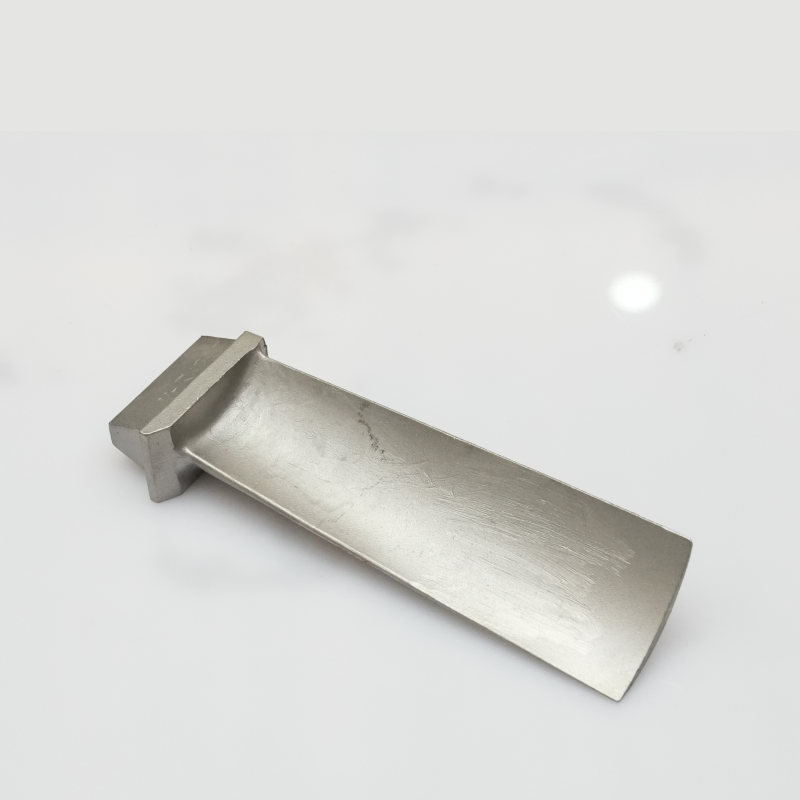
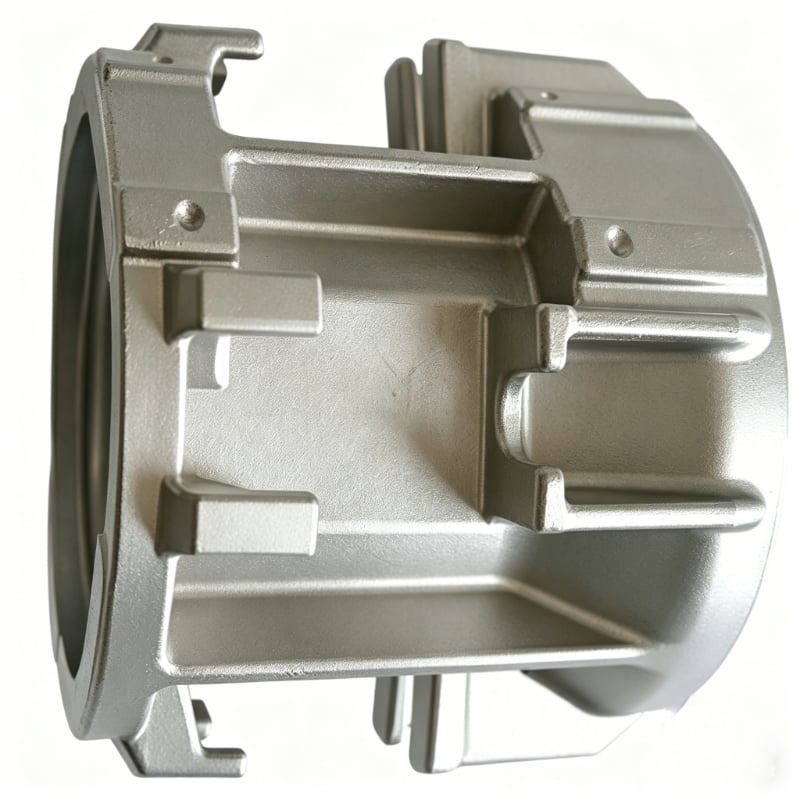
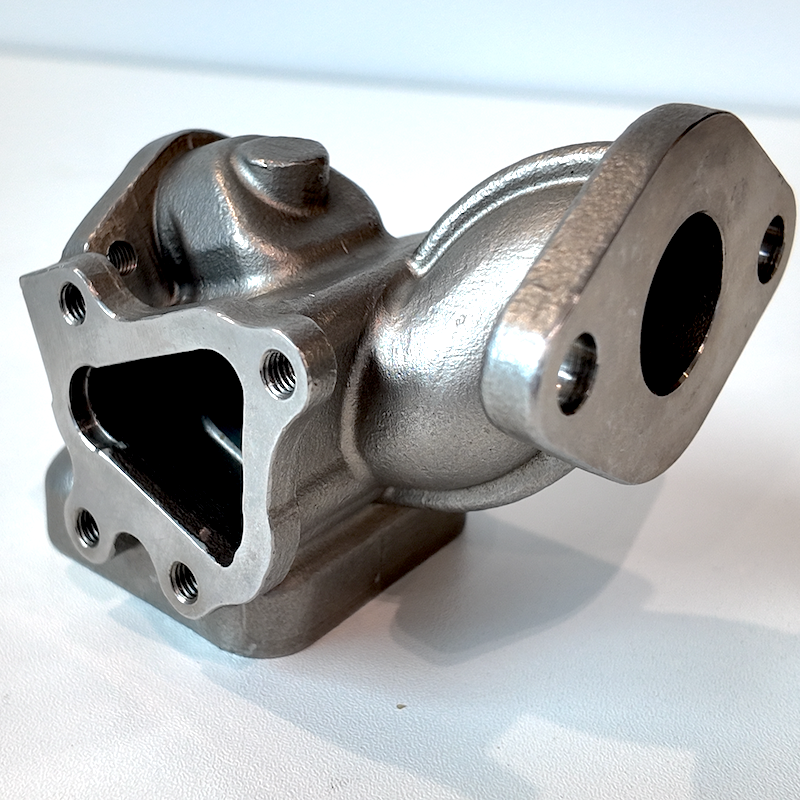
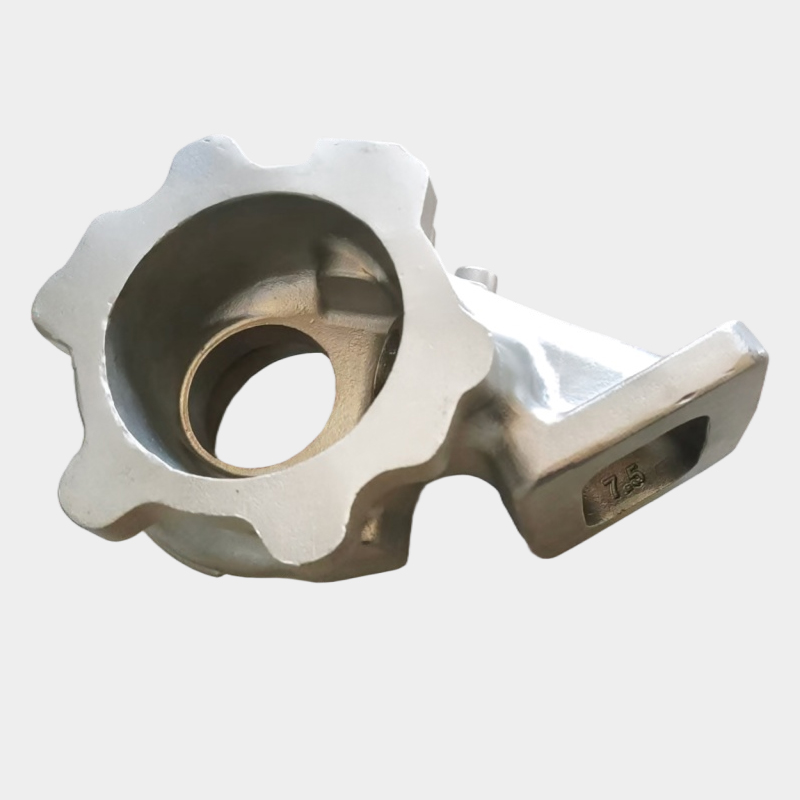
Η εξαιρετική ακρίβεια διαστάσεων που επιτυγχάνεται στα καλούπια ακριβείας για αυτοκίνητα που πληρούν το πρότυπο IATF 16949 μεταμορφώνει ουσιαστικά την οικονομική σας λογιστική παραγωγής, παρέχοντας εξαρτήματα που πλησιάζουν σε μεγάλο βαθμό τις τελικές προδιαγραφές. Οι προηγμένες τεχνολογίες χύτευσης που χρησιμοποιούνται για την παραγωγή αυτών των καλουπιών εφαρμόζουν ακριβή εργαλειομηχανήματα, συστήματα ελεγχόμενης ροής μετάλλου και βελτιστοποιημένη διαχείριση της στερέωσης, προκειμένου να επιτευχθούν ανοχές οι οποίες προηγουμένως ήταν δυνατόν να επιτευχθούν μόνο μέσω εκτεταμένων κατεργασιών. Αυτή η δυνατότητα κατασκευής «σχεδόν τελικού σχήματος» σημαίνει ότι τα καλούπια φθάνουν στην εγκατάστασή σας με ελάχιστη ανάγκη αφαίρεσης υλικού, γεγονός που δημιουργεί πολλαπλά οφέλη κόστους σε όλη τη διαδικασία παραγωγής σας. Οι κατεργασίες κατεργασίας καταναλώνουν σημαντική ποσότητα ενέργειας, παράγουν μεγάλες ποσότητες απορριμμάτων και απαιτούν ακριβά κοπτικά εργαλεία τα οποία φθείρονται με τον χρόνο· με τη χρήση ακριβών καλουπιών ως εξαρχής, μειώνετε δραστικά αυτές τις απαιτήσεις πόρων. Τα οφέλη σε χρόνο είναι εξίσου εντυπωσιακά, καθώς απαιτούνται λιγότερες διερχόμενες κατεργασίες για την επίτευξη των τελικών διαστάσεων, αυξάνοντας έτσι την παραγωγικότητα χωρίς επενδύσεις σε νέο εξοπλισμό. Η διάρκεια ζωής των εργαλείων επεκτείνεται σημαντικά όταν αφαιρείται λιγότερο υλικό, μειώνοντας το κόστος εργαλειομηχανημάτων και ελαχιστοποιώντας τις διακοπές παραγωγής για αντικατάσταση εργαλείων. Η συνεκτικότητα των διαστάσεων των καλουπιών ακριβείας για αυτοκίνητα που πληρούν το πρότυπο IATF 16949 απλοποιεί επίσης τις διαδικασίες ρύθμισης της παραγωγής, καθώς οι χειριστές δαπανούν λιγότερο χρόνο στη ρύθμιση των μηχανημάτων και στην επαλήθευση των αρχικών διαστάσεων των εξαρτημάτων. Αυτή η συνεκτικότητα διευκολύνει μια πιο αξιόπιστη σχεδιαστική προγραμματισμό της παραγωγής, καθώς μπορείτε να προβλέψετε με ακρίβεια τους χρόνους κύκλου και να προγραμματίσετε με εμπιστοσύνη τις επόμενες εργασίες. Η ακρίβεια που επιτυγχάνεται σε αυτά τα καλούπια υποστηρίζει στενότερες τελικές ανοχές στα τελικά εξαρτήματα, γεγονός που είναι ιδιαίτερα κρίσιμο για συναρμολογήσεις που απαιτούν ακριβή ταιριάσματα, όπως οι θήκες μετάδοσης, οι κύλινδροι κινητήρα και τα εξαρτήματα ανάρτησης, όπου η διαστασιακή ακρίβεια επηρεάζει άμεσα την απόδοση και την ασφάλεια. Η μείωση των αποβλήτων υλικού συμβάλλει στους στόχους περιβαλλοντικής βιωσιμότητας, ενώ μειώνει τα κόστη πρώτων υλών και τα έξοδα διάθεσης. Για εξαρτήματα με πολύπλοκες γεωμετρίες, συμπεριλαμβανομένων εσωτερικών διαδρόμων, προεξοχών στήριξης ή περίπλοκων εξωτερικών χαρακτηριστικών, η προσέγγιση της ακριβούς χύτευσης μπορεί να ενσωματώσει αυτά τα στοιχεία απευθείας στο καλούπι, εξαλείφοντας εντελώς τις δευτερεύουσες εργασίες. Αυτή η διαστασιακή αξιοπιστία μειώνει επίσης τη στατιστική μεταβλητότητα στη διαδικασία παραγωγής σας, βελτιώνοντας τους δείκτες ικανότητας της διαδικασίας και μειώνοντας την πιθανότητα παραγωγής εξαρτημάτων εκτός προδιαγραφών, τα οποία απαιτούν επανεργασία ή απόρριψη.

 EN
EN