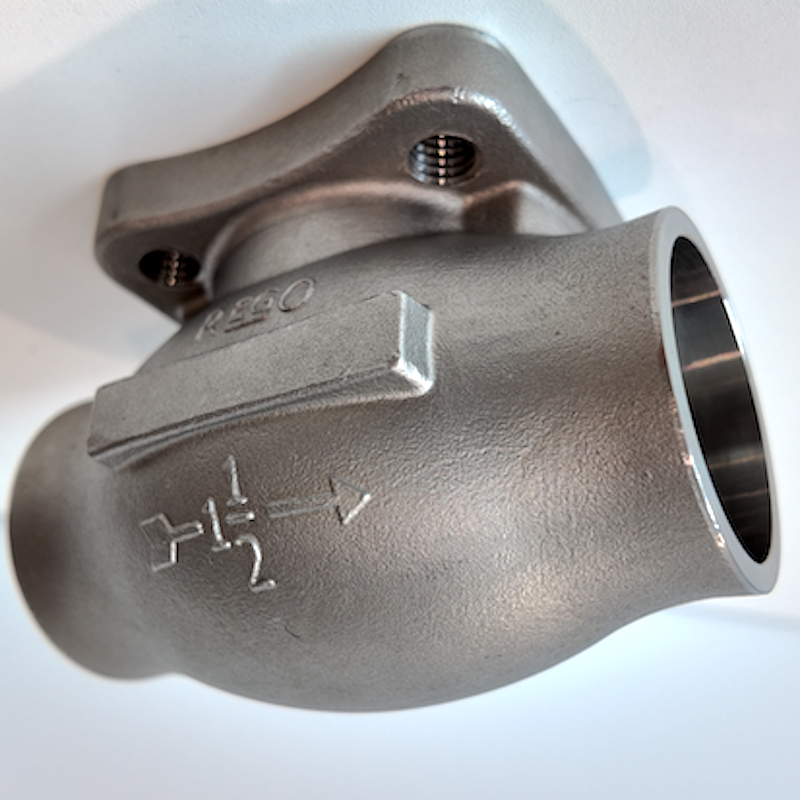
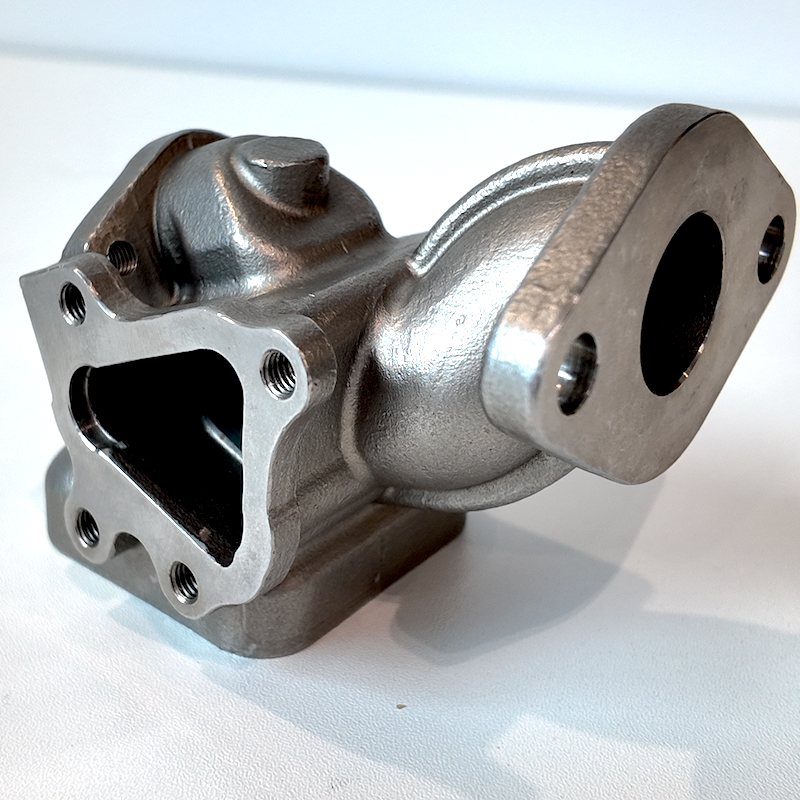
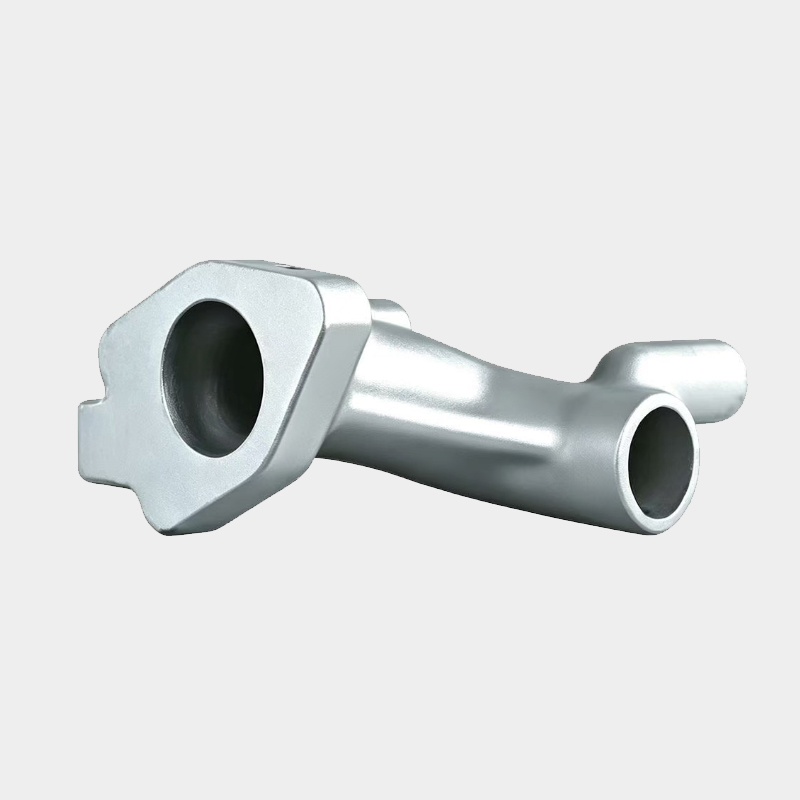
Premium High Quality Engine Parts - Superior Performance and Durability for All Applications

Get a Free Quote

Our representative will contact you soon.
Email
Name
Mobile
Company Name
Message
0/1000
Attachment
Upload Your Drawings / Files
Up to 3 files, each no larger than 30MB. Supported formats: jpg, jpeg, png, pdf, doc, docx, xls, xlsx, csv, txt, stp, step, igs, x_t, dxf, prt, sldprt, sat, rar, zip.

high quality engine parts

High quality engine parts represent the cornerstone of optimal vehicle performance and longevity. These precision-engineered components are designed to meet or exceed original equipment manufacturer specifications, ensuring seamless integration with your engine system. High quality engine parts encompass a wide range of critical components including pistons, crankshafts, camshafts, connecting rods, cylinder heads, valves, gaskets, bearings, and timing components. Each part undergoes rigorous testing and quality control procedures to guarantee reliability and consistent performance under demanding operating conditions. The main functions of high quality engine parts include converting fuel into mechanical energy, maintaining proper compression ratios, ensuring accurate valve timing, reducing friction between moving components, and maintaining optimal sealing throughout the engine assembly. Technological features incorporated into high quality engine parts include advanced metallurgy using aerospace-grade alloys, precision CNC machining for exact tolerances, heat treatment processes for enhanced durability, surface coatings that reduce wear, and computer-aided design that optimizes weight distribution and stress management. These components find applications across diverse sectors including automotive, marine, agricultural, industrial, and power generation equipment. Whether you operate passenger vehicles, commercial trucks, construction machinery, boats, or stationary engines, high quality engine parts provide the foundation for dependable operation. Modern manufacturing techniques ensure that high quality engine parts deliver superior dimensional accuracy, with tolerances measured in microns, guaranteeing perfect fitment and optimal clearances. The materials used in high quality engine parts are selected based on their specific application requirements, considering factors such as operating temperatures, stress loads, chemical resistance, and thermal expansion characteristics. Advanced testing protocols including metallurgical analysis, fatigue testing, and real-world simulation ensure that every batch of high quality engine parts meets stringent performance standards before reaching customers.

New Product Recommendations

Investing in high quality engine parts delivers substantial benefits that directly impact your operational efficiency and bottom line. First and foremost, these components significantly extend engine lifespan by maintaining proper tolerances and reducing wear on adjacent parts. When you install high quality engine parts, you experience improved fuel efficiency as precision-manufactured components minimize energy losses through friction and maintain optimal compression. This translates to measurable cost savings at the fuel pump, especially important for fleet operators and businesses relying on heavy equipment. High quality engine parts also enhance overall engine performance by ensuring consistent power delivery across the entire RPM range. You will notice smoother acceleration, better throttle response, and more reliable operation even under heavy loads or extreme conditions. The superior materials and manufacturing processes used in high quality engine parts result in dramatically reduced failure rates, meaning less downtime for repairs and maintenance. This reliability proves particularly valuable for commercial operations where every hour of downtime represents lost revenue. Another practical advantage comes from the improved heat dissipation characteristics of high quality engine parts, which help maintain optimal operating temperatures and prevent thermal damage to surrounding components. These parts also provide better resistance to oil contamination, carbon buildup, and chemical degradation, extending service intervals and reducing maintenance costs over time. High quality engine parts offer superior vibration damping properties, resulting in quieter engine operation and reduced stress on mounting points and auxiliary systems. The precision fitment of these components eliminates the need for extensive modifications or adjustments during installation, saving valuable labor time and reducing the risk of installation errors. You gain peace of mind knowing that high quality engine parts come with comprehensive warranties and technical support, protecting your investment and ensuring access to expert assistance when needed. The consistent quality control applied to high quality engine parts means predictable performance across multiple units, making inventory management and maintenance planning more straightforward for fleet managers. Furthermore, using high quality engine parts helps maintain your equipment's resale value by demonstrating proper maintenance practices and ensuring that future buyers receive machinery in excellent mechanical condition. These components also contribute to reduced emissions by maintaining proper combustion efficiency and sealing integrity, helping you meet environmental regulations while minimizing your carbon footprint.

Latest News

How Does a Precision Investment Casting Manufacturer Ensure Consistent Quality Across Global Supply Chains?

05

Jun

How Does a Precision Investment Casting Manufacturer Ensure Consistent Quality Across Global Supply Chains?

In today's interconnected industrial landscape, sourcing complex metal components across international borders presents a formidable quality challenge. the manufacturer must navigate an intricate web of raw material sourcing, multi-stage production c...
View More
Which Quality Standards Should a Custom Lost Wax Casting Foundry Meet for Export Markets?

05

Jun

Which Quality Standards Should a Custom Lost Wax Casting Foundry Meet for Export Markets?

Selecting a manufacturing partner for precision components intended for international buyers is never a straightforward decision. When the supply chain depends on a custom lost wax casting foundry, procurement engineers and quality managers must go b...
View More
How Do OEM ODM Precision Casting Services Support Flexible Design and Rapid Prototyping?

26

Jun

How Do OEM ODM Precision Casting Services Support Flexible Design and Rapid Prototyping?

Figure 1: Custom Valve Body Fabricated via Precision Investment Casting, Featuring Crisp Surface Details and Net-Shape Integrity. In today's fast-evolving manufacturing landscape, the ability to move from concept to production-ready component quickly...
View More
Why Are Stainless Steel Investment Castings Preferred for Corrosion Resistant Applications?

26

Jun

Why Are Stainless Steel Investment Castings Preferred for Corrosion Resistant Applications?

In demanding industrial environments where moisture, chemicals, and extreme temperatures are constant threats, material selection is one of the most critical engineering decisions a manufacturer can make. Among the available manufacturing methods, st...
View More

Get a Free Quote

Our representative will contact you soon.
Email
Name
Mobile
Company Name
Message
0/1000
Attachment
Upload Your Drawings / Files
Up to 3 files,more 30mb,suppor jpg、jpeg、png、pdf、doc、docx、xls、xlsx、csv、txt

high quality engine parts

Precision Engineering for Maximum Durability

Precision Engineering for Maximum Durability

High quality engine parts distinguish themselves through exceptional precision engineering that ensures maximum durability under the most challenging operating conditions. Every component begins with advanced computer-aided design software that analyzes stress points, thermal loads, and dynamic forces to optimize geometry and material distribution. This digital engineering process allows manufacturers to identify potential weak points before production begins, resulting in parts that exceed industry standards for strength and longevity. The manufacturing process employs state-of-the-art CNC machining centers capable of holding tolerances within 0.001 inches, ensuring perfect mating surfaces and optimal clearances between moving parts. This level of precision directly impacts engine performance by minimizing blow-by, reducing oil consumption, and maintaining consistent compression across all cylinders. High quality engine parts utilize advanced metallurgical processes including vacuum melting, controlled atmosphere heat treatment, and multi-stage tempering to achieve ideal hardness characteristics throughout each component. Surface treatments such as plasma nitriding, chromium plating, and diamond-like carbon coatings further enhance wear resistance and reduce friction coefficients, extending service life by up to three times compared to standard components. The material selection process for high quality engine parts involves extensive testing of various alloy compositions to identify the optimal balance between strength, ductility, thermal stability, and corrosion resistance. Forged components undergo grain flow alignment processes that orient the metal's crystalline structure along stress lines, dramatically improving fatigue resistance and impact strength. Quality control measures include magnetic particle inspection, ultrasonic testing, and coordinate measuring machine verification to ensure every part meets exact specifications before packaging. This commitment to precision engineering means that high quality engine parts maintain their critical dimensions even after thousands of hours of operation, preventing the cascading wear patterns that plague inferior components. The result is an engine that runs smoother, lasts longer, and requires less frequent maintenance intervention, providing exceptional value throughout its operational lifetime.
Enhanced Performance Through Advanced Materials

Enhanced Performance Through Advanced Materials

The exceptional performance characteristics of high quality engine parts stem directly from the advanced materials employed in their construction, representing decades of materials science research and development. Modern high quality engine parts incorporate specialized alloys that were originally developed for aerospace and motorsport applications, where failure is not an option and performance demands exceed normal automotive requirements. For instance, connecting rods in high quality engine parts often utilize micro-alloyed steels with precise additions of vanadium, molybdenum, and chromium that provide superior tensile strength while maintaining excellent fatigue resistance under cyclic loading. Piston assemblies in high quality engine parts frequently feature hypereutectic aluminum alloys with elevated silicon content, resulting in reduced thermal expansion, improved wear resistance, and enhanced dimensional stability at elevated operating temperatures. These advanced aluminum formulations allow pistons to maintain tighter tolerances with cylinder walls, improving sealing efficiency and reducing power losses. Valve train components in high quality engine parts benefit from specialized stainless steel alloys and ceramic coatings that withstand extreme combustion temperatures while resisting corrosion from acidic combustion byproducts. Bearing surfaces in high quality engine parts utilize tri-metal construction with precisely controlled overlay thicknesses, combining copper-lead intermediate layers for load distribution with tin-based running surfaces that provide exceptional embeddability and conformability. Gasket materials in high quality engine parts feature multi-layer steel construction with elastomeric coatings that maintain sealing integrity across wide temperature ranges and compensate for minor surface irregularities in mating components. The crankshafts found in high quality engine parts are typically forged from SAE 4340 chromoly steel, a material choice that delivers optimal strength-to-weight ratios and superior resistance to torsional fatigue. Advanced surface treatments applied to high quality engine parts include shot peening processes that induce beneficial compressive stresses in surface layers, dramatically improving resistance to crack initiation and propagation. These material innovations ensure that high quality engine parts deliver consistent performance throughout their service life, maintaining power output, efficiency, and reliability even as accumulated operating hours increase.
Comprehensive Compatibility and Easy Installation

Comprehensive Compatibility and Easy Installation

High quality engine parts excel in providing comprehensive compatibility across diverse engine platforms while ensuring straightforward installation processes that minimize downtime and reduce labor costs. Manufacturers of high quality engine parts invest heavily in reverse engineering and dimensional analysis to ensure their components match or exceed original equipment specifications, guaranteeing proper fitment without modifications or adaptations. This commitment to compatibility means that high quality engine parts can serve as direct replacements for worn or damaged original components, eliminating concerns about interface mismatches or clearance issues during assembly. The comprehensive cataloging systems employed by suppliers of high quality engine parts enable quick identification of the correct components for specific engine models, years, and configurations, streamlining the procurement process and reducing the risk of ordering incorrect parts. High quality engine parts arrive with detailed installation instructions, torque specifications, and assembly sequences that guide technicians through proper installation procedures, ensuring optimal performance and longevity. Pre-installation preparation of high quality engine parts includes precision cleaning processes that remove manufacturing residues and protective coatings, while critical surfaces arrive pre-lubricated with assembly compounds that prevent dry starts and initial wear. The packaging of high quality engine parts incorporates protective measures such as corrosion inhibitors, impact-resistant containers, and moisture barriers that ensure components arrive in perfect condition regardless of shipping duration or environmental exposure. Compatibility extends beyond dimensional accuracy to include thermal expansion matching, where high quality engine parts are designed with expansion coefficients that align with surrounding components, preventing stress concentrations during heat cycling. The modular design philosophy employed in high quality engine parts allows for partial engine rebuilds where only worn components require replacement, reducing overall repair costs compared to complete engine replacement. Technical support teams associated with high quality engine parts provide expert guidance on component selection, installation techniques, and troubleshooting, ensuring successful outcomes even for complex rebuilds. Quality assurance documentation accompanying high quality engine parts includes material certifications, dimensional inspection reports, and traceability information that satisfies warranty requirements and regulatory compliance needs. The interchangeability of high quality engine parts across related engine families reduces inventory requirements for maintenance facilities and fleet operators, simplifying parts management while ensuring critical components remain available when needed.
Premium High Quality Engine Parts - Superior Performance and Durability for All Applications

Get a Free Quote

Our representative will contact you soon.
Email
Name
Mobile
Company Name
Message
0/1000
Attachment
Upload Your Drawings / Files
Up to 3 files, each no larger than 30MB. Supported formats: jpg, jpeg, png, pdf, doc, docx, xls, xlsx, csv, txt, stp, step, igs, x_t, dxf, prt, sldprt, sat, rar, zip.