Výnimočná presnosť a schopnosť zložitej geometrie
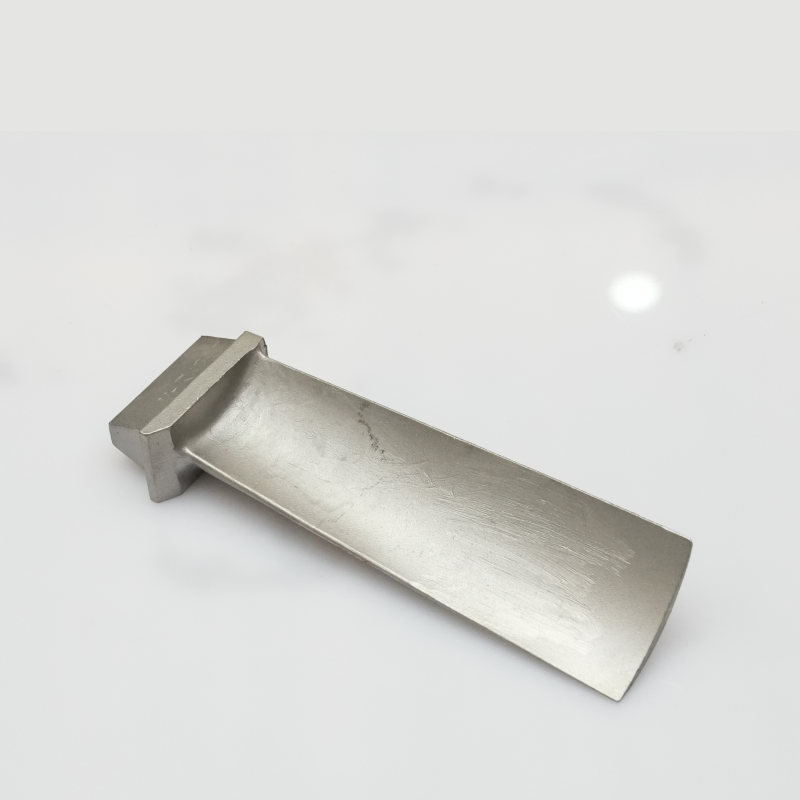
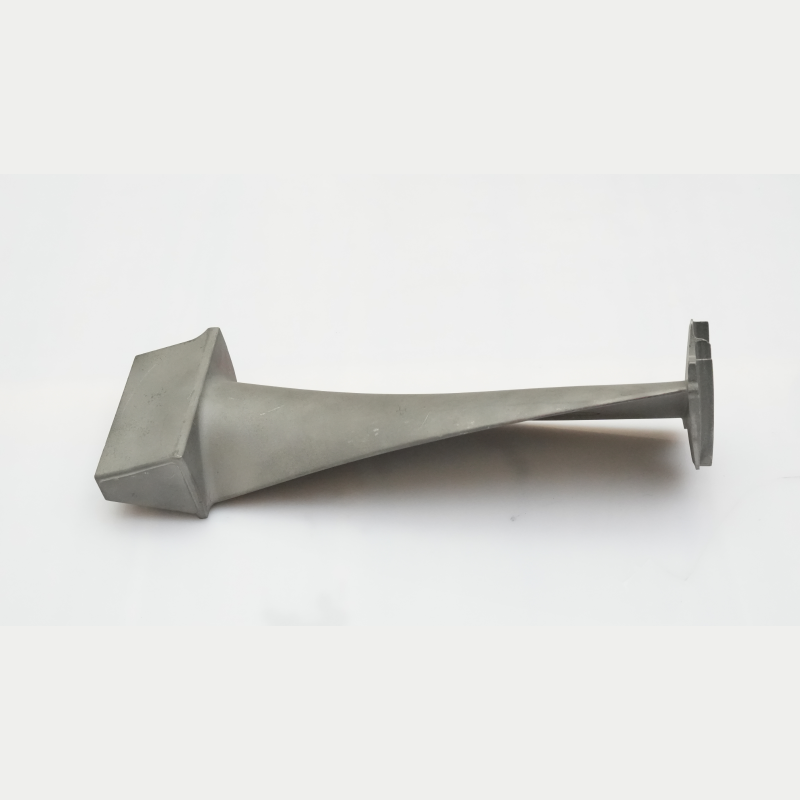
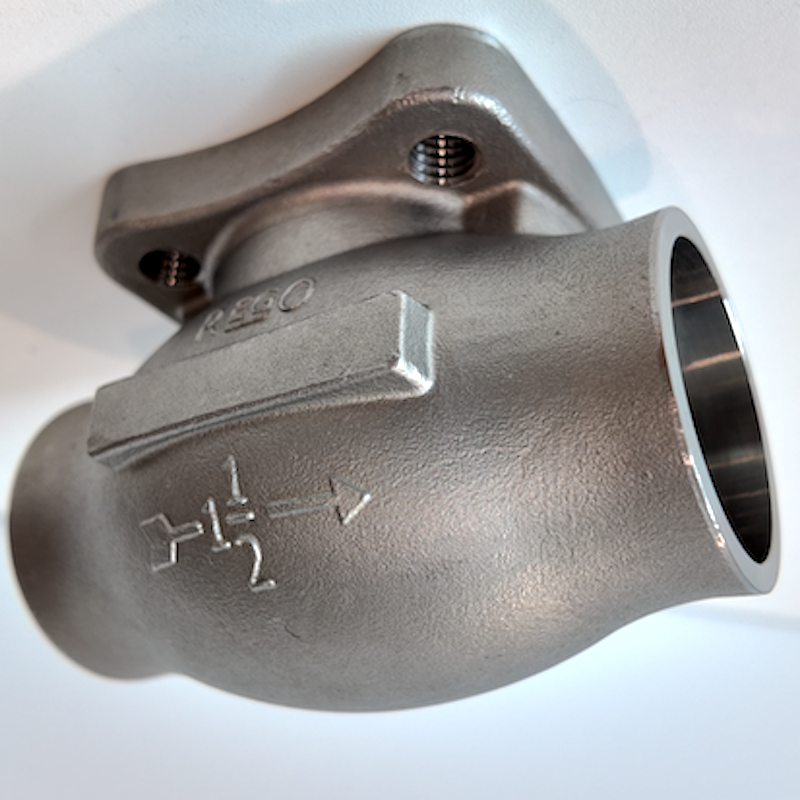
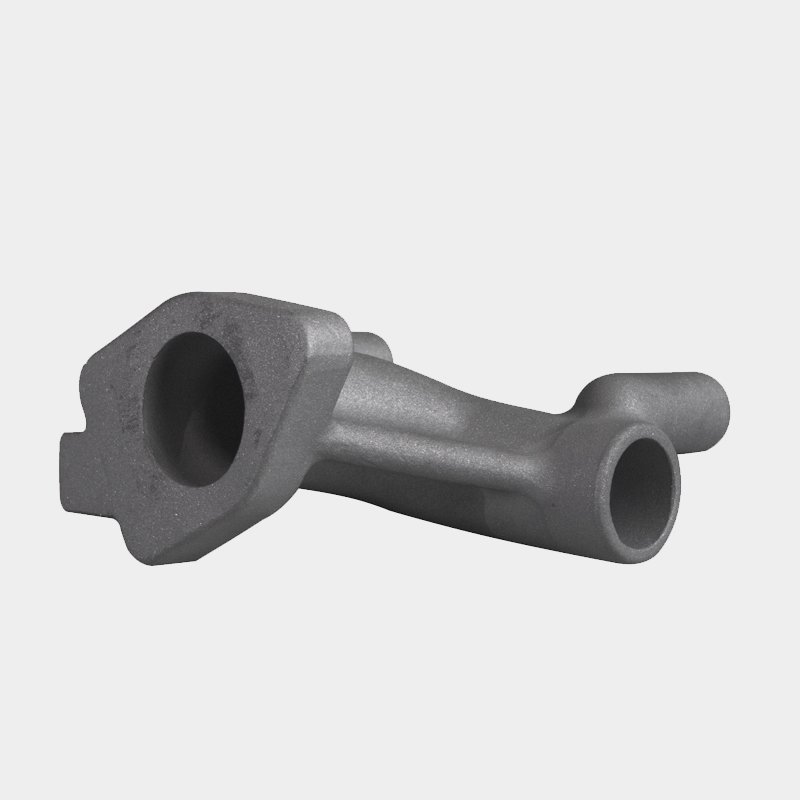
Automobilové súčiastky vyrobené investíciou do formy sa vyznačujú výbornou presnosťou pri výrobe komponentov s komplexnou geometriou, ktorá presahuje možnosti tradičných výrobných metód. Táto pokročilá litová technika umožňuje vyrábať súčiastky s rozmerovými toleranciami porovnateľnými s obrábanými komponentmi, pričom sa zvyčajne dosahuje presnosť do 0,005 palca alebo ešte vyššia, v závislosti od veľkosti a konfigurácie. Takáto presnosť eliminuje nákladné sekundárne obrábací operácie a zaisťuje dokonalé prilehnutie počas montáže, čím sa skracuje výrobný čas a minimalizujú sa kvalitné problémy na montážnej linke. Proces ľahko zvláda komplikované návrhy vrátane vnútorných dutín, tenkých stien s hrúbkou až 0,030 palca, premenných hrúbok stien a komplexných povrchových kontúr, ktoré sledujú organické tvary namiesto jednoduchých geometrických foriem. Inžinieri využívajú túto schopnosť na optimalizáciu návrhov komponentov z hľadiska výkonu namiesto obmedzení výroby, čím vytvárajú súčiastky, ktoré efektívne rozdeľujú napätie, minimalizujú hmotnosť a integrujú viaceré funkcie do jediného dielu. Napríklad turbodúchadlové kolesá s aerodynamicky optimalizovanými profilmi lopatiek, prevodové skrinky s integrovanými upevňovacími výstupkami a kanálmi pre kvapalinu, ako aj súčiastky podvozku s presne umiestnenými upevňovacími bodmi všetky profitujú z geometrickej slobody, ktorú ponúkajú automobilové súčiastky vyrobené investíciou do formy. Možnosť priameho liatia komplexných tvarov znamená, že návrhári môžu vytvárať komponenty, ktoré by pri konvenčných metódach vyžadovali viacero obrábacích nastavení, špeciálne nástroje a rozsiahle programovanie. Táto výhoda komplexnosti sa rozširuje aj na začlenenie prvkov, ako sú logá, čísla dielov a identifikačné značky priamo do litiny, čím sa eliminujú sekundárne operácie označovania. Proces investície do formy tiež poskytuje vynikajúcu kvalitu povrchu, zvyčajne v rozmedzí 125 až 250 mikropalcov Ra, čo zníži trenie v pohyblivých častiach, zlepší estetiku viditeľných komponentov a poskytne lepšie základy pre povlaky alebo pokovovanie, ak je to potrebné. Táto kvalita povrchu vychádza priamo z jemnej keramickej formy použitej v litovom procese, ktorá zachytáva najmenšie detaily a vytvára hladké povrchy bez stôp nástrojov, deliacich čiar alebo výškových úhlov, ktoré vyžadujú iné litové metódy. Kombinácia presnosti, schopnosti výroby komplexných tvarov a kvality povrchu robí automobilové súčiastky vyrobené investíciou do formy ideálnymi pre kritické aplikácie, kde nie je možné obetovať výkon, spoľahlivosť a účinnosť, a poskytuje výrobcom komponenty, ktoré spĺňajú stále prísnejšie automobilové priemyselné normy, a zároveň umožňuje inovatívne návrhy, ktoré odlišujú ich vozidlá na konkurencieschopných trhoch.

 EN
EN