Premium Automotive Investment Casting Parts - Precision Components for Vehicle Manufacturing

Get a Free Quote

Our representative will contact you soon.
Email
Name
Company Name
Message
0/1000

automotive investment casting parts

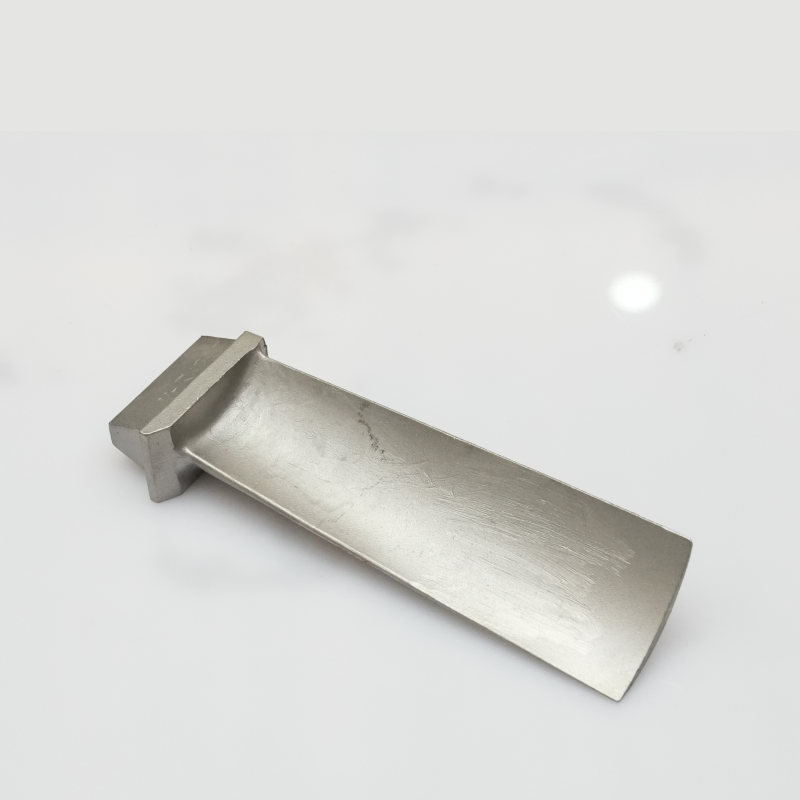
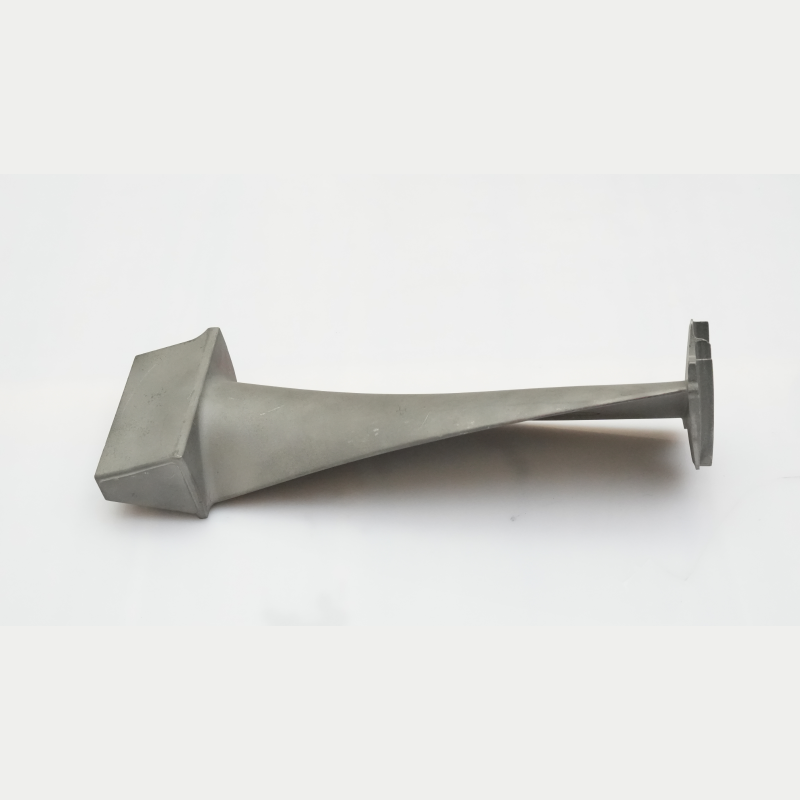
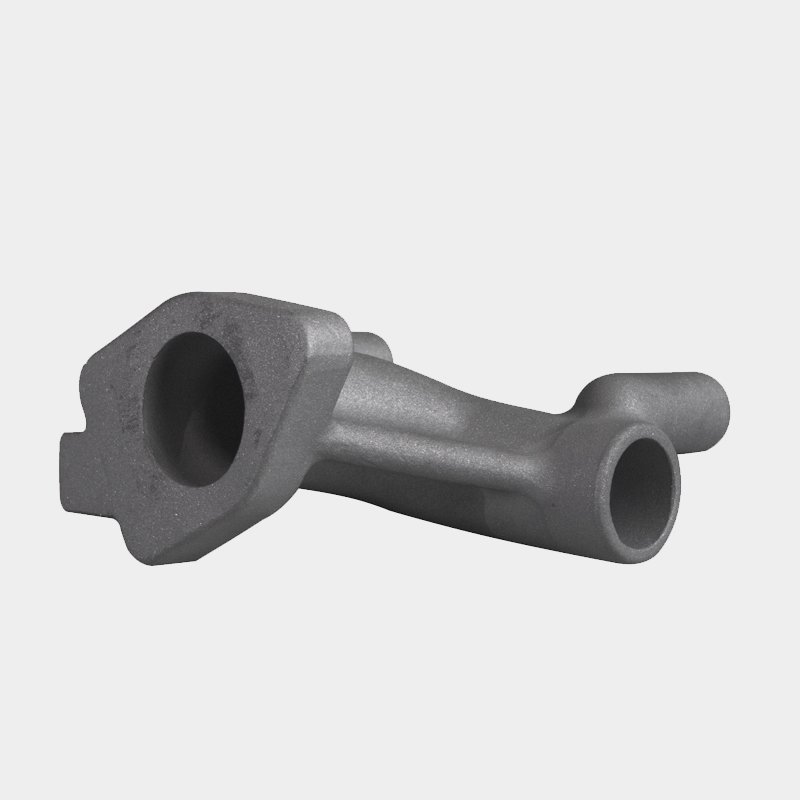
Automotive investment casting parts represent a sophisticated manufacturing solution that plays a crucial role in modern vehicle production. This precision metalworking process, also known as lost-wax casting, creates complex metal components with exceptional accuracy and surface quality. The technology involves creating a wax pattern, coating it with ceramic material, melting away the wax, and pouring molten metal into the resulting mold. Automotive investment casting parts serve multiple essential functions within vehicles, from engine components to transmission systems, steering mechanisms, and safety features. These parts deliver exceptional dimensional precision, typically achieving tolerances within 0.005 inches, making them ideal for components requiring exact specifications. The technological features of automotive investment casting parts include the ability to produce intricate geometries that would be difficult or impossible to achieve through traditional machining methods. This process accommodates various metal alloys, including stainless steel, carbon steel, aluminum alloys, and specialized high-performance materials. The smooth surface finish produced by investment casting often eliminates the need for secondary machining operations, reducing overall production costs and time. Applications span across virtually every vehicle system, with automotive investment casting parts found in turbochargers, exhaust manifolds, brake components, suspension parts, fuel system elements, and powertrain assemblies. The automotive industry increasingly relies on these components because they offer design flexibility, allowing engineers to consolidate multiple parts into single castings, thereby reducing assembly time and potential failure points. These parts withstand extreme operating conditions, including high temperatures, constant vibration, and corrosive environments. The process enables manufacturers to achieve thin-wall sections while maintaining structural integrity, contributing to overall vehicle weight reduction and improved fuel efficiency. As automotive technology advances toward electric and hybrid vehicles, automotive investment casting parts continue to evolve, supporting new applications in battery housings, electric motor components, and advanced thermal management systems.

New Products

Choosing automotive investment casting parts delivers tangible benefits that directly impact your bottom line and product performance. First and foremost, these components provide exceptional cost efficiency for medium to high-volume production runs. Unlike traditional machining that wastes significant material through cutting and drilling, investment casting achieves near-net-shape results, meaning parts emerge from molds already close to final dimensions. This material efficiency translates to lower raw material costs and reduced waste disposal expenses. You will appreciate the design freedom that automotive investment casting parts offer. Engineers can create complex internal passages, undercuts, and intricate external features without requiring expensive multi-axis machining or assembly of multiple pieces. This capability allows you to optimize part performance while simplifying your supply chain by reducing component counts. The superior surface finish of automotive investment casting parts often eliminates secondary finishing operations entirely. Parts emerge with smooth surfaces measuring 125 micro-inches or better, ready for installation or requiring only minimal finishing. This characteristic saves processing time and reduces handling costs throughout your manufacturing operation. Quality consistency stands as another major advantage. Once the production process is established, automotive investment casting parts maintain tight dimensional tolerances across thousands of units. This repeatability minimizes quality control concerns and reduces rejection rates, ensuring reliable delivery schedules. You gain significant flexibility in material selection with investment casting technology. Whether your application demands the corrosion resistance of stainless steel, the lightweight properties of aluminum, or the high-temperature capabilities of specialized superalloys, automotive investment casting parts can accommodate your specific requirements. The process also facilitates rapid prototyping and design iterations. Manufacturers can produce test castings relatively quickly, allowing you to evaluate fit, form, and function before committing to full production tooling. This accelerates development timelines and reduces the risk of costly design errors. Weight reduction represents a critical advantage in modern automotive applications. Automotive investment casting parts enable thin-wall construction and topology optimization that cuts component weight without sacrificing strength. Lighter vehicles consume less fuel, produce fewer emissions, and deliver better performance. Finally, these parts demonstrate excellent mechanical properties. The casting process creates fine-grain structures that enhance strength, ductility, and fatigue resistance, ensuring long service life even under demanding operating conditions.

Latest News

Basic Principles Of Design Of Precision Casting Gating System

11

May

Basic Principles Of Design Of Precision Casting Gating System

View More
Selection And Application Scope Of Hardness Tester

11

May

Selection And Application Scope Of Hardness Tester

View More
Stainless Steel Castings for Building Facade Systems

11

May

Stainless Steel Castings for Building Facade Systems

View More
Precision Stainless Steel Exhaust Manifold Casting Solution For Luxury Sedan - With Japanese First-Tier Car Brand

11

May

Precision Stainless Steel Exhaust Manifold Casting Solution For Luxury Sedan - With Japanese First-Tier Car Brand

View More

Get a Free Quote

Our representative will contact you soon.
Email
Name
Company Name
Message
0/1000

automotive investment casting parts

Precision Engineering That Eliminates Manufacturing Complexity

Precision Engineering That Eliminates Manufacturing Complexity

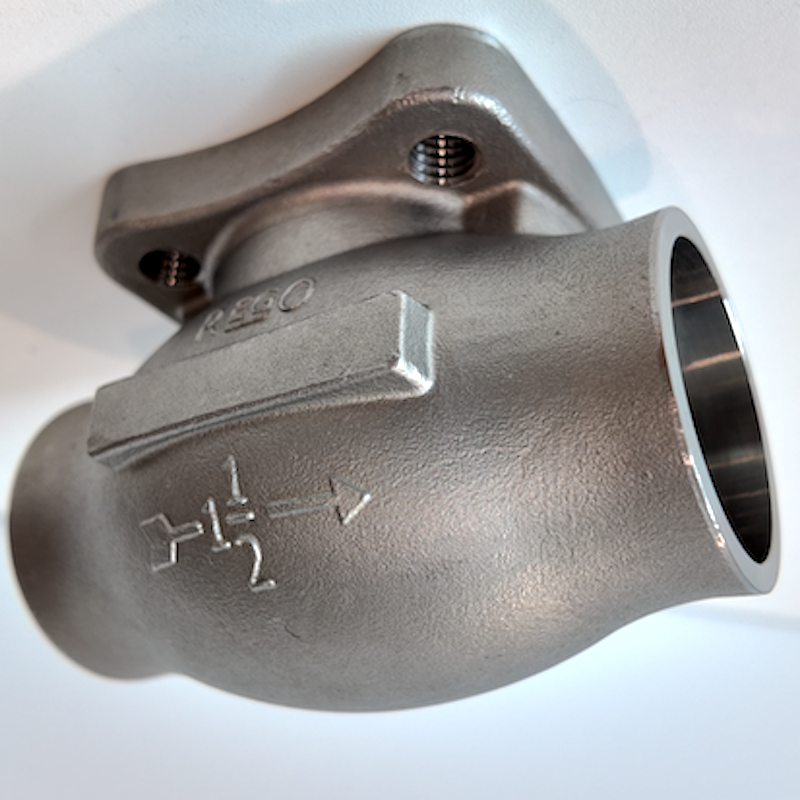
Automotive investment casting parts excel at transforming complicated manufacturing challenges into streamlined production realities. This advantage becomes particularly valuable when you face components with complex geometries that would require multiple machining operations or assembly of several pieces. Traditional manufacturing approaches often demand extensive setup time, specialized tooling, and multi-step processes that increase both cost and potential error points. Investment casting consolidates these complications into a single manufacturing step. Consider a turbocharger housing that requires internal cooling passages, mounting bosses at specific angles, and aerodynamic external contours. Machining such a component would necessitate expensive five-axis equipment, multiple setups, and extensive programming time. Automotive investment casting parts eliminate this complexity by producing the entire component in one casting operation. The precision inherent in this process achieves dimensional accuracies that rival machined components, typically holding tolerances of plus or minus 0.005 inches across critical dimensions. This precision extends to wall thickness control, allowing manufacturers to specify thin sections for weight savings while maintaining thicker areas where structural strength is essential. You gain the ability to incorporate features like logos, part numbers, and identification marks directly into the casting, eliminating secondary marking operations. The smooth surface finish produced by automotive investment casting parts, typically ranging from 63 to 125 micro-inches, often meets final specifications without grinding or polishing. This characteristic proves especially valuable for components in visible locations or those requiring specific surface conditions for sealing or bearing surfaces. The technology accommodates intricate internal features such as cooling channels, oil galleries, and air passages that would be impossible to machine after the part is formed. This capability enables thermal management solutions that enhance component performance and longevity. Furthermore, automotive investment casting parts support design optimization through computer simulation and topology analysis. Engineers can remove material from non-stressed areas, add reinforcement where needed, and create organic shapes that distribute loads efficiently. This design freedom results in parts that perform better while using less material, directly contributing to vehicle efficiency and sustainability goals.
Material Versatility That Matches Performance Requirements Exactly

Material Versatility That Matches Performance Requirements Exactly

The exceptional material flexibility of automotive investment casting parts empowers you to select precisely the right alloy for each specific application without compromise. This versatility extends across the entire spectrum of automotive requirements, from everyday durability to extreme performance conditions. Investment casting accommodates ferrous metals including carbon steels, stainless steels in various grades, and specialty alloys designed for specific properties. When your application demands corrosion resistance for exhaust systems or components exposed to road salt and moisture, automotive investment casting parts can be produced from austenitic stainless steels like 304 or 316 grades. These materials maintain their integrity through years of exposure to harsh environments. For components requiring exceptional strength-to-weight ratios, aluminum alloys represent an ideal choice. Automotive investment casting parts produced from aluminum alloys such as A356 or A357 deliver mechanical properties comparable to steel at approximately one-third the weight. This weight advantage directly improves vehicle fuel economy and handling characteristics. High-temperature applications benefit from specialized materials like heat-resistant stainless steels or nickel-based superalloys. Turbocharger components, exhaust manifolds, and other parts operating at elevated temperatures rely on automotive investment casting parts made from these advanced materials that maintain strength and resist oxidation even when glowing red-hot. The process also supports duplex stainless steels that combine the best characteristics of austenitic and ferritic structures, delivering superior strength and corrosion resistance for demanding applications like transmission components and suspension parts. Beyond standard alloys, investment casting enables the use of proprietary materials developed for specific performance requirements. You can work with metallurgists to formulate custom alloys that address unique challenges in your application. The casting process preserves the intended metallurgical properties of these materials, ensuring that the finished automotive investment casting parts deliver the performance characteristics you designed for. Material traceability represents another important aspect of this versatility. Manufacturers maintain detailed records linking each casting to its specific heat of material, providing documentation that supports quality systems and regulatory compliance. This traceability proves essential for critical safety components and high-performance applications where material properties must be verified and certified.
Production Scalability That Grows With Your Business Needs

Production Scalability That Grows With Your Business Needs

Automotive investment casting parts provide remarkable scalability that adapts to your production volume requirements, whether you need prototype quantities or millions of units annually. This flexibility makes the technology accessible for startups developing innovative vehicle components as well as established manufacturers serving global automotive markets. The economic viability of investment casting begins at relatively low volumes compared to other casting methods. While die casting typically requires production runs of tens of thousands of parts to justify tooling costs, automotive investment casting parts become cost-effective at volumes as low as several hundred units. This lower threshold enables you to enter production sooner and respond to market opportunities without massive capital investment. For prototype and pre-production phases, rapid tooling methods allow creation of test castings within weeks. You can evaluate actual production-intent parts rather than relying solely on prototypes made through different processes that may not accurately represent final characteristics. This capability accelerates development timelines and improves design validation. As your volume requirements increase, the production process scales efficiently. Manufacturers can increase capacity by adding more molds to each production cycle rather than requiring entirely new equipment. This incremental scaling controls costs while maintaining the quality and consistency you have already validated. Automotive investment casting parts support lean manufacturing principles by enabling just-in-time production strategies. The relatively short cycle times compared to permanent mold methods mean you can maintain lower inventory levels while still meeting delivery schedules. This inventory reduction frees working capital for other business needs. The global nature of investment casting supply chains provides geographic flexibility. You can source automotive investment casting parts from facilities located near your assembly operations to minimize shipping costs and lead times, or leverage overseas production for cost advantages on high-volume programs. Quality remains consistent regardless of production location when working with qualified suppliers who follow standardized processes. Automation integration represents another scalability advantage. Modern investment casting facilities incorporate robotic systems for shell building, dewaxing, pouring, and finishing operations. This automation improves consistency, reduces labor costs, and enables lights-out production for maximum efficiency. Despite this automation, the process retains flexibility to accommodate engineering changes without the massive retooling expenses associated with die casting or forging methods. You can implement design improvements quickly, supporting continuous improvement initiatives and responding to field performance data.

Get a Free Quote

Our representative will contact you soon.
Email
Name
Company Name
Message
0/1000