Professional Metal Casting Company - Precision Manufacturing Solutions & Custom Cast Components

Get a Free Quote

Our representative will contact you soon.
Email
Name
Company Name
Message
0/1000

metal casting company

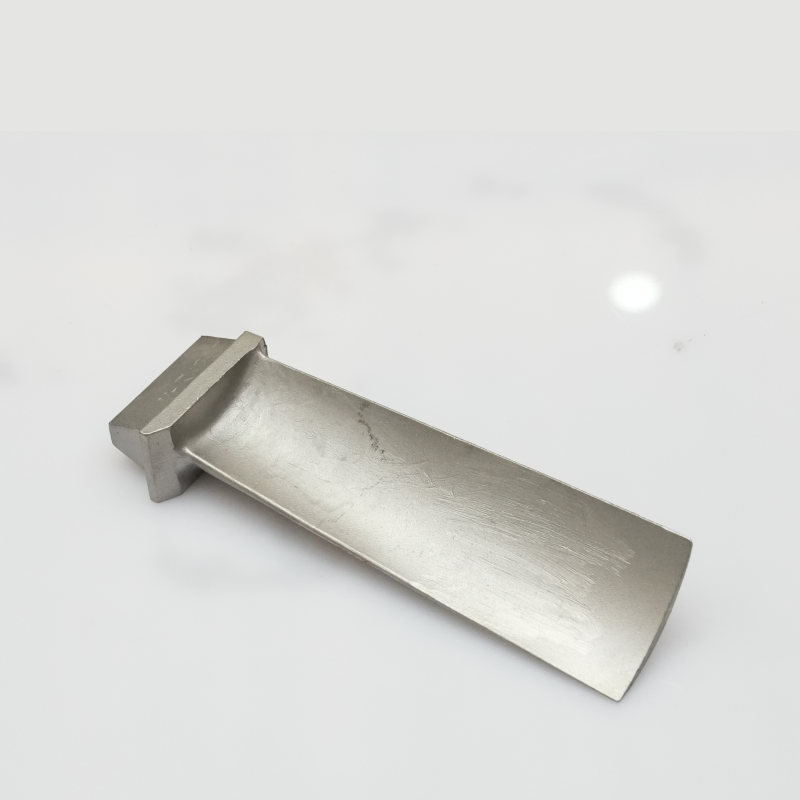
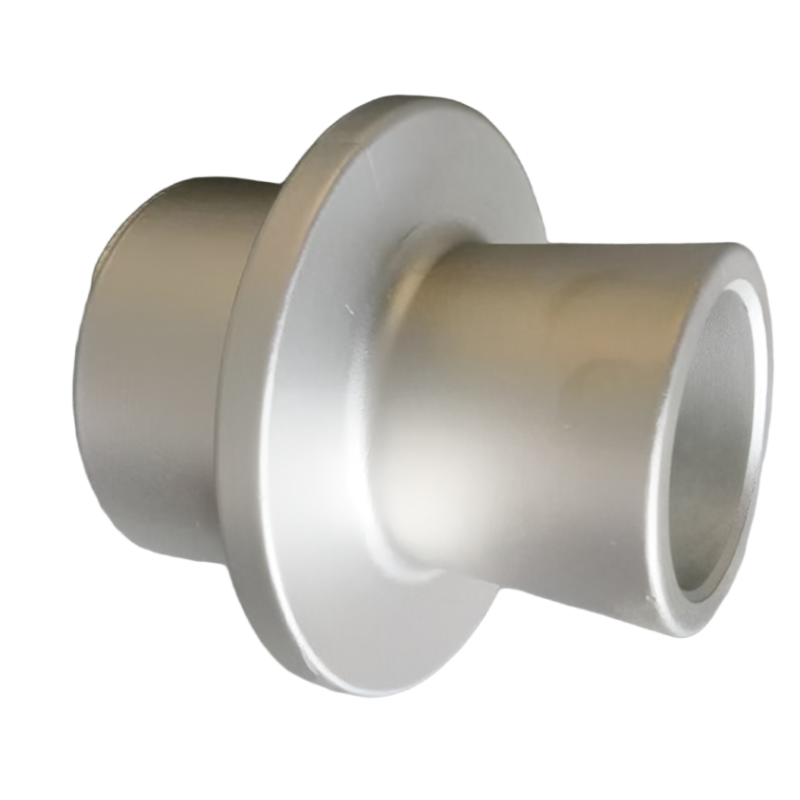
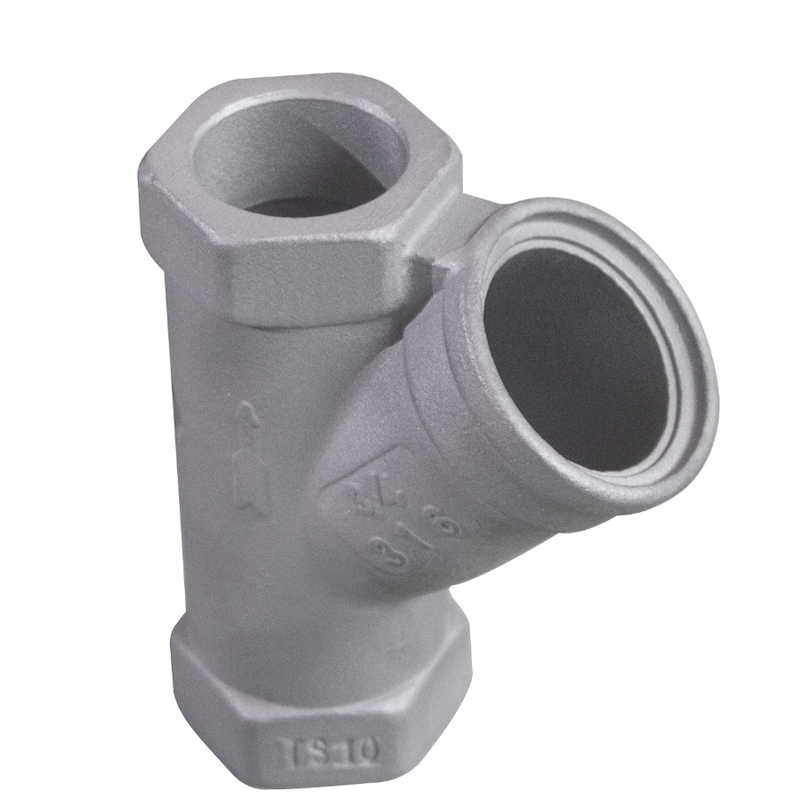
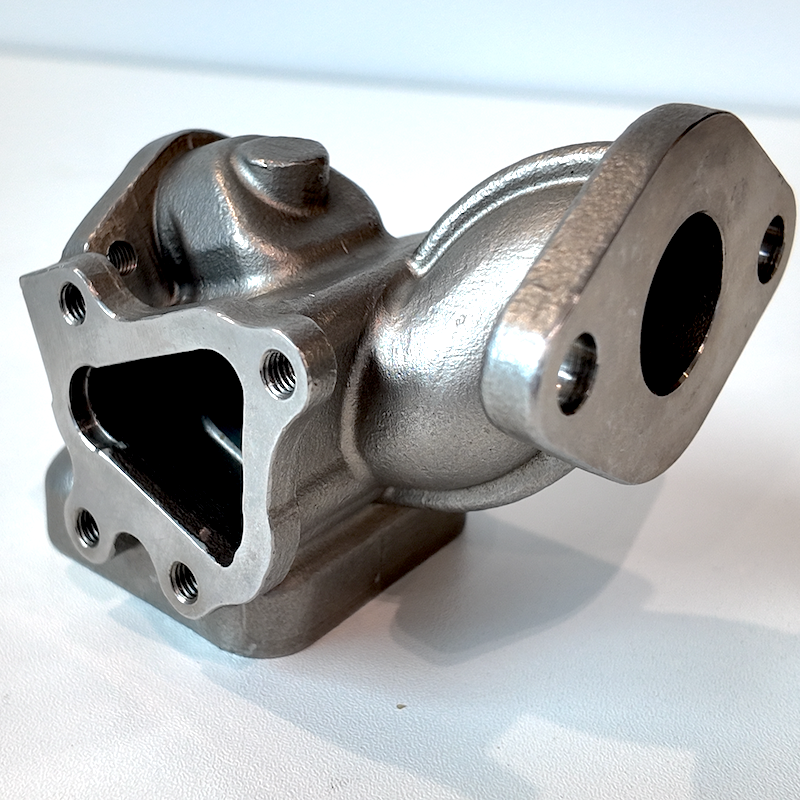
A metal casting company specializes in transforming molten metal into precisely shaped components through various manufacturing processes. These specialized manufacturers serve as essential partners for industries requiring durable, complex metal parts that cannot be easily produced through other fabrication methods. The primary function of a metal casting company involves melting base metals or alloys, pouring the liquid material into carefully designed molds, and allowing controlled solidification to create finished products. Modern metal casting operations utilize advanced technologies including computer-aided design software, automated pouring systems, and sophisticated quality control equipment to ensure consistent results. The technological features employed by a contemporary metal casting company include simulation software that predicts metal flow patterns, thermal analysis tools that optimize cooling rates, and precision measurement devices that verify dimensional accuracy. These companies work with diverse materials ranging from aluminum and bronze to steel and specialized alloys, each selected based on specific application requirements. The casting processes available include sand casting for large components, investment casting for intricate details, die casting for high-volume production, and permanent mold casting for improved surface finishes. Applications for cast metal components span virtually every industrial sector, from automotive engine blocks and transmission housings to aerospace structural components, agricultural equipment parts, mining machinery, construction hardware, and medical device components. A professional metal casting company provides comprehensive services including design consultation, prototype development, tooling fabrication, production casting, finishing operations, and quality assurance testing. The versatility of casting technology enables the production of parts weighing from mere grams to several tons, with geometries ranging from simple shapes to highly complex internal passages and external contours that would be impossible or prohibitively expensive to machine from solid stock.

New Product Recommendations

Choosing the right metal casting company delivers substantial benefits that directly impact your production efficiency and bottom line. Cost effectiveness represents a primary advantage, as casting eliminates the need for extensive machining operations and material waste associated with subtractive manufacturing methods. When your project requires complex geometries with internal cavities, undercuts, or intricate surface details, a metal casting company provides solutions that would require multiple machined components assembled together, saving both time and expense. The design flexibility offered by casting processes allows engineers to consolidate multiple parts into single integrated components, reducing assembly requirements, eliminating potential failure points, and decreasing overall system weight. Material efficiency stands as another significant benefit, since casting uses nearly all the metal charged into the furnace, with any excess material easily recycled back into production. A competent metal casting company maintains expertise across various alloys and can recommend the optimal material for your specific application, balancing mechanical properties, corrosion resistance, temperature performance, and cost considerations. Production scalability allows you to start with prototype quantities and seamlessly transition to high-volume manufacturing without redesigning your components or investing in entirely different production equipment. The structural integrity of cast parts often exceeds that of welded assemblies because the metal solidifies as a single continuous piece without joints or seams that create potential weakness zones. Surface finish capabilities have improved dramatically, with modern casting techniques producing parts that require minimal post-processing before use. Lead time advantages become apparent when you need components quickly, as a metal casting company can often produce functional parts faster than machining them from bar stock, especially for complex shapes. Quality consistency improves through established process controls, with each casting produced from the same tooling under monitored conditions, ensuring dimensional repeatability across production runs. Environmental responsibility characterizes modern casting operations, which increasingly utilize energy-efficient melting equipment, recycled raw materials, and closed-loop water systems that minimize ecological impact. Technical support from experienced casting engineers helps optimize your designs for manufacturability, potentially identifying cost-saving modifications that improve performance while reducing production expenses. The ability to produce large components as single pieces eliminates transportation and assembly challenges associated with joining multiple smaller sections in the field.

Tips And Tricks

Basic Principles Of Design Of Precision Casting Gating System

11

May

Basic Principles Of Design Of Precision Casting Gating System

View More
Stainless Steel Castings for Architectural Posts

11

May

Stainless Steel Castings for Architectural Posts

View More
Stainless Steel Castings for Building Facade Systems

11

May

Stainless Steel Castings for Building Facade Systems

View More
Precision Stainless Steel Exhaust Manifold Casting Solution For Luxury Sedan - With Japanese First-Tier Car Brand

11

May

Precision Stainless Steel Exhaust Manifold Casting Solution For Luxury Sedan - With Japanese First-Tier Car Brand

View More

Get a Free Quote

Our representative will contact you soon.
Email
Name
Company Name
Message
0/1000

metal casting company

Advanced Precision Casting Technology and Quality Control Systems

Advanced Precision Casting Technology and Quality Control Systems

A forward-thinking metal casting company distinguishes itself through investment in cutting-edge precision casting technology and comprehensive quality control systems that ensure every component meets exact specifications. Modern casting facilities incorporate sophisticated simulation software that virtually tests metal flow, solidification patterns, and potential defect formation before any physical tooling is constructed, dramatically reducing development time and eliminating costly trial-and-error approaches. These digital tools allow engineers to optimize gating systems, riser placement, and cooling strategies, resulting in castings with superior mechanical properties and minimal internal defects. The implementation of automated pouring systems controlled by precise temperature monitoring and flow rate regulation ensures consistency across every production run, eliminating the variables introduced by manual operations. Robotic material handling systems move components through various production stages without human contact, reducing contamination risks and improving workplace safety. Coordinate measuring machines with touch-probe and laser scanning capabilities verify dimensional accuracy to tolerances measured in thousandths of an inch, with statistical process control software tracking measurements over time to identify trends before they result in rejected parts. X-ray and ultrasonic inspection equipment reveals internal structures, detecting porosity, inclusions, or other subsurface discontinuities that could compromise component performance under operational stresses. Spectrometric analysis confirms precise alloy composition, ensuring that material properties match design requirements for strength, hardness, corrosion resistance, and other critical characteristics. Climate-controlled production environments maintain stable temperatures and humidity levels that prevent dimensional variations caused by thermal expansion or moisture absorption during manufacturing. The integration of enterprise resource planning systems coordinates scheduling, inventory management, and production tracking, providing customers with real-time visibility into order status and delivery timelines. A commitment to continuous improvement drives ongoing investment in emerging technologies like additive manufacturing for rapid prototype tooling, electromagnetic stirring for refined grain structures, and vacuum-assisted casting for components requiring exceptional material purity. This technological sophistication translates directly into tangible customer benefits including reduced scrap rates, faster time-to-market for new products, and confidence that delivered components will perform reliably throughout their intended service life.
Comprehensive Material Expertise and Custom Alloy Development Capabilities

Comprehensive Material Expertise and Custom Alloy Development Capabilities

The depth of metallurgical knowledge possessed by an experienced metal casting company represents an invaluable resource for customers navigating complex material selection decisions and specialized application requirements. Expert metallurgists understand the nuanced relationships between alloy composition, casting process parameters, heat treatment procedures, and resulting mechanical properties, enabling them to recommend optimal materials that balance performance requirements with cost constraints. This expertise extends across the full spectrum of castable metals including aluminum alloys prized for their strength-to-weight ratio and corrosion resistance, copper-based alloys offering superior thermal and electrical conductivity, ferrous materials providing exceptional strength and wear resistance, and specialized alloys engineered for extreme temperature environments or corrosive chemical exposures. When standard commercial alloys cannot satisfy unique application demands, a capable metal casting company collaborates with customers to develop custom formulations tailored to specific performance criteria. This custom alloy development process begins with thorough analysis of operational conditions, stress patterns, environmental exposures, and failure mode concerns, followed by laboratory-scale melting trials, mechanical property testing, and casting trials that validate manufacturability before full production commitment. The ability to cast dissimilar metals within single components through processes like bimetallic casting creates opportunities for optimized designs that position each material where its properties provide maximum benefit. Material traceability systems track every heat of metal from incoming raw materials through final casting identification, providing complete documentation that satisfies quality management requirements and regulatory compliance mandates in industries like aerospace, medical devices, and nuclear power. Failure analysis services help customers understand root causes when cast components experience unexpected service issues, with metallurgical investigation revealing whether problems stem from material deficiencies, design inadequacies, manufacturing variations, or unanticipated operating conditions. This diagnostic capability often leads to improved designs or modified materials that prevent recurrence. Heat treatment expertise allows the metal casting company to deliver components in optimized metallurgical conditions, whether that requires solution annealing for maximum ductility, precipitation hardening for peak strength, stress relieving to minimize distortion risks, or specialized thermal cycles that achieve specific property combinations. Ongoing material research keeps the organization current with emerging alloys, processing techniques, and industry standards, ensuring customers benefit from the latest metallurgical advances applicable to their applications.
Flexible Production Capacity and Responsive Customer Service Excellence

Flexible Production Capacity and Responsive Customer Service Excellence

A distinguished metal casting company demonstrates its value through flexible production capacity that accommodates diverse project scales and responsive customer service that treats every client as a valued partner regardless of order size. This operational flexibility begins with versatile manufacturing equipment capable of producing components ranging from intricate jewelry-sized parts weighing mere ounces to massive industrial castings exceeding several tons, with foundry layouts designed to handle both prototype quantities and sustained high-volume production runs. Multiple melting furnaces sized for different production volumes ensure efficient operations whether melting a few hundred pounds for a development project or continuously feeding tons of molten metal into automated production lines. Pattern and tooling shops equipped with modern CNC machining centers and additive manufacturing equipment produce high-quality molds and dies with lead times that support aggressive development schedules, while maintaining libraries of existing tooling for customers requiring repeat production of established components. The ability to switch between different casting processes within a single facility provides customers with options to optimize their components for specific requirements, whether that means using investment casting for a prototype evaluation, transitioning to permanent mold casting for medium-volume production, or implementing high-pressure die casting for sustained high-volume manufacturing. Production scheduling systems balance capacity across multiple customer projects while maintaining committed delivery dates, with expediting capabilities available when urgent requirements arise due to unexpected demand surges or supply chain disruptions affecting alternative sources. Customer service representatives with technical backgrounds understand casting terminology, can interpret engineering drawings, and communicate effectively with both purchasing personnel and design engineers, ensuring accurate order processing and proactive communication about any questions or concerns that arise during production. The metal casting company assigns dedicated account managers to major customers, creating continuity and building institutional knowledge about specific preferences, quality expectations, and communication protocols. Engineering support remains available throughout the product lifecycle, from initial design consultation and manufacturability reviews through production optimization and potential redesigns driven by evolving performance requirements or cost reduction initiatives. Transparent pricing structures clearly explain cost drivers and provide customers with information needed to make informed decisions about design modifications, material selections, or production quantity adjustments that could improve value. Quality documentation packages customized to individual customer requirements include dimensional inspection reports, material certifications, process verification records, and any specialized testing data specified by contract or industry standards. Continuous communication keeps customers informed about order status, potential delays, and delivery schedules, while proactive problem-solving addresses any issues before they impact customer operations. This combination of production flexibility and service excellence establishes the metal casting company as a reliable partner capable of supporting customer success through every phase of product development and throughout ongoing production lifecycles.

Get a Free Quote

Our representative will contact you soon.
Email
Name
Company Name
Message
0/1000