Lost Wax Casting Manufacturer | Precision Investment Casting Services & Solutions

Get a Free Quote

Our representative will contact you soon.
Email
Name
Company Name
Message
0/1000

lost wax casting manufacturer

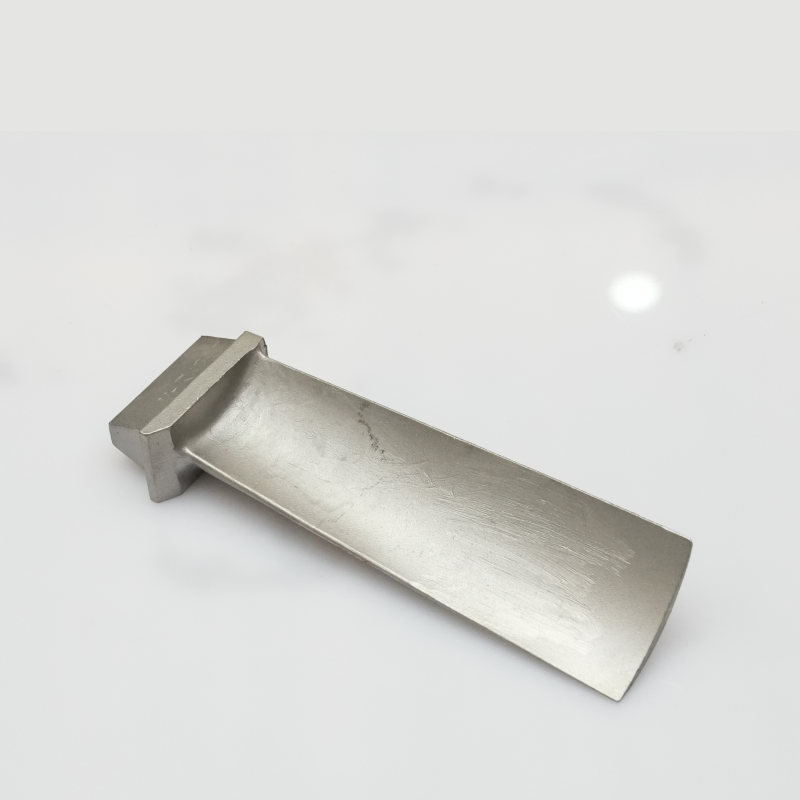
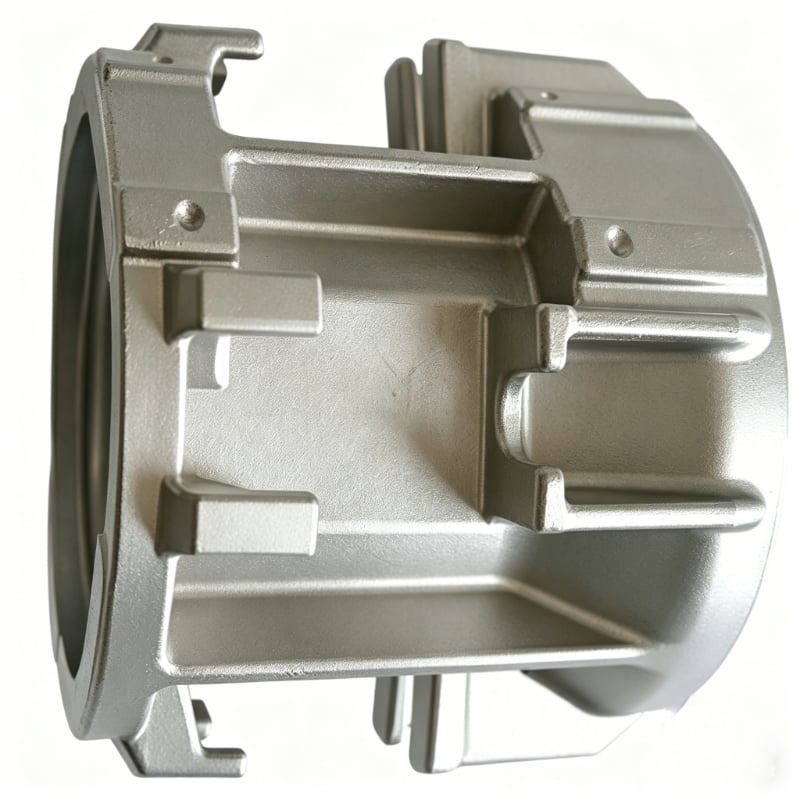
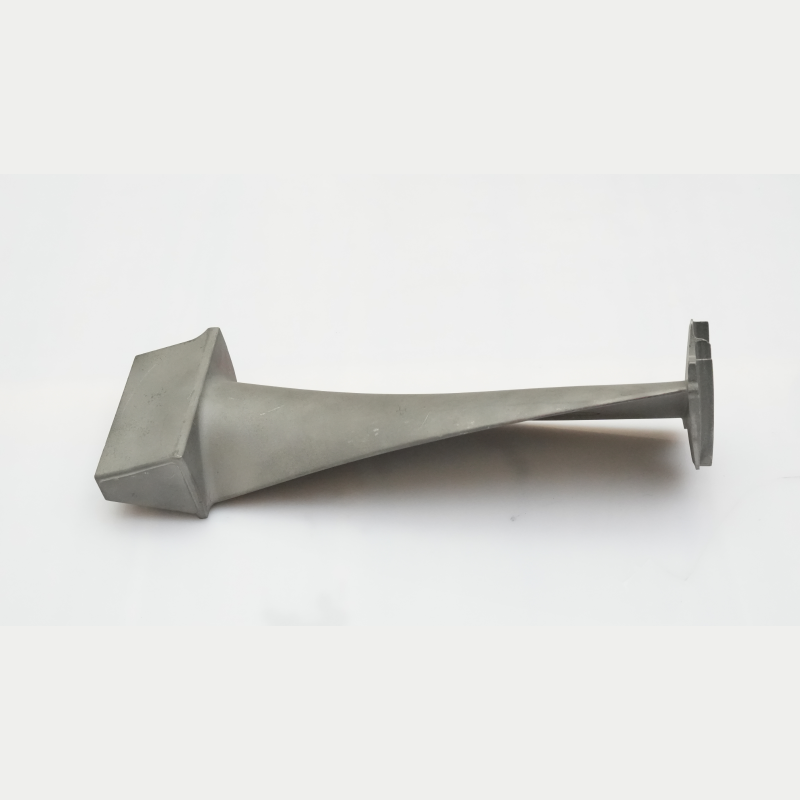
A lost wax casting manufacturer specializes in producing precision metal components through an ancient yet highly refined metallurgical process known as investment casting or lost wax casting. This sophisticated manufacturing technique enables the creation of intricate metal parts with exceptional dimensional accuracy and superior surface finish. The lost wax casting manufacturer operates by creating a wax pattern of the desired component, coating it with ceramic material to form a mold, melting away the wax to leave a precise cavity, and then pouring molten metal into this cavity to produce the final casting. The main functions of a lost wax casting manufacturer encompass design consultation, pattern creation, mold development, metal pouring, finishing operations, and quality assurance testing. These manufacturers work with various metals including stainless steel, carbon steel, aluminum alloys, bronze, brass, and specialized alloys to meet diverse industrial requirements. The technological features that distinguish a lost wax casting manufacturer include advanced 3D modeling capabilities, precision wax injection systems, automated ceramic shell building equipment, controlled atmosphere furnaces, and sophisticated metallurgical analysis tools. Modern facilities employ computer-aided design software to optimize part geometry before production begins, ensuring manufacturability and cost-effectiveness. Applications for products from a lost wax casting manufacturer span numerous industries including aerospace, automotive, medical devices, industrial machinery, marine equipment, energy sector components, and artistic sculptures. The aerospace industry relies heavily on these manufacturers for turbine blades, structural components, and engine parts that demand exceptional strength-to-weight ratios. Medical device manufacturers utilize lost wax casting for surgical instruments, dental implants, and orthopedic components requiring biocompatible materials and precise dimensions. The automotive sector benefits from complex engine components, transmission parts, and decorative elements produced through this process. Industrial machinery manufacturers depend on these specialized producers for pump housings, valve bodies, and custom mechanical assemblies that would be difficult or impossible to create through conventional machining methods.

New Product Releases

Choosing a lost wax casting manufacturer offers numerous practical benefits that directly impact your production efficiency, product quality, and bottom line. First, this manufacturing method delivers exceptional design freedom, allowing you to create complex geometries with undercuts, internal passages, and intricate details that would require multiple operations or prove impossible with other manufacturing techniques. You can consolidate multiple machined parts into a single casting, reducing assembly time, eliminating potential failure points, and lowering overall production costs. The process produces components with excellent surface finish right out of the mold, typically requiring minimal secondary operations, which saves you both time and money in post-processing expenses. Material utilization reaches impressive efficiency levels since the process generates minimal waste compared to subtractive manufacturing methods, and any excess material can often be recycled back into production. You gain access to a wide material selection, enabling you to choose the optimal alloy for your specific application requirements, whether you need corrosion resistance, high temperature performance, magnetic properties, or specific mechanical characteristics. Dimensional accuracy stands as another significant advantage, with tolerances achievable within plus or minus 0.005 inches in many cases, reducing or eliminating expensive machining operations. When you partner with a lost wax casting manufacturer, you benefit from their metallurgical expertise and process knowledge accumulated over years of specialized production. They can recommend design modifications that improve castability, reduce costs, and enhance performance without compromising your functional requirements. Production scalability offers flexibility for both prototype quantities and high-volume manufacturing runs, allowing you to test market acceptance before committing to large production investments. Lead times prove competitive once tooling is complete, with many manufacturers capable of producing hundreds or thousands of parts weekly depending on size and complexity. Quality consistency improves throughout production runs because the process relies on proven molds and established procedures rather than operator skill variations common in manual fabrication methods. You also receive parts with superior mechanical properties since the casting process allows for controlled solidification and grain structure development. Cost effectiveness becomes particularly evident in medium to high volume production where tooling expenses amortize across many units. Working with an experienced lost wax casting manufacturer means accessing technical support throughout the product lifecycle, from initial concept through design optimization, prototype validation, production ramp-up, and ongoing supply management. These partnerships often lead to continuous improvement opportunities as manufacturers identify ways to enhance quality, reduce costs, or accelerate delivery schedules based on their specialized knowledge and production capabilities.

Tips And Tricks

Basic Principles Of Design Of Precision Casting Gating System

11

May

Basic Principles Of Design Of Precision Casting Gating System

View More
Stainless Steel Castings for Architectural Posts

11

May

Stainless Steel Castings for Architectural Posts

View More
Stainless Steel Castings for Building Facade Systems

11

May

Stainless Steel Castings for Building Facade Systems

View More
Precision Stainless Steel Exhaust Manifold Casting Solution For Luxury Sedan - With Japanese First-Tier Car Brand

11

May

Precision Stainless Steel Exhaust Manifold Casting Solution For Luxury Sedan - With Japanese First-Tier Car Brand

View More

Get a Free Quote

Our representative will contact you soon.
Email
Name
Company Name
Message
0/1000

lost wax casting manufacturer

Precision Engineering and Complex Geometry Capabilities

Precision Engineering and Complex Geometry Capabilities

The lost wax casting manufacturer excels in producing components with geometrical complexity that challenges or exceeds the capabilities of alternative manufacturing processes. This precision engineering advantage stems from the fundamental nature of the investment casting process, where liquid wax easily fills intricate mold cavities to create patterns with fine details, thin walls, sharp corners, and complex internal structures. When you work with a skilled lost wax casting manufacturer, you unlock design possibilities that would require extensive machining, multiple welded assemblies, or simply prove unfeasible with conventional methods. Consider aerospace components requiring internal cooling channels, medical devices needing ergonomic contours, or industrial parts demanding integrated mounting features - all these applications benefit tremendously from the geometric freedom this process provides. The manufacturer's capability extends to producing parts with wall thickness variations, allowing optimization of material placement exactly where structural strength is needed while minimizing weight in non-critical areas. This targeted material distribution improves performance efficiency, particularly valuable in applications where weight reduction translates to fuel savings, increased payload capacity, or enhanced user comfort. Undercuts, threads, logos, part numbers, and decorative elements can be cast directly into components, eliminating secondary operations that add cost and production time. The lost wax casting manufacturer achieves dimensional tolerances that typically fall within plus or minus 0.005 inches for small features and plus or minus 0.015 inches for larger dimensions, though tighter tolerances remain achievable with careful process control. This accuracy reduces or eliminates machining requirements, lowering your total manufacturing costs while accelerating time to market. Surface finish quality emerging directly from the casting process typically measures between 125 and 250 microinches, acceptable for many applications without additional polishing or grinding. When your product demands exceptional smoothness, minimal finishing work achieves mirror-like surfaces since the base casting already exhibits fine texture. The ability to cast multiple components as a single integrated part represents another dimension of this geometric capability, where a lost wax casting manufacturer can consolidate assemblies that would otherwise require fasteners, welding, or adhesive bonding. This consolidation eliminates tolerance stack-up problems, reduces assembly labor, decreases inventory complexity, and removes potential failure points at joints. Engineers collaborating with experienced manufacturers discover opportunities to reimagine their designs, leveraging these capabilities to enhance functionality, improve aesthetics, and optimize manufacturing economics simultaneously.
Material Versatility and Metallurgical Excellence

Material Versatility and Metallurgical Excellence

A distinguished lost wax casting manufacturer commands expertise across an extensive range of metal alloys, providing you with material options precisely matched to your application's performance requirements, environmental conditions, and budget constraints. This material versatility represents a strategic advantage because selecting the optimal alloy dramatically influences product longevity, operational reliability, and life-cycle costs. The process accommodates ferrous metals including various grades of stainless steel offering corrosion resistance for marine environments, food processing equipment, and chemical handling systems, along with carbon steels providing strength and wear resistance for industrial machinery and automotive components. Non-ferrous options encompass aluminum alloys delivering exceptional strength-to-weight ratios for aerospace applications and portable equipment, copper-based alloys like bronze and brass providing excellent thermal conductivity, corrosion resistance, and aesthetic appeal for architectural elements, plumbing fixtures, and electrical connectors. Specialized alloys including cobalt-chrome for biomedical implants, nickel-based superalloys for high-temperature turbine components, and tool steels for wear-resistant industrial parts expand the application spectrum even further. The lost wax casting manufacturer's metallurgical excellence extends beyond mere material selection to encompass sophisticated understanding of solidification behavior, grain structure development, and heat treatment optimization. This knowledge ensures that castings not only meet dimensional specifications but also deliver the mechanical properties your application demands - whether tensile strength, yield strength, elongation, hardness, impact resistance, or fatigue endurance. Manufacturers employ spectrographic analysis to verify chemical composition, ensuring alloy consistency batch after batch. X-ray fluorescence testing, optical emission spectroscopy, and wet chemical analysis techniques confirm that material meets industry standards and your specific requirements. Mechanical testing including tensile tests, hardness measurements, and impact evaluations validate that finished castings possess the predicted performance characteristics. Heat treatment capabilities allow the lost wax casting manufacturer to optimize material properties through solution annealing, aging, stress relieving, or hardening processes tailored to specific alloys. These thermal treatments can double or triple material strength, enhance corrosion resistance, improve machinability, or relieve residual stresses that might compromise dimensional stability. The ability to cast dissimilar metals or create composite structures opens additional possibilities, such as producing components with wear-resistant surfaces bonded to tough substrate materials. This material flexibility means you avoid over-engineering parts with expensive exotic alloys when more economical alternatives suffice, while still accessing premium materials when performance justifies the investment. Partnering with a knowledgeable lost wax casting manufacturer provides access to material selection guidance based on decades of application experience, helping you navigate the complex trade-offs between performance, cost, availability, and processing requirements to identify the optimal solution for your specific needs.
Cost Efficiency and Production Scalability

Cost Efficiency and Production Scalability

Engaging a lost wax casting manufacturer delivers compelling economic advantages through initial cost competitiveness, long-term value retention, and flexible scalability that adapts to your evolving production requirements. The cost efficiency begins with tooling investments that prove remarkably economical compared to alternatives like forging dies, permanent molds, or extensive CNC programming for complex machined parts. Wax injection tooling typically costs substantially less than hard tooling for other casting processes, and modern manufacturers often produce these tools quickly using advanced machining centers or additive manufacturing technologies. This lower tooling threshold makes the lost wax casting manufacturer an attractive option even for moderate production volumes where other processes remain economically prohibitive. Once tooling exists, the per-part economics become increasingly favorable as production quantities rise and fixed costs amortize across more units. The process generates minimal material waste since nearly all metal poured into the mold becomes part of finished castings or recyclable runners and gates, contrasting sharply with machining operations that remove 60, 70, or even 80 percent of starting material as chips. This material efficiency directly reduces your raw material expenses while supporting sustainability objectives through reduced resource consumption. Labor costs remain controlled because the lost wax casting manufacturer employs semi-automated processes requiring less manual intervention than fabrication methods dependent on skilled welders or CNC machine operators programming and monitoring individual operations. A single production run can yield dozens or hundreds of identical high-quality castings with consistent dimensions and properties, whereas machined parts might exhibit variations based on tool wear, operator technique, or machine drift over extended runs. The finishing requirements for investment castings typically involve minimal operations - perhaps light blasting to remove ceramic residue, simple machining of mounting holes or mating surfaces, and final inspection - rather than extensive grinding, polishing, or secondary processes needed with rougher casting methods or fabricated assemblies. This reduced finishing burden accelerates throughput and lowers touch labor costs. Production scalability represents another economic dimension where the lost wax casting manufacturer excels, accommodating everything from prototype quantities to validate designs and test markets, through pilot production supporting initial product launches, to full-scale manufacturing delivering thousands of parts monthly for established product lines. This scalability means you avoid investing in multiple manufacturing relationships or process transitions as volumes grow, maintaining supply chain simplicity and preserving the institutional knowledge your manufacturer accumulates regarding your specific components. Many manufacturers offer inventory management services, maintaining safety stock levels that buffer against demand fluctuations while minimizing your capital tied up in raw materials and finished goods. Volume flexibility allows you to adjust order quantities in response to market conditions without incurring penalties or minimum order constraints that plague some manufacturing processes. The total cost of ownership calculation must consider not just piece price but also quality consistency, on-time delivery reliability, technical support value, and design optimization assistance - areas where an experienced lost wax casting manufacturer delivers substantial value beyond the purchase order amount. Long-term partnerships often yield continuous improvement initiatives where manufacturers identify opportunities to reduce costs through design modifications, material substitutions, process refinements, or yield improvements, sharing these savings with customers while strengthening competitive positions in respective markets.

Get a Free Quote

Our representative will contact you soon.
Email
Name
Company Name
Message
0/1000