Ingegneria di precisione per geometrie complesse
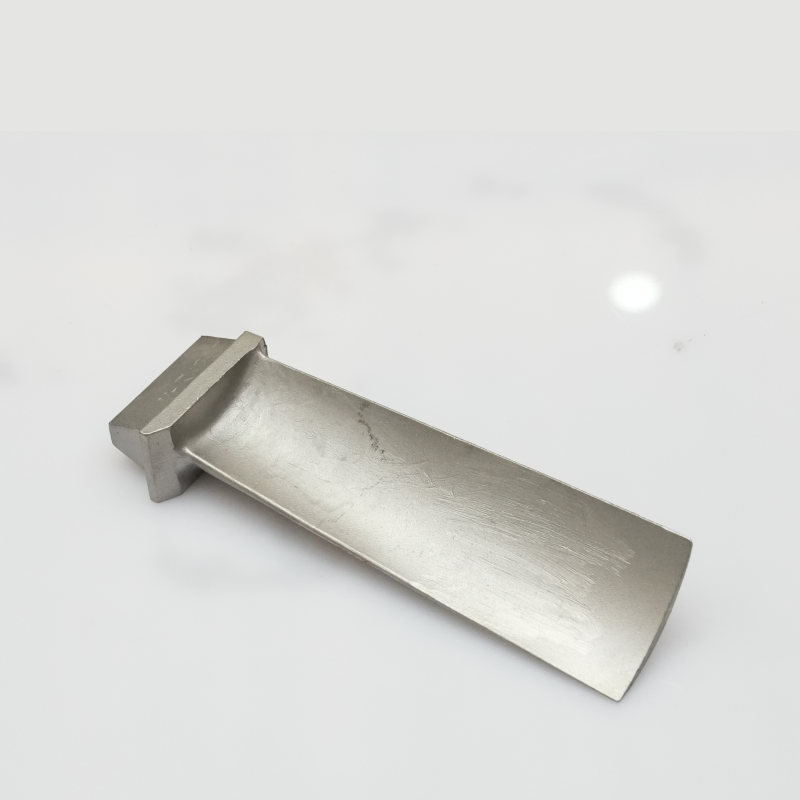
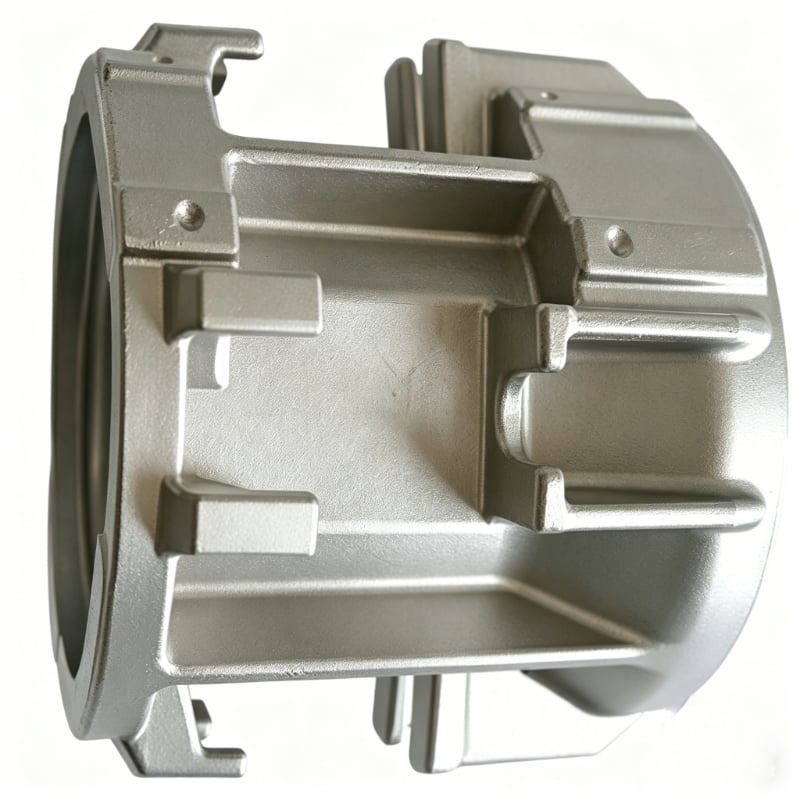
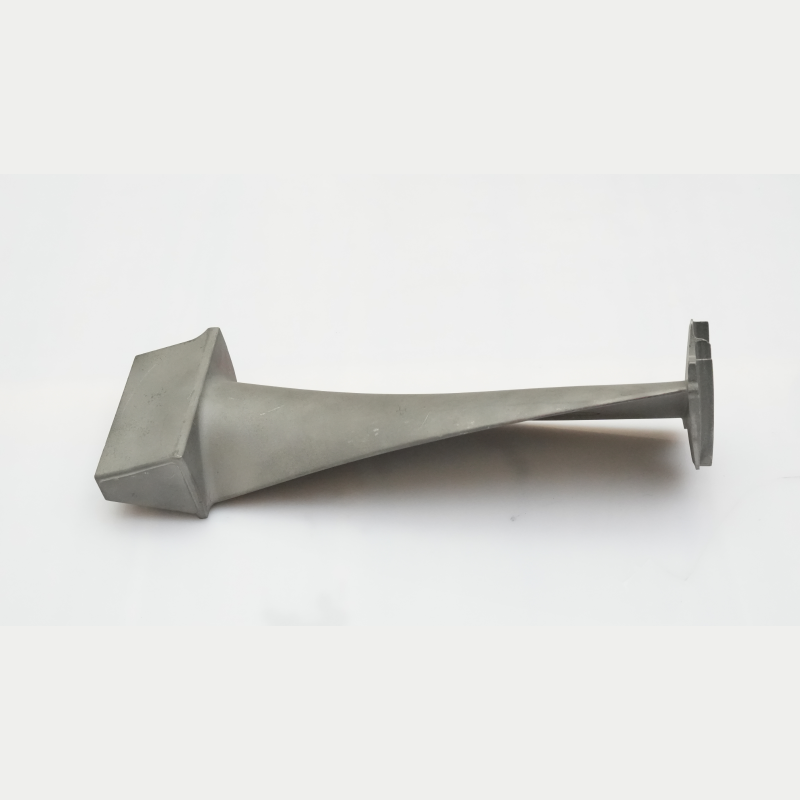
Il produttore di getti a cera persa eccelle nella realizzazione di componenti con geometrie tridimensionali complesse che mettono alla prova o superano le capacità di altri metodi di produzione. Questa capacità di ingegneria di precisione deriva dalla natura fondamentale del processo di fusione a cera persa, in cui il metallo fuso riproduce perfettamente ogni dettaglio dell’originale modello in cera. A differenza della lavorazione meccanica, che deve accedere alle superfici mediante utensili da taglio, o della pressofusione, che richiede angoli di sformo per l’estrazione del pezzo, il metodo a cera persa crea i componenti distruggendo lo stampo, consentendo una complessità geometrica illimitata. Si consideri, ad esempio, un componente che richieda canali di raffreddamento interni, elementi di fissaggio esterni e superfici aerodinamiche, tutti integrati in un unico pezzo: un produttore di getti a cera persa è in grado di realizzare tale parte come unità monolitica, mentre i metodi tradizionali potrebbero richiedere la fabbricazione e la saldatura di più parti distinte. L’eliminazione di giunti e saldature non solo riduce i tempi e i costi di montaggio e assemblaggio, ma genera anche un componente strutturalmente superiore, privo di punti deboli o potenziali percorsi di perdita. La precisione si estende al controllo dimensionale: i produttori esperti di getti a cera persa raggiungono abitualmente tolleranze tali da minimizzare o eliminare completamente la necessità di lavorazioni meccaniche secondarie. Questa accuratezza deriva da processi controllati in ogni fase, inclusi gli attrezzi di iniezione della cera di precisione, le tecniche coerenti di costruzione dello scudo ceramico e la gestione accurata delle temperature di colata del metallo. L’esperienza del produttore nel compensare il restringimento del metallo durante la solidificazione garantisce che le dimensioni finali rispettino specifiche rigorose. Inoltre, la capacità di realizzare pareti sottili — tipicamente fino a 0,040 pollici (circa 1,02 mm) o anche inferiori in alcune applicazioni — consente agli ingegneri di ottimizzare i progetti per la riduzione del peso senza compromettere la resistenza. Questa capacità di ottenere pareti sottili è particolarmente preziosa nelle applicazioni aerospaziali, dove la riduzione del peso dei componenti migliora direttamente l’efficienza del carburante e la capacità di carico utile. Il produttore di getti a cera persa realizza inoltre parti con finitura superficiale eccellente direttamente dallo stampo, generalmente compresa tra 125 e 250 micro-pollici (circa 3,2–6,4 micron), molto più liscia rispetto alla fusione in sabbia e paragonabile a quella ottenibile con lavorazioni meccaniche. Questa qualità riduce la necessità di operazioni di finitura estese, abbassando i costi e accelerando i tempi di produzione. La flessibilità geometrica si estende anche alla realizzazione di parti con angoli di sformo pari a zero gradi, con conicità inverse e con angoli rientranti che intrappolerebbero nuclei convenzionali. Utilizzando nuclei ceramici successivamente rimossi chimicamente o meccanicamente, il produttore di getti a cera persa crea passaggi interni e sezioni cave complesse impossibili da ottenere con altri metodi di fusione. Questa capacità è essenziale per pale di turbine, collettori e altri componenti che richiedono canali di flusso interni. L’investimento in tecnologie avanzate, come la stampa 3D per la rapida produzione di modelli, potenzia ulteriormente la capacità del produttore di getti a cera persa di iterare rapidamente i progetti e realizzare getti prototipali, abbreviando i cicli di sviluppo e immettendo sul mercato prodotti innovativi in tempi più brevi.

 EN
EN