Precision Aerospace Metal Component Manufacturing Services - Advanced Aviation Parts Production

Get a Free Quote

Our representative will contact you soon.
Email
Name
Company Name
Message
0/1000

aerospace metal component manufacturing

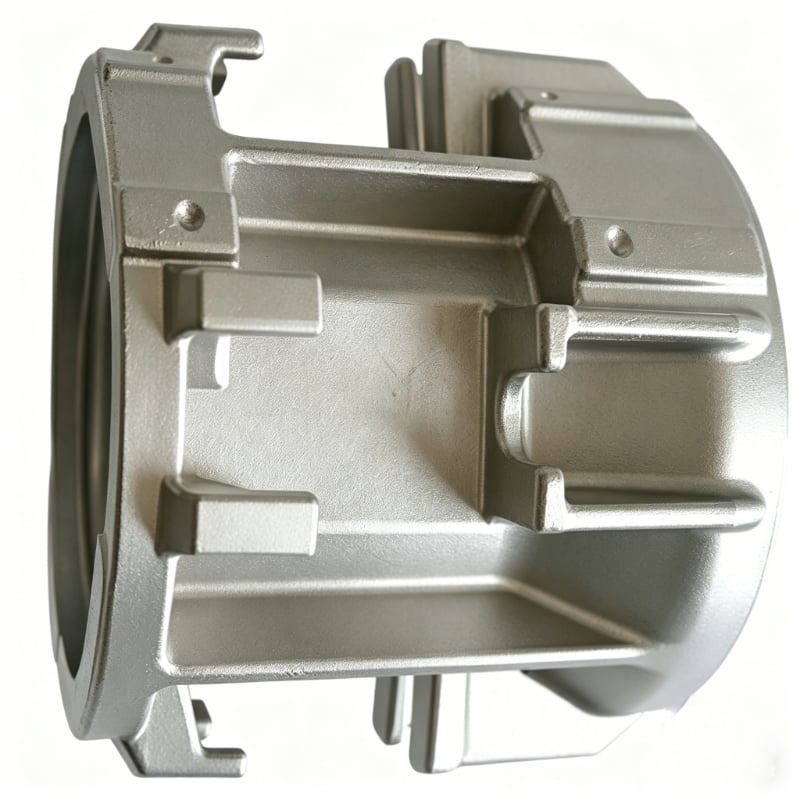
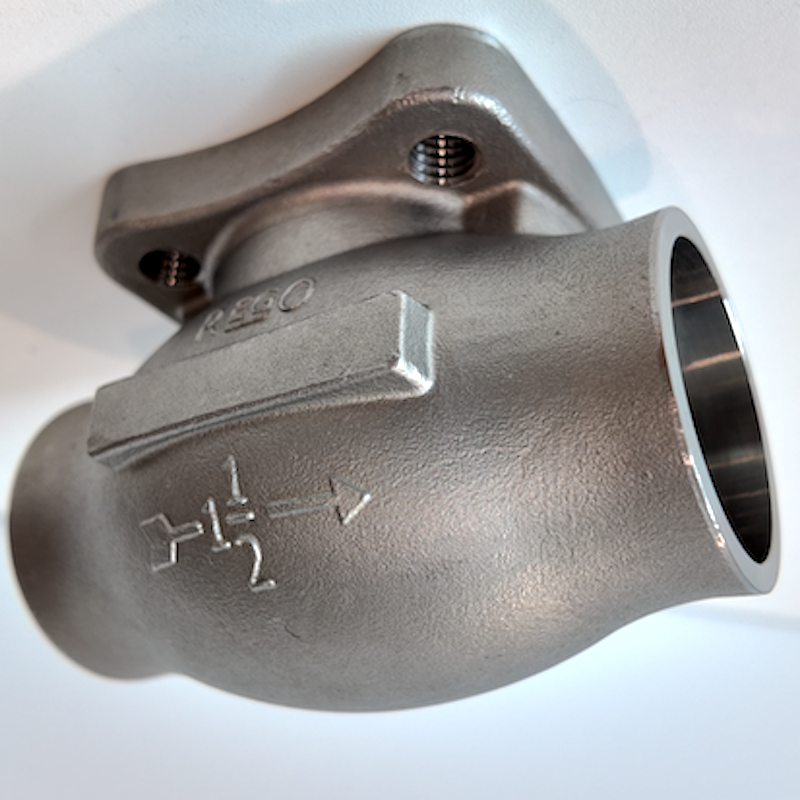
Aerospace metal component manufacturing represents a specialized industrial sector dedicated to producing high-precision metallic parts essential for aircraft, spacecraft, satellites, and related aviation systems. This sophisticated manufacturing process encompasses multiple advanced techniques including CNC machining, precision casting, forging, additive manufacturing, and specialized welding operations. The primary function of aerospace metal component manufacturing involves creating parts that meet extraordinarily strict tolerances, often within micrometers, while maintaining exceptional structural integrity under extreme operational conditions. These components range from turbine blades and engine casings to structural frames, landing gear assemblies, fastening systems, and intricate hydraulic components. Technological features distinguishing aerospace metal component manufacturing include the utilization of exotic alloys such as titanium, inconel, aluminum-lithium compounds, and specialized steel grades engineered specifically for aerospace applications. Advanced quality control systems incorporating non-destructive testing, coordinate measuring machines, and computerized inspection protocols ensure every manufactured piece adheres to rigorous aerospace standards like AS9100 certification requirements. The manufacturing process integrates cutting-edge software for computer-aided design and manufacturing, enabling engineers to optimize component geometry for weight reduction while preserving strength characteristics. Applications of aerospace metal component manufacturing extend across commercial aviation, military defense systems, space exploration vehicles, unmanned aerial systems, and satellite technology. Major aircraft manufacturers, defense contractors, space agencies, and maintenance repair operations depend heavily on these precision-manufactured metal components. The industry continues evolving through implementation of advanced technologies including five-axis machining centers, electron beam melting, laser powder bed fusion, and automated inspection systems. Environmental considerations have prompted aerospace metal component manufacturing facilities to adopt sustainable practices including metal recycling programs, energy-efficient production methods, and waste reduction initiatives. The strategic importance of this manufacturing sector cannot be overstated, as it directly impacts flight safety, operational efficiency, fuel consumption rates, and overall aerospace system performance across global aviation and space exploration endeavors.

New Product Releases

Aerospace metal component manufacturing delivers numerous practical benefits that directly impact operational success and financial performance for organizations in aviation and space industries. First and foremost, these specialized manufacturing processes produce components with exceptional durability that significantly extend service life compared to standard industrial parts. This longevity translates directly into reduced replacement frequencies, lower maintenance costs, and decreased operational downtime for aircraft operators and space mission controllers. The precision achieved through aerospace metal component manufacturing ensures perfect fitment during assembly and installation, eliminating costly delays caused by parts that require modification or adjustment. Companies benefit from enhanced safety margins built into every manufactured component, as rigorous quality standards minimize the risk of in-flight failures or catastrophic system breakdowns that could result in expensive incidents or reputational damage. Weight optimization inherent in aerospace metal component manufacturing provides tangible fuel savings over the operational lifetime of aircraft, with lighter components contributing to improved fuel efficiency and reduced carbon emissions. This weight reduction capability allows aircraft designers to either extend flight ranges or increase payload capacities without compromising structural integrity. The corrosion resistance engineered into aerospace metal components reduces long-term maintenance requirements, particularly valuable for aircraft operating in harsh marine environments or extreme temperature conditions. Manufacturing precision eliminates vibration issues and mechanical stress concentrations that typically plague lower-quality components, resulting in smoother operation and extended lifespans for adjacent systems. Aerospace metal component manufacturing facilities maintain comprehensive traceability systems that document material origins, processing parameters, and inspection results for every single part produced. This documentation proves invaluable during certification processes, accident investigations, or warranty claims, protecting manufacturers and operators from liability concerns. The ability to work with advanced alloys provides performance characteristics impossible to achieve with conventional materials, including higher operating temperatures, superior strength-to-weight ratios, and improved fatigue resistance. Customization capabilities inherent in aerospace metal component manufacturing allow engineers to develop specialized solutions for unique operational requirements, whether for experimental aircraft, modified military systems, or innovative space vehicles. Lead time reliability ensures project schedules remain on track, as experienced aerospace manufacturers understand the critical nature of delivery commitments and structure production workflows accordingly. Compliance with international aerospace standards opens global market opportunities, enabling components manufactured in one region to achieve certification and acceptance worldwide. Finally, partnership with established aerospace metal component manufacturing specialists provides access to engineering expertise that can assist with design optimization, material selection guidance, and manufacturing process recommendations that enhance overall project success rates.

Tips And Tricks

Selection And Application Scope Of Hardness Tester

11

May

Selection And Application Scope Of Hardness Tester

View More
Stainless Steel Castings for Architectural Posts

11

May

Stainless Steel Castings for Architectural Posts

View More
Stainless Steel Castings for Building Facade Systems

11

May

Stainless Steel Castings for Building Facade Systems

View More
Precision Stainless Steel Exhaust Manifold Casting Solution For Luxury Sedan - With Japanese First-Tier Car Brand

11

May

Precision Stainless Steel Exhaust Manifold Casting Solution For Luxury Sedan - With Japanese First-Tier Car Brand

View More

Get a Free Quote

Our representative will contact you soon.
Email
Name
Company Name
Message
0/1000

aerospace metal component manufacturing

Uncompromising Quality Assurance Systems

Uncompromising Quality Assurance Systems

Aerospace metal component manufacturing distinguishes itself through implementation of the most rigorous quality assurance protocols found in any industrial sector worldwide. Every phase of the manufacturing process incorporates multiple inspection checkpoints utilizing state-of-the-art measurement technology that verifies dimensional accuracy, surface finish characteristics, material properties, and structural integrity. Non-destructive testing methods including ultrasonic inspection, radiographic examination, magnetic particle testing, and liquid penetrant inspection detect internal flaws or surface imperfections invisible to human observation. These comprehensive examination procedures identify potential defects before components enter service, preventing costly failures and ensuring absolute reliability in demanding aerospace applications. Coordinate measuring machines with probe accuracy measured in micrometers verify that every dimensional specification matches engineering drawings exactly, while surface roughness testers confirm finish quality meets aerodynamic or sealing requirements. Material certification documentation accompanies every batch of raw material entering aerospace metal component manufacturing facilities, establishing complete traceability from mine or mill to finished installation. This documentation chain proves essential for regulatory compliance and provides confidence that material chemistry, heat treatment conditions, and mechanical properties align with aerospace specifications. Quality management systems structured around AS9100 standards embed continuous improvement methodologies throughout manufacturing operations, with regular audits ensuring adherence to documented procedures. Statistical process control techniques monitor manufacturing parameters in real-time, triggering immediate corrective actions when measurements trend toward specification limits. First article inspection protocols validate manufacturing processes before full production commences, with dimensional reports and material test certificates submitted for customer approval. Environmental controls within aerospace metal component manufacturing facilities maintain temperature and humidity within narrow ranges that prevent thermal expansion errors during precision machining operations. Calibration programs ensure all measurement instruments maintain accuracy through regular verification against certified standards traceable to national metrology institutes. Personnel qualifications represent another critical quality element, with machinists, inspectors, and technicians holding specialized certifications demonstrating competency in aerospace manufacturing techniques. Documentation systems capture processing parameters for every manufacturing operation, creating permanent records that support future investigations or process improvements. Final inspection procedures employ acceptance sampling plans based on statistical principles that balance inspection costs against quality assurance requirements. This multilayered quality approach inherent in aerospace metal component manufacturing provides customers with absolute confidence that components will perform flawlessly throughout their intended service lives, even under the most demanding operational conditions encountered in aviation and space applications.
Advanced Material Expertise and Processing Capabilities

Advanced Material Expertise and Processing Capabilities

Aerospace metal component manufacturing requires deep specialized knowledge regarding exotic alloys and advanced processing techniques unavailable in conventional manufacturing environments. Titanium alloys commonly employed in aerospace applications demand entirely different machining strategies compared to standard metals, with cutting speeds, tool materials, and coolant systems specifically optimized for titanium's unique properties. Experienced aerospace metal component manufacturing facilities maintain comprehensive databases documenting optimal processing parameters for dozens of specialized alloys including various titanium grades, inconel superalloys, aluminum-lithium formulations, and precipitation-hardening stainless steels. This accumulated knowledge prevents costly trial-and-error approaches that waste expensive materials and delay project timelines. Heat treatment capabilities within aerospace manufacturing facilities achieve precise temperature control necessary for developing specific metallurgical structures that deliver required mechanical properties. Solution annealing, aging treatments, stress relieving operations, and cryogenic processing follow carefully developed procedures validated through destructive testing of sample parts. Surface treatment options including anodizing, chemical conversion coating, shot peening, and specialized plating processes enhance corrosion resistance or fatigue life beyond what base materials provide. Aerospace metal component manufacturing integrates additive manufacturing technologies that build complex geometries impossible to produce through traditional subtractive machining methods. Selective laser melting and electron beam melting create internal cooling channels, organic structural forms, and consolidated assemblies that reduce part counts while improving performance characteristics. Investment casting capabilities produce intricate shapes with excellent surface finish and dimensional accuracy, particularly valuable for turbine components and complex structural fittings. Forging operations develop favorable grain flow patterns that enhance strength properties along primary load paths, with closed-die forging producing near-net shapes requiring minimal finish machining. Welding specialists certified for aerospace applications join components using tungsten inert gas, electron beam, laser, and friction stir welding techniques appropriate for specific material combinations and joint configurations. Each welding procedure undergoes qualification testing that validates mechanical properties and establishes parameters for production operations. Material testing laboratories equipped with tensile testing machines, hardness testers, spectrometers, and metallographic preparation equipment verify that finished components possess specified material properties. This comprehensive material expertise distinguishes aerospace metal component manufacturing from general industrial manufacturing, ensuring components survive extreme temperatures, corrosive environments, high stress levels, and fatigue loading encountered during aerospace operations. Customers benefit from consulting services that recommend optimal material selections for specific applications, potentially identifying cost-effective alternatives that meet performance requirements while reducing material expenses.
Precision Machining Technology and Engineering Support

Precision Machining Technology and Engineering Support

Aerospace metal component manufacturing relies on extraordinarily sophisticated machine tools capable of achieving tolerances that seem impossible to those familiar with conventional manufacturing. Five-axis machining centers simultaneously control tool position and orientation across multiple axes, enabling production of complex sculptured surfaces found on turbine blades, impellers, and aerodynamic fairings in single setups that eliminate positioning errors. These advanced machines incorporate thermal compensation systems that adjust tool paths based on temperature measurements, maintaining accuracy as machine components expand from operational heating. High-speed spindles rotating at tens of thousands of revolutions per minute combined with rigid machine structures minimize vibration and deflection that would compromise surface finish quality. Tool presetting systems measure cutting tool dimensions with extreme precision before machining operations commence, while in-process probing verifies workpiece position and measures critical features without removing parts from machines. Aerospace metal component manufacturing facilities invest millions in these advanced machine tools because the precision they deliver cannot be achieved through manual operations or conventional equipment. Computer-aided manufacturing software generates optimized tool paths that minimize machining time while preventing tool breakage and ensuring consistent surface finish. Simulation capabilities within this software predict cutting forces, identify potential collisions, and verify that programmed operations will produce parts matching engineering specifications before any metal cutting begins. Electrical discharge machining technology creates intricate features in hardened materials or produces complex internal passages impossible to machine with rotating cutting tools. Wire EDM cuts intricate profiles with exceptional accuracy, while sinker EDM produces shaped cavities for specialized applications. Swiss-type turning centers produce small-diameter precision shafts with extremely tight tolerances on concentricity and cylindricity, essential for rotating aerospace components. Grinding operations achieve surface finishes measured in microinches and hold tolerances within microns for bearing surfaces and sealing faces requiring exceptional precision. Engineering support services provided by aerospace metal component manufacturing specialists include design for manufacturability reviews that identify potential production challenges during development phases. Experienced engineers recommend geometry modifications that simplify manufacturing while preserving functional requirements, potentially reducing costs and improving delivery schedules. Finite element analysis capabilities verify that proposed designs will withstand operational loads with adequate safety margins, preventing expensive redesigns after manufacturing begins. Reverse engineering services create accurate three-dimensional models from physical samples, useful when updating legacy components or creating replacement parts for aging aircraft. Prototype manufacturing capabilities allow designers to evaluate form, fit, and function before committing to production tooling investments. This combination of advanced machining technology and comprehensive engineering support distinguishes aerospace metal component manufacturing from simple job shop operations, providing customers with true partnerships that contribute to project success beyond merely producing parts to supplied drawings.

Get a Free Quote

Our representative will contact you soon.
Email
Name
Company Name
Message
0/1000