Aerospace Metal Component Manufacturing - Precision Parts for Aviation and Space Applications

Get a Free Quote

Our representative will contact you soon.
Email
Name
Mobile
Company Name
Message
0/1000

aerospace metal component manufacturing

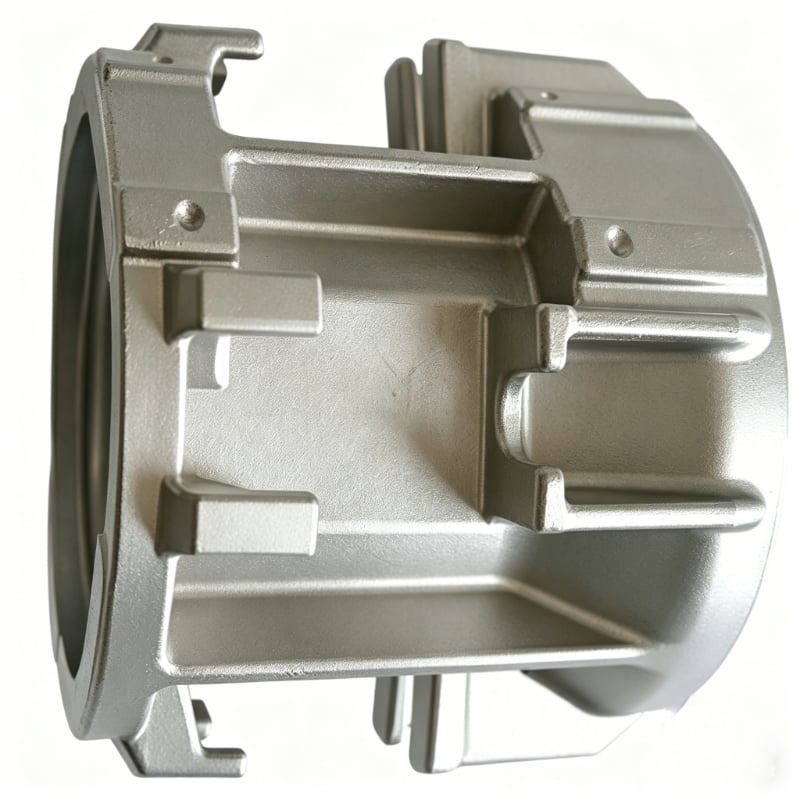
Aerospace metal component manufacturing represents a specialized sector dedicated to producing high-performance parts and assemblies for aircraft, spacecraft, satellites, and related systems. This advanced manufacturing discipline combines cutting-edge technology with precision engineering to create components that meet the extraordinary demands of flight and space exploration. The main functions of aerospace metal component manufacturing include the fabrication of structural elements such as fuselage sections, wing components, landing gear parts, engine housings, fasteners, brackets, and intricate internal mechanisms. These components must withstand extreme temperatures, intense vibrations, rapid pressure changes, and significant mechanical stress while maintaining structural integrity throughout their operational lifecycle. The technological features of aerospace metal component manufacturing distinguish it from conventional metalworking processes. Manufacturers employ computer numerical control machining centers, five-axis milling systems, precision turning equipment, and electrical discharge machining to achieve tolerances measured in microns. Advanced forming techniques including hot isostatic pressing, superplastic forming, and diffusion bonding enable the creation of complex geometries that would be impossible through traditional methods. Quality assurance protocols incorporate non-destructive testing methods such as ultrasonic inspection, radiographic examination, and fluorescent penetrant inspection to verify component integrity without compromising the parts themselves. The applications of aerospace metal component manufacturing span both commercial aviation and defense sectors. Commercial aircraft manufacturers rely on these components for passenger jets, cargo planes, and regional aircraft. Military applications include fighter jets, transport aircraft, helicopters, and unmanned aerial vehicles. Space exploration programs utilize these manufactured components in rockets, satellites, space stations, and planetary exploration vehicles. The manufacturing process accommodates various aerospace-grade materials including titanium alloys, aluminum alloys, nickel-based superalloys, stainless steel variants, and emerging composite-metal hybrids, each selected for specific performance characteristics required by the application.

New Products

Aerospace metal component manufacturing delivers substantial benefits that directly impact operational efficiency, safety standards, and long-term cost management for aviation and space programs. The precision achieved through modern manufacturing techniques ensures that every component fits perfectly within complex assemblies, eliminating gaps, misalignments, and potential failure points that could compromise vehicle performance. This exact dimensional accuracy reduces assembly time significantly, allowing manufacturers to complete projects faster and bring products to market more quickly. The weight optimization inherent in aerospace metal component manufacturing translates directly into fuel savings for commercial operators. By utilizing advanced materials and designing components with optimal strength-to-weight ratios, manufacturers create parts that perform their structural duties while minimizing unnecessary mass. For commercial airlines, every kilogram saved in aircraft weight results in measurable fuel cost reductions over thousands of flight hours, improving profitability and reducing environmental impact through lower emissions. The durability of components produced through aerospace metal component manufacturing extends maintenance intervals and reduces downtime. Parts engineered to withstand harsh operating conditions maintain their performance characteristics longer, requiring less frequent replacement and inspection. This reliability means aircraft spend more time generating revenue and less time grounded for repairs. Operators benefit from predictable maintenance schedules and fewer unexpected failures that disrupt operations and disappoint customers. Safety advantages represent perhaps the most critical benefit of aerospace metal component manufacturing. The rigorous quality control processes, material traceability systems, and testing protocols ensure that every component meets or exceeds safety standards established by regulatory authorities. This comprehensive approach to quality minimizes the risk of catastrophic failures and protects passengers, crew members, and valuable cargo. The customization capabilities of aerospace metal component manufacturing allow designers to optimize components for specific applications rather than accepting compromises inherent in off-the-shelf solutions. Engineers can specify exact material grades, surface treatments, and geometric features that match the unique requirements of each project. This flexibility supports innovation and enables the development of next-generation aircraft and spacecraft with enhanced capabilities. The manufacturing processes support sustainable practices through material efficiency and recycling programs. Advanced techniques minimize waste during production, and high-value aerospace metals can be reclaimed and reprocessed for future use, reducing environmental impact while managing material costs effectively for long-term projects and ongoing production programs.

Latest News

How Does a Precision Investment Casting Manufacturer Ensure Consistent Quality Across Global Supply Chains?

05

Jun

How Does a Precision Investment Casting Manufacturer Ensure Consistent Quality Across Global Supply Chains?

In today's interconnected industrial landscape, sourcing complex metal components across international borders presents a formidable quality challenge. the manufacturer must navigate an intricate web of raw material sourcing, multi-stage production c...
View More
Why Do Manufacturers Prefer a Silica Sol Investment Casting Supplier for Complex Metal Parts?

05

Jun

Why Do Manufacturers Prefer a Silica Sol Investment Casting Supplier for Complex Metal Parts?

When precision, surface quality, and dimensional accuracy are non-negotiable, manufacturers consistently turn to a trusted silica sol investment casting supplier. This decision is rarely arbitrary. It is driven by a deep understanding of what silica ...
View More
Which Quality Standards Should a Custom Lost Wax Casting Foundry Meet for Export Markets?

05

Jun

Which Quality Standards Should a Custom Lost Wax Casting Foundry Meet for Export Markets?

Selecting a manufacturing partner for precision components intended for international buyers is never a straightforward decision. When the supply chain depends on a custom lost wax casting foundry, procurement engineers and quality managers must go b...
View More
How Do OEM ODM Precision Casting Services Support Flexible Design and Rapid Prototyping?

26

Jun

How Do OEM ODM Precision Casting Services Support Flexible Design and Rapid Prototyping?

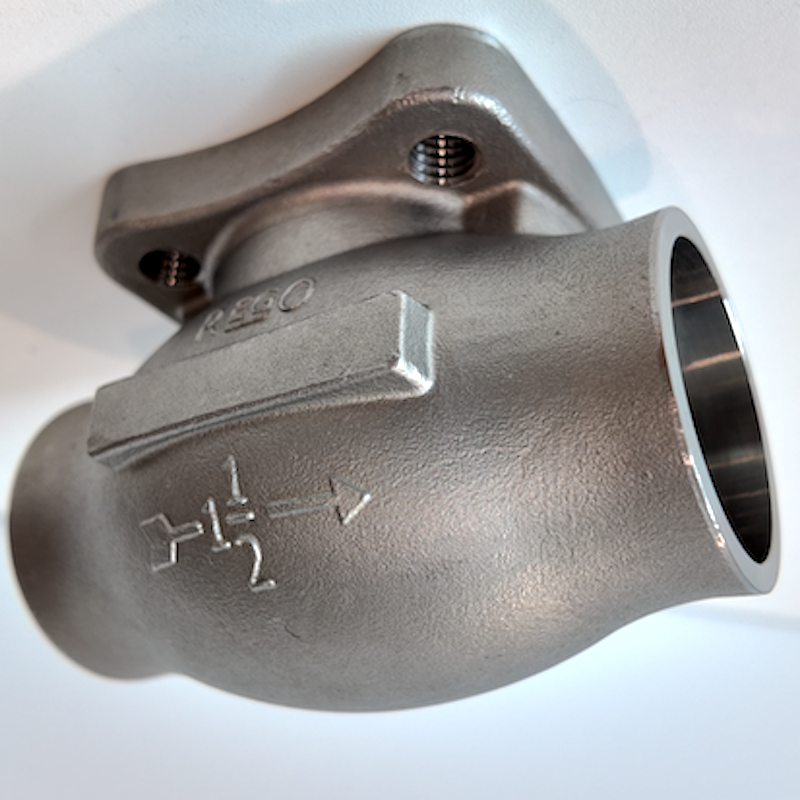
Figure 1: Custom Valve Body Fabricated via Precision Investment Casting, Featuring Crisp Surface Details and Net-Shape Integrity. In today's fast-evolving manufacturing landscape, the ability to move from concept to production-ready component quickly...
View More

Get a Free Quote

Our representative will contact you soon.
Email
Name
Mobile
Company Name
Message
0/1000

aerospace metal component manufacturing

Uncompromising Quality Standards and Traceability Systems

Uncompromising Quality Standards and Traceability Systems

Aerospace metal component manufacturing operates under the most stringent quality assurance frameworks in any manufacturing industry, providing customers with absolute confidence in component reliability and performance. Every stage of production follows documented procedures that trace materials from raw stock to finished component, creating an unbroken chain of custody that regulatory bodies require for certified aircraft and spacecraft. This comprehensive traceability begins when raw materials arrive at manufacturing facilities, where incoming inspection teams verify chemical composition, mechanical properties, and supplier certifications against purchase specifications. Material certificates accompany each batch throughout the manufacturing process, ensuring that components destined for critical applications receive appropriate material grades with verified performance characteristics. The quality management systems employed in aerospace metal component manufacturing incorporate multiple verification checkpoints where trained inspectors measure dimensions, examine surface finishes, and conduct tests that confirm conformance to engineering drawings and specifications. Statistical process control techniques monitor production variables continuously, detecting trends that might indicate developing problems before they result in non-conforming parts. This proactive approach prevents waste and maintains consistent output quality across production runs spanning months or years. Non-destructive testing methods provide additional assurance by revealing internal flaws, surface cracks, or material inconsistencies that visual inspection cannot detect. Ultrasonic testing uses sound waves to identify voids or inclusions within metal structures, while magnetic particle inspection reveals surface and near-surface discontinuities in ferromagnetic materials. Radiographic examination creates detailed images of internal component geometry, verifying that castings and complex assemblies meet structural requirements. These testing protocols occur at strategic points during manufacturing and after final processing, ensuring that only components meeting all specifications reach customers. Documentation systems capture every measurement, test result, and process parameter associated with each component, creating comprehensive records that support airworthiness certification and provide forensic data if questions arise during service life. This documentation enables customers to demonstrate regulatory compliance and provides valuable information for maintenance planning and service life extension programs. The investment in quality infrastructure and trained personnel distinguishes aerospace metal component manufacturing from less demanding manufacturing sectors and delivers peace of mind that cannot be quantified but proves invaluable when lives depend on component performance.
Advanced Material Expertise and Processing Capabilities

Advanced Material Expertise and Processing Capabilities

Aerospace metal component manufacturing encompasses deep knowledge of specialized alloys and processing techniques that unlock performance characteristics impossible to achieve with conventional materials and methods. This expertise enables manufacturers to recommend optimal material selections for specific applications and execute processing sequences that develop desired properties within finished components. Titanium alloys represent one material family where aerospace metal component manufacturing demonstrates particular proficiency, as these materials offer exceptional strength-to-weight ratios and corrosion resistance but require specialized handling and processing. Manufacturers maintain controlled atmosphere furnaces, dedicated cutting tools, and experienced machinists who understand titanium's unique characteristics, including its tendency to work-harden and its reactivity at elevated temperatures. This specialized capability allows production of critical rotating components, structural fittings, and hydraulic system parts that perform reliably in demanding environments. Aluminum alloys constitute another major material category where aerospace metal component manufacturing provides essential capabilities, with different alloy families offering various combinations of strength, formability, and fatigue resistance. High-strength aluminum alloys enable lightweight structural components, while other formulations provide superior corrosion resistance or weldability for specific applications. Manufacturing facilities maintain expertise across this alloy spectrum, selecting appropriate heat treatment cycles, surface preparations, and finishing processes that optimize each material's performance characteristics for intended applications. Nickel-based superalloys present extreme processing challenges due to their hardness and heat resistance, yet these materials prove essential for hot section engine components operating at temperatures exceeding those tolerable by other metals. Aerospace metal component manufacturing facilities invest in specialized equipment including ceramic cutting tools, high-pressure coolant systems, and creep-age forming capabilities that enable production of turbine discs, combustor components, and exhaust system parts. The processing knowledge extends beyond machining to include surface treatments that enhance performance and longevity. Shot peening introduces beneficial compressive stresses that improve fatigue life, while anodizing creates protective oxide layers on aluminum components. Thermal barrier coatings shield parts from extreme temperatures, and various plating processes provide corrosion protection or improve wear resistance. Manufacturers select and apply these treatments based on component function and operating environment, ensuring that surface properties complement base material characteristics. This comprehensive material and processing expertise represents decades of accumulated knowledge, continuous research investments, and lessons learned from real-world applications, providing customers access to capabilities that would require prohibitive investments to develop independently.
Precision Engineering for Complex Geometries and Tight Tolerances

Precision Engineering for Complex Geometries and Tight Tolerances

Aerospace metal component manufacturing excels at producing parts with intricate three-dimensional shapes and dimensional accuracies measured in thousandths of millimeters, capabilities essential for modern aircraft and spacecraft systems where components must interface precisely within tightly packaged assemblies. The precision engineering begins with advanced computer-aided design and manufacturing software that translates engineering concepts into machine instructions, simulating cutting operations before metal chips fly and identifying potential problems in virtual environments where corrections cost nothing. This digital planning optimizes tool paths, minimizes cycle times, and ensures that finished components will meet specifications before manufacturing begins. Five-axis machining centers represent the cornerstone technology for complex component production, with computer-controlled movements simultaneously positioning cutting tools and workpieces along multiple axes to create compound curves, undercuts, and internal features that simpler machines cannot access. These sophisticated systems maintain positioning accuracy within microns while removing metal at rates that balance productivity with surface finish requirements. The machines operate unattended during lights-out manufacturing shifts, producing components overnight that skilled machinists retrieve and inspect each morning, maximizing equipment utilization and reducing delivery times. Fixtures and workholding systems play crucial supporting roles, securing components firmly without distortion while providing access for cutting tools to reach all required surfaces. Aerospace metal component manufacturing specialists design custom fixtures for complex parts, incorporating quick-change features that minimize setup times while maintaining repeatable positioning accuracy across production batches. Temperature-controlled manufacturing environments prevent thermal expansion from compromising dimensional accuracy, maintaining stable conditions where precision measurements remain valid and machining operations achieve specified tolerances regardless of seasonal weather variations or heat generated by cutting operations. Coordinate measuring machines verify finished component dimensions, probing hundreds of points across complex surfaces and comparing measured coordinates against nominal design data. Statistical analysis of measurement results identifies trends and variations, enabling process adjustments that maintain dimensions within specification limits and prevent production of non-conforming parts. In-process measurement systems installed directly on machining centers enable real-time verification, with probes checking critical dimensions immediately after machining operations and automatically compensating for tool wear or thermal effects. This closed-loop approach maintains quality without interrupting production flow or waiting for separate inspection operations. The precision capabilities extend to surface finish requirements, with aerospace metal component manufacturing producing mirror-smooth surfaces for hydraulic components, specific roughness patterns that promote adhesive bonding, or textured finishes that reduce radar signatures on military aircraft. Achieving these varied surface characteristics requires matching appropriate cutting tools, operating parameters, and finishing techniques to component materials and functional requirements, knowledge that experienced aerospace manufacturers apply routinely across diverse component portfolios.

Get a Free Quote

Our representative will contact you soon.
Email
Name
Mobile
Company Name
Message
0/1000