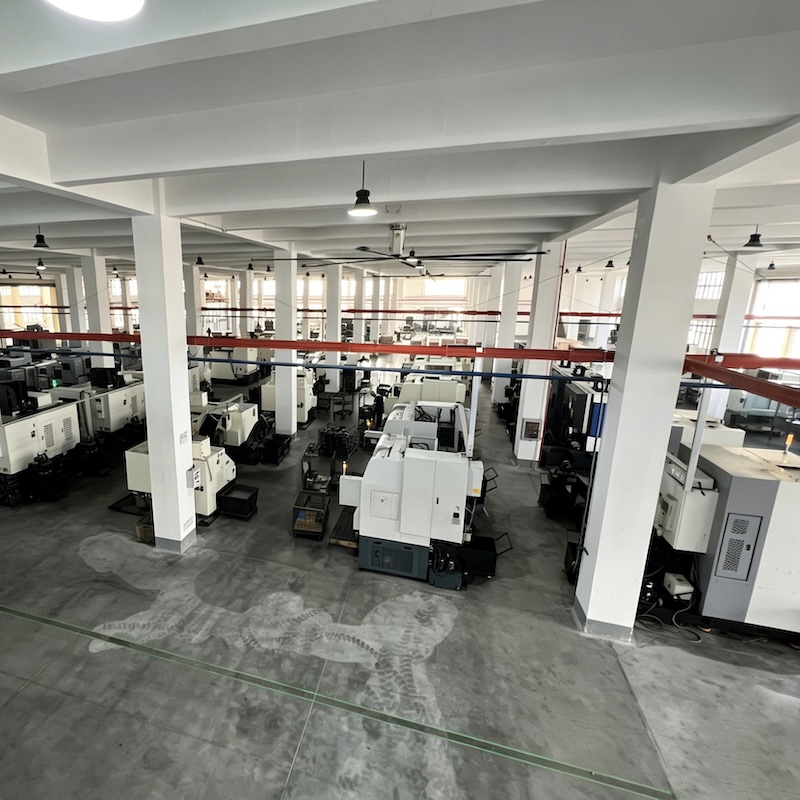
Commercial Aircraft Casting Parts: Precision Components for Aviation Excellence

Get a Free Quote

Our representative will contact you soon.
Email
Name
Mobile
Company Name
Message
0/1000

commercial aircraft casting parts

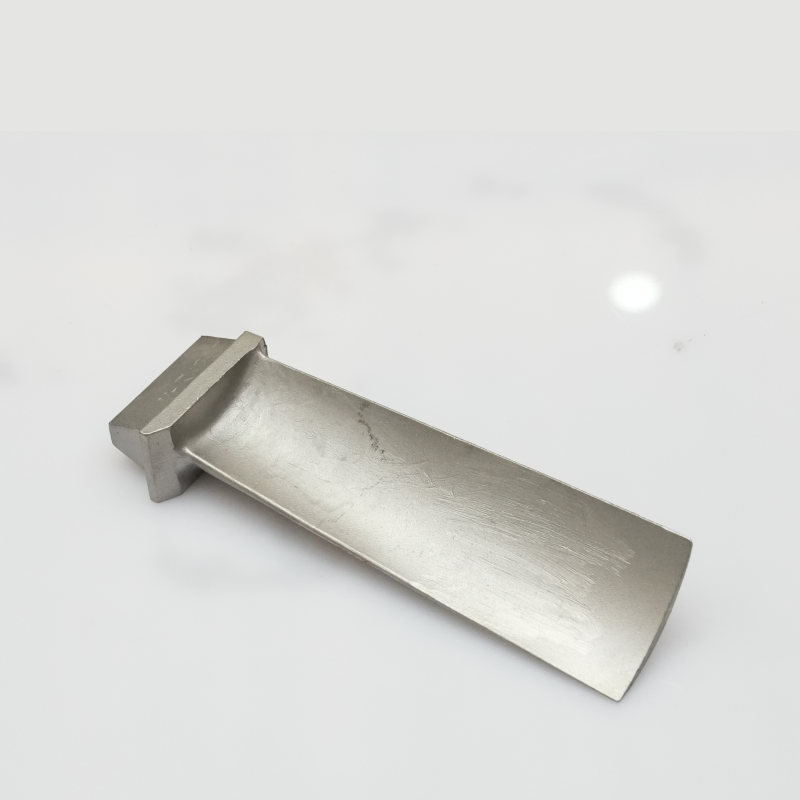
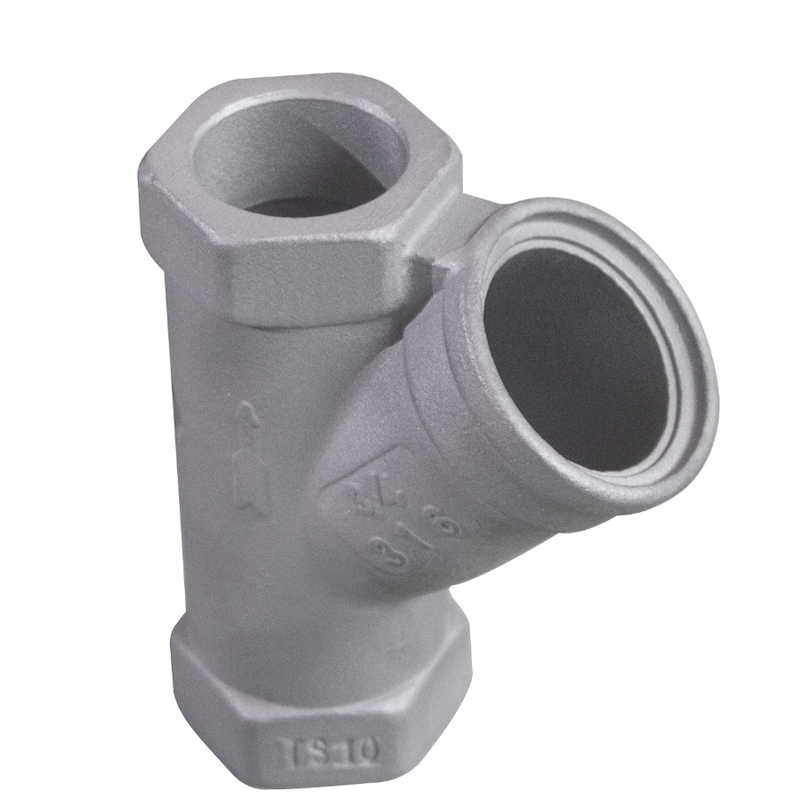
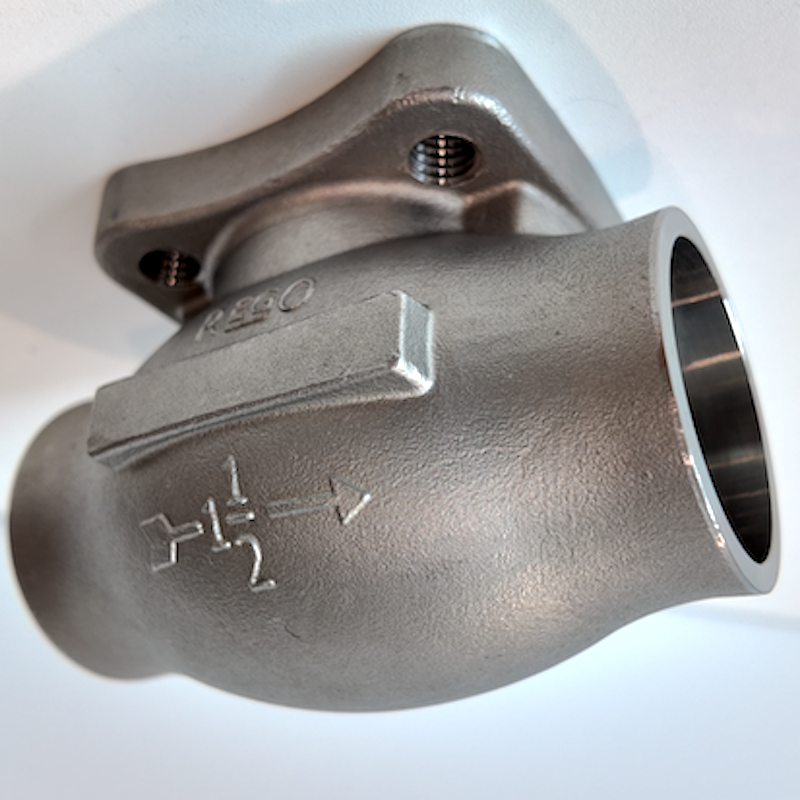
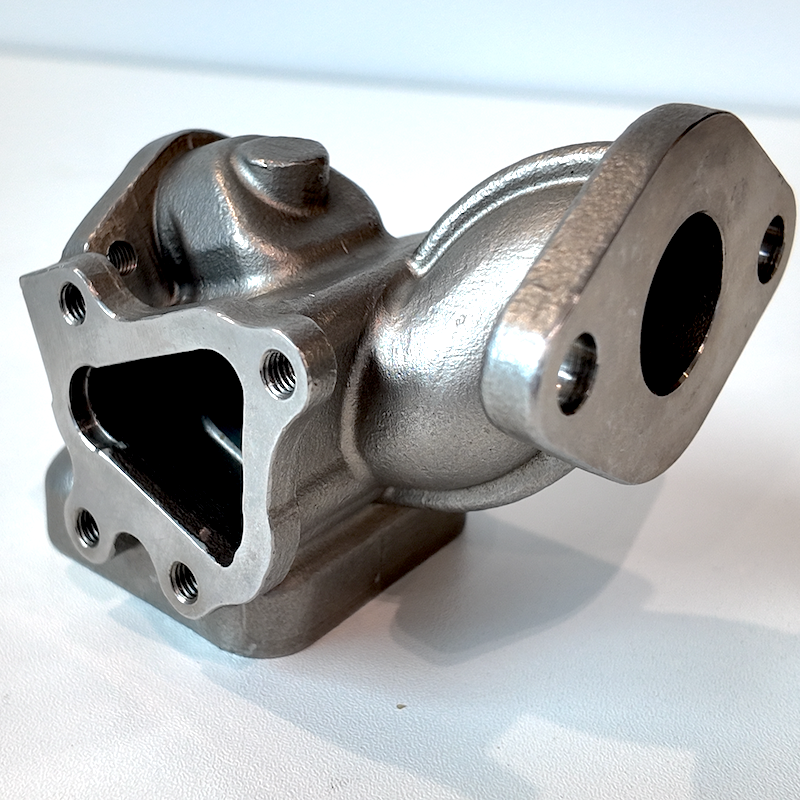
Commercial aircraft casting parts represent essential components in modern aviation manufacturing, serving as the backbone for numerous critical systems throughout passenger and cargo aircraft. These precision-engineered elements are produced through advanced casting processes that transform molten metal alloys into complex shapes required for optimal aircraft performance. The main functions of commercial aircraft casting parts encompass structural support, housing for mechanical systems, engine components, landing gear elements, and various brackets that hold vital equipment in place. These parts must withstand extreme conditions including temperature fluctuations ranging from sub-zero altitudes to high-heat engine environments, significant mechanical stress during takeoff and landing, and constant vibration throughout flight operations. The technological features of commercial aircraft casting parts distinguish them from standard industrial castings through their adherence to stringent aerospace standards and certifications. Manufacturers employ sophisticated casting methods such as investment casting, sand casting, and die casting, selecting the most appropriate technique based on the specific component requirements. Advanced computer-aided design software enables engineers to optimize part geometry for weight reduction while maintaining structural integrity, a critical balance in aerospace applications where every gram affects fuel efficiency. The metallurgical composition of these parts typically includes aluminum alloys, titanium alloys, steel alloys, and specialty materials like Inconel for high-temperature applications. Quality control measures throughout production include non-destructive testing methods such as X-ray inspection, ultrasonic testing, and fluorescent penetrant inspection to detect any internal flaws or surface defects. Applications of commercial aircraft casting parts span across multiple aircraft systems including powerplant assemblies, flight control mechanisms, hydraulic system housings, environmental control components, and avionics mounting structures. These components are found in everything from single-aisle regional jets to wide-body international aircraft, serving commercial airlines, cargo operators, and business aviation sectors worldwide.

New Products

Choosing commercial aircraft casting parts delivers substantial practical benefits that directly impact operational efficiency and bottom-line performance for airlines and aircraft manufacturers. The weight optimization achieved through precision casting translates into measurable fuel savings over the aircraft's operational lifetime, reducing operating costs significantly while simultaneously lowering carbon emissions to meet increasingly strict environmental regulations. This weight advantage stems from the ability to create complex internal geometries and thin-wall sections that would be impossible or prohibitively expensive to manufacture through machining or fabrication methods. The structural integrity of properly manufactured commercial aircraft casting parts provides superior reliability compared to assembled alternatives, eliminating potential failure points at joints or welds and reducing maintenance requirements throughout the component's service life. Airlines benefit from extended intervals between inspections and replacements, minimizing aircraft downtime and maximizing revenue-generating flight hours. The dimensional accuracy inherent in modern casting processes ensures consistent fit and function across production runs, simplifying inventory management and reducing the risk of installation errors during manufacturing or maintenance operations. Cost-effectiveness represents another significant advantage, as casting allows for near-net-shape production that minimizes material waste and reduces the extensive machining operations required when starting from solid billets or plates. This efficiency becomes particularly valuable for complex components where traditional subtractive manufacturing would remove substantial material to achieve the final geometry. The design flexibility afforded by casting processes enables engineers to integrate multiple functions into single components, consolidating parts that would otherwise require separate manufacture and assembly, thereby reducing part counts, potential leak paths, and overall system complexity. Commercial aircraft casting parts demonstrate excellent reproducibility, ensuring that replacement components installed years after original manufacture will perform identically to the originals, maintaining aircraft certification and performance standards. The material properties achieved through controlled solidification and heat treatment processes provide optimal combinations of strength, toughness, corrosion resistance, and fatigue life tailored to specific application requirements. Suppliers of commercial aircraft casting parts maintain comprehensive traceability systems that document material sources, process parameters, and inspection results for every component, providing the accountability required in aviation safety management systems and facilitating root cause analysis in the unlikely event of service issues. The global supply chain for commercial aircraft casting parts offers redundancy and capacity flexibility, allowing aircraft programs to scale production in response to market demand while maintaining quality standards through qualified supplier networks.

Latest News

What Makes a Custom Lost Wax Casting Foundry Reliable for Precision Industrial Applications?

05

Jun

What Makes a Custom Lost Wax Casting Foundry Reliable for Precision Industrial Applications?

In precision industrial manufacturing, the reliability of a custom investment casting foundry is not a minor operational detail — it is a fundamental requirement that determines part integrity, production timelines, and ultimately, the safety o...
View More
How Should Buyers Choose a Reliable Medium Temperature Wax Casting Service Provider?

26

Jun

How Should Buyers Choose a Reliable Medium Temperature Wax Casting Service Provider?

Selecting the right manufacturing partner for medium temperature wax casting is one of the most consequential decisions a procurement professional or product engineer can make. The process, which involves injecting wax into precision dies at carefull...
View More
How Do OEM ODM Precision Casting Services Support Flexible Design and Rapid Prototyping?

26

Jun

How Do OEM ODM Precision Casting Services Support Flexible Design and Rapid Prototyping?

Figure 1: Custom Valve Body Fabricated via Precision Investment Casting, Featuring Crisp Surface Details and Net-Shape Integrity. In today's fast-evolving manufacturing landscape, the ability to move from concept to production-ready component quickly...
View More
Why Are Stainless Steel Investment Castings Preferred for Corrosion Resistant Applications?

26

Jun

Why Are Stainless Steel Investment Castings Preferred for Corrosion Resistant Applications?

In demanding industrial environments where moisture, chemicals, and extreme temperatures are constant threats, material selection is one of the most critical engineering decisions a manufacturer can make. Among the available manufacturing methods, st...
View More

Get a Free Quote

Our representative will contact you soon.
Email
Name
Mobile
Company Name
Message
0/1000

commercial aircraft casting parts

Superior Material Performance and Metallurgical Excellence

Superior Material Performance and Metallurgical Excellence

The metallurgical sophistication of commercial aircraft casting parts sets them apart as engineering solutions specifically developed for the demanding aerospace environment where failure is not an option. These components utilize carefully selected alloy compositions that balance multiple performance criteria including high strength-to-weight ratios, excellent fatigue resistance, corrosion protection, and temperature stability across the operational envelope. Aluminum alloys commonly employed in commercial aircraft casting parts, such as A356 and A357, provide exceptional castability while delivering mechanical properties that meet stringent aerospace specifications after proper heat treatment. These alloys undergo solution heat treatment followed by artificial aging to achieve precipitation hardening that maximizes strength without sacrificing ductility, creating parts that can absorb impact energy during landing loads or turbulence events. For higher temperature applications near engines or in exhaust systems, manufacturers utilize nickel-based superalloys or titanium castings that maintain their mechanical properties at elevated temperatures where aluminum would soften unacceptably. The grain structure developed during controlled solidification in commercial aircraft casting parts contributes significantly to their performance characteristics, with foundries carefully managing cooling rates and employing techniques like directional solidification or single-crystal casting for the most demanding applications. Quality assurance protocols ensure that every commercial aircraft casting part meets or exceeds specified material properties through mechanical testing of samples from each production lot, verifying tensile strength, yield strength, elongation, and hardness values. The corrosion resistance built into commercial aircraft casting parts through alloy selection and surface treatments protects against degradation from moisture, salt spray in coastal operations, de-icing chemicals, and hydraulic fluids, extending component service life and reducing lifecycle costs. Advanced casting processes minimize porosity and inclusions that could serve as crack initiation sites, producing parts with material integrity that approaches or equals wrought materials in critical properties while retaining the geometric complexity advantages unique to casting. Post-casting processes including hot isostatic pressing further densify the material structure, collapsing any microscopic voids and enhancing fatigue performance for components subjected to cyclic loading throughout their operational life.
Precision Manufacturing and Dimensional Control

Precision Manufacturing and Dimensional Control

The manufacturing precision achieved in commercial aircraft casting parts represents a technological triumph that combines centuries-old foundry principles with cutting-edge digital technologies and process controls. Modern production of commercial aircraft casting parts begins with highly detailed three-dimensional computer models that capture every geometric feature, tolerance requirement, and interface specification necessary for proper fit and function within the aircraft assembly. These digital designs undergo extensive simulation using computational fluid dynamics to predict metal flow during mold filling, solidification modeling to anticipate shrinkage and identify potential defect locations, and stress analysis to validate that the final part geometry will meet structural requirements under operational loads. The tooling created for commercial aircraft casting parts incorporates precision machined patterns, cores, and molds manufactured to exacting tolerances that account for thermal expansion during pouring and subsequent shrinkage as the metal solidifies and cools to room temperature. Investment casting, frequently employed for commercial aircraft casting parts requiring the highest dimensional accuracy and surface finish, utilizes ceramic shell molds built up around wax patterns that are melted out before pouring, enabling the reproduction of intricate details including thin walls, sharp corners, and complex internal passages. The dimensional consistency of commercial aircraft casting parts eliminates the need for extensive post-casting machining in many applications, reducing production time and cost while ensuring that critical dimensions remain within specifications that typically range from plus or minus a few thousandths of an inch. Coordinate measuring machines verify the geometry of finished commercial aircraft casting parts by comparing hundreds or thousands of measurement points against the original design model, generating detailed inspection reports that document compliance with drawing requirements and provide objective quality evidence. Statistical process control methods applied throughout production enable manufacturers to detect trends toward dimensional drift before parts fall outside specification limits, facilitating proactive adjustments that maintain process capability and minimize scrap. The geometric capabilities of casting allow designers to incorporate features like integral mounting bosses, fluid passages, and reinforcement ribs exactly where needed without the constraints imposed by machining limitations or welding access requirements.
Certified Quality and Aerospace Compliance Standards

Certified Quality and Aerospace Compliance Standards

The certification framework surrounding commercial aircraft casting parts establishes an uncompromising quality system that traces every component from raw material receipt through final delivery, ensuring absolute confidence in airworthiness and regulatory compliance. Manufacturers of commercial aircraft casting parts operate under approval from aviation authorities including the Federal Aviation Administration, European Union Aviation Safety Agency, and other national regulators, demonstrating that their facilities, processes, and quality systems meet the rigorous standards required for safety-critical aerospace components. This certification process involves extensive documentation of manufacturing procedures, comprehensive employee training programs, calibrated inspection equipment, and regular audits by both customers and regulatory bodies to verify continued compliance. Every batch of raw material used in commercial aircraft casting parts arrives with certified mill test reports documenting the chemical composition and mechanical properties of the alloy, providing traceability to the original melt and ensuring that only approved materials enter production. The manufacturing travelers that accompany each production lot of commercial aircraft casting parts record every operation performed, including pouring parameters, heat treatment cycle data, inspection results, and operator identification, creating a complete historical record that remains accessible throughout the component's operational life. Non-destructive testing performed on commercial aircraft casting parts employs multiple complementary methods to detect different types of potential defects without damaging the parts themselves, with radiographic inspection revealing internal porosity or inclusions, ultrasonic testing identifying subsurface discontinuities, and liquid penetrant inspection highlighting surface-breaking cracks or folds. First article inspection protocols require exhaustive dimensional verification, metallurgical analysis, and mechanical testing before any new production run of commercial aircraft casting parts can be released for delivery, ensuring that the manufacturing process produces components that exactly match approved engineering specifications. The configuration management systems maintained by suppliers of commercial aircraft casting parts track every engineering change, process modification, and supplier qualification, preventing unauthorized deviations and ensuring that aircraft manufacturers receive exactly the components specified in their technical data packages.

Get a Free Quote

Our representative will contact you soon.
Email
Name
Mobile
Company Name
Message
0/1000