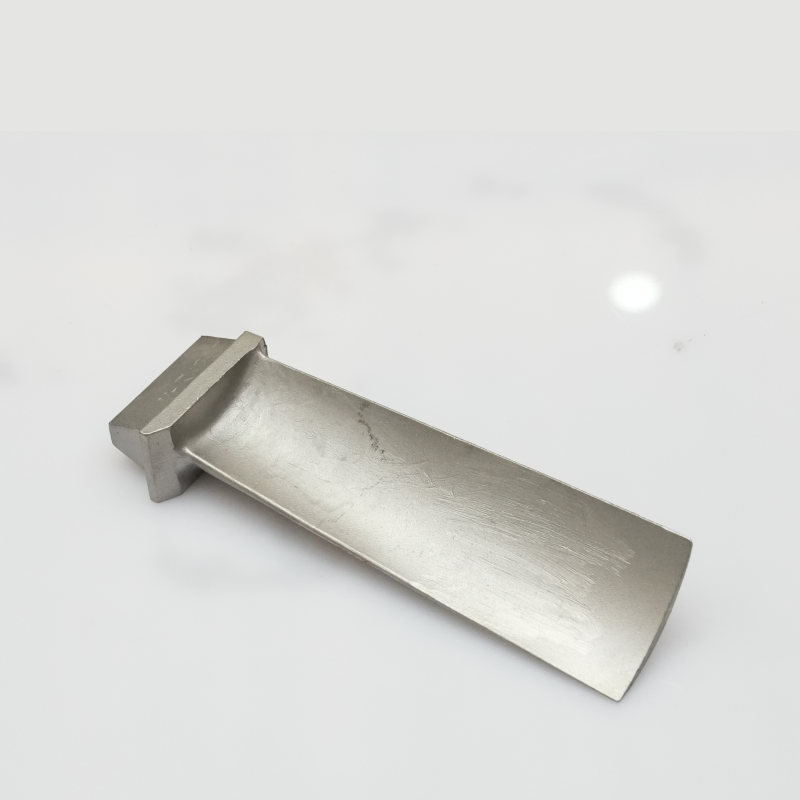
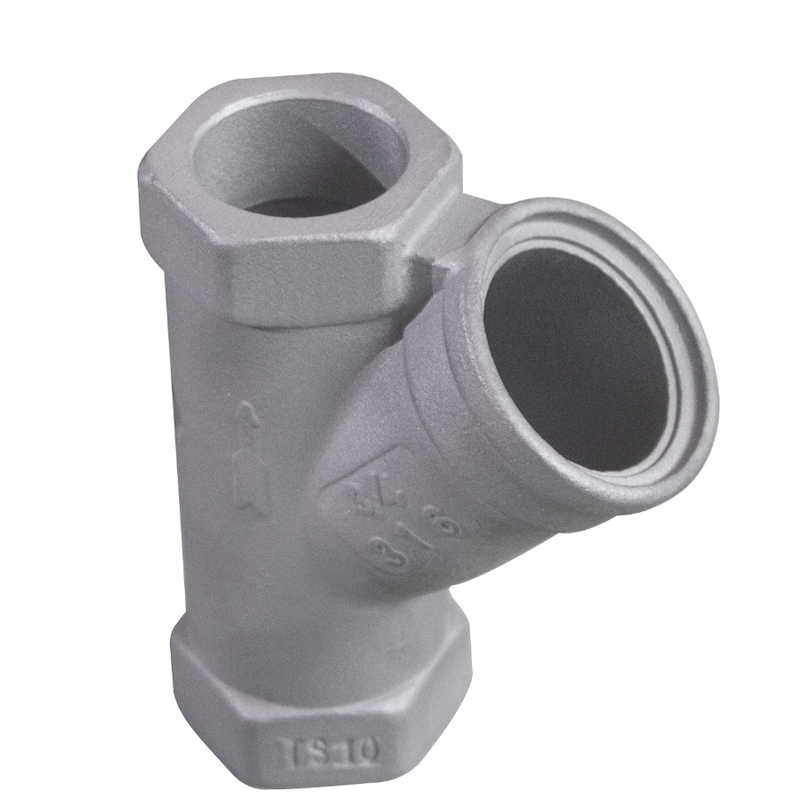
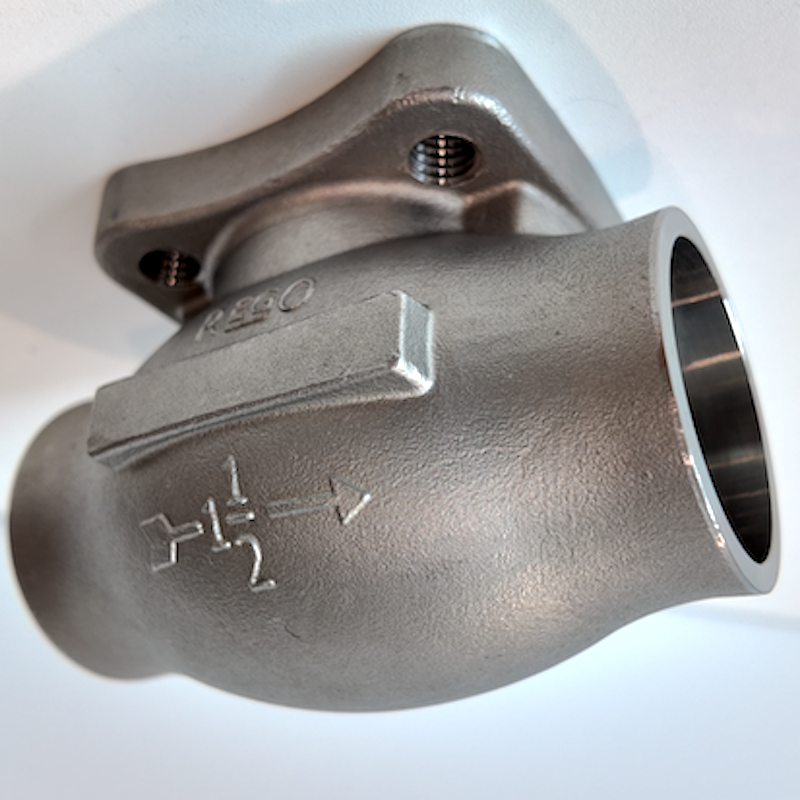
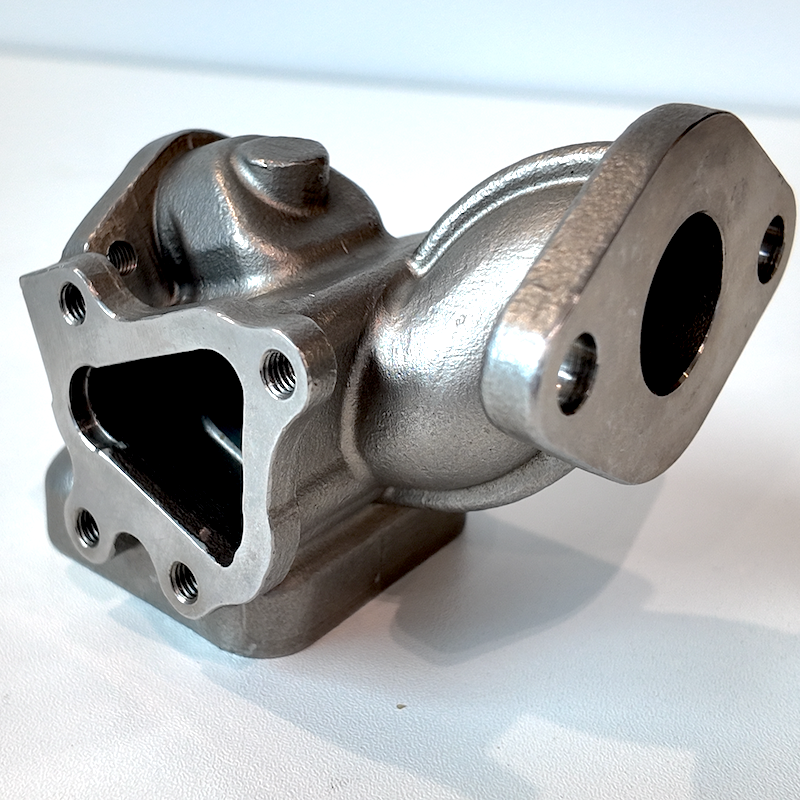
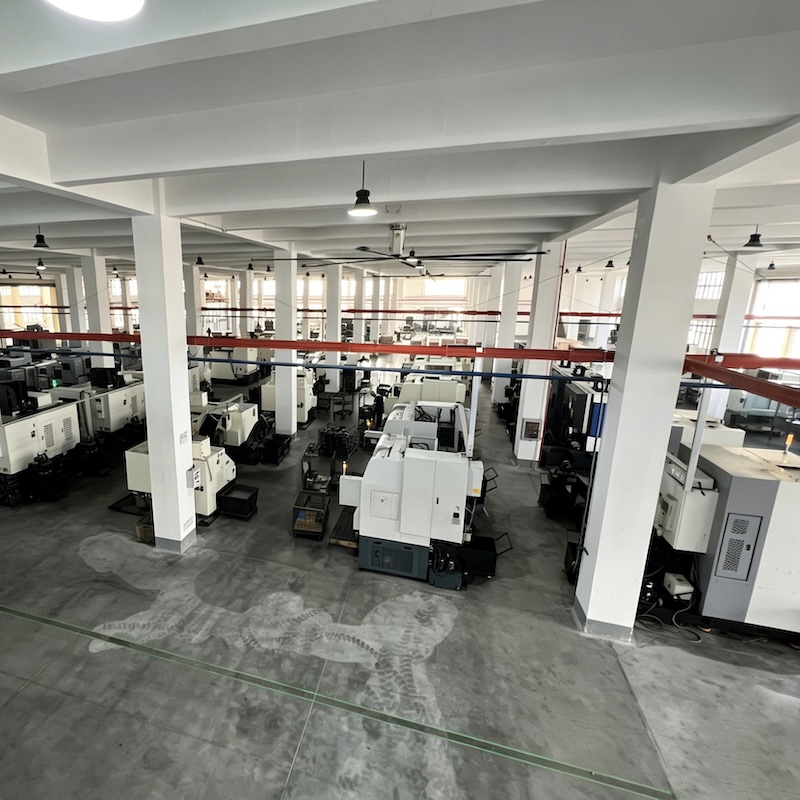
các bộ phận đúc cho máy bay thương mại
Các bộ phận đúc cho máy bay thương mại là những thành phần thiết yếu trong ngành sản xuất hàng không hiện đại, đóng vai trò nền tảng cho nhiều hệ thống quan trọng trên toàn bộ máy bay chở khách và máy bay chở hàng. Những chi tiết được chế tạo chính xác này được sản xuất thông qua các quy trình đúc tiên tiến nhằm biến đổi các hợp kim kim loại nóng chảy thành những hình dạng phức tạp cần thiết để đảm bảo hiệu suất tối ưu cho máy bay. Các chức năng chính của các bộ phận đúc cho máy bay thương mại bao gồm: hỗ trợ kết cấu, làm vỏ bọc cho các hệ thống cơ khí, các bộ phận động cơ, các thành phần càng hạ cánh và nhiều loại giá đỡ khác nhằm cố định chắc chắn các thiết bị quan trọng. Những bộ phận này phải chịu được các điều kiện khắc nghiệt như dao động nhiệt độ từ mức dưới không độ ở độ cao lớn đến môi trường động cơ có nhiệt độ cao, ứng suất cơ học đáng kể trong quá trình cất cánh và hạ cánh, cũng như rung động liên tục trong suốt hành trình bay. Các đặc điểm công nghệ của các bộ phận đúc cho máy bay thương mại phân biệt chúng với các sản phẩm đúc công nghiệp thông thường nhờ việc tuân thủ nghiêm ngặt các tiêu chuẩn và chứng nhận hàng không vũ trụ. Các nhà sản xuất áp dụng những phương pháp đúc tinh vi như đúc khuôn mất (investment casting), đúc khuôn cát (sand casting) và đúc khuôn ép (die casting), lựa chọn kỹ thuật phù hợp nhất dựa trên yêu cầu cụ thể của từng chi tiết. Phần mềm thiết kế hỗ trợ bởi máy tính (CAD) tiên tiến giúp các kỹ sư tối ưu hóa hình dáng chi tiết nhằm giảm trọng lượng mà vẫn duy trì độ bền kết cấu — một sự cân bằng then chốt trong các ứng dụng hàng không, nơi mỗi gram trọng lượng đều ảnh hưởng đến hiệu suất nhiên liệu. Thành phần kim loại của các bộ phận này thường bao gồm các hợp kim nhôm, hợp kim titan, hợp kim thép và các vật liệu chuyên dụng như Inconel dành cho các ứng dụng ở nhiệt độ cao. Các biện pháp kiểm soát chất lượng được thực hiện xuyên suốt quá trình sản xuất, bao gồm các phương pháp kiểm tra không phá hủy như chụp X-quang, kiểm tra siêu âm và kiểm tra thấm huỳnh quang nhằm phát hiện mọi khuyết tật bên trong hoặc khuyết tật bề mặt. Các ứng dụng của các bộ phận đúc cho máy bay thương mại trải rộng trên nhiều hệ thống máy bay, bao gồm cụm động lực, cơ cấu điều khiển chuyến bay, vỏ bọc hệ thống thủy lực, các thành phần điều khiển môi trường và các kết cấu lắp đặt thiết bị hàng không điện tử (avionics). Những linh kiện này xuất hiện trên mọi loại máy bay, từ các máy bay phản lực khu vực thân đơn lối đi (single-aisle regional jets) đến các máy bay thân rộng phục vụ đường bay quốc tế, phục vụ các hãng hàng không thương mại, các đơn vị vận tải hàng hóa và lĩnh vực hàng không thương gia trên toàn thế giới.

 EN
EN