Commercial Aircraft Casting Parts - Precision Aerospace Components for Enhanced Performance and Reliability

Get a Free Quote

Our representative will contact you soon.
Email
Name
Company Name
Message
0/1000

commercial aircraft casting parts

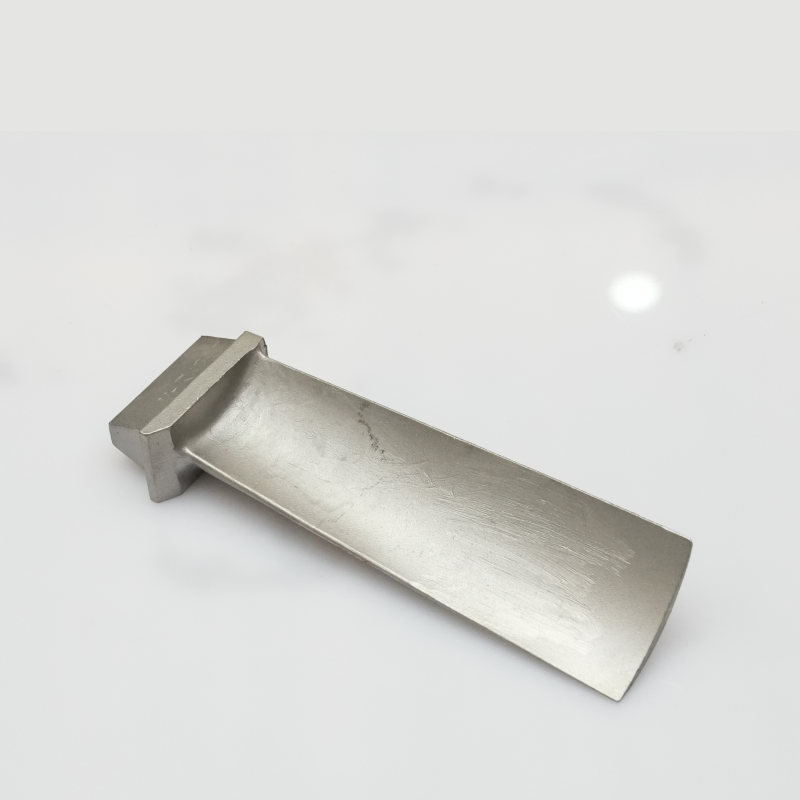
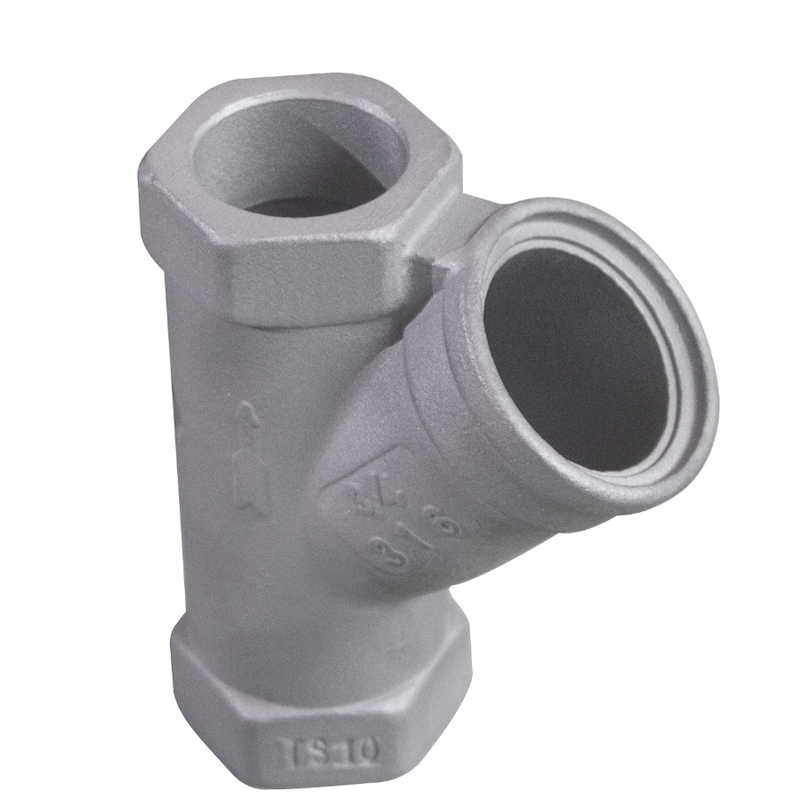
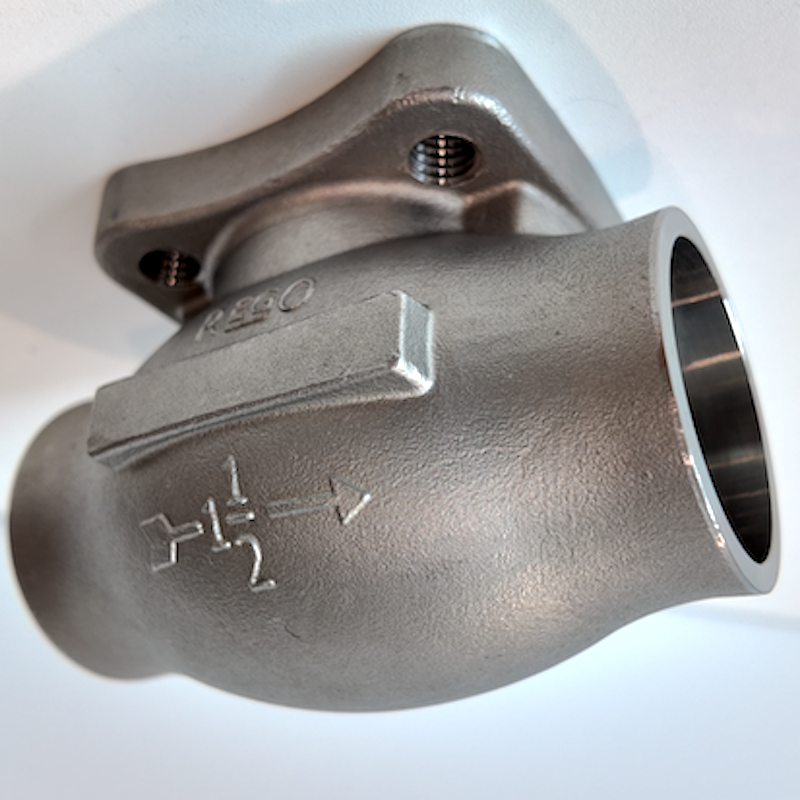
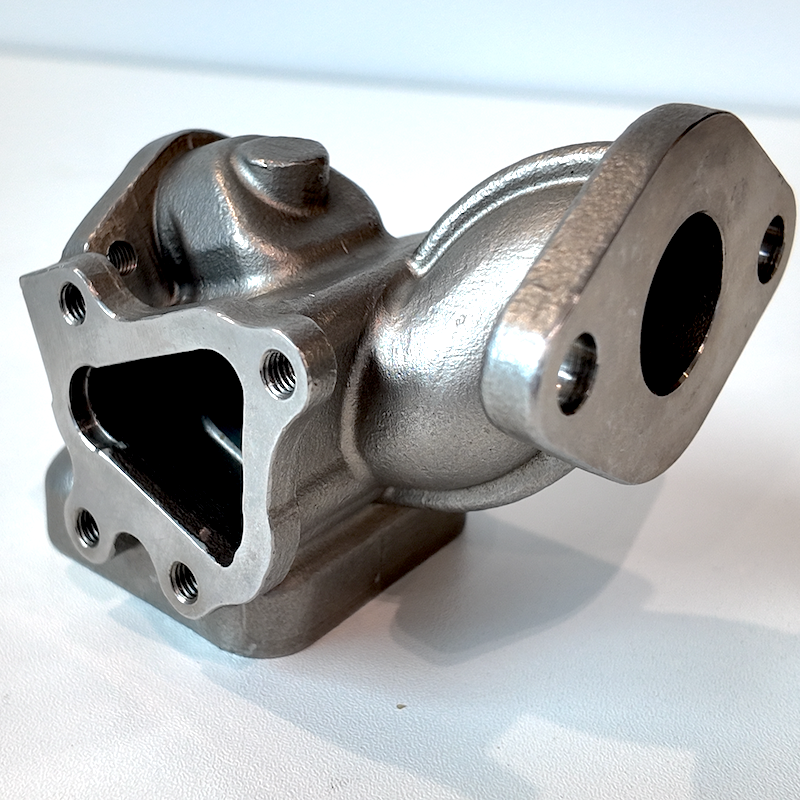
Commercial aircraft casting parts represent critical components manufactured through precision metal casting processes specifically designed for aviation applications. These specialized parts form the backbone of modern aircraft structures, serving essential roles in engines, landing gear systems, structural frameworks, and various mechanical assemblies. The manufacturing process involves pouring molten metal alloys into carefully engineered molds to create complex geometric shapes that meet stringent aerospace standards. Commercial aircraft casting parts undergo rigorous quality control procedures to ensure they can withstand extreme operational conditions including high temperatures, intense pressure variations, and constant mechanical stress. The primary functions of these components include providing structural integrity, supporting weight distribution, facilitating mechanical movement, and ensuring overall aircraft safety during flight operations. These parts are manufactured using advanced materials such as aluminum alloys, titanium alloys, steel, and specialized superalloys that offer exceptional strength-to-weight ratios. The technological features incorporated into commercial aircraft casting parts include precise dimensional accuracy, superior surface finish quality, excellent mechanical properties, and enhanced corrosion resistance. Modern casting technologies such as investment casting, sand casting, and die casting enable manufacturers to produce intricate designs with tight tolerances that traditional machining methods cannot achieve economically. Applications for these components span across multiple aircraft systems including turbine engine housings, compressor cases, structural brackets, hydraulic system components, fuel system parts, and control surface mechanisms. The aerospace industry relies heavily on commercial aircraft casting parts because they deliver consistent performance, reduce overall aircraft weight, and contribute to improved fuel efficiency. These components must comply with international aviation regulations and certification standards set by organizations such as the Federal Aviation Administration and the European Union Aviation Safety Agency, ensuring maximum reliability and passenger safety throughout the aircraft's operational lifespan.

New Product Recommendations

Commercial aircraft casting parts deliver substantial benefits that directly impact operational efficiency and cost-effectiveness for airlines and aircraft manufacturers. The manufacturing process produces components with exceptional structural integrity while maintaining lighter weights compared to fabricated alternatives, which translates to reduced fuel consumption and lower operating costs over the aircraft's lifetime. These parts eliminate the need for multiple welded or bolted assemblies, creating stronger single-piece components that reduce potential failure points and enhance overall safety margins. The casting process allows for complex internal geometries and intricate external features that would be extremely difficult or impossible to machine, providing engineers with greater design flexibility to optimize performance characteristics. Airlines benefit from extended maintenance intervals because commercial aircraft casting parts demonstrate superior resistance to fatigue, corrosion, and thermal stress, reducing downtime and maintenance expenses. The precision manufacturing techniques ensure consistent quality across production runs, meaning replacement parts maintain identical specifications and performance characteristics, simplifying inventory management and reducing procurement complexity. Cost savings emerge from the efficient material utilization inherent in casting processes, as near-net-shape production minimizes waste and reduces the need for extensive post-production machining operations. Aircraft manufacturers appreciate the scalability of casting production, which accommodates both prototype development and high-volume manufacturing without significant retooling investments. The versatility of commercial aircraft casting parts supports customization for specific aircraft models and performance requirements, enabling tailored solutions that meet unique operational demands. These components contribute to improved aircraft performance through optimized weight distribution, enhanced aerodynamic profiles, and superior thermal management capabilities in critical engine applications. Maintenance crews find these parts easier to inspect and service because their monolithic construction eliminates hidden joints and fasteners where cracks might develop undetected. The reliability of commercial aircraft casting parts reduces warranty claims and liability exposure for manufacturers while providing airlines with predictable lifecycle costs and improved fleet availability. Environmental benefits arise from the recyclability of casting materials and the reduced energy consumption associated with lighter aircraft weights, supporting sustainability initiatives across the aviation industry. The proven track record of these components across decades of commercial aviation demonstrates their value in delivering safe, efficient, and economical solutions for modern aircraft operations.

Latest News

Basic Principles Of Design Of Precision Casting Gating System

11

May

Basic Principles Of Design Of Precision Casting Gating System

View More
The Role Of Elements In Castings And The Order Of Addition

11

May

The Role Of Elements In Castings And The Order Of Addition

View More
Stainless Steel Castings for Building Facade Systems

11

May

Stainless Steel Castings for Building Facade Systems

View More
Precision Stainless Steel Exhaust Manifold Casting Solution For Luxury Sedan - With Japanese First-Tier Car Brand

11

May

Precision Stainless Steel Exhaust Manifold Casting Solution For Luxury Sedan - With Japanese First-Tier Car Brand

View More

Get a Free Quote

Our representative will contact you soon.
Email
Name
Company Name
Message
0/1000

commercial aircraft casting parts

Superior Strength and Weight Optimization Engineering

Superior Strength and Weight Optimization Engineering

Commercial aircraft casting parts achieve an exceptional balance between structural strength and weight reduction through advanced metallurgical engineering and precision manufacturing processes. This fundamental characteristic addresses one of the aviation industry's most critical challenges: maximizing load-bearing capacity while minimizing mass to enhance fuel efficiency and payload capacity. The casting process enables the creation of components with optimized material distribution, placing metal precisely where structural analysis indicates maximum stress concentrations occur while reducing thickness in low-stress areas. This strategic material placement, impossible to achieve through traditional fabrication methods, results in components that outperform machined or welded alternatives in strength-to-weight ratios. The molecular structure of cast components exhibits uniform grain patterns and consistent material properties throughout the part, eliminating weak points associated with welded joints or mechanical fasteners. Engineers utilize computer-aided design and finite element analysis to develop casting geometries that channel stress flows efficiently, preventing fatigue crack initiation and extending component service life. Commercial aircraft casting parts manufactured from aluminum alloys typically achieve weight reductions of twenty to thirty percent compared to fabricated assemblies while maintaining equivalent or superior load-bearing capabilities. For titanium castings used in high-temperature engine applications, the weight savings become even more pronounced while simultaneously providing enhanced corrosion resistance and thermal stability. These weight reductions compound across hundreds of components throughout an aircraft, potentially saving thousands of pounds in total structural weight, which directly translates to reduced fuel consumption, extended range capabilities, or increased passenger and cargo capacity. Airlines operating fleets equipped with optimized commercial aircraft casting parts realize measurable reductions in operating costs through decreased fuel expenditure, which represents the single largest variable expense in commercial aviation operations. The environmental impact proves equally significant, as lighter aircraft consume less fuel per flight hour, reducing carbon emissions and supporting industry sustainability commitments. Manufacturing efficiency also improves because single cast components replace multi-part assemblies, reducing production time, eliminating joining operations, and decreasing quality control inspection points throughout the manufacturing process.
Exceptional Durability and Operational Reliability Performance

Exceptional Durability and Operational Reliability Performance

Commercial aircraft casting parts demonstrate remarkable durability characteristics that ensure consistent performance throughout demanding operational lifecycles spanning decades of service. These components withstand extreme environmental conditions including rapid temperature fluctuations from minus sixty-five degrees Fahrenheit at cruising altitude to elevated temperatures in engine compartments, dramatic pressure variations during takeoff and landing cycles, and constant vibration exposure from engines and aerodynamic forces. The metallurgical properties engineered into commercial aircraft casting parts provide inherent resistance to fatigue failure, which represents a primary concern in aviation applications where components experience millions of stress cycles throughout their operational lifetime. The homogeneous material structure achieved through controlled solidification processes eliminates internal defects such as voids, inclusions, or laminations that could serve as crack initiation sites, significantly enhancing reliability compared to welded or forged alternatives. Specialized heat treatment processes applied to commercial aircraft casting parts further enhance their mechanical properties, increasing hardness, tensile strength, and impact resistance to meet rigorous aerospace specifications. Corrosion resistance represents another critical durability factor, particularly for components exposed to moisture, hydraulic fluids, fuel, and de-icing chemicals, and casting alloys are formulated with corrosion-inhibiting elements that maintain structural integrity despite continuous chemical exposure. The proven reliability of commercial aircraft casting parts translates directly to reduced maintenance requirements and extended inspection intervals, allowing airlines to maximize aircraft availability and revenue-generating flight hours. Statistical analysis of component failure rates demonstrates that properly manufactured cast parts exhibit failure probabilities significantly lower than industry averages, contributing to enhanced safety margins and regulatory compliance. Predictable lifecycle behavior enables accurate maintenance planning and replacement scheduling, eliminating unexpected failures that cause flight cancellations, passenger inconvenience, and revenue losses. The economic value of this reliability extends beyond direct maintenance cost savings to encompass improved fleet dispatch reliability, enhanced customer satisfaction, and strengthened airline reputation for operational dependability. Aircraft manufacturers benefit from reduced warranty claims and service bulletin requirements when utilizing high-quality commercial aircraft casting parts, protecting profit margins and brand reputation in the competitive aerospace marketplace.
Advanced Manufacturing Precision and Complex Geometry Capabilities

Advanced Manufacturing Precision and Complex Geometry Capabilities

Commercial aircraft casting parts leverage sophisticated manufacturing technologies that enable the production of geometrically complex components with precision tolerances previously unattainable through conventional fabrication methods. The casting process accommodates intricate internal passages, undercuts, varying wall thicknesses, and compound curved surfaces within single monolithic components, eliminating assembly requirements and associated quality risks. Investment casting techniques, particularly valuable for commercial aircraft casting parts, achieve surface finish quality and dimensional accuracy approaching final part specifications, minimizing or completely eliminating secondary machining operations that add cost and production time. This near-net-shape manufacturing capability proves especially valuable for components with internal cooling channels, fluid passages, or weight-reduction cavities that would require extensive machining or be impossible to create through subtractive manufacturing approaches. The precision inherent in modern casting processes ensures consistent dimensional repeatability across production quantities, guaranteeing that replacement parts maintain exact specifications and interchangeability with original equipment installations throughout the aircraft fleet. Advanced simulation software enables engineers to predict metal flow patterns, solidification behavior, and residual stress distribution before physical production begins, optimizing mold designs to prevent defects and achieve desired material properties. Quality assurance protocols for commercial aircraft casting parts include non-destructive testing methods such as radiographic examination, ultrasonic inspection, and fluorescent penetrant testing that verify internal soundness and surface integrity without damaging components. Traceability systems track each casting from raw material certification through final inspection, documenting manufacturing parameters, heat treatment cycles, and inspection results to satisfy aerospace regulatory requirements and enable failure analysis if service issues emerge. The flexibility of casting processes supports rapid prototyping and design iteration, allowing engineers to evaluate multiple design alternatives quickly and economically during aircraft development programs. Manufacturers can incorporate design refinements and performance enhancements into commercial aircraft casting parts without massive retooling investments, supporting continuous improvement initiatives and technology insertion as materials science advances. This manufacturing versatility extends to material selection, as casting processes accommodate a wide range of alloys including aluminum, titanium, steel, and nickel-based superalloys, each optimized for specific application requirements regarding strength, temperature resistance, corrosion protection, and weight considerations.

Get a Free Quote

Our representative will contact you soon.
Email
Name
Company Name
Message
0/1000