Aerospace Metal Fabrication Services - Precision Components for Aviation and Space Applications

Get a Free Quote

Our representative will contact you soon.
Email
Name
Company Name
Message
0/1000

aerospace metal fabrication

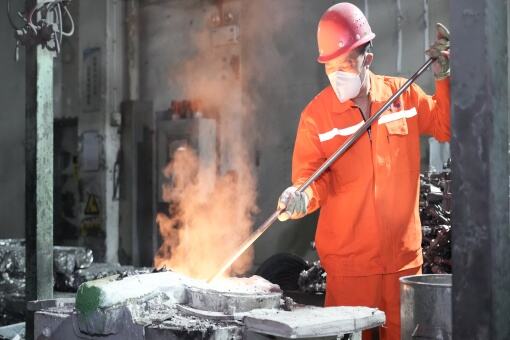
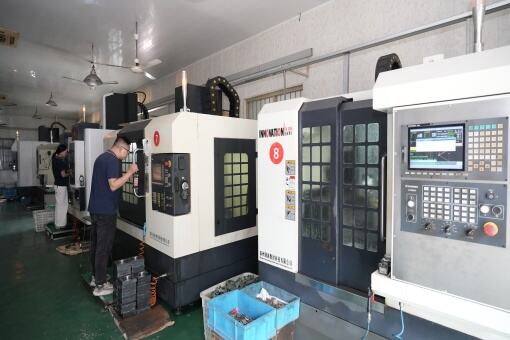
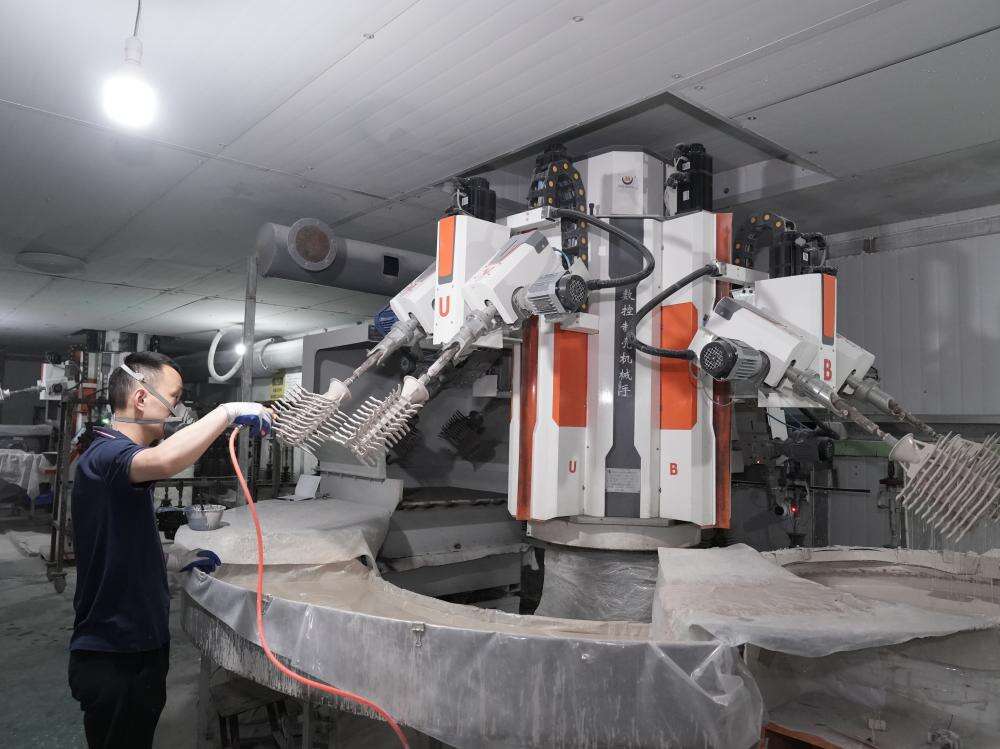
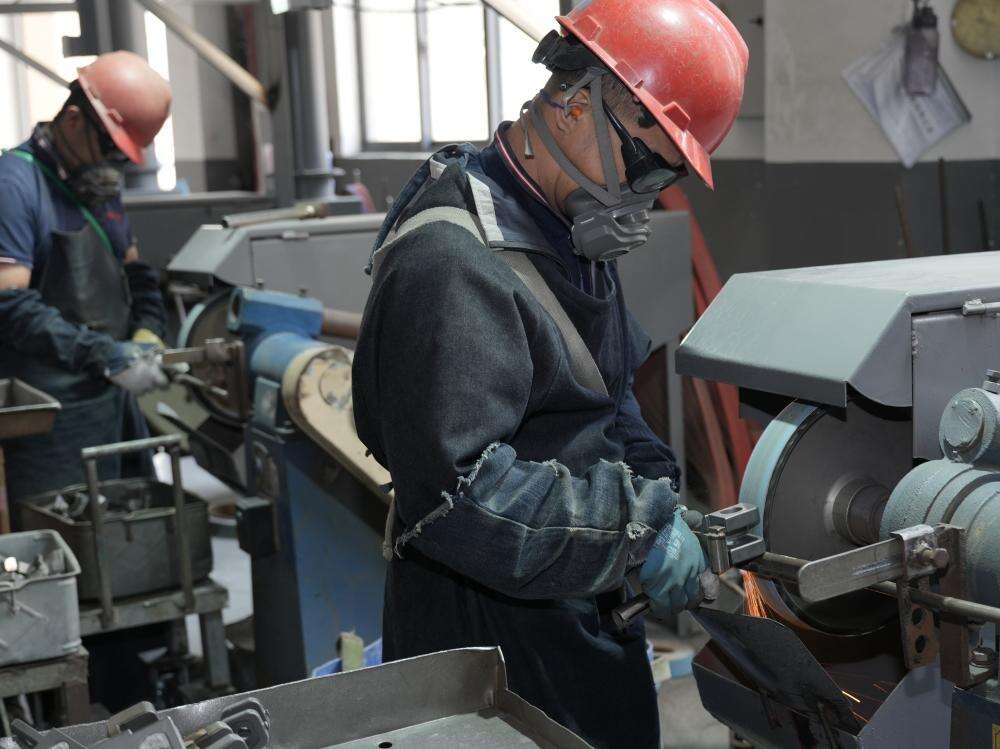
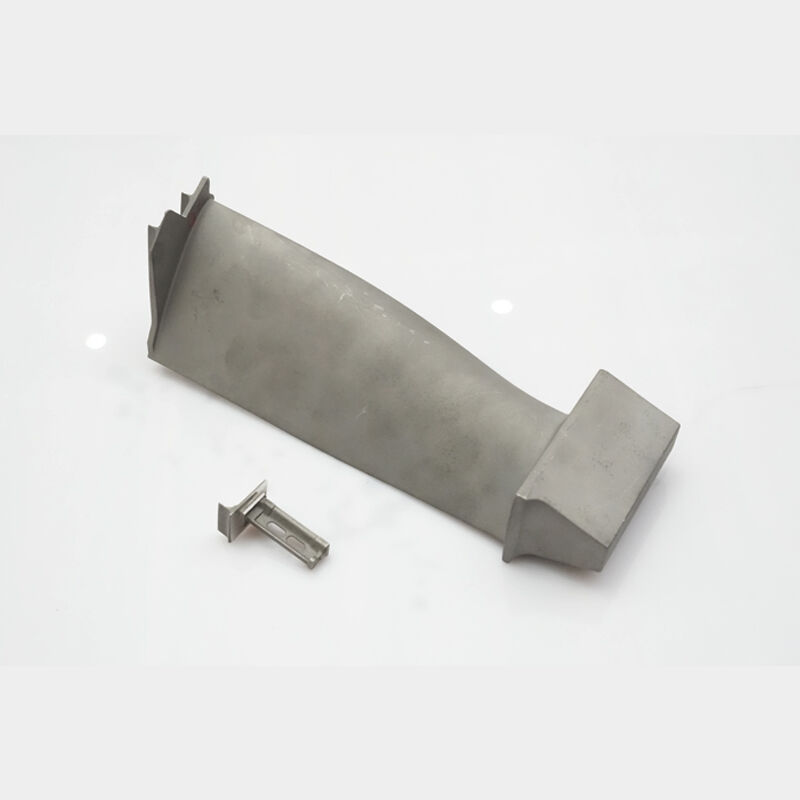
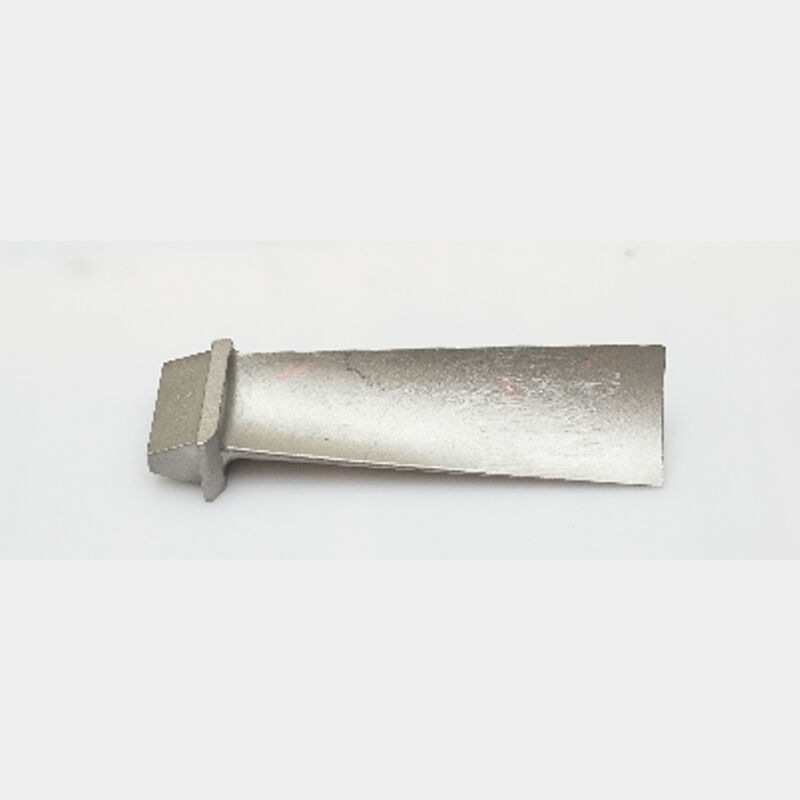
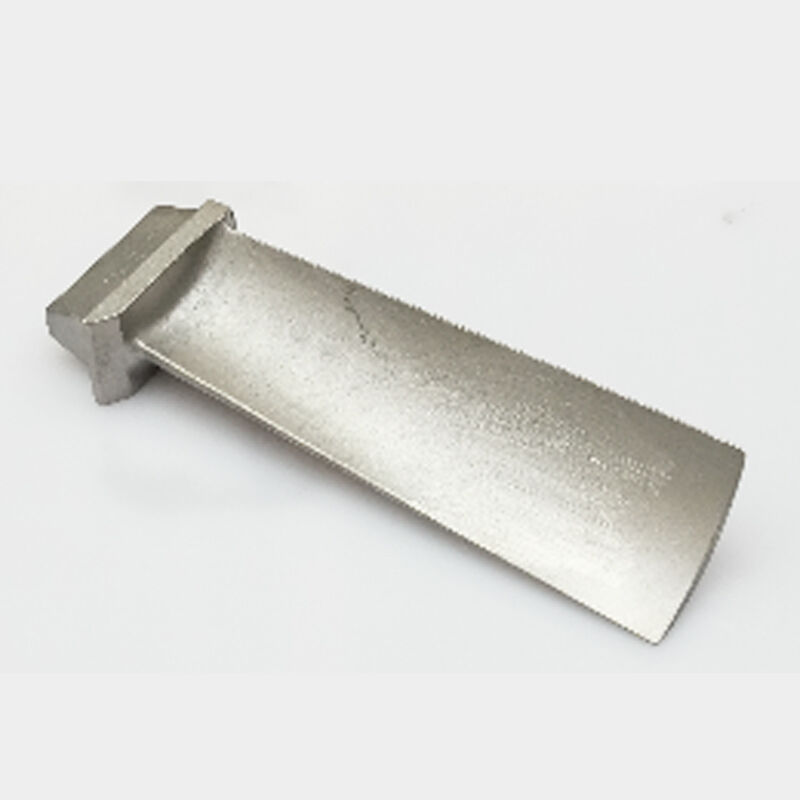
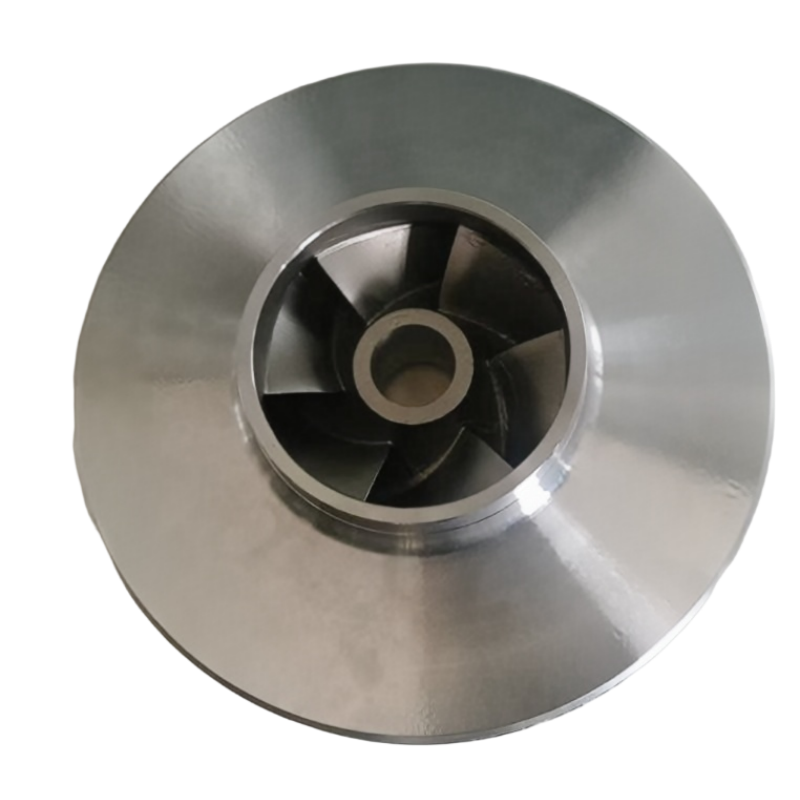
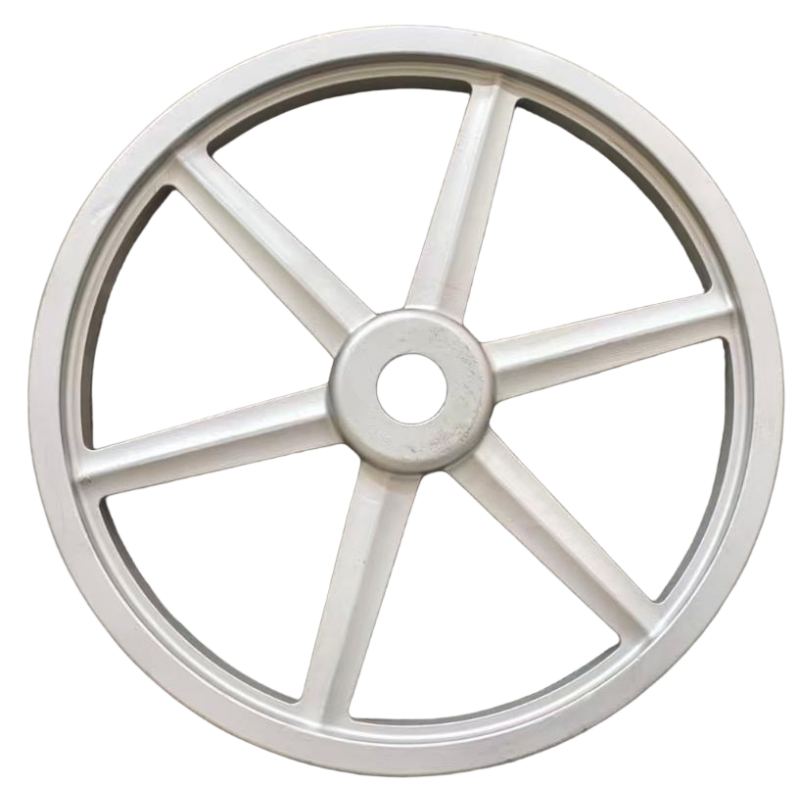
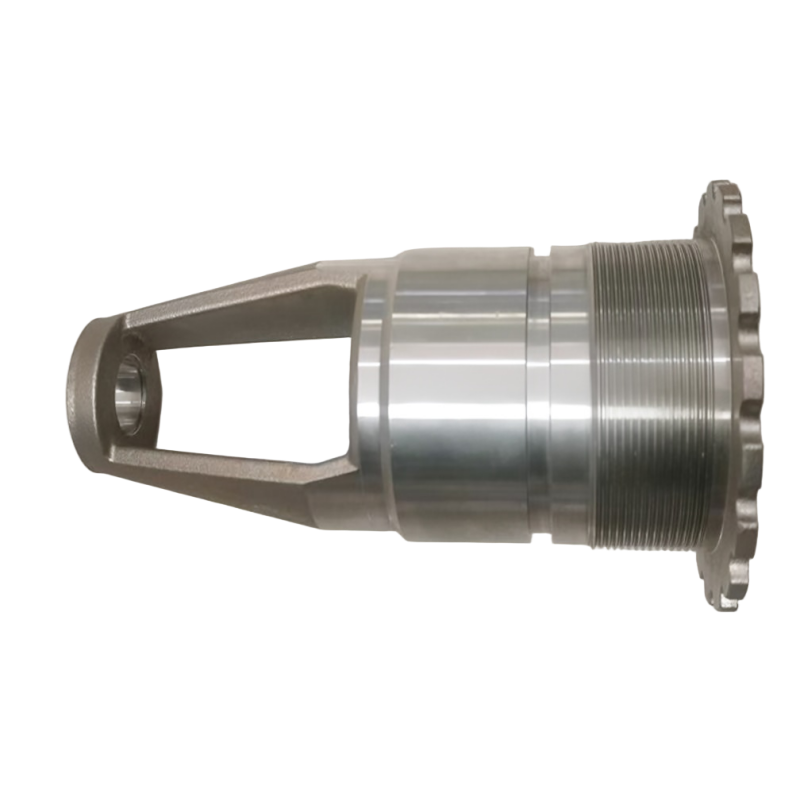
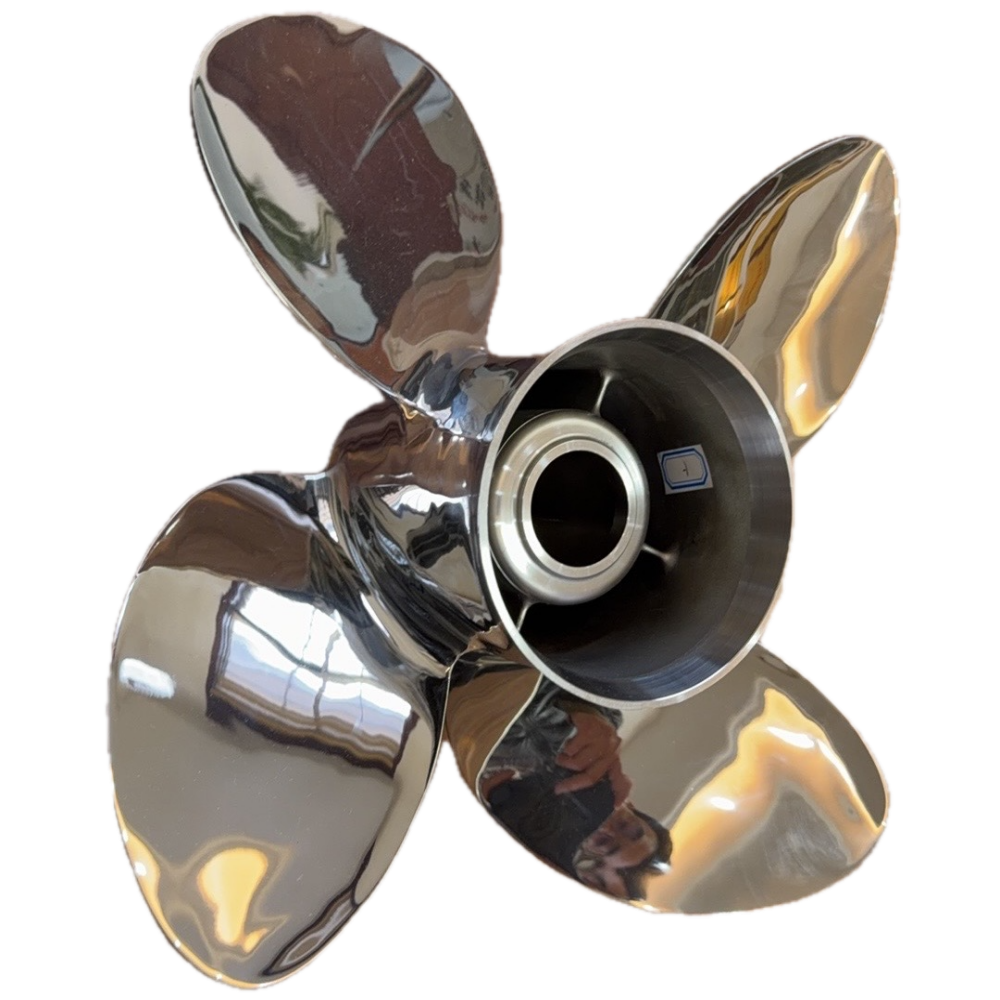
Aerospace metal fabrication represents a specialized manufacturing process that transforms raw metal materials into precision-engineered components for aircraft, spacecraft, satellites, and defense systems. This critical industry combines advanced metalworking techniques with stringent quality standards to produce parts that meet the demanding requirements of flight operations and space exploration. The main functions of aerospace metal fabrication include cutting, forming, machining, welding, and assembling metal components that must withstand extreme temperatures, pressure variations, and mechanical stresses. These processes utilize materials such as aluminum alloys, titanium, stainless steel, and specialized superalloys selected for their strength-to-weight ratios and performance characteristics. Technological features of aerospace metal fabrication encompass computer numerical control machining, laser cutting systems, precision welding technologies, and automated quality inspection methods. Modern facilities employ five-axis CNC machines capable of producing complex geometries with tolerances measured in micrometers. The integration of computer-aided design and computer-aided manufacturing systems ensures that every component matches exact specifications from digital blueprints. Aerospace metal fabrication finds applications across numerous aviation and space programs, producing structural frames, engine components, landing gear assemblies, hydraulic system parts, and control surface elements. Commercial aviation relies on these fabricated parts for passenger aircraft construction and maintenance. Military applications include fighter jets, transport planes, and unmanned aerial vehicles. Space exploration missions depend on fabricated metal components for rocket structures, satellite frameworks, and spacecraft modules. The fabrication process adheres to rigorous industry standards established by aviation authorities and quality management systems, ensuring traceability, documentation, and compliance throughout production. This manufacturing discipline continues evolving with additive manufacturing technologies and advanced composite-metal hybrid structures that push the boundaries of what aerospace vehicles can achieve in performance and efficiency.

New Products

Choosing aerospace metal fabrication delivers numerous practical benefits that directly impact your project success and operational efficiency. The primary advantage lies in achieving exceptional precision and consistency across all manufactured components, which means every part fits perfectly during assembly and performs reliably throughout its service life. This precision reduces costly rework, eliminates delays in production schedules, and ensures your aircraft or spacecraft meets all performance specifications without compromise. Another significant benefit comes from the superior material properties available through specialized fabrication techniques. The process allows manufacturers to work with high-performance alloys that offer outstanding strength while maintaining minimal weight, translating directly into improved fuel efficiency for aircraft and enhanced payload capacity for space vehicles. Your operational costs decrease substantially when vehicles consume less fuel and carry more cargo or passengers. The durability achieved through proper aerospace metal fabrication means components resist corrosion, fatigue, and environmental degradation far better than standard manufacturing methods produce. This extended lifespan reduces maintenance requirements, lowers replacement part expenses, and increases vehicle availability for revenue-generating operations. You benefit from fewer unexpected failures and more predictable maintenance schedules that help optimize fleet management. Quality assurance protocols inherent in aerospace metal fabrication provide complete traceability for every component, giving you documented proof of material origins, manufacturing processes, and inspection results. This documentation proves invaluable for regulatory compliance, safety audits, and liability protection. The confidence that comes from knowing every part has been thoroughly verified allows you to focus on mission success rather than worrying about component reliability. Flexibility represents another key advantage, as skilled fabrication teams can produce custom components tailored to your specific requirements rather than forcing you to adapt designs around available off-the-shelf parts. This customization capability accelerates innovation, enables unique design solutions, and gives you competitive advantages in performance capabilities. The fabrication process also supports rapid prototyping, allowing you to test and refine designs quickly before committing to full-scale production. Cost efficiency emerges from reduced material waste through optimized cutting patterns and precision machining that removes only necessary material. Modern fabrication technologies minimize scrap, lower raw material costs, and improve your overall project economics. The combination of durability, precision, and efficiency means your total cost of ownership decreases significantly compared to alternative manufacturing approaches.

Latest News

Basic Principles Of Design Of Precision Casting Gating System

11

May

Basic Principles Of Design Of Precision Casting Gating System

View More
Selection And Application Scope Of Hardness Tester

11

May

Selection And Application Scope Of Hardness Tester

View More
Stainless Steel Castings for Building Facade Systems

11

May

Stainless Steel Castings for Building Facade Systems

View More
Precision Stainless Steel Exhaust Manifold Casting Solution For Luxury Sedan - With Japanese First-Tier Car Brand

11

May

Precision Stainless Steel Exhaust Manifold Casting Solution For Luxury Sedan - With Japanese First-Tier Car Brand

View More

Get a Free Quote

Our representative will contact you soon.
Email
Name
Company Name
Message
0/1000

aerospace metal fabrication

Unmatched Precision Engineering for Critical Flight Applications

Unmatched Precision Engineering for Critical Flight Applications

Aerospace metal fabrication delivers precision engineering capabilities that meet the most demanding requirements of flight operations where component accuracy directly affects safety and performance. The fabrication process utilizes advanced computer numerical control machining centers equipped with multi-axis capabilities that can hold tolerances within a few micrometers, ensuring perfect dimensional accuracy for components that must mate precisely with other systems. This level of precision proves essential for applications like turbine engine parts where even microscopic deviations can cause vibration, efficiency losses, or catastrophic failures. The investment in precision equipment and skilled technicians pays dividends through reduced assembly time, as parts fit together correctly the first time without requiring manual adjustments or modifications. Quality control systems integrated throughout the aerospace metal fabrication process include coordinate measuring machines, laser scanning systems, and non-destructive testing methods that verify every dimension and surface characteristic against engineering specifications. These inspection technologies detect potential issues before components enter service, preventing costly failures and protecting passenger safety. The precision achieved through aerospace metal fabrication extends beyond simple dimensional accuracy to include surface finish requirements that affect aerodynamic performance, fatigue resistance, and coating adhesion. Smooth, consistent surface finishes reduce drag on external components, improve airflow through engine passages, and provide ideal substrates for protective coatings that prevent corrosion. Manufacturers achieve these finishes through controlled machining parameters, specialized cutting tools, and post-processing operations tailored to each material type and application requirement. The combination of dimensional precision and surface quality produces components that perform exactly as engineers intended throughout their entire service life. Aerospace metal fabrication facilities maintain environmental controls that prevent contamination and temperature variations that could affect measurement accuracy or material properties during processing. These controlled conditions ensure consistent results regardless of external weather conditions or seasonal changes, providing reliability you can depend on for critical delivery schedules and performance guarantees.
Advanced Material Selection for Optimal Performance Characteristics

Advanced Material Selection for Optimal Performance Characteristics

The aerospace metal fabrication industry provides access to an extensive range of specialized materials engineered specifically for aviation and space applications, each offering unique combinations of properties that address particular performance requirements. Aluminum alloys remain popular choices for airframe structures due to their excellent strength-to-weight ratios, corrosion resistance, and workability during fabrication processes. These alloys can be heat-treated to achieve specific strength levels, formed into complex shapes without cracking, and joined using various welding techniques that maintain structural integrity. Titanium alloys bring exceptional strength and temperature resistance to applications like engine components, landing gear assemblies, and structural elements in high-performance aircraft where weight savings justify the higher material costs. Aerospace metal fabrication techniques for titanium require specialized equipment and expertise due to the material's reactive nature at elevated temperatures, but the resulting components offer unmatched performance in demanding environments. Stainless steel varieties provide corrosion resistance and strength for hydraulic systems, fasteners, and structural components exposed to harsh conditions including salt spray, extreme temperatures, and chemical exposure. The fabrication process can work with austenitic, martensitic, and precipitation-hardening stainless steels, selecting the optimal grade for each specific application based on strength requirements, environmental factors, and fabricability considerations. Superalloys based on nickel, cobalt, or iron provide the extreme temperature capability necessary for turbine engines and exhaust systems where components operate at temperatures that would melt conventional materials. Aerospace metal fabrication for these advanced alloys requires specialized machining techniques, cutting tools, and processing parameters that accommodate their exceptional strength and work-hardening characteristics. Material selection in aerospace metal fabrication also considers factors beyond mechanical properties, including electrical conductivity for lightning strike protection, magnetic permeability for avionic systems, and thermal expansion coefficients for components that experience temperature variations. The expertise to match materials with applications ensures optimal performance while controlling costs and maintaining manufacturability throughout production runs.
Comprehensive Quality Systems Ensuring Regulatory Compliance

Comprehensive Quality Systems Ensuring Regulatory Compliance

Aerospace metal fabrication operates under rigorous quality management systems that ensure every component meets stringent regulatory requirements established by aviation authorities and international standards organizations. These comprehensive quality systems provide the documentation, traceability, and verification necessary for certification processes that approve components for flight operations. The quality framework begins with material certification, where aerospace metal fabrication facilities verify that raw materials come from approved suppliers and include complete chemical composition analysis, mechanical property testing, and material traceability documentation that follows components throughout their entire lifecycle. This material pedigree proves essential for failure investigations, service life predictions, and regulatory compliance audits. Process control procedures embedded within aerospace metal fabrication operations define exact parameters for every manufacturing step, including cutting speeds, feed rates, heat treatment temperatures, welding procedures, and inspection frequencies. These documented processes ensure consistency across production batches and enable continuous improvement through statistical process control methods that identify trends before they affect component quality. Skilled inspectors trained in aerospace quality standards perform dimensional verification, visual examination, and specialized non-destructive testing including ultrasonic inspection, radiographic examination, and penetrant testing that reveal internal defects invisible to surface inspection methods. The inspection data becomes part of permanent records that accompany components throughout their service life, providing maintenance personnel with complete manufacturing history when evaluating parts during overhaul or repair operations. Calibration programs for all measurement equipment ensure accuracy and traceability to national standards, with regular verification cycles that maintain measurement system integrity. Aerospace metal fabrication quality systems also include supplier management processes that qualify and monitor vendors providing raw materials, tooling, and services, ensuring consistent quality throughout the entire supply chain. Internal audits and continuous improvement initiatives drive ongoing enhancement of processes, with corrective action systems that address nonconformances and prevent recurrence. This commitment to quality excellence means customers receive components that meet all specifications while carrying the documentation necessary for regulatory approval and continued airworthiness certification.

Get a Free Quote

Our representative will contact you soon.
Email
Name
Company Name
Message
0/1000