lavorazione metallica per l'aerospaziale
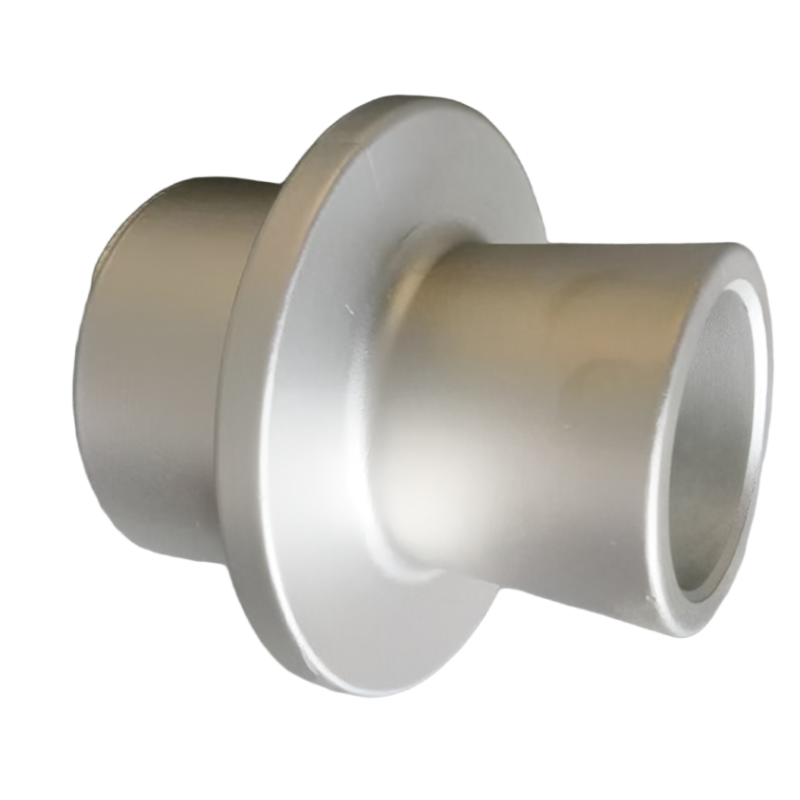
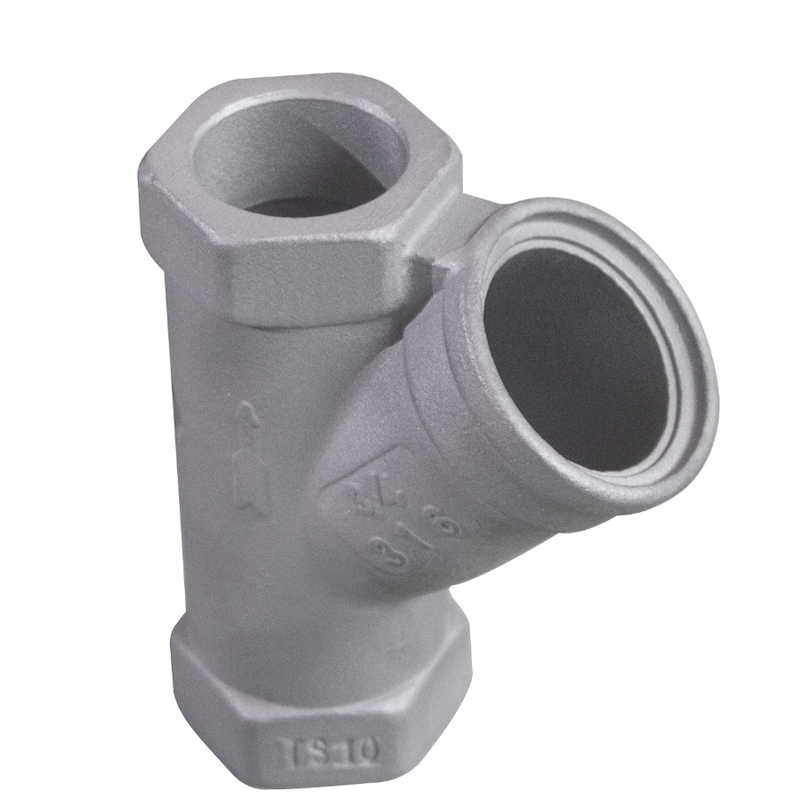
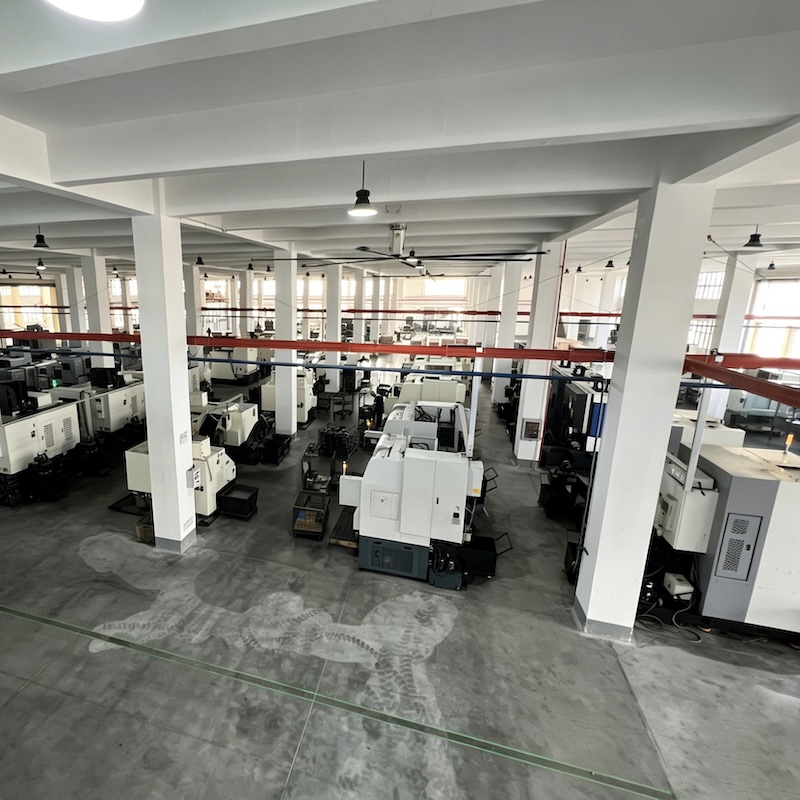
La fabbricazione di componenti metallici per l’aerospaziale rappresenta un processo produttivo specializzato che trasforma materiali metallici grezzi in componenti ingegnerizzati con precisione, essenziali per aeromobili, veicoli spaziali, satelliti e attrezzature correlate. Questo sofisticato processo comprende numerose tecniche, tra cui taglio, piegatura, saldatura, lavorazione meccanica e assemblaggio, al fine di realizzare parti che soddisfino i rigorosi requisiti dell’aviazione e dell’esplorazione spaziale. Le principali funzioni della fabbricazione di componenti metallici per l’aerospaziale consistono nella produzione di strutture portanti, componenti del motore, sistemi di carrello d’atterraggio, serbatoi per carburante, staffe, elementi di fissaggio e involucri complessi, tutti progettati per resistere a temperature, pressioni e sollecitazioni estreme. Tra le caratteristiche tecnologiche che definiscono tale processo figurano la lavorazione a controllo numerico computerizzato (CNC), in grado di garantire un’accuratezza al livello del micrometro; tecniche avanzate di saldatura, quali la saldatura a fascio elettronico e la saldatura laser, utilizzate per ottenere sigilli ermetici; e centri di lavorazione multiasse capaci di realizzare geometrie complesse partendo da blocchi metallici massicci. Il processo impiega materiali di prima qualità, come leghe di titanio, leghe di alluminio, acciaio inossidabile, Inconel e compositi specializzati, scelti per il loro rapporto resistenza-peso e per la loro resistenza alla corrosione. Le applicazioni spaziano dall’aviazione commerciale, dove i componenti devono rispettare gli standard dell’Amministrazione Federale dell’Aviazione (FAA), agli aerei militari, che richiedono specifiche di maggiore durabilità e prestazioni; ai veicoli spaziali, che necessitano di materiali funzionanti in condizioni di vuoto; e ai sistemi satellitari, che richiedono elementi strutturali leggeri ma estremamente resistenti. Gli stabilimenti dedicati alla fabbricazione di componenti metallici per l’aerospaziale adottano sistemi di gestione della qualità certificati secondo lo standard AS9100, assicurando la tracciabilità dalla certificazione dei materiali grezzi fino all’ispezione finale. Metodi avanzati di ispezione — tra cui macchine di misura a coordinate, prove ultrasonore, esami radiografici e analisi metallurgiche — verificano che ogni componente rispetti le tolleranze dimensionali e le specifiche dei materiali. L’integrazione di sistemi di progettazione assistita da computer (CAD) e di produzione assistita da computer (CAM) consente una transizione fluida dai concetti ingegneristici ai componenti fisici, preservando integralmente l’intento progettuale. La moderna fabbricazione di componenti metallici per l’aerospaziale incorpora inoltre tecnologie di produzione additiva per realizzare geometrie interne complesse impossibili da ottenere con i metodi tradizionali, rappresentando così l’evoluzione di questo fondamentale segmento industriale, che sostiene le iniziative globali in materia di sicurezza aviatoria ed esplorazione spaziale.

 EN
EN