Precision Aerospace Machining Services | Complex Component Manufacturing & AS9100 Certified Solutions

Get a Free Quote

Our representative will contact you soon.
Email
Name
Company Name
Message
0/1000

aerospace machining services

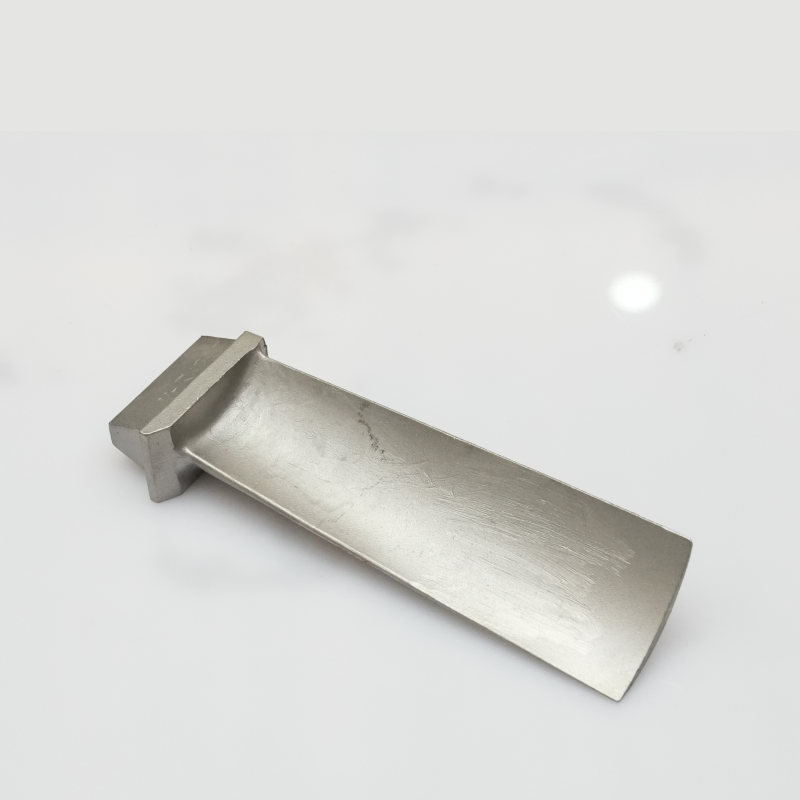
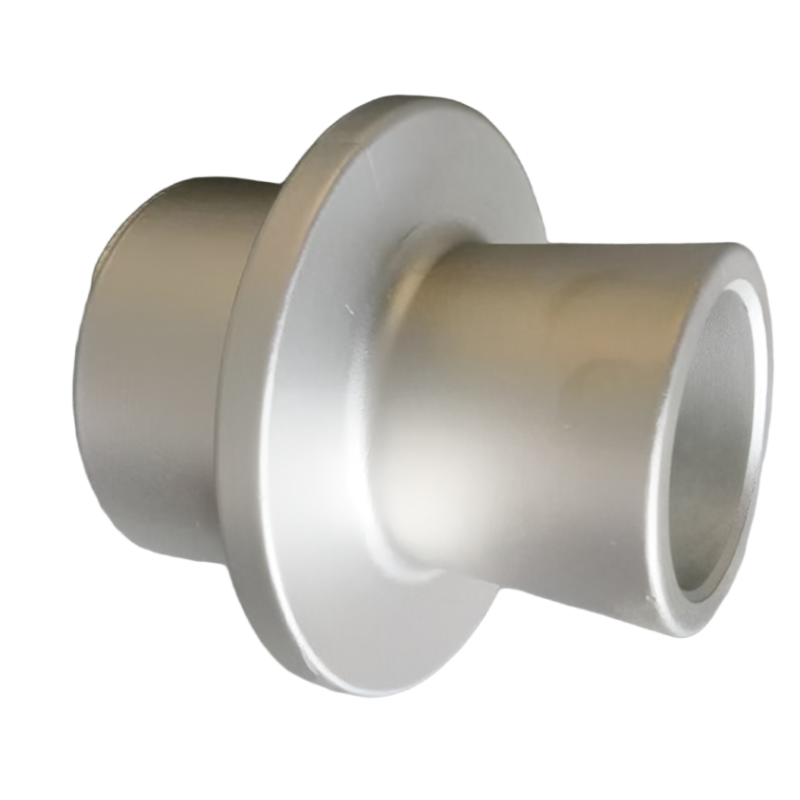
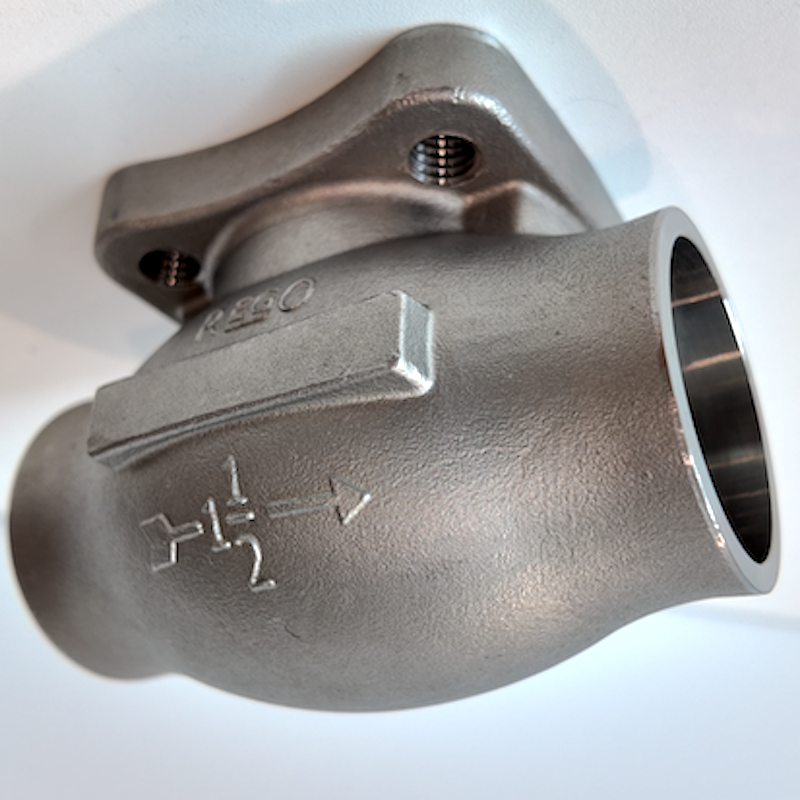
Aerospace machining services represent specialized manufacturing solutions designed to produce high-precision components for aircraft, spacecraft, satellites, and defense systems. These services encompass advanced metal cutting, milling, turning, grinding, and finishing operations that transform raw materials into critical aerospace parts. The main function of aerospace machining services involves creating components that meet exceptionally strict tolerances, often within microns, while maintaining structural integrity under extreme conditions. These services utilize state-of-the-art CNC machines, multi-axis machining centers, and computer-aided manufacturing systems to deliver parts with complex geometries and superior surface finishes. The technological features include advanced programming capabilities that enable simultaneous multi-axis operations, real-time quality monitoring systems, and adaptive machining strategies that compensate for material variations. Aerospace machining services work with specialized materials such as titanium alloys, aluminum aerospace grades, Inconel, stainless steel, and composite materials that require specific cutting parameters and tooling strategies. The applications span across numerous aerospace sectors including commercial aviation, military aircraft, space exploration vehicles, unmanned aerial systems, and satellite components. These services produce engine components like turbine blades and combustion chambers, structural elements such as wing spars and fuselage frames, landing gear assemblies, hydraulic system parts, and avionics housings. The precision offered by aerospace machining services ensures that every component meets rigorous industry standards including AS9100 certification requirements and complies with Federal Aviation Administration regulations. Modern aerospace machining services integrate inspection protocols throughout the manufacturing process, utilizing coordinate measuring machines and optical scanning systems to verify dimensional accuracy. This comprehensive approach guarantees that finished components perform reliably in demanding environments where failure is not an option, making aerospace machining services indispensable for manufacturers who prioritize safety, performance, and regulatory compliance in their aviation and space projects.

New Products

Choosing professional aerospace machining services delivers tangible benefits that directly impact your project success and bottom line. First, you gain access to precision manufacturing capabilities that consistently achieve tolerances as tight as plus or minus 0.0001 inches, ensuring your components fit perfectly during assembly and function flawlessly throughout their service life. This level of accuracy reduces costly rework, minimizes assembly time, and eliminates performance issues that arise from poorly manufactured parts. Second, aerospace machining services provide material expertise that helps you select the optimal alloys and grades for your specific application, considering factors like weight reduction, corrosion resistance, thermal stability, and mechanical strength. This guidance prevents expensive material selection mistakes and ensures your components perform reliably under operational stress. Third, you benefit from reduced lead times through efficient production planning and advanced machining strategies that complete complex parts faster without compromising quality. Shorter manufacturing cycles mean you can bring products to market quicker and respond rapidly to customer demands. Fourth, working with aerospace machining services gives you scalability, allowing you to produce prototype quantities for testing, then seamlessly transition to full production runs without changing suppliers or requalifying processes. This flexibility saves time and maintains consistency across all production phases. Fifth, you receive comprehensive quality documentation including material certifications, dimensional inspection reports, and process traceability records that satisfy customer requirements and regulatory audits. This documentation eliminates compliance headaches and builds confidence with your clients. Sixth, aerospace machining services employ experienced engineers and machinists who understand aerospace requirements and can suggest design improvements that enhance manufacturability, reduce costs, and improve component performance. Their expertise helps you avoid common pitfalls and optimize your designs before committing to production. Seventh, you reduce capital investment since partnering with aerospace machining services eliminates the need to purchase expensive equipment, maintain specialized tooling, or hire trained personnel. This approach converts fixed costs into variable expenses and frees up capital for other business priorities. Eighth, you gain manufacturing consistency through proven processes and quality systems that deliver repeatable results batch after batch, reducing variability and ensuring every component meets specifications. Finally, aerospace machining services offer risk mitigation by assuming responsibility for manufacturing challenges, allowing you to focus on design innovation and customer relationships while experts handle production complexities.

Tips And Tricks

Basic Principles Of Design Of Precision Casting Gating System

11

May

Basic Principles Of Design Of Precision Casting Gating System

View More
Selection And Application Scope Of Hardness Tester

11

May

Selection And Application Scope Of Hardness Tester

View More
Stainless Steel Castings for Architectural Posts

11

May

Stainless Steel Castings for Architectural Posts

View More
Stainless Steel Castings for Building Facade Systems

11

May

Stainless Steel Castings for Building Facade Systems

View More

Get a Free Quote

Our representative will contact you soon.
Email
Name
Company Name
Message
0/1000

aerospace machining services

Advanced Multi-Axis Machining Capabilities for Complex Aerospace Geometries

Advanced Multi-Axis Machining Capabilities for Complex Aerospace Geometries

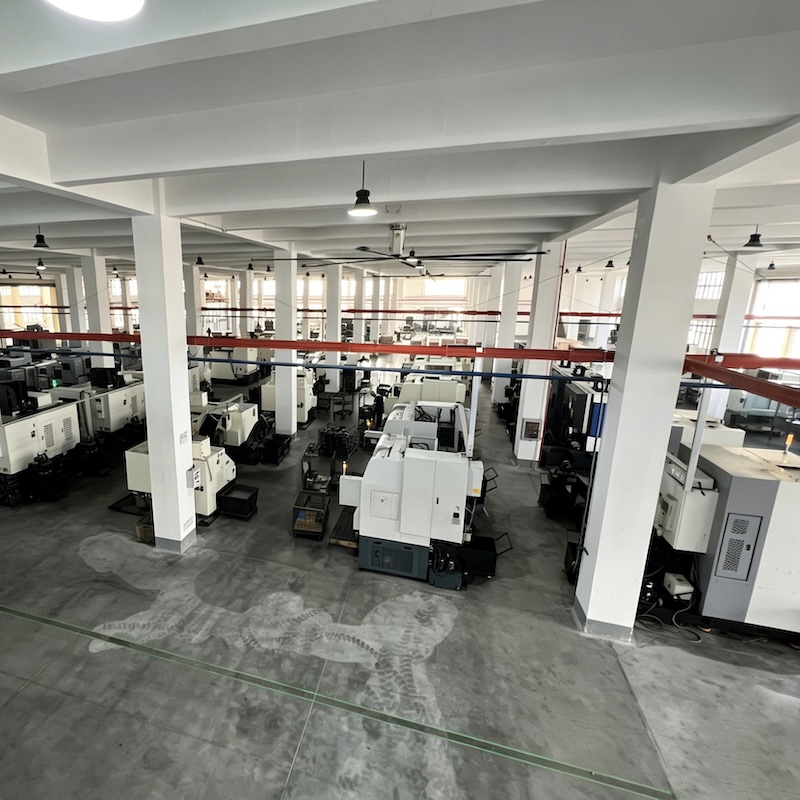
Aerospace machining services utilize sophisticated multi-axis machining centers that represent the pinnacle of manufacturing technology for producing intricate aerospace components. These advanced systems feature five-axis and even six-axis simultaneous movement capabilities that allow cutting tools to approach workpieces from virtually any angle, enabling the creation of complex contours, undercuts, and compound angles in a single setup. This technological advantage proves invaluable when manufacturing components like turbine blades with twisted airfoil profiles, complex bracket assemblies with multiple mounting surfaces, or structural fittings that require precise angular relationships between features. The importance of multi-axis capabilities extends beyond geometric complexity to include significant practical benefits for aerospace manufacturers. By completing components in fewer setups, aerospace machining services reduce handling time, eliminate cumulative positioning errors that occur when parts are repeatedly fixtured, and maintain tighter tolerances across all features. The continuous tool path motion made possible by simultaneous multi-axis movement produces superior surface finishes compared to traditional three-axis approaches, reducing or eliminating secondary finishing operations that add cost and time. Furthermore, multi-axis aerospace machining services can maintain optimal cutting conditions throughout the entire machining cycle by keeping the tool perpendicular to the work surface, which extends tool life, reduces cutting forces, and prevents workpiece deflection that could compromise accuracy. The value this brings to customers manifests in multiple ways: shorter production cycles mean faster delivery of critical components, improved surface quality enhances fatigue resistance and aerodynamic performance, and reduced setup requirements lower manufacturing costs. Additionally, the ability to machine complex geometries enables design engineers to optimize component shapes for weight reduction and performance enhancement without being constrained by manufacturing limitations. Aerospace machining services with multi-axis capabilities also excel at producing components from difficult-to-machine materials like titanium and Inconel, where conventional approaches would require excessive time or produce poor results. The sophisticated control systems integrated into modern multi-axis machines allow aerospace machining services to implement adaptive strategies that adjust cutting parameters in real-time based on tool wear, material hardness variations, and thermal conditions, ensuring consistent quality throughout production runs.
Rigorous Quality Control and Aerospace Certification Compliance

Rigorous Quality Control and Aerospace Certification Compliance

Professional aerospace machining services distinguish themselves through comprehensive quality management systems specifically designed to meet the exacting standards of aviation and space industries. These quality frameworks encompass every aspect of the manufacturing process, from incoming material verification through final inspection and delivery, ensuring absolute traceability and accountability. Aerospace machining services maintain certifications including AS9100 quality management standards, NADCAP accreditations for specialized processes, and ISO 9001 registrations that demonstrate their commitment to systematic quality control. The importance of this rigorous approach cannot be overstated in an industry where component failure can result in catastrophic consequences, making quality assurance not merely a business practice but a moral imperative. The quality systems employed by aerospace machining services include detailed process documentation that specifies every parameter for each operation, from cutting speeds and feed rates to inspection frequencies and acceptance criteria. This documentation creates a repeatable framework that eliminates guesswork and ensures consistent results regardless of which operator or machine performs the work. Advanced measurement technologies form the backbone of quality verification in aerospace machining services, with coordinate measuring machines providing three-dimensional verification of complex geometries, optical comparators checking profile accuracy, and surface roughness testers confirming finish requirements. Many aerospace machining services have invested in non-destructive testing equipment including penetrant inspection systems for detecting surface cracks, ultrasonic testing for internal defect detection, and X-ray capabilities for verifying internal features in critical components. The value these quality practices bring to customers extends far beyond simple compliance with specifications. First, comprehensive inspection data provides objective evidence that components meet requirements, eliminating disputes and building confidence in supplier capabilities. Second, the traceability systems maintained by aerospace machining services allow rapid identification of affected parts if material defects or process deviations are discovered, minimizing the scope and cost of corrective actions. Third, the preventive approach embedded in quality management systems identifies potential problems before they affect production, reducing scrap rates and avoiding delivery delays. Fourth, certification to aerospace quality standards simplifies customer audits and accelerates supplier approval processes, allowing faster program launches. The documentation packages provided by aerospace machining services typically include material test reports tracing chemistry and mechanical properties to mill certifications, first article inspection reports demonstrating conformance to all drawing requirements, and process certifications confirming that special operations were performed by qualified personnel using approved procedures.
Material Expertise and Specialized Machining Knowledge for Aerospace Alloys

Material Expertise and Specialized Machining Knowledge for Aerospace Alloys

Aerospace machining services possess deep expertise in working with the specialized materials that make modern aviation and space exploration possible, materials that present unique challenges requiring specific knowledge and experience. The range of materials processed by aerospace machining services includes aluminum alloys like 7075 and 2024 that offer excellent strength-to-weight ratios, titanium alloys such as Ti-6Al-4V that provide outstanding strength and corrosion resistance at elevated temperatures, nickel-based superalloys like Inconel 718 that maintain mechanical properties in extreme heat, stainless steels for corrosion-critical applications, and increasingly, composite materials that combine different substances to achieve optimal properties. Each of these materials demands distinct machining approaches, tooling selections, and process parameters that experienced aerospace machining services have refined through years of production experience. The importance of this material expertise becomes evident when considering the consequences of improper machining techniques: using incorrect cutting speeds can work-harden titanium surfaces, creating a tough layer that dulls subsequent tools and may reduce fatigue life; inadequate cooling during aluminum machining can cause thermal expansion that leads to dimensional inaccuracies; and improper tool paths in Inconel can generate excessive heat that accelerates tool wear and potentially damages workpiece properties. Aerospace machining services understand these material behaviors and implement proven strategies to overcome challenges. For titanium components, this might involve using sharp cutting edges, maintaining modest cutting speeds, and providing generous coolant flow to prevent work hardening and heat generation. When machining Inconel and other superalloys, aerospace machining services employ ceramic or carbide tools with specific geometries, utilize high-pressure coolant systems that penetrate the cutting zone effectively, and program tool paths that maintain consistent chip loads to prevent work hardening. The practical benefits customers receive from this material expertise include reduced production costs through optimized machining parameters that maximize tool life and minimize cycle times, improved component properties through machining techniques that preserve material characteristics rather than degrading them, and access to material selection guidance that helps specify the most cost-effective alloy for each application. Aerospace machining services also stay current with emerging materials as the industry develops new alloys and composites, ensuring they can support next-generation aerospace programs. This forward-looking approach provides customers with manufacturing partners capable of growing alongside their technological advancement, rather than being limited to conventional materials and methods.

Get a Free Quote

Our representative will contact you soon.
Email
Name
Company Name
Message
0/1000