Cost-Effective Production with Minimal Waste and Fast Turnaround
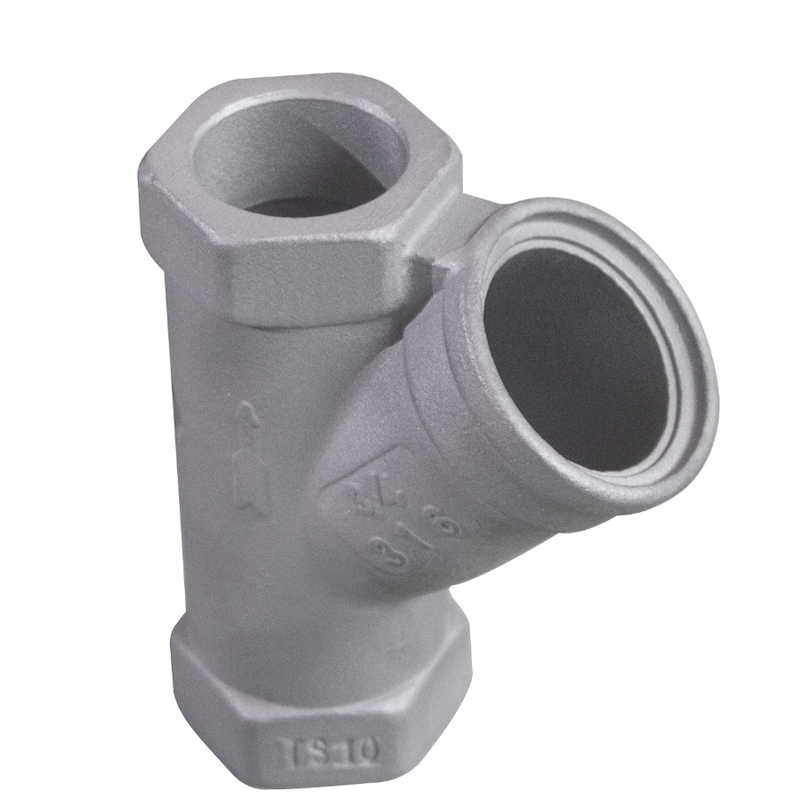
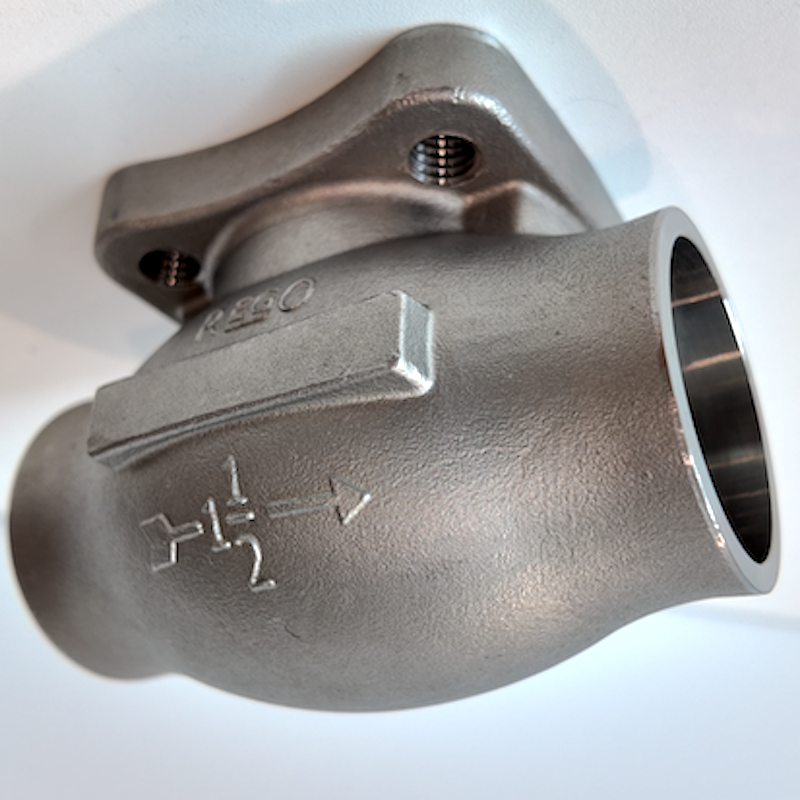
The decision to buy stainless steel investment castings represents a strategic choice that optimizes manufacturing economics through material efficiency, reduced secondary operations, and production flexibility that scales from prototype to volume manufacturing. Investment casting achieves material utilization rates between 85 and 95 percent, meaning that nearly all the stainless steel poured into molds becomes part of finished components rather than being machined away as waste chips. This efficiency translates directly to cost savings: you purchase less raw material per finished part, incur lower material handling and storage costs, reduce scrap processing expenses, and minimize environmental impact associated with waste generation. The near-net-shape nature of investment castings further enhances economic benefits by drastically reducing or eliminating secondary machining operations. Traditional manufacturing approaches might require extensive milling, drilling, turning, and grinding to create complex geometries from solid stock or simple castings, consuming machine hours, cutting tools, and skilled labor while generating substantial scrap. Investment castings arrive already featuring the intricate shapes, smooth surfaces, and tight tolerances needed for many applications, requiring only minimal finishing operations such as gate removal and light polishing. This reduction in secondary processing compresses production schedules, freeing manufacturing capacity for other projects and accelerating time-to-market for new products. The tooling investment for investment casting, while higher than some manufacturing methods initially, amortizes quickly across production volumes and offers exceptional longevity. A single set of casting tooling can produce tens of thousands of identical components with consistent quality, and modifications to accommodate design changes typically cost far less than creating new machining programs and fixturing. Production flexibility represents another economic advantage: investment casting accommodates small prototype runs for product development and testing without requiring the minimum volumes demanded by forging or stamping operations, then scales seamlessly to high-volume production as demand increases. This scalability proves particularly valuable for companies managing product portfolios with varying demand levels or testing market response before committing to large production runs. Additionally, the ability to consolidate multiple fabricated or machined components into single stainless steel investment castings reduces assembly labor, eliminates fasteners and joining operations, decreases inventory complexity, and simplifies supply chain management. The cumulative effect of these economic advantages creates compelling value when you buy stainless steel investment castings: lower per-part costs, faster production cycles, reduced capital equipment requirements, simplified manufacturing processes, and improved product quality combine to enhance profitability and competitive positioning in demanding markets where performance and cost-effectiveness determine success.

 EN
EN