Design Flexibility and Complex Geometry Capabilities
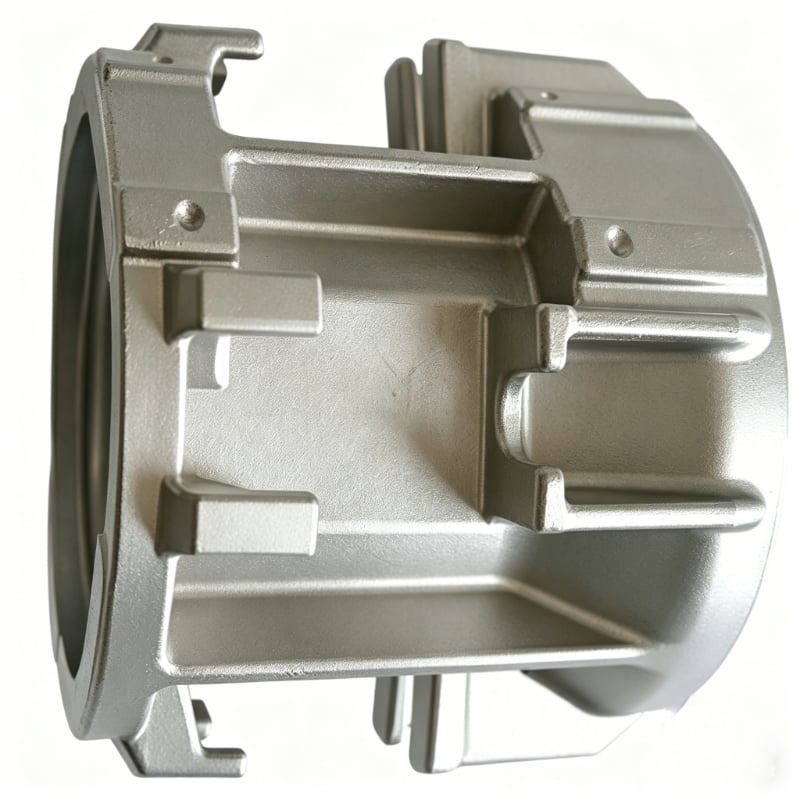
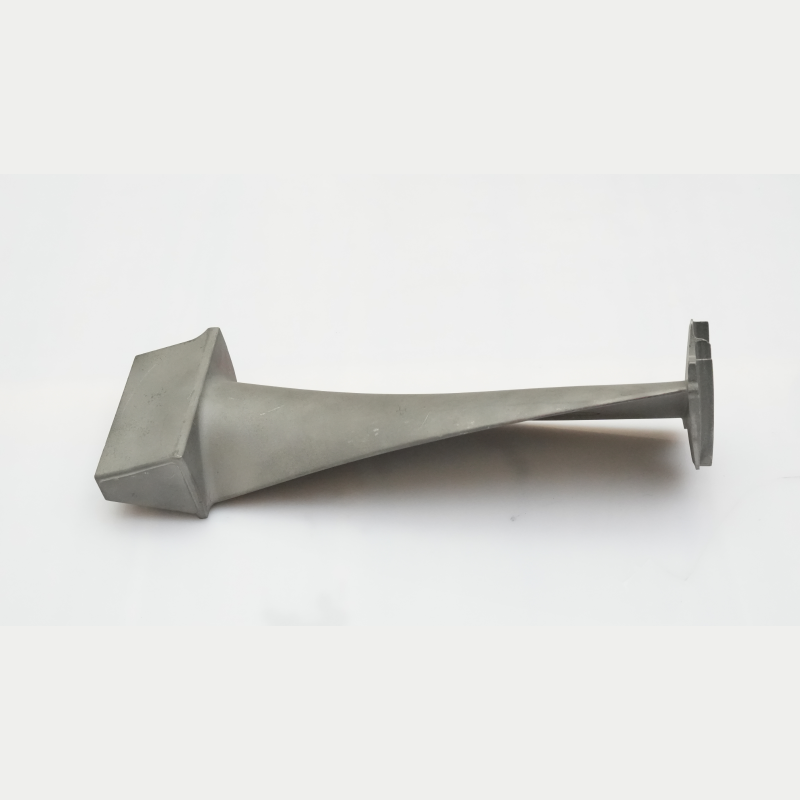
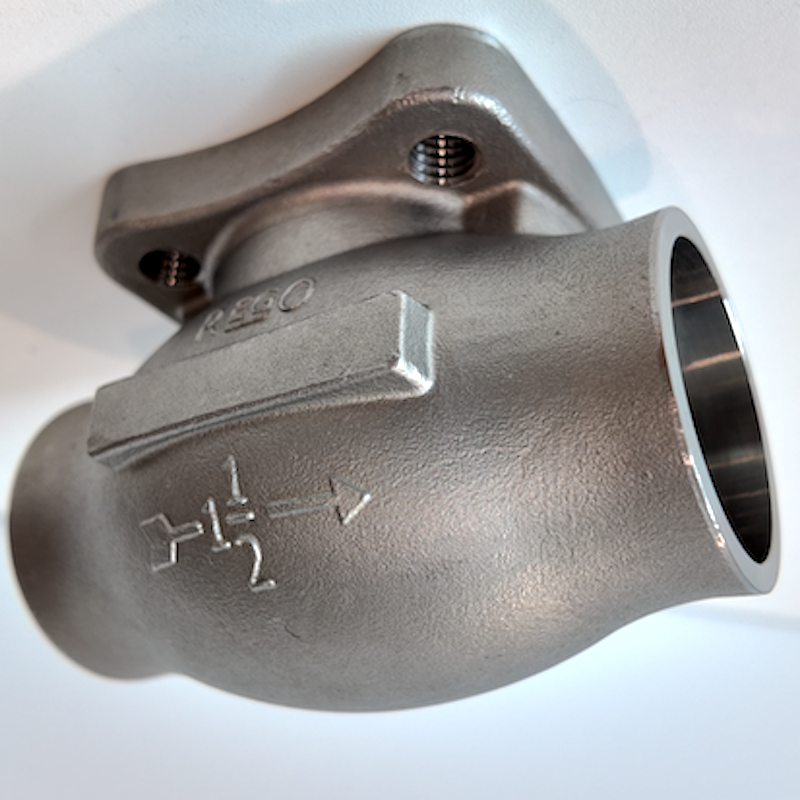
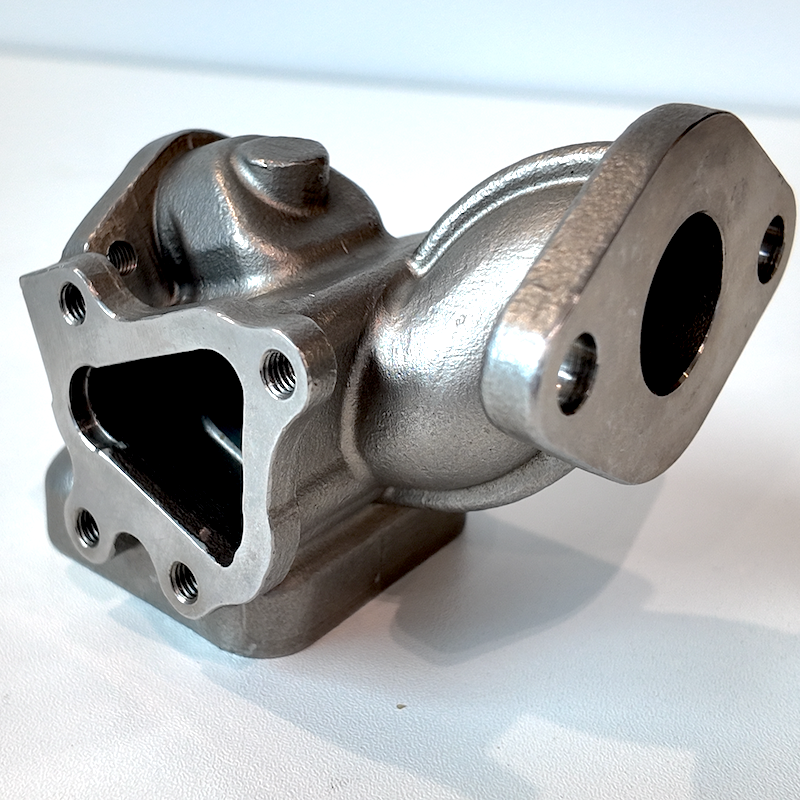
The remarkable design flexibility offered by custom stainless steel castings empowers engineers and product developers to create components that perfectly match their functional requirements without the constraints imposed by other manufacturing methods. This capability stems from the fundamental nature of the casting process, where liquid metal flows into mold cavities of virtually any shape, solidifying to replicate even the most intricate details with remarkable fidelity. Unlike machining operations that must approach material from external surfaces, or forging processes limited to relatively simple shapes, casting allows for internal passages, undercuts, variable wall thicknesses, and complex three-dimensional geometries that would be prohibitively expensive or physically impossible to produce otherwise. This design freedom translates directly into better-performing products, as engineers can optimize component shapes for fluid flow, stress distribution, weight reduction, and functional integration without compromise. For example, pump housings can incorporate smooth internal contours that minimize turbulence and maximize efficiency, while valve bodies can feature complex port arrangements that eliminate the need for additional fittings and potential leak points. The ability to cast thin walls adjacent to thick sections allows strategic reinforcement exactly where strength is needed while minimizing overall weight and material consumption. Custom stainless steel castings enable the consolidation of assemblies that might otherwise require multiple machined parts, welded joints, and fasteners into single monolithic components that eliminate assembly labor, reduce part counts in your inventory system, and remove potential failure points where separate pieces join together. This consolidation simplifies your supply chain, reduces quality control requirements, and accelerates production timelines. The flexibility extends to producing parts in quantities ranging from single prototypes for testing and development through medium production runs for specialized equipment to high-volume manufacturing for standard products, all using the same basic casting process with appropriate tooling choices. Surface features like logos, part numbers, orientation markers, and functional textures can be incorporated directly into castings, eliminating secondary marking operations. Threaded bosses, mounting flanges, and attachment points become integral features rather than added components, streamlining assembly procedures and improving structural integrity throughout your finished products.

 EN
EN