Versatile Material Properties Match Diverse Application Requirements
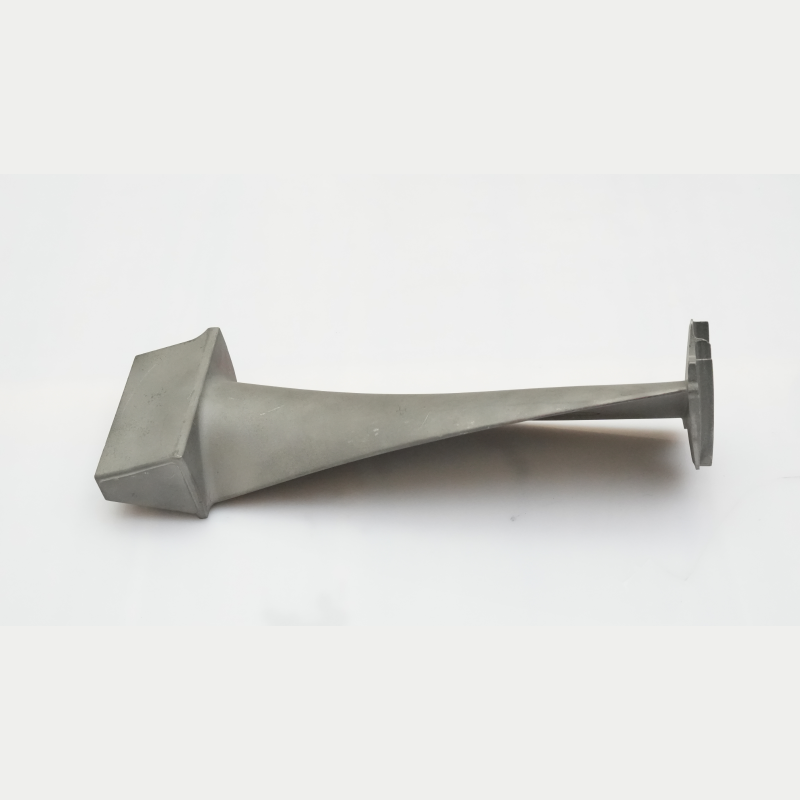
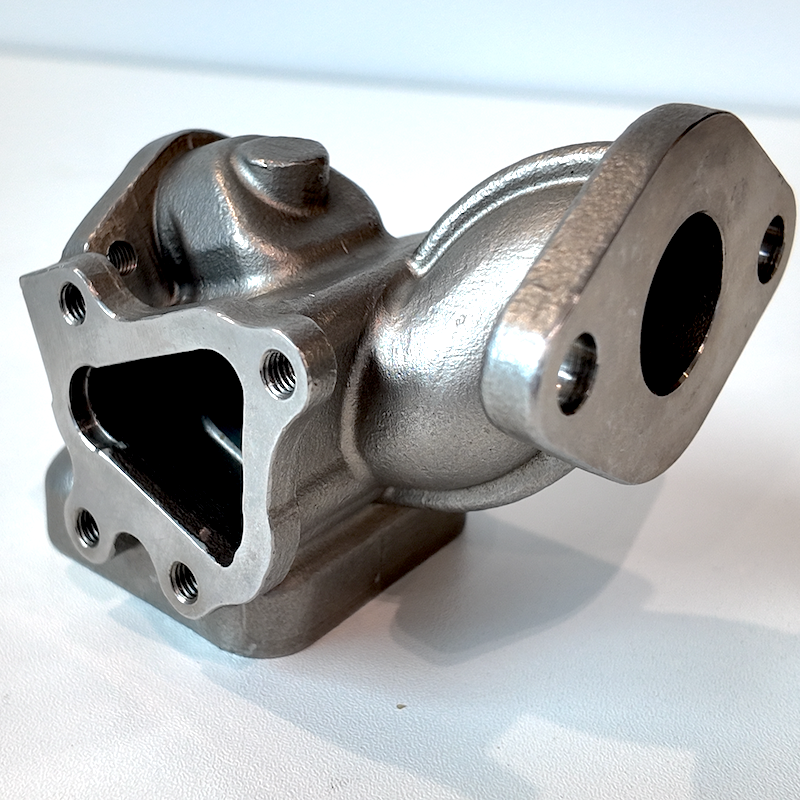
Cast stainless steel components offer remarkable versatility through the availability of numerous stainless steel grades, each formulated to deliver specific property combinations that match particular application demands. This material flexibility ensures that regardless of your operational environment or performance requirements, appropriate cast stainless steel components can be specified to meet and exceed expectations. Austenitic stainless steels, the most widely used category, provide excellent corrosion resistance, good formability, and strong performance across a broad temperature range, making them ideal for general-purpose applications in food processing, chemical handling, and architectural uses. These grades maintain their strength and toughness even at cryogenic temperatures while offering adequate performance in elevated temperature service, delivering reliable operation across diverse conditions. Ferritic stainless steels present alternatives with magnetic properties and excellent resistance to stress corrosion cracking, particularly valuable in chloride-containing environments where other grades might prove vulnerable, making them suitable for coastal installations and certain chemical processes. Martensitic grades deliver higher strength and hardness after heat treatment, providing wear resistance and mechanical performance for applications like cutting tools, pump shafts, and high-stress mechanical components that require both corrosion resistance and structural capability. Precipitation-hardening stainless steels combine good corrosion resistance with very high strength levels achievable through aging treatments, serving aerospace applications and specialized equipment where maximum performance is essential. The casting process itself influences final properties because solidification conditions affect grain structure and internal soundness, with modern foundry practices ensuring consistent quality and predictable performance. Heat treatment options further expand the versatility of cast stainless steel components, allowing properties to be tailored after casting through solution annealing, aging, or stress relieving processes that optimize characteristics for specific service conditions. Mechanical properties like tensile strength, yield strength, elongation, and impact resistance can be balanced according to whether your application prioritizes absolute strength, ductility for shock absorption, or toughness for resisting crack propagation. Temperature performance ranges from cryogenic service below negative two hundred degrees to elevated temperatures exceeding one thousand degrees Fahrenheit for certain grades, encompassing virtually every thermal environment encountered in industrial applications. Physical properties including thermal conductivity, electrical resistivity, and magnetic behavior vary among grades, allowing selection based on whether your components need to conduct or insulate heat, carry or block electrical current, or respond to or ignore magnetic fields. This comprehensive range of property options ensures that cast stainless steel components can be precisely matched to your specific requirements, eliminating the compromise of using unsuitable materials and maximizing the performance, safety, and longevity of your equipment and systems across whatever demanding conditions your operations present.

 EN
EN