Premium Cast Stainless Steel Components - Corrosion Resistant Industrial Parts for Demanding Applications

Get a Free Quote

Our representative will contact you soon.
Email
Name
Company Name
Message
0/1000

cast stainless steel components

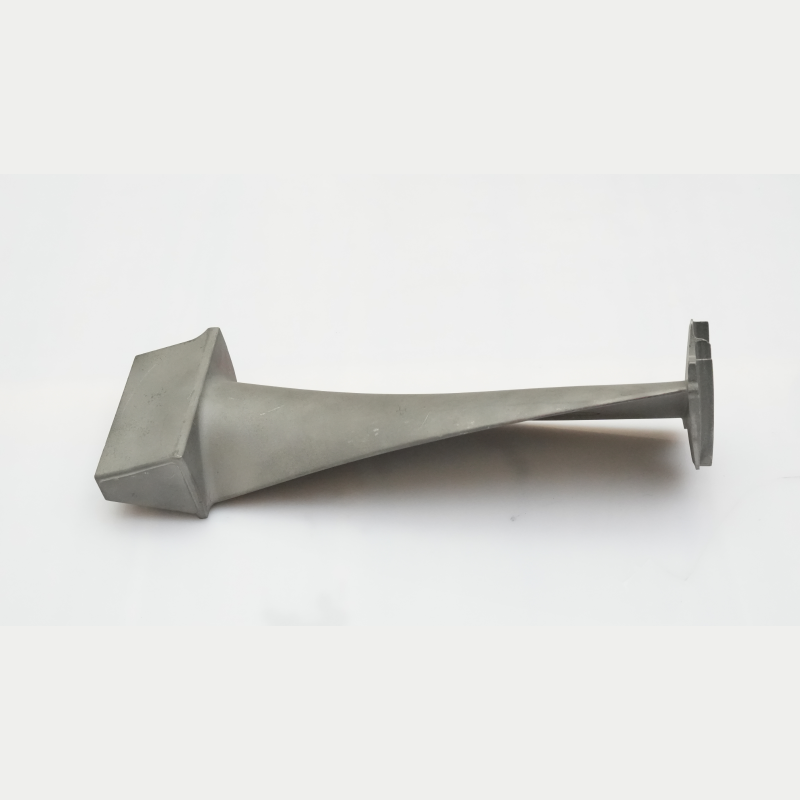
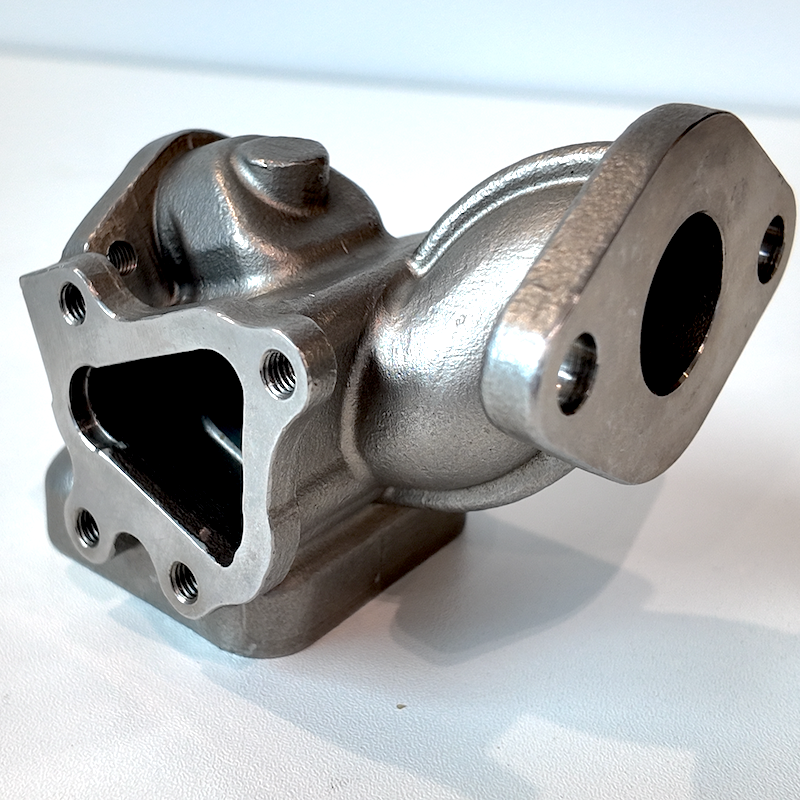
Cast stainless steel components represent a sophisticated manufacturing solution that combines the versatility of casting processes with the exceptional properties of stainless steel alloys. These components are produced through precision casting methods where molten stainless steel is poured into specially designed molds, creating complex shapes and intricate geometries that would be difficult or impossible to achieve through other manufacturing techniques. The main functions of cast stainless steel components span across numerous industrial applications, serving as critical parts in machinery, equipment housings, valve bodies, pump casings, marine hardware, food processing equipment, and architectural elements. The technological features of these components include superior corrosion resistance, excellent mechanical strength, outstanding durability in extreme temperatures, and the ability to maintain structural integrity under demanding operational conditions. The casting process allows manufacturers to produce components with complex internal passages, intricate external features, and precise dimensional specifications while minimizing material waste and reducing secondary machining requirements. Cast stainless steel components excel in environments where exposure to moisture, chemicals, high temperatures, or abrasive materials would quickly degrade conventional materials. Their applications extend from petrochemical processing plants and pharmaceutical manufacturing facilities to offshore drilling platforms and wastewater treatment systems. The versatility of stainless steel casting enables engineers to specify components that meet exact performance criteria while optimizing weight, cost, and functionality. These components can be produced in various stainless steel grades, including austenitic, ferritic, martensitic, and duplex alloys, each offering distinct properties tailored to specific operating environments. The combination of design flexibility, material performance, and manufacturing efficiency makes cast stainless steel components an indispensable choice for industries requiring reliable, long-lasting parts that perform consistently under challenging conditions while maintaining aesthetic appeal and structural reliability throughout their extended service life.

Popular Products

Cast stainless steel components deliver remarkable value through their exceptional resistance to rust and corrosion, ensuring your equipment operates reliably for years without deterioration from moisture, chemicals, or environmental exposure. This longevity translates directly into reduced maintenance costs, fewer replacement expenses, and minimal operational downtime, allowing your business to maintain productivity and profitability. The inherent strength of these components means they withstand heavy loads, impact forces, and mechanical stress without cracking, bending, or failing, providing peace of mind in critical applications where component failure could result in costly shutdowns or safety hazards. You benefit from the design flexibility that casting offers, enabling the creation of complex shapes with intricate details, internal cavities, and precise dimensions that perfectly match your specific requirements without the limitations imposed by other manufacturing methods. This customization capability means you get exactly the component you need rather than compromising with off-the-shelf alternatives that may not fit perfectly or perform optimally. The smooth surfaces and aesthetic qualities of cast stainless steel components enhance the professional appearance of your equipment and installations, making them ideal for applications where visual appeal matters alongside functional performance. Temperature extremes pose no challenge, as these components maintain their mechanical properties and structural integrity whether exposed to freezing conditions or elevated heat, expanding their usefulness across diverse operating environments. The non-reactive nature of stainless steel makes these components perfect for food processing, pharmaceutical production, and medical applications where material contamination must be avoided and hygiene standards are paramount. You gain environmental advantages too, since stainless steel is fully recyclable and maintains its properties through multiple recycling cycles, supporting your sustainability goals while preserving material value at end-of-life. The initial investment in cast stainless steel components pays dividends through extended service life, reduced total cost of ownership, and superior performance that eliminates the frequent replacements required with inferior materials. Manufacturing efficiency keeps costs competitive while delivering premium quality, as the casting process produces near-net-shape components requiring minimal finishing work, reducing both production time and material waste. These practical benefits combine to make cast stainless steel components a smart choice for forward-thinking businesses that prioritize reliability, performance, and long-term value over short-term savings that ultimately cost more through premature failures and constant replacements.

Tips And Tricks

Selection And Application Scope Of Hardness Tester

11

May

Selection And Application Scope Of Hardness Tester

View More
The Role Of Elements In Castings And The Order Of Addition

11

May

The Role Of Elements In Castings And The Order Of Addition

View More
Stainless Steel Castings for Architectural Posts

11

May

Stainless Steel Castings for Architectural Posts

View More
Precision Stainless Steel Exhaust Manifold Casting Solution For Luxury Sedan - With Japanese First-Tier Car Brand

11

May

Precision Stainless Steel Exhaust Manifold Casting Solution For Luxury Sedan - With Japanese First-Tier Car Brand

View More

Get a Free Quote

Our representative will contact you soon.
Email
Name
Company Name
Message
0/1000

cast stainless steel components

Superior Corrosion Resistance for Extended Service Life

Superior Corrosion Resistance for Extended Service Life

The outstanding corrosion resistance of cast stainless steel components stands as their most valuable characteristic, providing unmatched protection against environmental degradation that destroys conventional materials. This resistance stems from the chromium content in stainless steel, which forms a passive oxide layer on the surface that continuously regenerates when damaged, creating a self-healing barrier against moisture, oxygen, and corrosive substances. In practical terms, this means your cast stainless steel components will not rust, pit, or corrode even when continuously exposed to harsh chemicals, saltwater, acidic conditions, or humid environments that would rapidly deteriorate carbon steel or other metal alternatives. Industries operating in coastal environments, chemical processing facilities, wastewater treatment plants, and marine applications particularly benefit from this resistance, as their equipment faces constant exposure to corrosive elements. The financial implications are substantial because components that resist corrosion eliminate the need for protective coatings, regular repainting, or frequent replacements that consume maintenance budgets and create operational disruptions. Beyond simple rust prevention, cast stainless steel components resist pitting corrosion, crevice corrosion, and stress corrosion cracking, forms of degradation that silently compromise structural integrity and lead to unexpected failures. This comprehensive corrosion protection ensures components maintain their dimensional accuracy and mechanical properties throughout their service life, delivering consistent performance without the gradual degradation that affects lesser materials. Your operations remain safe because corrosion-related failures that could cause leaks, breaks, or structural collapses are virtually eliminated when you specify cast stainless steel components for critical applications. The aesthetic benefits complement the functional advantages, as stainless steel retains its attractive appearance without discoloration, staining, or surface deterioration, maintaining a professional look that reflects positively on your facilities and equipment. Environmental conditions that vary seasonally or daily pose no challenge, as the corrosion resistance remains effective across temperature ranges, humidity levels, and exposure to various atmospheric conditions. This reliability in diverse environments makes cast stainless steel components ideal for equipment that must perform consistently whether installed indoors, outdoors, underground, or underwater, expanding your design options and installation flexibility without compromising durability or requiring special environmental controls.
Complex Geometries and Design Flexibility Through Advanced Casting

Complex Geometries and Design Flexibility Through Advanced Casting

Cast stainless steel components offer unparalleled design flexibility, enabling the creation of complex geometries, intricate features, and integrated functions that would be prohibitively expensive or technically impossible using other manufacturing methods. The casting process allows molten stainless steel to flow into detailed mold cavities, capturing fine features, undercuts, internal passages, and three-dimensional shapes with precision and consistency across production runs. This capability means engineers can design components that optimize functionality by integrating multiple features into a single casting, eliminating joints, fasteners, and assembly steps that add cost, weight, and potential failure points. For example, valve bodies with internal flow passages, pump housings with integral mounting flanges, or machinery frames with embedded reinforcement ribs can all be produced as single cast stainless steel components rather than assemblies of multiple parts requiring welding or mechanical fastening. The consolidation of parts simplifies inventory management, reduces assembly time, and improves overall reliability by eliminating interfaces where leaks, loosening, or stress concentrations might develop. Your product development process becomes more innovative because design constraints are minimized, allowing creative solutions that leverage the full potential of three-dimensional form to improve performance, reduce weight, or enhance aesthetics. The economic advantages extend beyond manufacturing efficiency, as cast stainless steel components arrive near-net-shape, requiring minimal machining or finishing operations compared to components fabricated from solid billets or plate stock that waste significant material during subtractive manufacturing. Prototyping and customization become more accessible, as changes to mold patterns cost far less than retooling for stamping dies or machining programs, enabling rapid iteration and optimization during development phases. Wall thickness variations, tapered sections, and internal cores can be incorporated to place material exactly where structural requirements demand it while minimizing weight in non-critical areas, achieving optimal strength-to-weight ratios that improve efficiency and reduce material costs. The surface finish quality achievable in cast stainless steel components often meets application requirements directly from the mold, eliminating secondary finishing operations and preserving the corrosion-resistant surface layer that forms during solidification. This design freedom empowers you to differentiate your products through unique features, improved performance, or enhanced aesthetics that competitors using conventional manufacturing methods cannot easily replicate, creating competitive advantages that translate into market success and customer satisfaction.
Exceptional Mechanical Properties Across Temperature Extremes

Exceptional Mechanical Properties Across Temperature Extremes

Cast stainless steel components deliver exceptional mechanical properties that remain stable and reliable across a broad temperature range, from cryogenic conditions to elevated temperatures where many materials lose strength or undergo dimensional changes. This temperature stability ensures your equipment operates safely and effectively regardless of environmental conditions or process temperatures, eliminating concerns about thermal degradation, brittleness, or softening that compromise component integrity. The austenitic stainless steel grades commonly used for casting retain their toughness even at temperatures approaching absolute zero, making them ideal for liquefied gas handling, aerospace applications, and refrigeration systems where impact resistance and ductility must be maintained despite extreme cold. At the opposite extreme, these same cast stainless steel components resist oxidation and maintain adequate strength at temperatures exceeding 800 degrees Celsius, supporting applications in furnace components, exhaust systems, and high-temperature processing equipment. This wide operational window means you can specify a single material for equipment that experiences temperature variations during operation or seasonal changes in ambient conditions, simplifying material selection and inventory management. The thermal expansion coefficient of stainless steel remains relatively low and consistent, reducing thermal stress development in components subjected to temperature cycling and minimizing the risk of warping, cracking, or joint separation that plagues materials with higher expansion rates or poor dimensional stability. Mechanical properties including tensile strength, yield strength, and fatigue resistance remain within acceptable ranges throughout the temperature spectrum, ensuring safety factors are maintained and component life is not compromised by thermal effects. Your maintenance schedules become more predictable because thermal cycling does not accelerate wear or create progressive damage that requires frequent inspection and early replacement of components. The combination of corrosion resistance and temperature stability makes cast stainless steel components particularly valuable in applications where both challenges exist simultaneously, such as steam systems, chemical reactors, or marine engine components that operate at elevated temperatures while exposed to corrosive fluids. Energy efficiency benefits emerge from the ability of these components to maintain tight clearances and precise dimensions despite temperature changes, ensuring pumps, valves, and rotating equipment operate efficiently without the losses associated with thermal distortion or excessive clearances. The material properties allow designers to calculate structural performance with confidence across the operating envelope, reducing safety factors and enabling optimization that produces lighter, more economical components without sacrificing reliability or creating unexpected failure modes under thermal load conditions.

Get a Free Quote

Our representative will contact you soon.
Email
Name
Company Name
Message
0/1000