OEM Stainless Steel Precision Casting | Custom Investment Casting Solutions for Complex Components

Get a Free Quote

Our representative will contact you soon.
Email
Name
Company Name
Message
0/1000

oem stainless steel precision casting

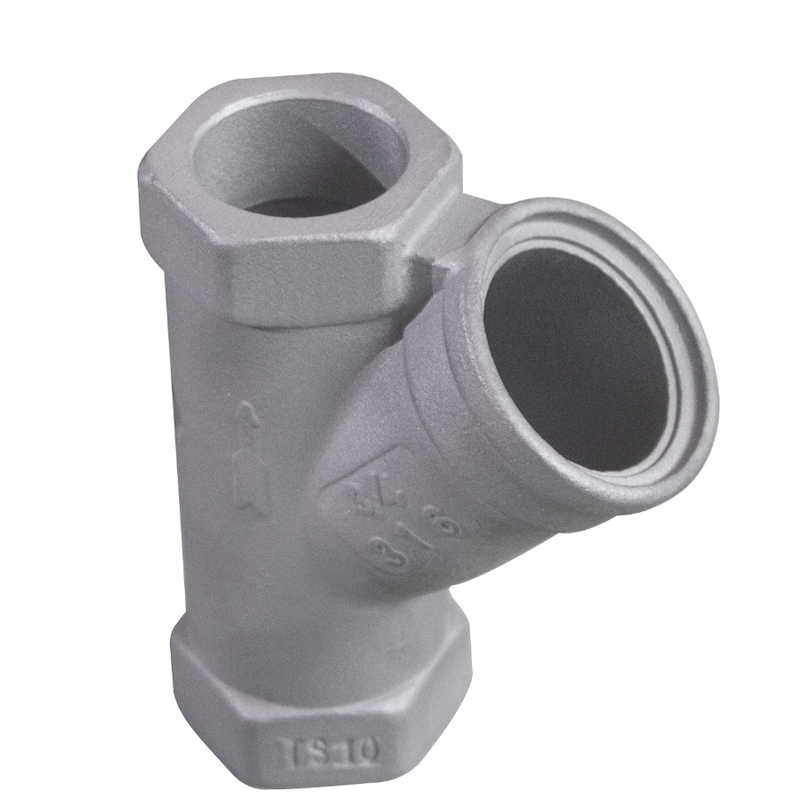
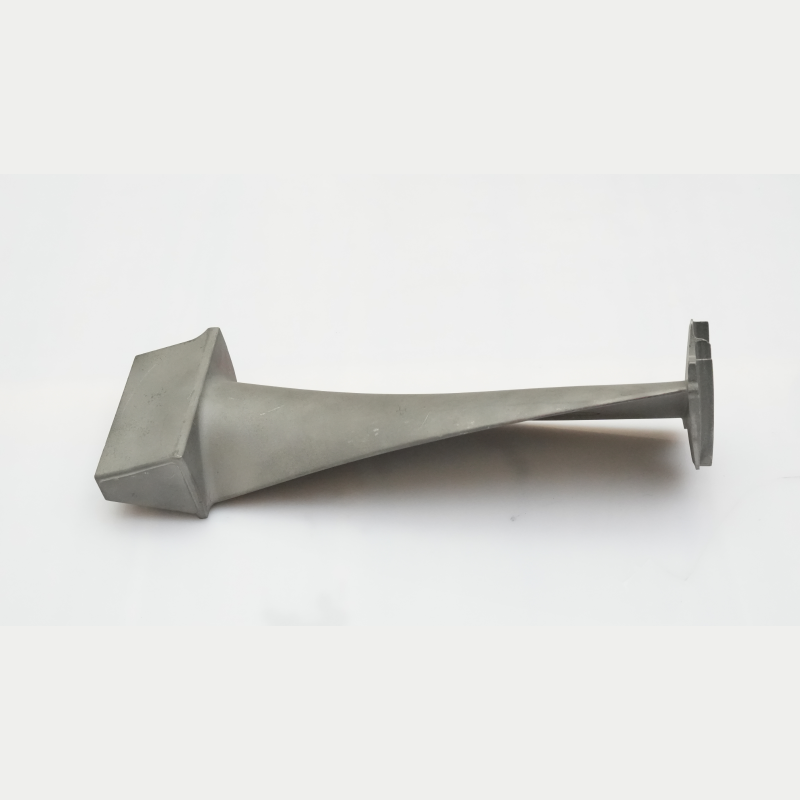
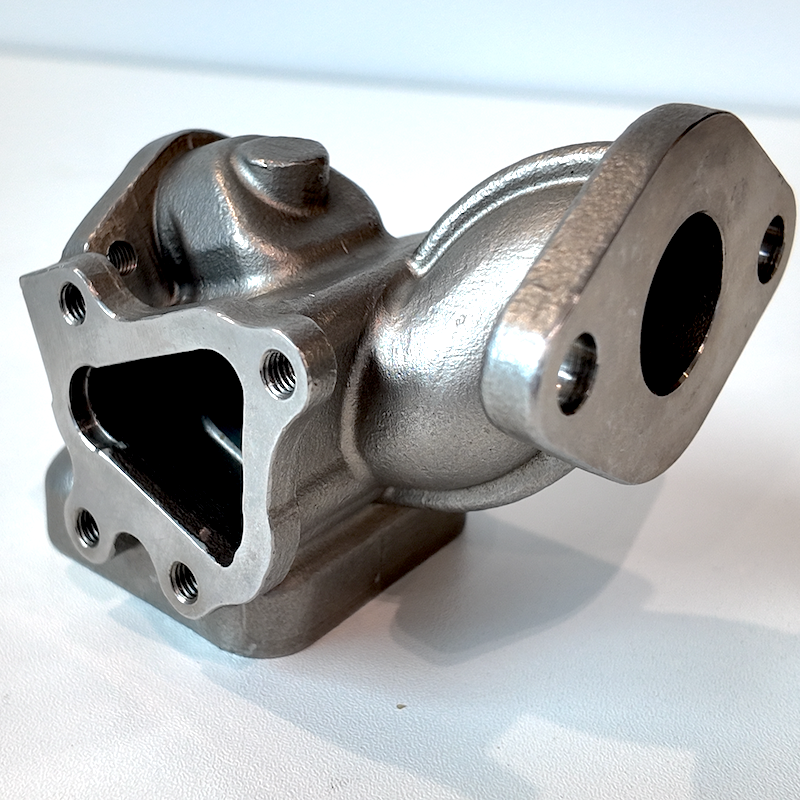
OEM stainless steel precision casting represents a sophisticated manufacturing process that combines advanced metallurgical techniques with exceptional dimensional accuracy to produce complex metal components. This manufacturing method, also known as investment casting or lost-wax casting, enables the creation of intricate stainless steel parts with minimal machining requirements and superior surface finishes. The process begins with creating a detailed wax pattern that precisely replicates the desired final component, which is then coated with ceramic material to form a rigid mold. Once the ceramic shell hardens, the wax is melted away, leaving a cavity into which molten stainless steel is poured. This technique allows manufacturers to produce components with complex geometries, thin walls, and detailed features that would be difficult or impossible to achieve through traditional machining methods. The main functions of OEM stainless steel precision casting include producing custom-designed components for various industries, creating parts with excellent corrosion resistance, and manufacturing items that require high strength-to-weight ratios. Technological features encompass advanced computer-aided design integration, precise temperature control during the casting process, multiple stainless steel grade options including 304, 316, 17-4PH, and duplex alloys, and the ability to achieve tolerances as tight as plus or minus 0.005 inches. Applications span numerous sectors including aerospace components such as turbine blades and structural fittings, medical instruments and surgical tools requiring biocompatibility, food processing equipment demanding hygiene standards, automotive parts including exhaust manifolds and pump housings, marine hardware exposed to saltwater environments, and industrial valves and fittings operating under extreme conditions. The versatility of OEM stainless steel precision casting makes it an indispensable manufacturing solution for businesses seeking high-quality, durable components tailored to their specific operational requirements and performance standards.

Popular Products

Choosing OEM stainless steel precision casting delivers numerous practical benefits that directly impact your bottom line and product performance. First and foremost, this manufacturing method significantly reduces material waste compared to traditional machining processes. When you machine a component from solid stock, up to 60 percent of the raw material can end up as scrap chips. Precision casting uses nearly all the metal you pay for, creating components that are close to their final shape and require minimal finishing work. This efficiency translates into lower material costs and reduced environmental impact for your operations. The process excels at creating complex shapes in a single piece, eliminating the need for welding multiple components together. This integration strengthens the final product by removing potential weak points where separate pieces might fail under stress. You receive components with consistent mechanical properties throughout, enhancing reliability and extending service life. The smooth surface finish achieved through precision casting often eliminates secondary operations like grinding or polishing, saving you both time and money in production. You can expect surface roughness values as low as 125 micro-inches directly from the mold, which is suitable for many applications without additional treatment. Production flexibility stands as another significant advantage. Whether you need 50 units or 50,000 units, OEM stainless steel precision casting adapts to your volume requirements. Small batch production remains economically viable because tooling costs are relatively moderate compared to die casting or forging. This scalability allows you to test market demand with limited quantities before committing to larger production runs. The dimensional accuracy of precision casting means your components fit correctly the first time, reducing assembly problems and quality control rejections. Typical tolerances of plus or minus 0.010 inches can be achieved on most features, with even tighter tolerances possible on critical dimensions. This precision minimizes the need for expensive secondary machining operations. Stainless steel grades used in precision casting offer outstanding corrosion resistance, ensuring your components maintain their integrity in harsh environments including chemical processing plants, marine applications, and outdoor installations. The inherent strength and durability of stainless steel mean your products require less frequent replacement, enhancing customer satisfaction and reducing warranty claims. Lead times for OEM stainless steel precision casting are typically shorter than forging or extensive machining operations, helping you bring products to market faster and respond quickly to customer demands. The combination of design freedom, material efficiency, dimensional accuracy, and superior material properties makes precision casting an intelligent choice for manufacturers committed to quality and cost-effectiveness.

Practical Tips

Basic Principles Of Design Of Precision Casting Gating System

11

May

Basic Principles Of Design Of Precision Casting Gating System

View More
Selection And Application Scope Of Hardness Tester

11

May

Selection And Application Scope Of Hardness Tester

View More
Stainless Steel Castings for Architectural Posts

11

May

Stainless Steel Castings for Architectural Posts

View More
Stainless Steel Castings for Building Facade Systems

11

May

Stainless Steel Castings for Building Facade Systems

View More

Get a Free Quote

Our representative will contact you soon.
Email
Name
Company Name
Message
0/1000

oem stainless steel precision casting

Exceptional Design Freedom and Complex Geometry Capabilities

Exceptional Design Freedom and Complex Geometry Capabilities

OEM stainless steel precision casting empowers engineers and designers with unparalleled freedom to create components with intricate geometries that would be prohibitively expensive or technically impossible using other manufacturing methods. This advantage stems from the fundamental nature of the casting process, where molten metal flows into every contour and cavity of the ceramic mold, capturing even the most delicate details. You can incorporate features such as internal passages, undercuts, thin walls, complex curves, and multiple angles within a single component without the constraints imposed by cutting tool access in machining or the directional limitations of forging. This design liberation translates into practical benefits across multiple dimensions of product development. Engineering teams can optimize component designs for functionality rather than manufacturing convenience, positioning mounting bosses exactly where needed, creating fluid flow paths that minimize turbulence and pressure drop, and integrating multiple functions into consolidated parts. The ability to cast thin walls, sometimes as thin as 0.040 inches depending on the size and geometry, enables significant weight reduction without compromising structural integrity. This weight savings proves particularly valuable in aerospace applications where every ounce impacts fuel efficiency, and in medical devices where ergonomics and patient comfort are paramount. Complex cooling channels and internal cavities can be cast directly into components, eliminating the need for drilling intersecting holes or creating assemblies from multiple pieces. This integration not only strengthens the component by removing potential leak paths and stress concentration points but also simplifies inventory management and assembly processes. The precision casting process accommodates rapid design iterations during product development. When design modifications are needed, updating the wax injection tooling costs considerably less than modifying forging dies or machining fixtures. This flexibility accelerates the development cycle, allowing you to test multiple design variations and incorporate improvement feedback without prohibitive tooling investments. Surface textures and logos can be incorporated directly into cast components, eliminating secondary marking operations and ensuring permanent identification that won't wear off during service. The combination of geometric complexity, thin-wall capability, internal feature integration, and design iteration flexibility makes OEM stainless steel precision casting the preferred choice for innovative manufacturers seeking to push the boundaries of component design while maintaining cost effectiveness and production efficiency.
Superior Material Properties and Corrosion Resistance Performance

Superior Material Properties and Corrosion Resistance Performance

The material characteristics achieved through OEM stainless steel precision casting deliver exceptional performance advantages that extend component service life and maintain functionality in demanding operational environments. Stainless steel alloys used in precision casting offer an outstanding combination of mechanical strength, corrosion resistance, temperature stability, and biocompatibility that few other materials can match. These properties result from both the inherent characteristics of stainless steel and the metallurgical benefits of the casting process itself. The controlled solidification that occurs during precision casting creates a fine-grained microstructure with uniform mechanical properties throughout the component. Unlike welded assemblies where heat-affected zones create areas of varying strength and corrosion resistance, cast components exhibit consistent performance in every section. This uniformity eliminates weak points that might fail prematurely under cyclical loading or corrosive attack. You receive components with predictable, reliable performance that meets or exceeds design specifications. Corrosion resistance stands as one of the most valuable attributes of stainless steel precision castings. The chromium content in stainless steel alloys forms a passive oxide layer on the surface that protects the underlying metal from oxidation, chemical attack, and environmental degradation. This self-healing protective layer reforms automatically if scratched or damaged, providing long-term protection without coatings or surface treatments. Components made through OEM stainless steel precision casting maintain their appearance and functionality when exposed to moisture, saltwater, acids, alkalis, and other corrosive substances that would rapidly degrade carbon steel or aluminum. The ability to select from various stainless steel grades allows you to optimize material properties for specific applications. Austenitic grades like 304 and 316 offer excellent general corrosion resistance and formability. Martensitic grades like 17-4PH provide higher strength and hardness for structural applications. Duplex stainless steels combine the benefits of both families, delivering superior strength and corrosion resistance for offshore and chemical processing equipment. This material selection flexibility ensures you can specify the optimal alloy for your operating conditions, performance requirements, and budget constraints. Temperature stability represents another critical advantage. Stainless steel precision castings maintain their mechanical properties across a wide temperature range, from cryogenic conditions approaching absolute zero to elevated temperatures exceeding 1000 degrees Fahrenheit depending on the specific alloy. This thermal stability makes them suitable for applications involving extreme temperature variations, thermal cycling, and prolonged exposure to heat. The biocompatibility of certain stainless steel grades makes OEM stainless steel precision casting ideal for medical and food contact applications where material safety is non-negotiable.
Cost Efficiency Through Reduced Machining and Assembly Requirements

Cost Efficiency Through Reduced Machining and Assembly Requirements

OEM stainless steel precision casting delivers substantial cost advantages by producing components that are near-net-shape, meaning they emerge from the casting process very close to their final dimensions and require minimal secondary operations. This economic benefit accumulates across multiple aspects of the manufacturing process, from raw material utilization to labor costs to quality control expenses. Understanding these cost drivers helps you make informed decisions about component sourcing and manufacturing strategies. Material efficiency represents the most immediately apparent cost benefit. Traditional machining operations that create complex components from solid bar stock or plate can waste more than half of the expensive raw material you purchase. Those chips and turnings have minimal scrap value and require handling and disposal. In contrast, precision casting uses approximately 85 to 95 percent of the metal poured, with gates and risers being the only excess material. These casting system components are recycled back into subsequent heats, creating a closed-loop material flow with minimal waste. When working with expensive stainless steel alloys, this material efficiency translates directly into significant cost savings on every component produced. Labor cost reduction comes from multiple sources. The near-net-shape nature of precision castings means machinists spend less time removing metal to achieve final dimensions. Many features require no machining at all, emerging from the mold ready for use. Holes can be cast to size, external contours match final specifications, and surface finishes often meet requirements without grinding or polishing. This reduction in machining time lowers direct labor costs and frees up machine capacity for other work. Additionally, because precision casting can consolidate multiple machined parts into a single cast component, you eliminate assembly operations, reduce fastener costs, and simplify inventory management. Fewer parts mean fewer purchase orders, less incoming inspection, reduced storage space requirements, and simplified bill-of-material management. Tooling costs for OEM stainless steel precision casting prove surprisingly economical, especially when compared to forging dies or permanent mold casting equipment. Wax injection dies are relatively inexpensive to manufacture and modify, making precision casting viable for both prototype quantities and production volumes. This cost structure allows you to amortize tooling investment across smaller production runs than would be feasible with other processes. Quality costs decrease because the inherent accuracy of precision casting reduces dimensional variation and quality escapes. Components fit properly during assembly, reducing rework and field failures. The elimination of welding operations removes a significant source of defects and quality problems. Weld discontinuities, distortion, and heat-affected zone embrittlement are completely avoided in cast components. Final inspection becomes simpler and faster when components consistently meet specifications. The cumulative effect of these cost advantages makes OEM stainless steel precision casting an economically attractive manufacturing option that delivers value throughout the product lifecycle.

Get a Free Quote

Our representative will contact you soon.
Email
Name
Company Name
Message
0/1000