Design Flexibility Enabling Complex Geometries and Cost Optimization
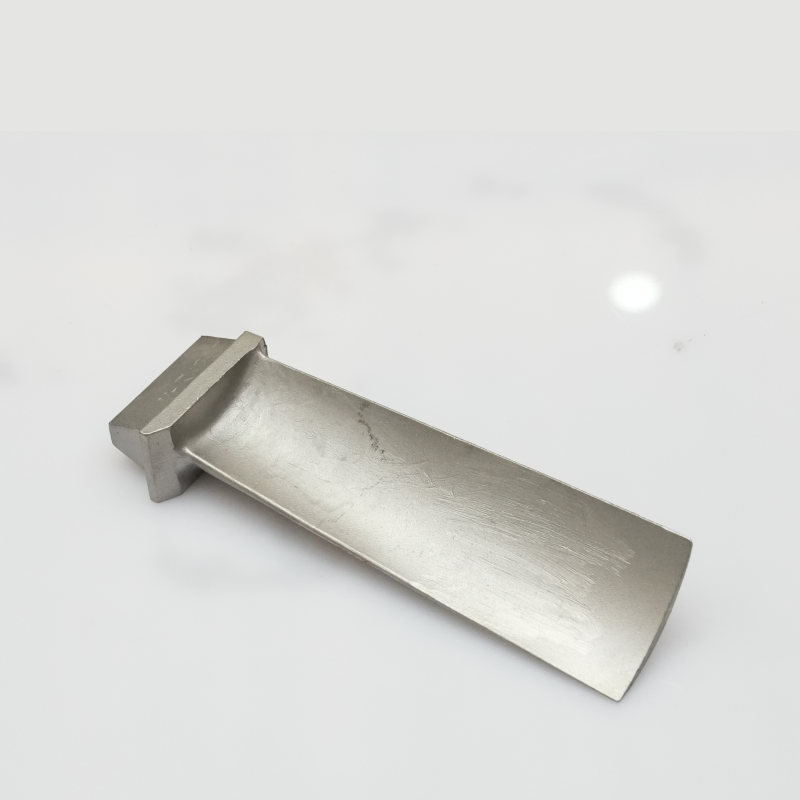
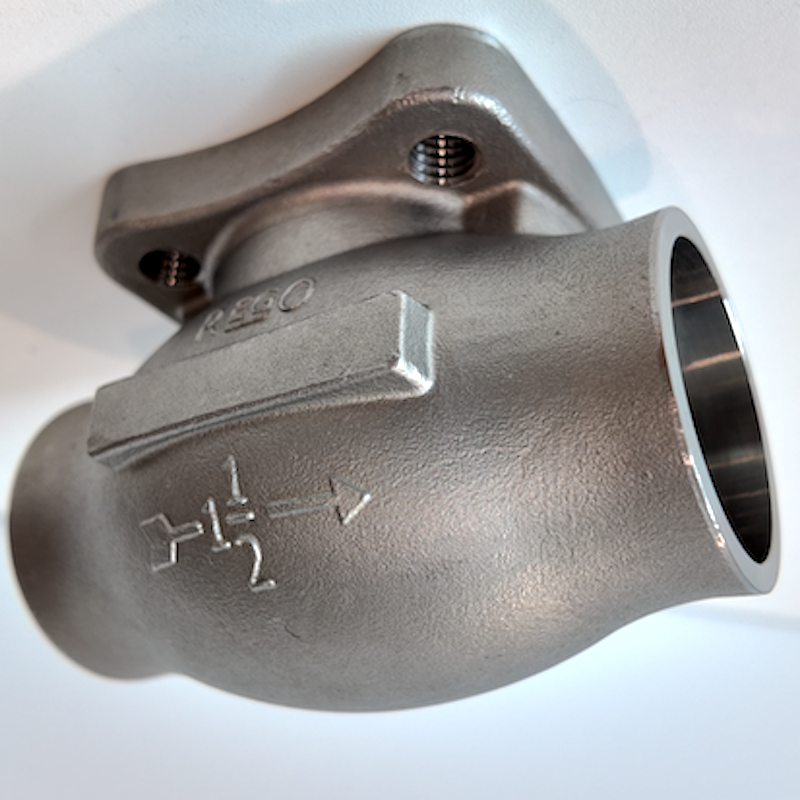
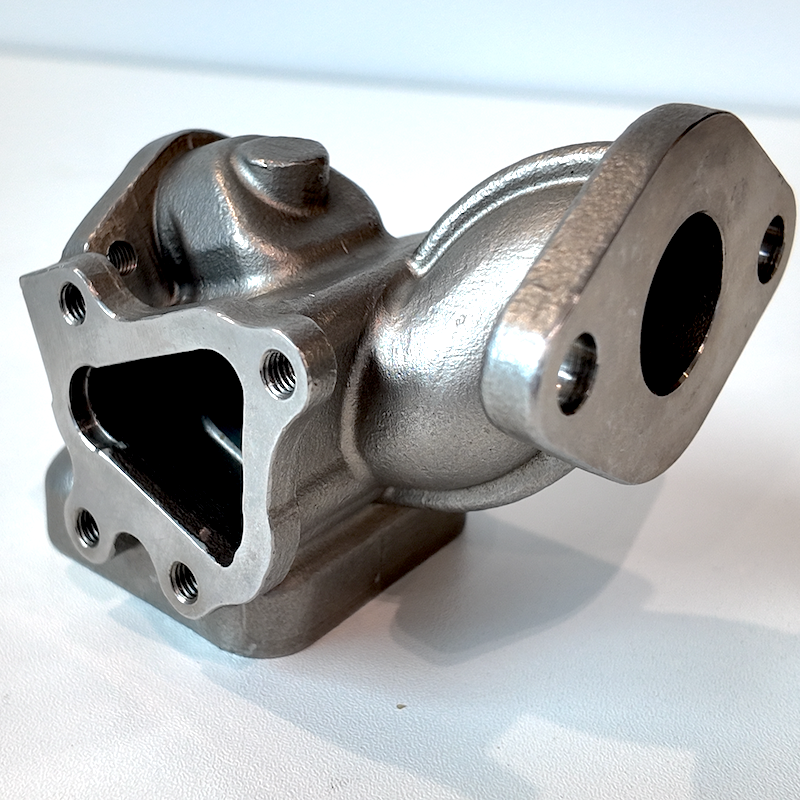
A 304 stainless steel casting foundry unlocks design possibilities that machining, fabrication, and other manufacturing processes struggle to achieve economically. The casting process allows molten metal to flow into intricate mold cavities, capturing fine details, thin walls, internal channels, and complex three-dimensional shapes in a single piece. This capability eliminates the need to manufacture multiple components and assemble them through welding, bolting, or other joining methods. For engineers, this means designing parts that optimize function rather than compromising to accommodate manufacturing constraints. Internal cooling passages can follow optimal paths for heat transfer rather than being limited to straight drilled holes. Housings can integrate mounting bosses, fluid ports, and structural ribs exactly where needed without secondary operations. Impellers and pump components achieve ideal blade geometries for fluid dynamics without extensive machining that wastes material and time. The economic benefits of this design flexibility prove substantial. Consolidating multiple parts into a single casting reduces piece count, which simplifies inventory management, decreases assembly labor, and eliminates potential points of failure at joints. Fewer welds mean less inspection, less potential for defects, and lower warranty risks. A 304 stainless steel casting foundry can produce near-net-shape components that require minimal finish machining, reducing material waste and machining time. This efficiency becomes particularly valuable when working with stainless steel, which is more expensive than carbon steel and more difficult to machine, causing tool wear and longer cycle times. Complex external undercuts and intricate surface textures that would require expensive multi-axis machining or electrical discharge machining can be cast directly into the part, dramatically lowering production costs. The design freedom also supports lightweighting initiatives where material can be placed only where structural analysis indicates it is needed, removing excess mass from non-critical areas. This reduces material costs, lowers shipping weights, and improves energy efficiency in moving equipment. For custom applications, a 304 stainless steel casting foundry provides economical low-volume production since tooling costs remain reasonable and design changes can be incorporated more easily than with stamping dies or forging tooling. Prototyping becomes practical, allowing physical testing before committing to large production runs, reducing development risks and accelerating time to market for innovative products.

 EN
EN