Premium 304 Stainless Steel Casting Foundry Services - Precision Components & Custom Solutions

Get a Free Quote

Our representative will contact you soon.
Email
Name
Company Name
Message
0/1000

304 stainless steel casting foundry

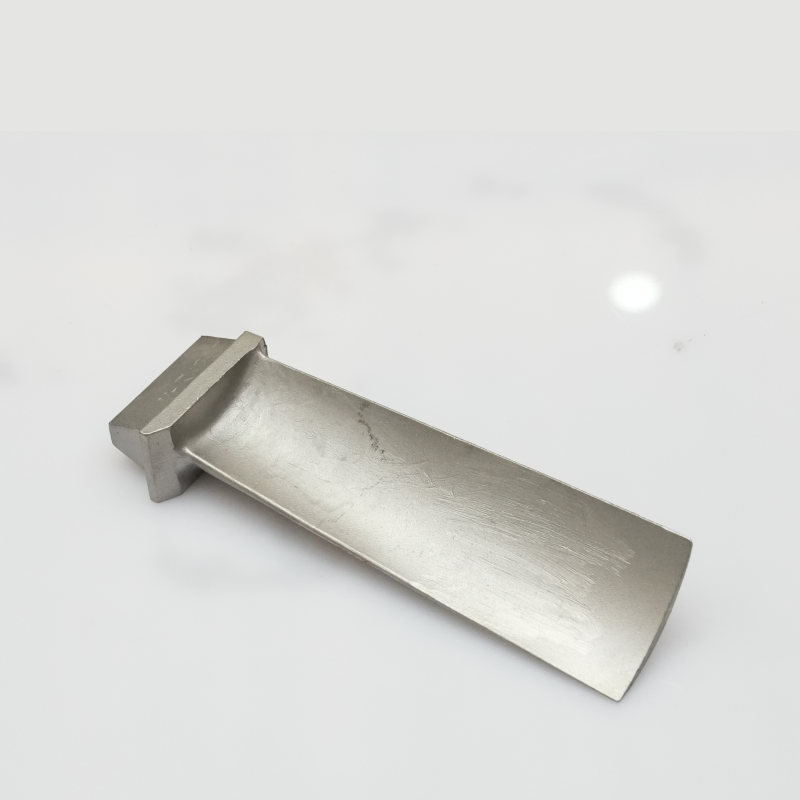
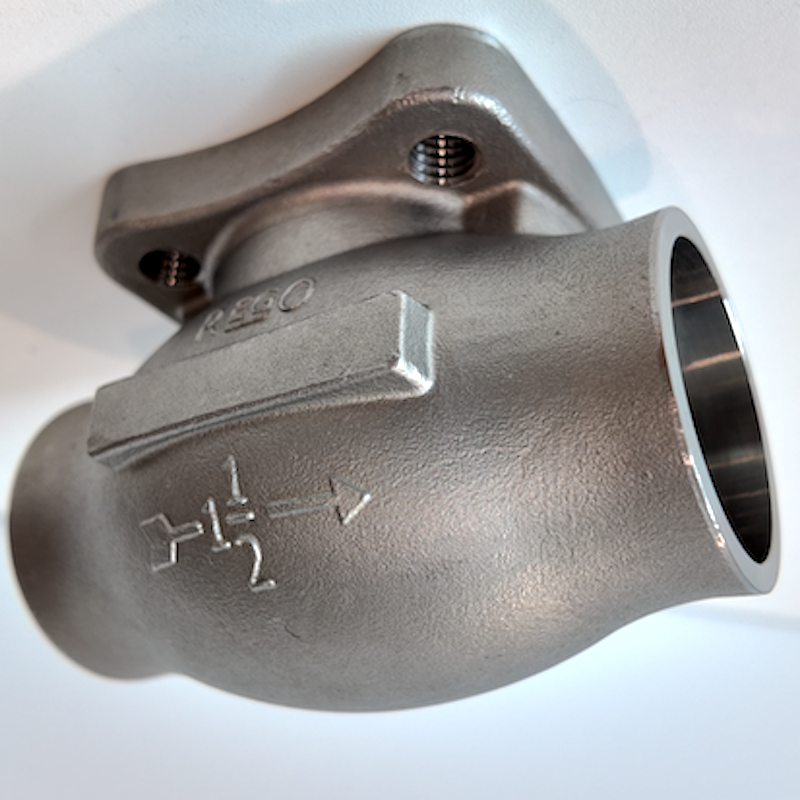
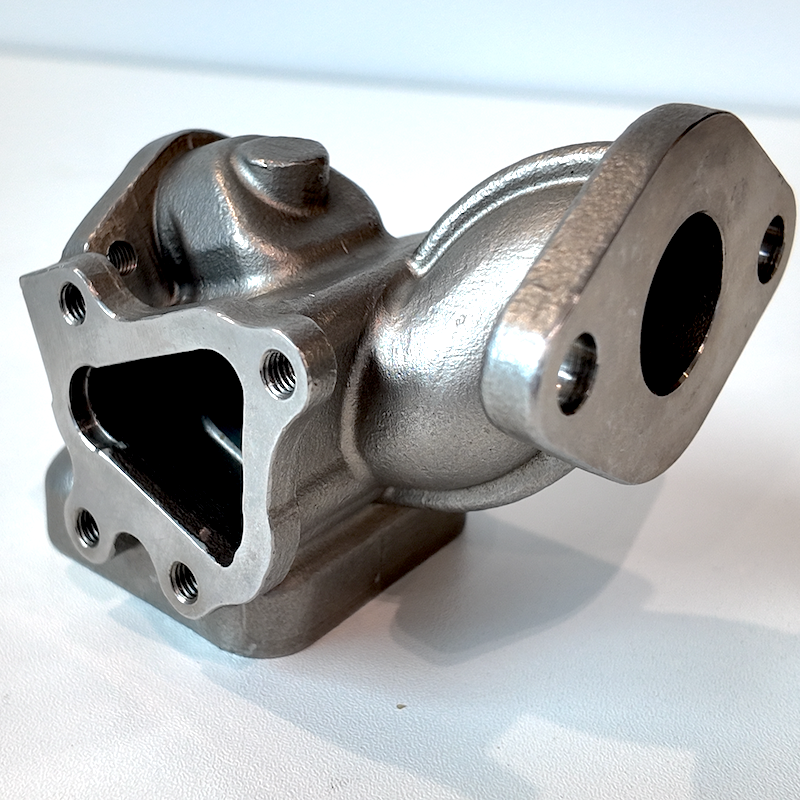
A 304 stainless steel casting foundry represents a specialized manufacturing facility dedicated to producing high-quality metal components through advanced casting processes. This type of foundry focuses specifically on working with 304 grade stainless steel, one of the most versatile and widely used corrosion-resistant alloys in modern industry. The primary function of a 304 stainless steel casting foundry involves melting raw stainless steel materials, pouring the molten metal into carefully designed molds, and creating precise components that meet exact specifications. These facilities serve critical roles across multiple sectors including food processing, chemical manufacturing, medical device production, architectural applications, and marine equipment fabrication. The technological infrastructure within a 304 stainless steel casting foundry typically includes induction furnaces capable of reaching temperatures exceeding 1450 degrees Celsius, sophisticated mold preparation areas, controlled cooling chambers, and comprehensive quality inspection stations. Modern foundries employ both investment casting and sand casting methodologies depending on component complexity and production volume requirements. Investment casting allows for intricate geometries with superior surface finishes, while sand casting accommodates larger components with cost-effective production cycles. The foundry process begins with pattern creation, followed by mold assembly, metal pouring, solidification monitoring, mold removal, and finishing operations including grinding, polishing, and heat treatment when necessary. Applications for components produced in a 304 stainless steel casting foundry span an impressive range, from pump housings and valve bodies to decorative architectural elements and food processing machinery parts. The foundry environment maintains strict quality control protocols, ensuring each casting meets dimensional tolerances, chemical composition standards, and mechanical property requirements. Advanced foundries integrate computer-aided design systems with simulation software to optimize casting processes before production begins, reducing defects and material waste while improving overall efficiency and product consistency throughout manufacturing operations.

New Product Recommendations

Choosing a 304 stainless steel casting foundry for your manufacturing needs delivers substantial practical benefits that directly impact your bottom line and product performance. The first major advantage centers on exceptional corrosion resistance, meaning components last significantly longer even in harsh environments exposed to moisture, chemicals, or saltwater conditions. This extended lifespan translates to fewer replacements, reduced maintenance schedules, and lower total ownership costs over the product lifecycle. The foundry produces parts that maintain their structural integrity and appearance for decades rather than years, providing genuine value for your investment. Another significant benefit involves design flexibility that traditional machining methods simply cannot match. The casting process enables creation of complex shapes, internal passages, and integrated features in a single piece, eliminating the need for welding multiple components together. This consolidation reduces assembly time, decreases potential failure points, and often results in lighter final products without sacrificing strength. You gain the freedom to optimize designs for performance rather than limiting creativity based on manufacturing constraints. Cost efficiency represents another compelling advantage, particularly for medium to large production runs. Once molds are created, the foundry can produce multiple identical components with minimal per-unit costs compared to extensive machining operations. Material waste decreases substantially since the casting process uses only the metal needed for the final component plus minimal extra for gates and risers that get recycled. Labor costs remain controlled because casting requires fewer operations than building similar parts through cutting, drilling, and joining separate elements. The foundry also delivers consistent quality across production batches, ensuring every component meets the same high standards. Automated quality control systems catch deviations early, maintaining uniformity that protects your brand reputation and reduces field failures. Surface finish quality from modern casting techniques often requires minimal post-processing, saving additional time and expense. The hygienic properties of 304 stainless steel make foundry products ideal for food service, pharmaceutical, and medical applications where cleanliness is non-negotiable. The non-porous surface resists bacterial growth and withstands repeated sterilization without degrading. Temperature resistance allows components to perform reliably across extreme ranges from cryogenic applications to high-heat industrial processes. Environmental sustainability adds another layer of value since stainless steel remains fully recyclable, and foundries increasingly incorporate recycled content without compromising material properties, supporting your corporate responsibility goals while maintaining technical performance standards.

Tips And Tricks

Basic Principles Of Design Of Precision Casting Gating System

11

May

Basic Principles Of Design Of Precision Casting Gating System

View More
Selection And Application Scope Of Hardness Tester

11

May

Selection And Application Scope Of Hardness Tester

View More
The Role Of Elements In Castings And The Order Of Addition

11

May

The Role Of Elements In Castings And The Order Of Addition

View More
Stainless Steel Castings for Building Facade Systems

11

May

Stainless Steel Castings for Building Facade Systems

View More

Get a Free Quote

Our representative will contact you soon.
Email
Name
Company Name
Message
0/1000

304 stainless steel casting foundry

Superior Material Properties for Demanding Applications

Superior Material Properties for Demanding Applications

The 304 stainless steel casting foundry specializes in producing components with material properties that exceed ordinary manufacturing alternatives, delivering performance advantages critical for demanding industrial applications. At the core of this benefit lies the austenitic microstructure of 304 stainless steel, which combines chromium and nickel in precise ratios to create a material that resists oxidation, maintains strength across temperature extremes, and offers excellent formability. The foundry process preserves these inherent material characteristics while enabling complex geometries impossible through other fabrication methods. Chromium content of approximately eighteen percent forms a passive oxide layer on component surfaces that self-repairs when scratched, providing automatic corrosion protection without coatings or treatments. This passive layer makes components from a 304 stainless steel casting foundry ideal for environments ranging from coastal installations where salt spray constantly attacks metal surfaces to chemical processing plants handling aggressive substances. The nickel content, typically around eight percent, enhances toughness and provides stability across temperature variations, preventing the brittleness that affects many other alloys in cold conditions. Components maintain impact resistance even at sub-zero temperatures, crucial for refrigeration equipment, cryogenic storage systems, and outdoor installations in northern climates. The casting process itself contributes to superior properties through controlled solidification that creates uniform grain structures throughout each component. Unlike welded assemblies where heat-affected zones create weak points, cast components exhibit consistent mechanical properties in all directions. This isotropy eliminates concerns about directional weaknesses that might compromise performance under complex loading conditions. Modern foundries employ sophisticated metallurgical controls, analyzing chemical composition at multiple process stages to ensure conformance with strict specifications. Mechanical testing verifies tensile strength, yield strength, elongation, and hardness meet or exceed industry standards. Non-destructive testing techniques including radiographic inspection, ultrasonic examination, and magnetic particle testing detect any internal defects before components leave the facility. The practical result for customers means components that perform reliably year after year, reducing unexpected failures, minimizing downtime, and protecting against costly emergency replacements. The material's non-magnetic properties benefit electronic equipment housings and medical devices where magnetic interference must be avoided. Excellent weldability allows for field modifications or repairs when necessary, though the foundry produces components designed to minimize such needs through comprehensive initial design optimization and quality manufacturing execution.
Precision Casting Technology for Complex Geometries

Precision Casting Technology for Complex Geometries

Modern 304 stainless steel casting foundry operations leverage advanced precision casting technologies that transform design concepts into physical components with remarkable accuracy and detail. Investment casting, also known as lost-wax casting, stands as the premier method for creating intricate parts with smooth surfaces and tight dimensional tolerances. This process begins with creating a wax pattern matching exact component specifications, including internal passages, undercuts, and fine details that would be prohibitively expensive or impossible to machine. Multiple wax patterns attach to a central sprue system, forming a tree-like assembly that maximizes production efficiency. Technicians then apply ceramic slurry coatings in multiple layers, building a robust shell mold around the wax patterns. After the ceramic hardens, the assembly enters a furnace where heat melts away the wax, leaving a hollow ceramic mold cavity. The foundry carefully preheats these molds before pouring molten 304 stainless steel, ensuring proper metal flow and minimizing thermal shock that could crack the mold. Gravity or vacuum assist draws the liquid metal into every mold detail, capturing design features down to fractions of a millimeter. Controlled cooling prevents internal stresses and ensures uniform grain structure throughout each casting. Once solidified, technicians break away the ceramic shell, revealing components that require minimal finishing. This precision delivers significant cost advantages by reducing machining time, eliminating multiple manufacturing steps, and decreasing material waste. Design engineers gain freedom to optimize components for performance rather than manufacturing limitations, incorporating features like internal cooling channels, complex fluid pathways, and integrated mounting points. Weight reduction becomes achievable through precise wall thickness control and strategic material placement only where structural requirements demand it. The foundry produces components ranging from small precision fittings weighing mere ounces to substantial industrial housings exceeding several hundred pounds, all maintaining comparable accuracy and surface quality. Computer simulation software allows foundries to model metal flow, predict solidification patterns, and identify potential defects before cutting the first mold, dramatically reducing development time and prototyping costs. Customers benefit from faster time-to-market for new products, lower tooling investments compared to alternative manufacturing methods, and the ability to consolidate multiple machined parts into single cast components. Surface finishes from precision casting often eliminate secondary operations entirely, or require only light polishing to achieve mirror-like appearances for architectural or aesthetic applications. Dimensional consistency across production runs ensures interchangeability, simplifying assembly operations and inventory management while maintaining quality standards that protect brand reputation and customer satisfaction.
Comprehensive Quality Assurance and Customization Capabilities

Comprehensive Quality Assurance and Customization Capabilities

A professional 304 stainless steel casting foundry distinguishes itself through rigorous quality assurance protocols and extensive customization capabilities that address unique customer requirements across diverse industries. Quality control begins before production starts, with incoming material inspection verifying raw stainless steel meets chemical composition specifications through spectrographic analysis. This front-end verification prevents defective material from entering the manufacturing stream, protecting both foundry efficiency and customer satisfaction. Throughout the casting process, experienced technicians monitor critical parameters including melt temperature, pouring rate, mold temperature, and cooling curves, making real-time adjustments to maintain optimal conditions. After casting, each component undergoes multiple inspection stages designed to catch any deviation from specifications before shipping. Visual inspection identifies surface irregularities, while dimensional measurement using coordinate measuring machines confirms all features fall within specified tolerances. Mechanical testing on sample components from each production batch verifies tensile strength, yield strength, hardness, and elongation meet required standards. Non-destructive testing methods examine internal integrity without damaging components, including radiographic inspection that reveals any porosity, inclusions, or cracks hidden beneath surfaces. Ultrasonic testing provides additional verification of material soundness, particularly critical for pressure-containing components or safety-critical applications. Magnetic particle and liquid penetrant testing detect surface-breaking defects too small for visual detection. Documentation accompanies every shipment, providing material certifications, test results, and traceability information that satisfy regulatory requirements and quality management systems. Beyond standard quality measures, leading foundries offer extensive customization services that transform standard products into precisely tailored solutions. Engineering teams collaborate with customers from initial concept through production, providing design optimization advice that improves castability, reduces costs, and enhances performance. Prototype services allow physical testing before committing to full production tooling, reducing risk and enabling design refinement based on actual component behavior. Surface treatment options extend component capabilities, with passivation enhancing corrosion resistance, electropolishing creating ultra-smooth sanitary surfaces, and various coating applications providing specialized properties. Heat treatment services modify mechanical properties to meet specific application requirements, adjusting hardness, strength, or ductility as needed. Secondary machining capabilities within the foundry provide complete finished components ready for installation, eliminating coordination challenges between multiple suppliers. Small batch production accommodates specialized applications without prohibitive minimum order quantities, while high-volume manufacturing delivers economies of scale for standard components. Flexible scheduling responds to customer timeline pressures, with expedited processing available for urgent requirements. The combination of uncompromising quality standards and adaptable customization capabilities means customers receive components that precisely match their technical requirements, arrive on schedule, and perform reliably throughout their intended service life, building partnerships based on demonstrated competence and consistent delivery excellence.

Get a Free Quote

Our representative will contact you soon.
Email
Name
Company Name
Message
0/1000