Ευελιξία Σχεδιασμού που Διευκολύνει Πολύπλοκες Γεωμετρίες και Βελτιστοποίηση Κόστους
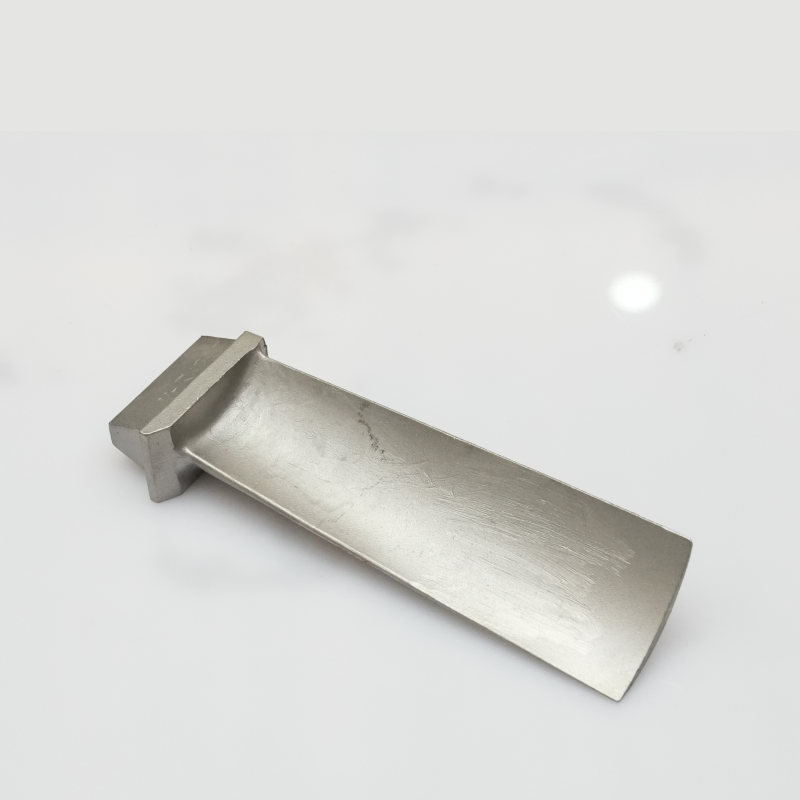
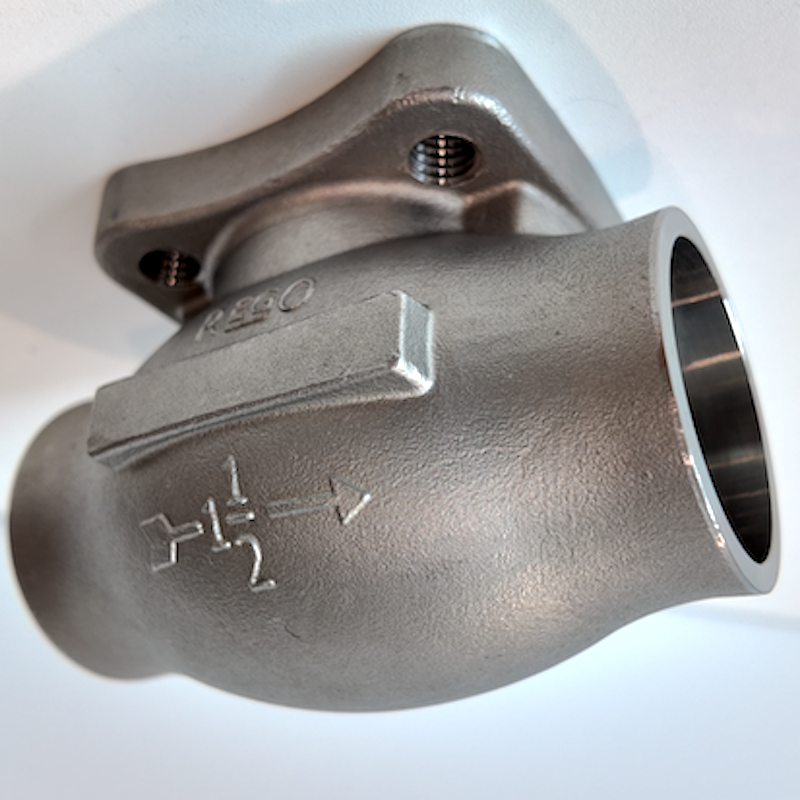
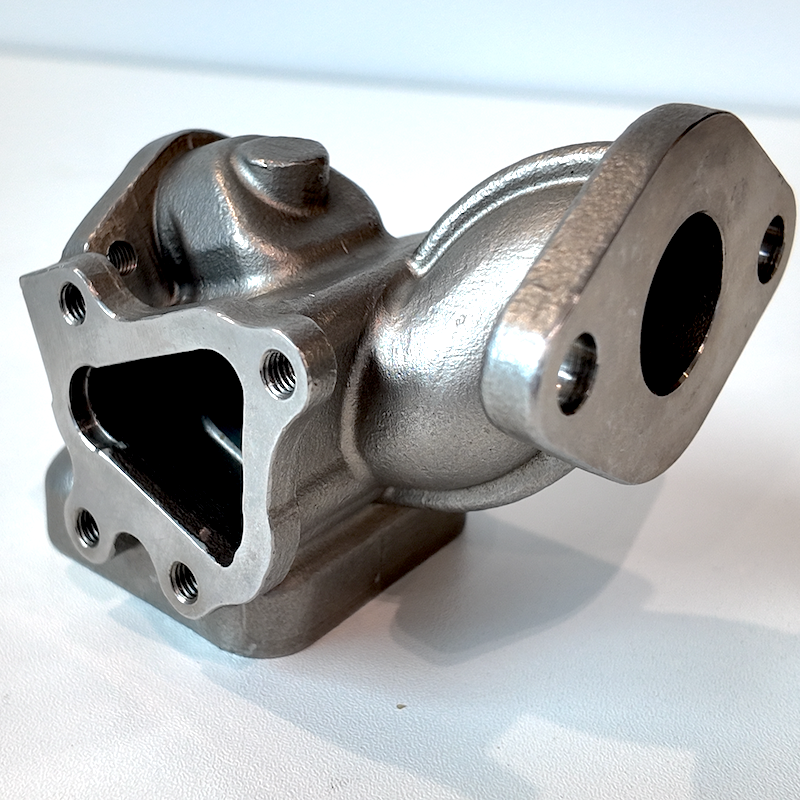
Ένα εργοστάσιο χύτευσης ανοξείδωτου χάλυβα 304 ανοίγει δυνατότητες σχεδιασμού που η κατεργασία, η συναρμολόγηση και άλλες διαδικασίες κατασκευής δυσκολεύονται να επιτύχουν οικονομικά. Η διαδικασία χύτευσης επιτρέπει στο λιωμένο μέταλλο να ρέει σε περίπλοκες κοιλότητες καλουπιών, αποτυπώνοντας λεπτομερείς δομές, λεπτά τοιχώματα, εσωτερικούς αγωγούς και πολύπλοκα τρισδιάστατα σχήματα σε ένα ενιαίο κομμάτι. Αυτή η δυνατότητα εξαλείφει την ανάγκη κατασκευής πολλαπλών εξαρτημάτων και συναρμολόγησής τους μέσω συγκόλλησης, βιδώματος ή άλλων μεθόδων σύνδεσης. Για τους μηχανικούς, αυτό σημαίνει ότι μπορούν να σχεδιάζουν εξαρτήματα που βελτιστοποιούν τη λειτουργικότητα, αντί να κάνουν συμβιβασμούς λόγω περιορισμών της κατασκευής. Οι εσωτερικοί διαύλους ψύξης μπορούν να ακολουθούν τις βέλτιστες διαδρομές για τη μεταφορά θερμότητας, αντί να περιορίζονται σε ευθείες διατρητές οπές. Τα περιβλήματα μπορούν να ενσωματώνουν προεξοχές στήριξης, υδραυλικές προσαρμογές και δομικές πλευρικές ράβδους ακριβώς εκεί όπου απαιτείται, χωρίς επιπρόσθετες εργασίες. Οι τροχοί και τα εξαρτήματα αντλιών επιτυγχάνουν ιδανικές γεωμετρίες πτερυγίων για τη ρευστομηχανική, χωρίς εκτεταμένη κατεργασία που σπαταλά υλικό και χρόνο. Τα οικονομικά οφέλη αυτής της ευελιξίας στο σχεδιασμό είναι σημαντικά. Η συγχώνευση πολλαπλών εξαρτημάτων σε μία ενιαία χύτευση μειώνει τον αριθμό των κομματιών, απλοποιώντας τη διαχείριση αποθεμάτων, μειώνοντας τον εργατικό κόστος συναρμολόγησης και εξαλείφοντας δυνητικά σημεία αστοχίας στις συνδέσεις. Λιγότερες συγκολλήσεις σημαίνουν λιγότερους ελέγχους, μικρότερη πιθανότητα ελαττωμάτων και χαμηλότερους κινδύνους εγγύησης. Ένα εργοστάσιο χύτευσης ανοξείδωτου χάλυβα 304 μπορεί να παράγει εξαρτήματα σχεδόν τελικού σχήματος (near-net-shape), τα οποία απαιτούν ελάχιστη τελική κατεργασία, μειώνοντας τη σπατάλη υλικού και τον χρόνο κατεργασίας. Αυτή η αποδοτικότητα γίνεται ιδιαίτερα σημαντική όταν εργάζεται κανείς με ανοξείδωτο χάλυβα, ο οποίος είναι ακριβότερος από τον άνθρακα χάλυβα και δυσκολότερος στην κατεργασία, προκαλώντας φθορά των εργαλείων και μεγαλύτερους χρόνους κύκλου. Πολύπλοκες εξωτερικές υποτομές και περίπλοκες επιφανειακές υφές, οι οποίες θα απαιτούσαν ακριβή κατεργασία με πολυάξονα μηχάνημα ή με ηλεκτρική εκκένωση (EDM), μπορούν να χυτευτούν απευθείας στο εξάρτημα, μειώνοντας δραματικά το κόστος παραγωγής. Η ελευθερία σχεδιασμού υποστηρίζει επίσης πρωτοβουλίες ελαφρύνσεως, όπου το υλικό τοποθετείται μόνο εκεί όπου η δομική ανάλυση δείχνει ότι είναι απαραίτητο, αφαιρώντας περιττή μάζα από μη κρίσιμες περιοχές. Αυτό μειώνει το κόστος υλικού, μειώνει το βάρος μεταφοράς και βελτιώνει την ενεργειακή απόδοση κατά τη μετακίνηση εξοπλισμού. Για εξατομικευμένες εφαρμογές, ένα εργοστάσιο χύτευσης ανοξείδωτου χάλυβα 304 προσφέρει οικονομική παραγωγή μικρών ποσοτήτων, καθώς το κόστος των καλουπιών παραμένει λογικό και οι αλλαγές στο σχέδιο μπορούν να ενσωματωθούν ευκολότερα σε σύγκριση με τα καλούπια εμβολοθλάσεως ή της σφυρηλάτησης. Η κατασκευή πρωτοτύπων γίνεται πρακτική, επιτρέποντας φυσικό έλεγχο πριν από την επίσημη έναρξη μεγάλων παραγωγικών σειρών, μειώνοντας τους κινδύνους ανάπτυξης και επιταχύνοντας το χρόνο εισόδου στην αγορά καινοτόμων προϊόντων.

 EN
EN