Superior Material Properties and Long-Term Durability
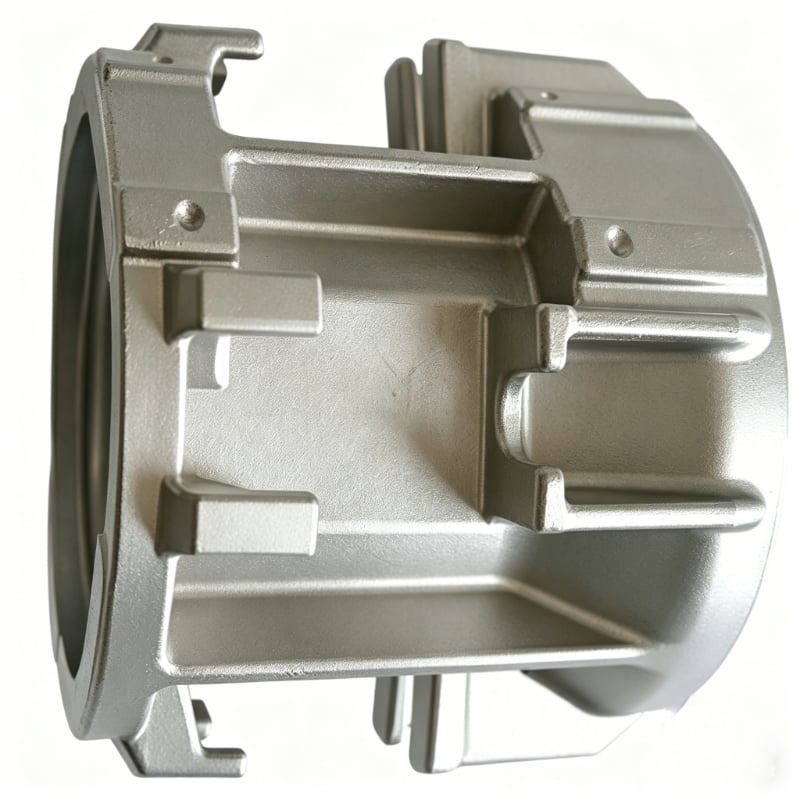
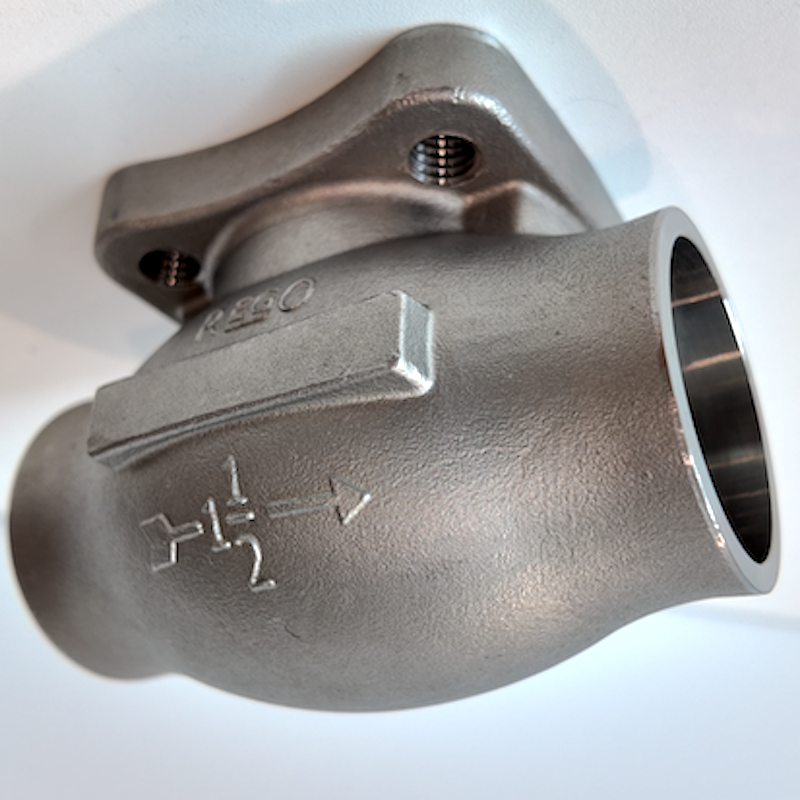
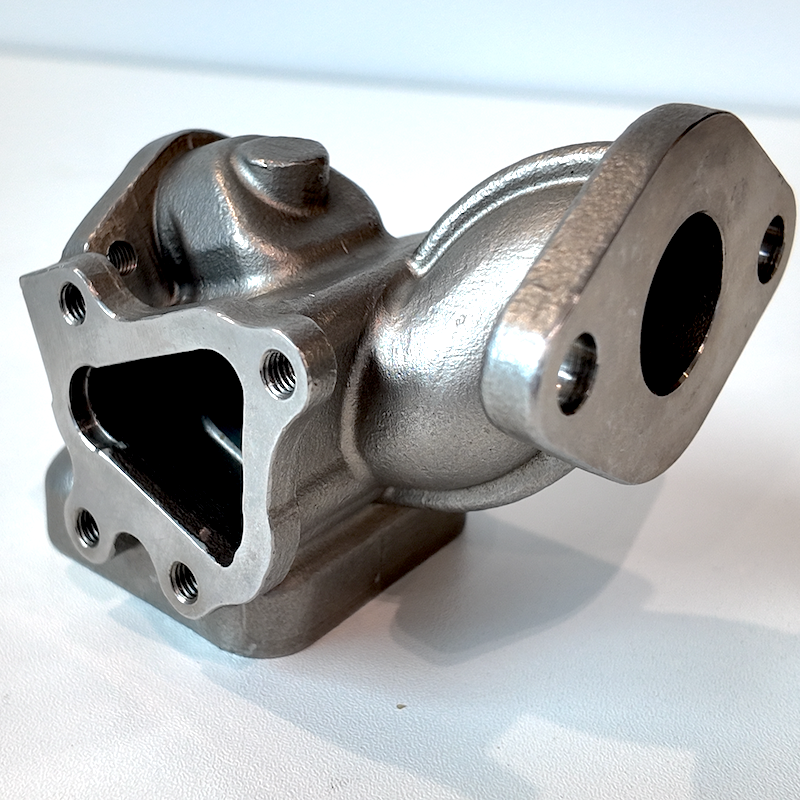
The material properties of stainless steel investment castings provide exceptional long-term value that extends far beyond the initial purchase price. These castings inherit all the beneficial characteristics of stainless steel alloys, including outstanding corrosion resistance, excellent mechanical strength, and remarkable temperature stability, while the investment casting process itself creates a fine-grain microstructure that enhances these properties further. Unlike welded fabrications where heat-affected zones create weak points, or machined parts where cutting disrupts the material grain structure, investment castings maintain uniform properties throughout the entire component. This consistency means you can depend on predictable performance under stress, temperature extremes, and corrosive environments without worrying about premature failure in specific areas. The corrosion resistance proves particularly valuable in marine environments, chemical processing plants, and food production facilities where exposure to moisture, acids, salts, or cleaning agents would quickly degrade lesser materials. Stainless steel investment castings resist pitting, crevice corrosion, and stress corrosion cracking, maintaining their structural integrity and appearance for decades with minimal maintenance. The mechanical strength of these castings supports demanding structural applications, with tensile strengths ranging from 70,000 to over 200,000 psi depending on the specific alloy selected. This strength remains stable across a wide temperature range, from cryogenic applications at minus 300 degrees Fahrenheit to high-temperature service exceeding 1500 degrees Fahrenheit in certain stainless steel grades. The investment casting process allows you to select from numerous stainless steel alloys, each engineered for specific service conditions. Austenitic stainless steels like 316 offer superior corrosion resistance and excellent formability, while martensitic grades provide higher hardness for wear-resistant applications. Duplex stainless steels combine the best attributes of both families, delivering exceptional strength and corrosion resistance in a single material. The fine-grained microstructure created during solidification in the ceramic mold enhances fatigue resistance, making these castings ideal for components subjected to cyclic loading such as pump impellers, valve components, and mechanical linkages. Surface integrity remains excellent because the casting process avoids the work hardening and residual stresses introduced by machining, resulting in components less susceptible to stress corrosion and fatigue crack initiation. Your investment in stainless steel investment castings pays dividends through reduced maintenance costs, extended service intervals, and enhanced reliability that protects your reputation and customer relationships.

 EN
EN