Precision Stainless Steel Investment Castings - Superior Quality Components for Industrial Applications

Get a Free Quote

Our representative will contact you soon.
Email
Name
Company Name
Message
0/1000

stainless steel investment castings

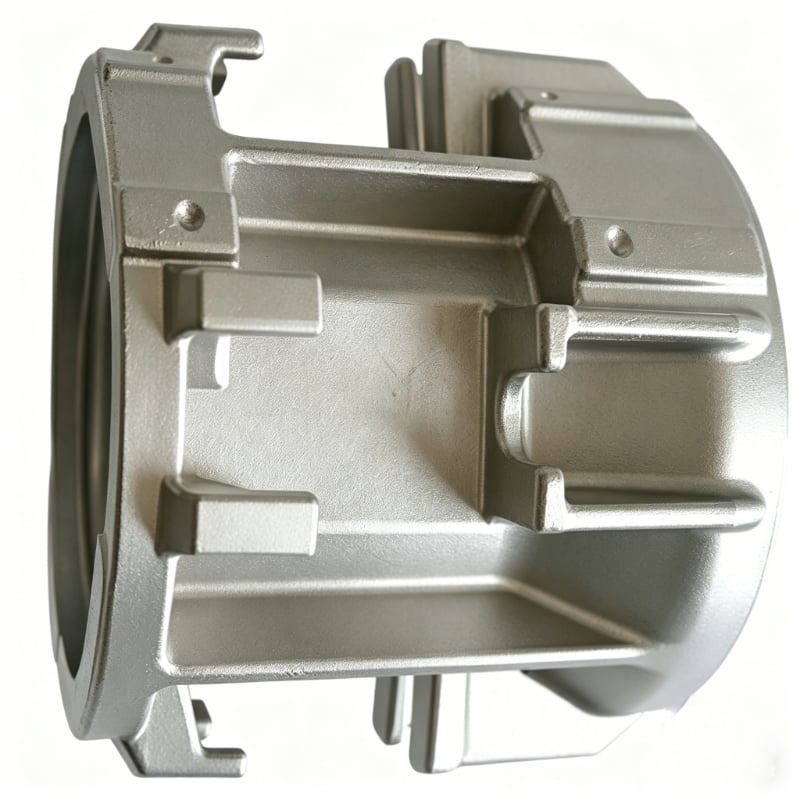
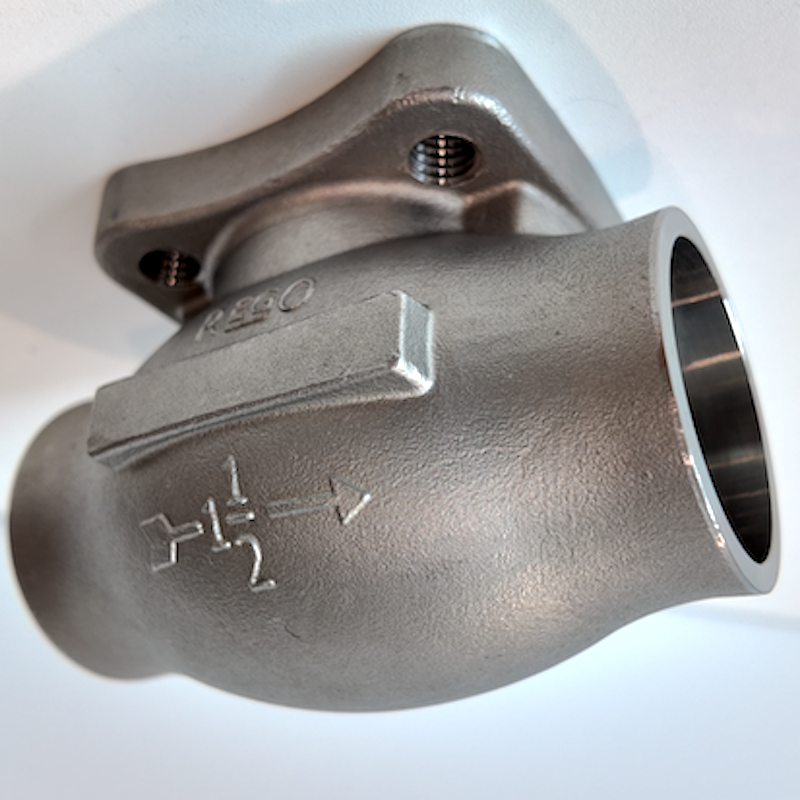
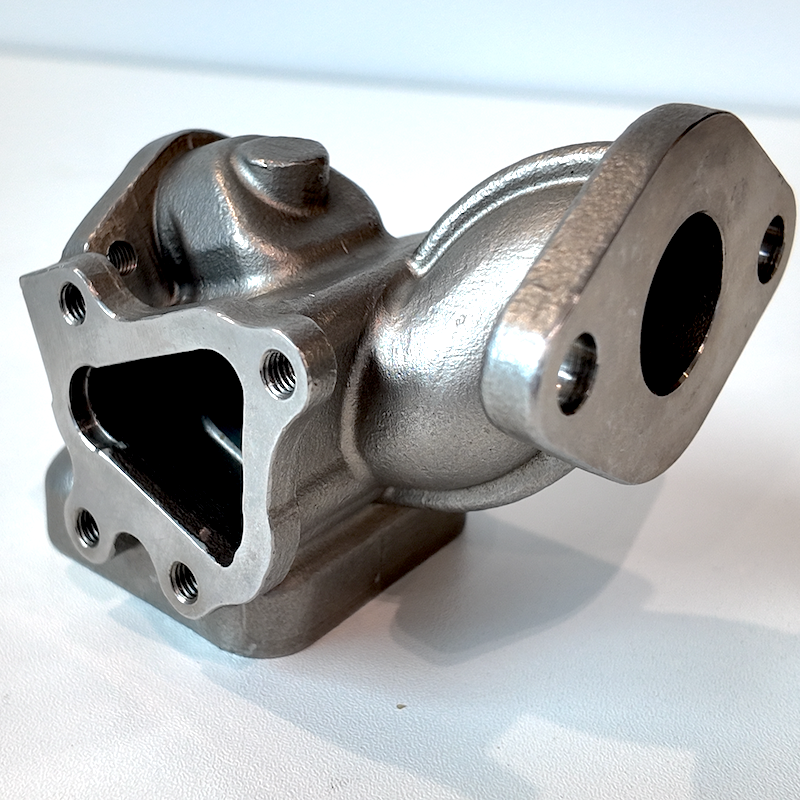
Stainless steel investment castings represent a sophisticated manufacturing process that combines precision engineering with the superior properties of stainless steel alloys. This technique, also known as lost-wax casting, enables manufacturers to produce complex metal components with exceptional dimensional accuracy and surface finish quality. The process begins with creating a wax pattern that replicates the final product design, which is then coated with ceramic material to form a mold. Once the ceramic shell hardens, the wax is melted away, leaving a hollow cavity into which molten stainless steel is poured. This method allows for the creation of intricate geometries, thin walls, and detailed features that would be difficult or impossible to achieve through conventional machining or fabrication methods. The main functions of stainless steel investment castings include providing corrosion-resistant components for harsh environments, delivering high-strength parts for structural applications, and offering cost-effective solutions for complex shapes that require minimal post-processing. Technological features encompass tight tolerances typically ranging from plus or minus 0.005 inches, excellent surface finishes often requiring no additional machining, and the ability to cast wall thicknesses as thin as 0.040 inches. The process accommodates various stainless steel grades, including austenitic, martensitic, and duplex alloys, each offering distinct mechanical and chemical properties. Applications span numerous industries such as aerospace, where components must withstand extreme temperatures and stress; medical equipment manufacturing, where biocompatibility and sterility are paramount; food processing machinery, requiring hygienic and non-reactive materials; automotive systems, demanding durability and performance; and marine hardware, needing superior corrosion resistance against saltwater exposure. The versatility of stainless steel investment castings makes them indispensable for producing pump components, valve bodies, turbine blades, surgical instruments, and architectural fittings, among countless other applications across industrial and commercial sectors.

Popular Products

Choosing stainless steel investment castings delivers substantial practical benefits that directly impact your bottom line and product performance. First, this manufacturing method dramatically reduces material waste compared to traditional machining processes. When you machine a complex part from solid stock, up to seventy percent of the material may end up as scrap chips. Investment casting uses only the material needed for the actual component, resulting in significant cost savings, especially when working with expensive stainless steel alloys. Second, the near-net-shape capability means parts come out of the mold remarkably close to final dimensions. This characteristic minimizes the need for secondary machining operations, cutting down on production time and labor costs. You receive components ready for assembly or requiring only minor finishing touches. Third, the design freedom offered by stainless steel investment castings allows engineers to consolidate multiple parts into a single casting. What might require welding or fastening several machined pieces together can often be produced as one integrated component. This consolidation eliminates assembly steps, reduces potential failure points, and improves overall structural integrity. Fourth, the exceptional surface finish achieved through investment casting often eliminates the need for grinding, polishing, or other surface treatments. Components emerge from the process with smooth surfaces measuring between 125 and 250 microinches, suitable for many applications without further refinement. Fifth, the corrosion resistance inherent in stainless steel means your components will maintain their appearance and functionality even in challenging environments. Whether exposed to chemicals, moisture, extreme temperatures, or corrosive atmospheres, these castings resist rust, oxidation, and degradation far better than carbon steel or other materials. Sixth, mechanical properties remain consistent throughout the casting due to uniform cooling and solidification. This consistency ensures reliable performance and predictable behavior under stress, vibration, or thermal cycling. Seventh, investment casting accommodates both prototype quantities and high-volume production runs. Whether you need five test pieces or fifty thousand production components, the process scales efficiently. Small batches benefit from relatively low tooling costs compared to die casting or forging, while large runs enjoy economies of scale. Finally, the lead time from design approval to first article inspection can be remarkably short. Modern foundries utilize rapid prototyping technologies for pattern creation, enabling faster turnaround than traditional tooling methods. This speed to market gives you competitive advantages in responding to customer demands or launching new products ahead of rivals.

Practical Tips

Basic Principles Of Design Of Precision Casting Gating System

11

May

Basic Principles Of Design Of Precision Casting Gating System

View More
Selection And Application Scope Of Hardness Tester

11

May

Selection And Application Scope Of Hardness Tester

View More
Stainless Steel Castings for Building Facade Systems

11

May

Stainless Steel Castings for Building Facade Systems

View More
Precision Stainless Steel Exhaust Manifold Casting Solution For Luxury Sedan - With Japanese First-Tier Car Brand

11

May

Precision Stainless Steel Exhaust Manifold Casting Solution For Luxury Sedan - With Japanese First-Tier Car Brand

View More

Get a Free Quote

Our representative will contact you soon.
Email
Name
Company Name
Message
0/1000

stainless steel investment castings

Exceptional Dimensional Accuracy and Complex Geometry Capabilities

Exceptional Dimensional Accuracy and Complex Geometry Capabilities

One of the most compelling advantages of stainless steel investment castings lies in their ability to achieve exceptional dimensional accuracy while producing remarkably complex geometries that challenge or exceed the capabilities of other manufacturing methods. This precision stems from the fundamental nature of the investment casting process itself. When engineers create the initial wax pattern, they can incorporate intricate details, undercuts, internal passages, and compound angles that would require multiple setups, special fixtures, or even prove impossible with conventional machining. The ceramic shell mold captures every nuance of this pattern with remarkable fidelity, transferring these details to the final metal casting. Manufacturers regularly achieve tolerances of plus or minus 0.005 inches on critical dimensions without secondary operations, and even tighter tolerances become possible with minimal finish machining. This level of precision directly translates to improved assembly fit, reduced rejection rates, and enhanced product performance. Consider applications like turbine components where aerodynamic profiles must match engineering specifications exactly, or medical implants where dimensional consistency affects patient outcomes. The capability to cast thin walls, sometimes as slender as 0.040 inches, enables weight reduction without sacrificing strength, a critical consideration in aerospace and portable equipment applications. Internal cavities and passages can be cast directly into components, eliminating the need for drilling deep holes or creating hollow sections through welding. This feature proves invaluable for fluid control components like valve bodies and pump housings where internal flow paths significantly impact efficiency. The ability to combine multiple features into a single casting reduces part count in assemblies, simplifying inventory management, streamlining assembly processes, and eliminating potential failure points at joints and fasteners. Draft angles can be minimal or even eliminated in many areas of a casting, allowing designers to create more compact components with better space utilization. Surface details like logos, part numbers, and decorative elements can be cast directly into the surface, removing secondary marking operations. Threading, both internal and external, can be cast in place, though critical threads may benefit from chasing or tapping for optimal fit. The geometric freedom extends to creating components that would require five-axis machining or electrical discharge machining if produced by subtractive methods, yet investment casting produces these shapes in a single operation without specialized equipment or programming.
Superior Corrosion Resistance and Material Versatility for Demanding Environments

Superior Corrosion Resistance and Material Versatility for Demanding Environments

Stainless steel investment castings provide unmatched corrosion resistance and material versatility that makes them the preferred choice for components operating in demanding, harsh, or specialized environments where material failure is not an option. The stainless steel family encompasses numerous alloy compositions, each formulated to excel in specific conditions, and the investment casting process accommodates this entire range. Austenitic stainless steels like 304 and 316 grades offer excellent general corrosion resistance, making them suitable for food processing equipment, pharmaceutical manufacturing, and chemical handling systems where product purity and equipment longevity are essential. The 316 grade, with its molybdenum content, provides enhanced resistance to chloride environments, making it ideal for marine applications, coastal installations, and anywhere saltwater exposure occurs. Martensitic stainless steels deliver higher strength and hardness after heat treatment, serving applications like pump shafts, valve stems, and fasteners that require both mechanical performance and corrosion resistance. Precipitation-hardening grades combine the corrosion resistance of stainless steel with strength levels approaching those of high-strength low-alloy steels, finding use in aerospace components and high-performance industrial equipment. Duplex stainless steels offer a balance of austenitic and ferritic structures, providing superior strength and chloride stress corrosion cracking resistance compared to standard austenitic grades, making them valuable for offshore oil and gas equipment, desalination systems, and chemical processing vessels. This material versatility means engineers can select the optimal alloy for specific service conditions rather than compromising with a general-purpose material. The corrosion resistance inherent in these alloys eliminates or drastically reduces maintenance requirements. Components installed in corrosive atmospheres maintain their structural integrity and appearance for decades without protective coatings, painting, or surface treatments. This durability translates directly to lower life-cycle costs, reduced downtime for replacement, and improved safety by eliminating unexpected failures. Temperature extremes, whether cryogenic conditions or elevated temperatures approaching 1500 degrees Fahrenheit, can be accommodated by selecting appropriate stainless steel grades. This thermal stability ensures components maintain their mechanical properties and dimensional stability across wide temperature ranges. The biocompatibility of certain stainless steel grades makes investment castings suitable for medical implants, surgical instruments, and equipment that contacts human tissue or bodily fluids.
Cost-Effectiveness Through Reduced Secondary Operations and Material Efficiency

Cost-Effectiveness Through Reduced Secondary Operations and Material Efficiency

The economic advantages of stainless steel investment castings extend far beyond the initial piece price, delivering substantial cost savings through reduced secondary operations, exceptional material efficiency, and streamlined production workflows that benefit manufacturers across all production volumes. Traditional machining approaches to creating complex stainless steel components often require purchasing oversized bar stock or plate material, then removing significant amounts of metal through cutting, milling, drilling, and turning operations. This subtractive manufacturing generates considerable scrap material, and while stainless steel scrap retains some value, the cost of the virgin material, energy consumed during machining, tool wear, and labor hours far exceeds any scrap recovery. Investment casting fundamentally reverses this equation by using only the material necessary to form the actual component plus the gating system that feeds molten metal into the mold cavity. Material utilization rates commonly exceed eighty-five percent, with the gating system itself returned to the melting process for reuse. This efficiency becomes increasingly significant with expensive alloy grades where material costs dominate the total component price. The near-net-shape nature of investment castings means components emerge from the mold requiring minimal finish machining. Many applications use castings directly as-cast, without any secondary operations beyond inspection and cleaning. When machining is necessary, it typically involves only critical surfaces like sealing faces, bearing journals, or threaded holes, consuming a fraction of the machine time that producing the entire component from solid stock would require. This reduction in machining time lowers labor costs, reduces capital equipment requirements, decreases energy consumption, and shortens production lead times. Tool wear decreases dramatically because cutting operations are minimized, extending tool life and reducing consumable costs. Setup time diminishes because fewer operations mean fewer setups, fixtures, and program changes. Quality improvements accompany these efficiency gains because fewer operations mean fewer opportunities for dimensional drift, human error, or fixture-induced distortion. The ability to consolidate multiple parts into a single casting eliminates joining operations like welding, brazing, or mechanical fastening. Each eliminated weld represents savings in labor, filler material, energy, inspection time, and potential rework if the weld fails quality standards. Assembly time decreases when fewer parts require handling, orientation, and fastening. Inventory management simplifies when one part number replaces several, reducing storage space, tracking complexity, and obsolescence risk. The investment casting process scales effectively across production volumes, making it economically viable for both prototype development and mass production.

Get a Free Quote

Our representative will contact you soon.
Email
Name
Company Name
Message
0/1000