Industrial Stainless Steel Casting Parts - Precision Components for Demanding Applications

Get a Free Quote

Our representative will contact you soon.
Email
Name
Company Name
Message
0/1000

industrial stainless steel casting parts

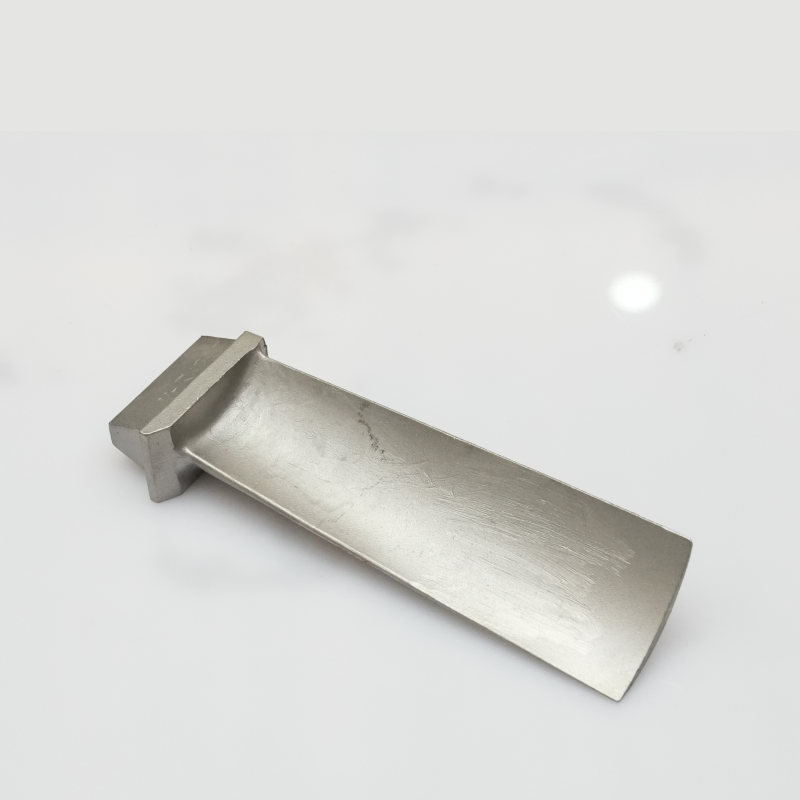
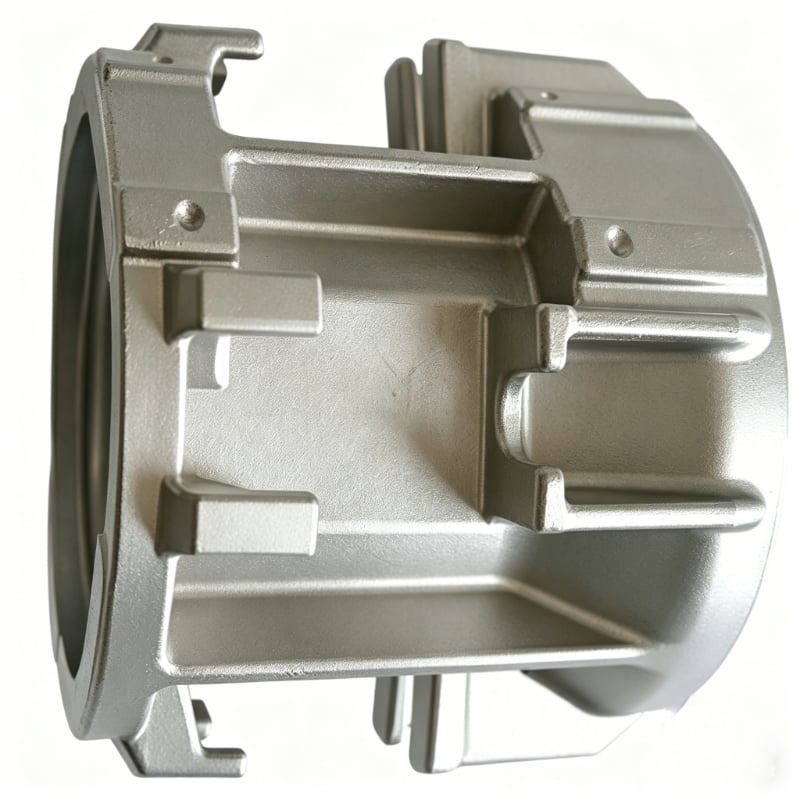
Industrial stainless steel casting parts represent a cornerstone of modern manufacturing, delivering exceptional performance across countless applications. These precision-engineered components are created through sophisticated casting processes that transform molten stainless steel into complex shapes and configurations. The manufacturing process involves pouring liquid stainless steel into carefully designed molds, allowing manufacturers to produce intricate geometries that would be difficult or impossible to achieve through other metalworking methods. Industrial stainless steel casting parts serve critical functions in demanding environments where strength, corrosion resistance, and dimensional accuracy are paramount. The technological features of these components include superior metallurgical properties, excellent surface finish capabilities, and the ability to maintain structural integrity under extreme conditions. The casting process enables the production of parts ranging from small precision components weighing mere grams to massive structural elements exceeding several tons. Applications for industrial stainless steel casting parts span virtually every major industry sector, including petrochemical processing, food and beverage production, marine engineering, pharmaceutical manufacturing, and power generation. In chemical plants, these parts form essential components of pumps, valves, and reactor vessels that must withstand corrosive substances. The food industry relies on stainless steel casting parts for processing equipment that meets stringent hygiene standards. Marine applications benefit from the exceptional resistance to saltwater corrosion, while pharmaceutical facilities depend on the material's cleanliness and sterilization capabilities. The versatility of industrial stainless steel casting parts extends to architectural applications, automotive components, and aerospace systems. Modern casting technologies, including investment casting, sand casting, and lost foam processes, enable manufacturers to optimize production methods based on specific requirements for quantity, complexity, and performance characteristics, ensuring that each industrial stainless steel casting part meets exacting standards for quality and reliability.

New Products

Choosing industrial stainless steel casting parts delivers tangible benefits that directly impact your operational efficiency and bottom line. The foremost advantage lies in exceptional durability that extends component lifespan far beyond alternatives, reducing replacement frequency and minimizing downtime costs. Your facility benefits from parts that resist rust, corrosion, and degradation even when exposed to harsh chemicals, extreme temperatures, or moisture-rich environments. This resilience translates to fewer maintenance interventions and lower long-term ownership costs. The manufacturing flexibility of industrial stainless steel casting parts allows you to obtain custom configurations tailored precisely to your specifications without the prohibitive tooling costs associated with other production methods. Complex internal passages, intricate external features, and seamless integration of multiple functions into single components become achievable realities. You gain design freedom that optimizes performance while reducing assembly requirements and potential failure points. Cost efficiency emerges through reduced material waste during production, as the casting process utilizes metal more economically than subtractive manufacturing techniques. The strength-to-weight ratio of industrial stainless steel casting parts enables you to achieve structural requirements without excessive mass, saving on transportation costs and installation efforts. These components maintain dimensional stability across wide temperature ranges, ensuring consistent performance whether your operations involve cryogenic conditions or high-heat processes. The non-porous nature of properly cast stainless steel prevents contamination absorption, making these parts ideal for applications requiring cleanliness and purity. You benefit from components that resist bacterial growth, simplify sanitation procedures, and comply with regulatory standards in controlled environments. The aesthetic appeal of stainless steel adds value in visible applications, projecting quality and professionalism without requiring additional finishing treatments. Industrial stainless steel casting parts offer excellent machinability for post-casting modifications, allowing you to make adjustments or add features as your needs evolve. The recyclability of stainless steel supports your sustainability initiatives, as end-of-life components can be reclaimed and repurposed without quality degradation. You invest in parts that combine immediate performance advantages with long-term economic and environmental benefits, creating value that compounds throughout the product lifecycle.

Latest News

Selection And Application Scope Of Hardness Tester

11

May

Selection And Application Scope Of Hardness Tester

View More
The Role Of Elements In Castings And The Order Of Addition

11

May

The Role Of Elements In Castings And The Order Of Addition

View More
Stainless Steel Castings for Building Facade Systems

11

May

Stainless Steel Castings for Building Facade Systems

View More
Precision Stainless Steel Exhaust Manifold Casting Solution For Luxury Sedan - With Japanese First-Tier Car Brand

11

May

Precision Stainless Steel Exhaust Manifold Casting Solution For Luxury Sedan - With Japanese First-Tier Car Brand

View More

Get a Free Quote

Our representative will contact you soon.
Email
Name
Company Name
Message
0/1000

industrial stainless steel casting parts

Unmatched Corrosion Resistance for Extended Service Life

Unmatched Corrosion Resistance for Extended Service Life

The corrosion resistance of industrial stainless steel casting parts stands as their most distinguishing characteristic, providing unparalleled protection in environments that would rapidly destroy ordinary metals. This fundamental property stems from the chromium content in stainless steel, which forms a passive oxide layer that self-repairs when damaged, continuously protecting the underlying metal. For your operations, this means industrial stainless steel casting parts maintain structural integrity and functional performance when exposed to acidic compounds, alkaline solutions, saltwater, industrial chemicals, and atmospheric moisture that would corrode carbon steel within weeks or months. The economic implications are substantial, as components that might require annual replacement in other materials can deliver decades of reliable service as industrial stainless steel casting parts. In marine applications, where saltwater corrosion presents constant challenges, these parts resist pitting, crevice corrosion, and stress corrosion cracking that compromise safety and performance. Chemical processing facilities benefit from parts that withstand concentrated acids and bases without degradation, eliminating contamination risks and maintaining process purity. The food and beverage industry relies on this corrosion resistance to ensure that processing equipment remains sanitary and does not introduce metallic flavors or harmful compounds into products. Pharmaceutical manufacturing demands materials that resist cleaning agents and sterilization processes while maintaining surface integrity, requirements that industrial stainless steel casting parts fulfill exceptionally. The resistance extends beyond chemical attack to include oxidation resistance at elevated temperatures, enabling these parts to function in furnaces, exhaust systems, and heat exchangers where other materials would scale, warp, or fail. This thermal stability combines with corrosion resistance to create components suitable for the most demanding industrial environments. Your maintenance teams spend less time on inspections, repairs, and replacements, redirecting resources toward productive activities. The reliability of industrial stainless steel casting parts reduces emergency shutdowns and unplanned maintenance events that disrupt production schedules and erode profitability. Furthermore, the consistent performance eliminates the hidden costs associated with deteriorating components, such as efficiency losses, quality defects, and safety hazards that emerge as inferior materials degrade.
Design Flexibility and Complex Geometry Capabilities

Design Flexibility and Complex Geometry Capabilities

Industrial stainless steel casting parts excel in their ability to realize complex geometries and intricate designs that would be impractical or impossible with alternative manufacturing methods. This design flexibility transforms how engineers approach component development, removing traditional constraints and enabling innovation that optimizes performance, reduces weight, and consolidates assemblies. The casting process allows molten stainless steel to flow into every cavity and contour of a mold, creating internal passages, undercuts, varying wall thicknesses, and organic shapes that machining operations cannot achieve economically. Your design team gains freedom to integrate multiple functions into single industrial stainless steel casting parts, eliminating joints, fasteners, and interfaces that introduce potential failure points and assembly costs. Complex cooling channels can be cast directly into molds for injection molding equipment, providing superior thermal management compared to drilled passages. Impeller designs for pumps benefit from precision blade geometries that maximize hydraulic efficiency while maintaining structural strength. Valve bodies incorporate intricate flow paths that minimize turbulence and pressure drops, improving system performance. The ability to cast thin walls where structural requirements permit and thick sections where strength is critical enables weight optimization without compromising integrity. Architectural applications leverage this flexibility to create distinctive aesthetic elements that combine visual appeal with functional performance. Industrial stainless steel casting parts can incorporate logos, identification marks, and decorative features directly in the casting, eliminating secondary operations. The consolidation opportunities extend beyond individual components to entire assemblies, where multi-part welded or bolted structures can be replaced with single castings that reduce manufacturing steps, improve reliability, and lower costs. Prototype development benefits from rapid mold creation techniques that allow design iterations without massive tooling investments, accelerating product development cycles. Your engineering team can test multiple configurations, refine performance characteristics, and optimize designs before committing to production volumes. The geometric capabilities of industrial stainless steel casting parts support lightweighting initiatives that reduce material consumption, lower shipping costs, and decrease energy requirements during operation, contributing to sustainability objectives while maintaining the strength and durability essential for industrial applications.
Superior Mechanical Properties and Consistent Quality

Superior Mechanical Properties and Consistent Quality

Industrial stainless steel casting parts deliver exceptional mechanical properties that ensure reliable performance under demanding loads, impacts, and operational stresses. The metallurgical characteristics achieved through controlled casting processes provide strength, toughness, and fatigue resistance that meet or exceed wrought stainless steel alternatives in many applications. Your operations benefit from components that maintain dimensional accuracy and structural integrity through countless cycles of thermal expansion, mechanical loading, and environmental exposure. The tensile strength of properly cast stainless steel supports high-pressure applications in fluid systems, structural loads in machinery frames, and impact resistance in material handling equipment. Ductility ensures that industrial stainless steel casting parts can absorb shock loads and accommodate minor overloads without catastrophic failure, providing safety margins that protect personnel and equipment. The uniform grain structure achieved through modern casting techniques eliminates the directional properties associated with rolled or forged materials, creating isotropic mechanical characteristics that perform consistently regardless of load direction. Quality consistency represents another critical advantage, as advanced foundry practices ensure that each industrial stainless steel casting part meets specifications for chemical composition, mechanical properties, and dimensional tolerances. Statistical process controls, metallurgical testing, and non-destructive examination techniques verify that components conform to requirements before shipment. Your receiving inspections become streamlined, and installation proceeds with confidence that parts will perform as designed. The mechanical properties remain stable throughout the service life of industrial stainless steel casting parts, unlike materials that embrittle, soften, or degrade with age and exposure. Cryogenic applications benefit from stainless steel grades that maintain toughness at extremely low temperatures, while high-temperature variants retain strength when other materials would creep or sag. The work-hardening characteristics of stainless steel provide wear resistance in sliding contact applications, extending service intervals for components subject to abrasion. Vibration damping properties contribute to quieter operation and reduced fatigue in dynamic applications. The combination of strength and corrosion resistance eliminates the need for protective coatings that add cost, require maintenance, and eventually fail, exposing the substrate to damage. Industrial stainless steel casting parts arrive ready for service, requiring minimal surface preparation or treatment, accelerating installation schedules and reducing project costs.

Get a Free Quote

Our representative will contact you soon.
Email
Name
Company Name
Message
0/1000