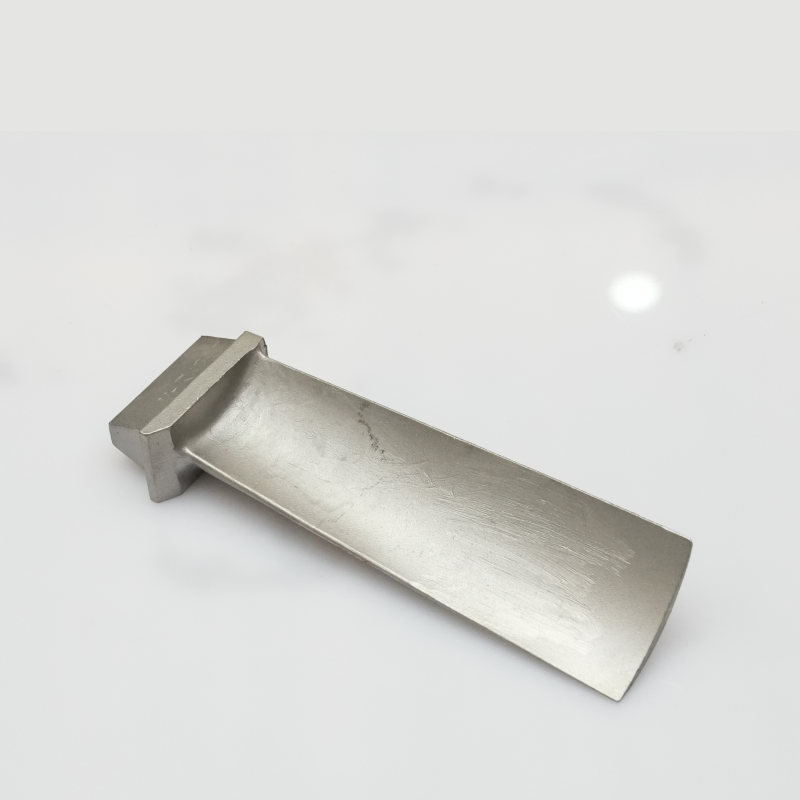
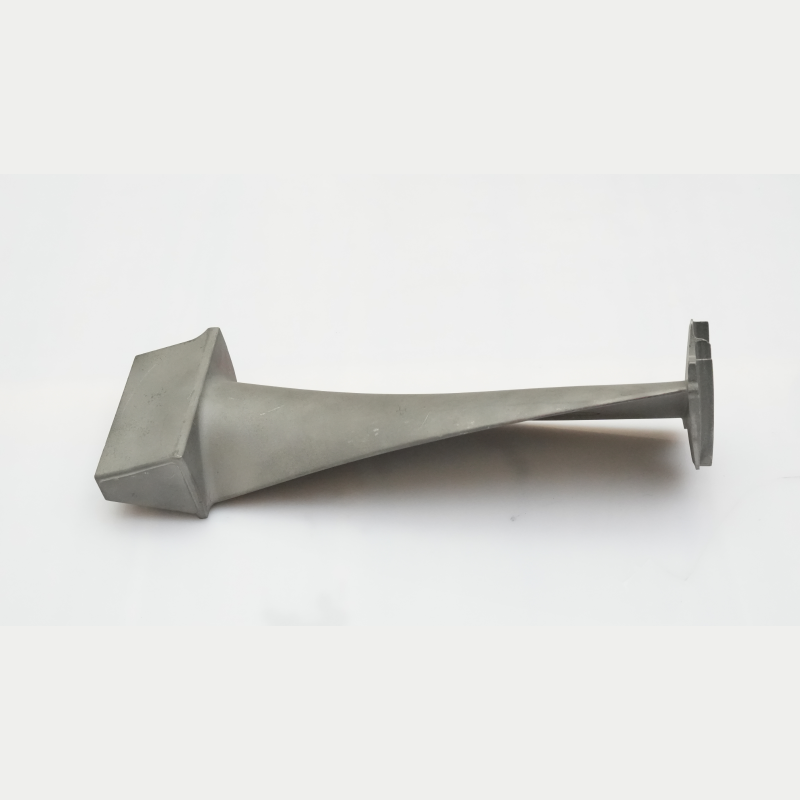
Natančna porazdelitev pretoka za optimalno delovanje sistema
Nerjavnostna hlajalna razdelilna naprava izvirno zagotavlja natančno razdelitev pretoka, kar je tehnična sposobnost, ki se neposredno odraža v izboljšani delovni učinkovitosti opreme, izboljšani kakovosti izdelkov in zmanjšani porabi energije v celotnem sistemu hlajenja. Inženirski pristop k učinkoviti razdelitvi pretoka zahteva natančno pozornost na notranjo geometrijo, položaj vhodov, velikost izhodov in obliko komor, da se zagotovi, da vsak priključeni krog prejme zahtevano količino hladilne tekočine, ne glede na spremenljive upore v nadaljnjem toku. Slabo zasnovani sistemi razdelitve povzročajo neravnovesja, pri katerih nekateri krogi prejmejo preveliko količino pretoka, medtem ko drugi ostanejo brez zadostne količine, kar vodi do neenakomernih temperatur, razlik v kakovosti in napetosti opreme. Ustrezno zasnovana nerjavnostna hlajalna razdelilna naprava vključuje funkcije za uravnoteženje pretoka, kot so porti z natančno določeno velikostjo, difuzijske komore in gladki prehodi, ki izenačijo razdelitev tlaka na vseh izhodih. Ta natančnost je izjemno pomembna v aplikacijah, kot je plastika za litje pod tlakom, kjer ohranjanje natančnih temperatur kalupa določa kakovost izdelka, čase ciklov in delež napak. Ko vsaka votlina večvotlinastega kalupa prejme enako hlajenje, dosežete enotne mere izdelkov, konstantne lastnosti materiala ter minimalno zvijanje ali udrtine. Učinkovitost proizvodnje se poveča, saj se časi ciklov lahko optimizirajo brez poslabšanja kakovosti, hkrati pa se zmanjša delež odpadkov, ker izginejo napake, povezane s temperaturo. Podobno pri metalurških aplikacijah enotna dobava hladilne tekočine več CNC strojev zagotavlja enotno življenjsko dobo orodij, enotno kakovost površinske obdelave in enotno dimenzionalno natančnost vseh naprav. Vaši operaterji porabijo manj časa za prilagajanje posameznih strojev zaradi razlik v hlajenju in več časa za izdelavo kakovostnih delov. Prednosti v energetski učinkovitosti so enako prepričljive. Ko ostane razdelitev pretoka uravnotežena, se cirkulacijske črpalke obratujejo v točkah načrtovane učinkovitosti namesto da bi se borile z neravnovesji sistema. Prekomerna dobava hladilne tekočine nekaterim krogom in hkratna pomanjkljiva dobava drugim krogom povzročata izgubo energije črpalke, nepotrebne padce tlaka in morda zahtevajo prevelike črpalke za kompenzacijo. Nerjavnostna hlajalna razdelilna naprava, optimizirana za vašo specifično aplikacijo, omogoča ustrezno dimenzioniranje črpalk, zmanjšano porabo energije in nižje obratovalne stroške. Natančne obdelovalne možnosti, uporabljene pri nerjavnem jeklu, omogočajo ozke tolerance pri velikosti in položaju vrat, kar zagotavlja, da se načrtovana namena prenesejo v dejansko delovanje. Poleg tega togost konstrukcije iz nerjavnega jekla preprečuje deformacije pod tlakom, ki bi lahko spremenile karakteristike pretoka, in tako ohranja natančnost razdelitve skozi spremembe tlaka in toplotne cikle. Ta stabilnost zagotavlja, da vaš sistem deluje takšen, kot je bil zasnovan, že danes in bo še leta naprej zagotavljal isto natančnost, kar podpira stalno kakovost izdelkov in predvidljive obratovalne stroške.

 EN
EN