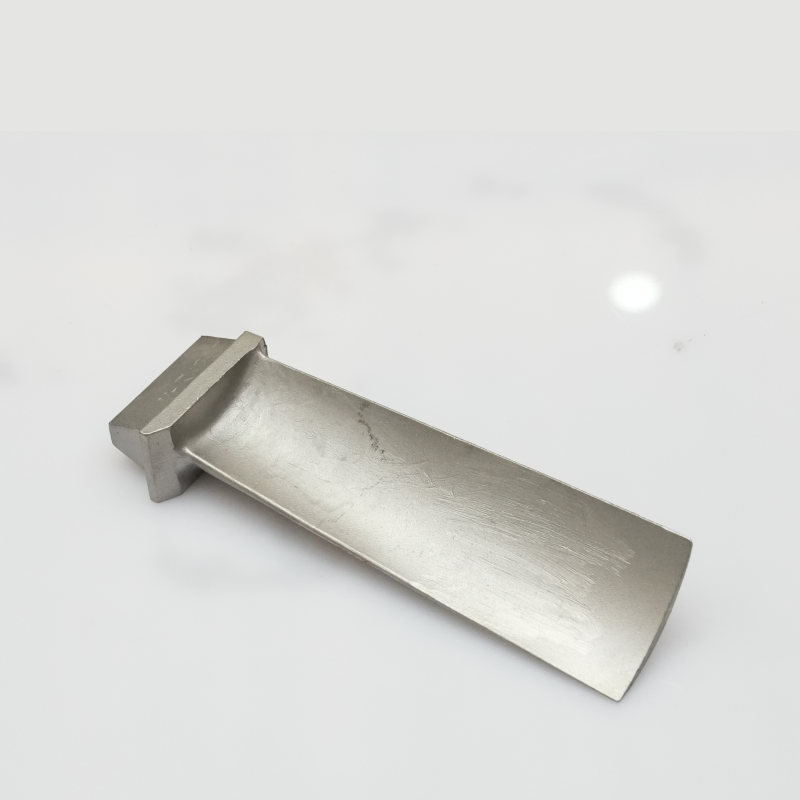
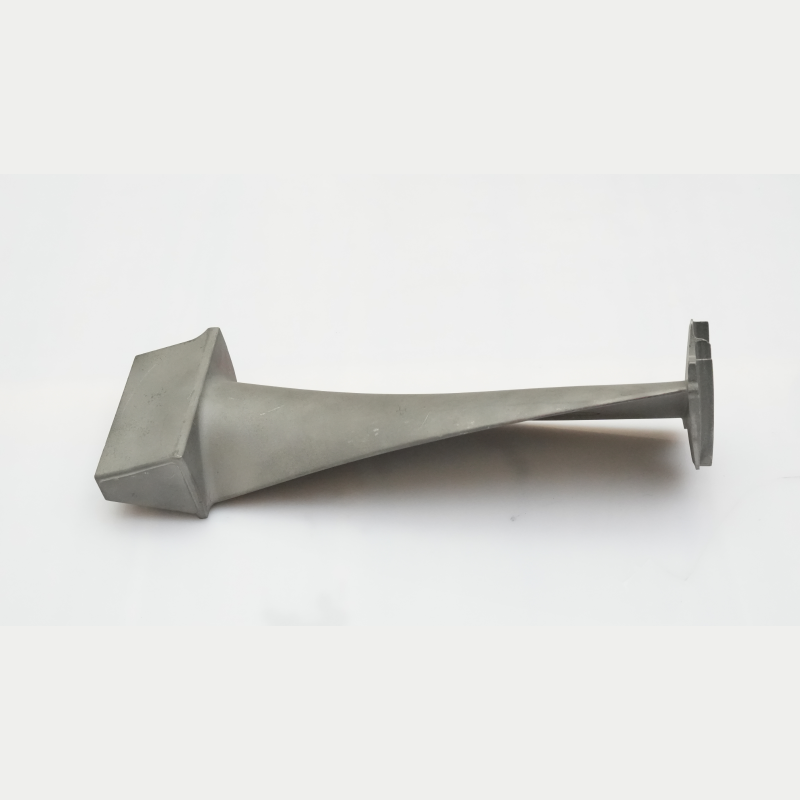
Stainless Steel Cooling Manifold - Precision Temperature Control Solutions for Industrial Applications

Get a Free Quote

Our representative will contact you soon.
Email
Name
Company Name
Message
0/1000

stainless steel cooling manifold

A stainless steel cooling manifold serves as a critical distribution component in fluid cooling systems, designed to efficiently manage and regulate coolant flow across multiple circuits or zones simultaneously. This precision-engineered device acts as a central hub where incoming coolant is divided into several outlet streams, each delivering controlled cooling capacity to specific equipment or process areas. The stainless steel cooling manifold construction ensures exceptional durability and resistance to corrosion, making it ideal for demanding industrial environments where reliability is paramount. The manifold typically features multiple inlet and outlet ports, integrated flow control mechanisms, and mounting provisions for temperature sensors or pressure gauges. Its robust design accommodates high-pressure applications while maintaining consistent flow distribution across all connected circuits. Manufacturing facilities, data centers, medical equipment, plastics processing plants, and automotive production lines frequently incorporate these manifolds into their thermal management infrastructure. The stainless steel material composition provides superior chemical resistance, allowing the manifold to handle various coolant types including water, glycol mixtures, and specialized heat transfer fluids without degradation. The modular architecture of a stainless steel cooling manifold enables customization based on specific cooling requirements, with configurations ranging from simple two-circuit designs to complex systems managing dozens of independent cooling zones. Advanced manufacturing techniques such as CNC machining and TIG welding ensure precision tolerances and leak-free performance throughout the operational lifecycle. The compact footprint of these manifolds optimizes space utilization in crowded mechanical rooms or equipment cabinets, while their streamlined design minimizes pressure drops that could compromise cooling efficiency. Installation flexibility allows for horizontal or vertical mounting orientations, adapting to diverse spatial constraints. Regular maintenance requirements are minimal due to the non-reactive nature of stainless steel, reducing long-term operational costs and system downtime.

Popular Products

The stainless steel cooling manifold delivers substantial benefits that directly impact operational efficiency and cost management for businesses requiring reliable thermal control. First, the corrosion resistance inherent to stainless steel construction eliminates the premature failure issues common with inferior materials, extending equipment service life significantly beyond alternative options. This durability translates to fewer replacement cycles, reduced maintenance interventions, and lower total cost of ownership over the manifold's operational lifespan. The material's non-reactive properties mean you can use aggressive coolants or operate in chemically harsh environments without worrying about internal degradation or contamination of your cooling fluid. Second, the precise flow distribution capabilities ensure each connected circuit receives exactly the cooling capacity needed, preventing hot spots in your equipment while avoiding energy waste from over-cooling certain areas. This balanced approach optimizes your overall energy consumption, reducing utility expenses month after month. Third, the manifold simplifies system design and installation by consolidating multiple connection points into a single compact unit, saving valuable space in your facility and reducing the complexity of piping networks. This streamlined configuration also makes troubleshooting faster when issues arise, as technicians can quickly identify and isolate problems at the central distribution point. Fourth, the stainless steel cooling manifold operates reliably across extreme temperature ranges, maintaining structural integrity and sealing performance whether handling cryogenic fluids or high-temperature coolants. This thermal stability ensures consistent cooling performance regardless of seasonal variations or process demands. Fifth, the smooth internal surfaces of properly fabricated stainless steel manifolds minimize pressure drops and turbulence, allowing your pumps to operate more efficiently with lower energy consumption. The reduced hydraulic resistance means your circulation equipment works less hard to achieve desired flow rates, extending pump life and decreasing electricity costs. Sixth, stainless steel's hygienic properties make these manifolds particularly valuable in pharmaceutical, food processing, and medical applications where cleanliness standards are stringent and contamination risks must be minimized. The material resists bacterial growth and can withstand repeated sterilization procedures without degradation. Finally, the professional appearance of polished stainless steel manifolds enhances the overall aesthetic of visible installations, projecting quality and attention to detail that reflects positively on your operation.

Tips And Tricks

Selection And Application Scope Of Hardness Tester

11

May

Selection And Application Scope Of Hardness Tester

View More
The Role Of Elements In Castings And The Order Of Addition

11

May

The Role Of Elements In Castings And The Order Of Addition

View More
Stainless Steel Castings for Building Facade Systems

11

May

Stainless Steel Castings for Building Facade Systems

View More
Precision Stainless Steel Exhaust Manifold Casting Solution For Luxury Sedan - With Japanese First-Tier Car Brand

11

May

Precision Stainless Steel Exhaust Manifold Casting Solution For Luxury Sedan - With Japanese First-Tier Car Brand

View More

Get a Free Quote

Our representative will contact you soon.
Email
Name
Company Name
Message
0/1000

stainless steel cooling manifold

Superior Corrosion Resistance and Longevity

Superior Corrosion Resistance and Longevity

The exceptional corrosion resistance of a stainless steel cooling manifold represents one of its most valuable attributes, particularly for operations where equipment reliability directly impacts production continuity and profitability. Unlike manifolds constructed from carbon steel, brass, or plastic materials that deteriorate when exposed to moisture, chemical additives, or environmental contaminants, stainless steel maintains its structural integrity and surface finish throughout decades of continuous service. This corrosion immunity stems from the chromium content in stainless steel alloys, which forms a passive oxide layer that self-heals when scratched or abraded, providing perpetual protection against rust and degradation. For facilities using coolants with corrosion inhibitors, biocides, or pH adjusters, this chemical compatibility eliminates concerns about internal surface pitting or material dissolution that could compromise flow characteristics or introduce particulate contamination into your cooling circuits. The long service life of a stainless steel cooling manifold dramatically reduces lifecycle costs compared to alternatives requiring periodic replacement. When you factor in the expenses associated with system downtime during manifold replacement, the labor costs for removal and installation, and the disposal fees for failed components, the initial investment in stainless steel construction delivers compelling financial returns. Manufacturing environments operating continuous processes especially benefit from this reliability, as unexpected cooling system failures can trigger costly production interruptions, product quality issues, and emergency repair situations. The stainless steel cooling manifold's resistance to galvanic corrosion when connected to dissimilar metals further enhances system longevity, as electrochemical reactions that accelerate degradation at connection points are minimized through proper material selection and installation practices. In coastal or high-humidity environments where atmospheric corrosion accelerates equipment deterioration, stainless steel manifolds maintain their performance and appearance without requiring protective coatings or frequent inspections. This durability extends to the manifold's threaded ports and sealing surfaces, which retain their precision over time, ensuring leak-free connections throughout the service life. The ability to refurbish or modify stainless steel manifolds years after initial installation adds further value, as additional ports can be added or flow characteristics adjusted to accommodate evolving cooling requirements without complete system replacement.
Precise Multi-Zone Temperature Control

Precise Multi-Zone Temperature Control

The ability of a stainless steel cooling manifold to deliver precise temperature control across multiple independent zones simultaneously represents a transformative capability for operations managing diverse thermal loads or requiring temperature-sensitive process control. This multi-zone management functionality allows a single coolant source to serve equipment with vastly different cooling demands, optimizing resource utilization while maintaining exact temperature parameters for each application. The manifold achieves this through integrated flow control valves, adjustable orifices, or proportional distribution designs that allocate coolant volume according to the specific heat rejection requirements of each connected circuit. For plastic injection molding operations, this means maintaining different mold temperatures across multiple presses simultaneously, optimizing cycle times and part quality for each production tool independently. In data center applications, the stainless steel cooling manifold enables targeted cooling delivery to server racks with varying computational loads, preventing overcooling of lightly loaded equipment while ensuring adequate thermal management for high-density computing zones. Medical equipment manufacturers benefit from the manifold's ability to maintain precise temperature control during critical processes like MRI system cooling or laboratory equipment thermal regulation, where temperature deviations could compromise diagnostic accuracy or experimental results. The centralized control point that a stainless steel cooling manifold provides simplifies system monitoring and adjustment, as operators can observe and modify multiple circuit flows from a single accessible location rather than adjusting individual components scattered throughout the facility. This convenience translates to faster response times when process changes require cooling adjustments and more consistent temperature management across shifts and operating personnel. The manifold's pressure balancing characteristics ensure that flow to one circuit remains stable even when other circuits experience demand changes or valve adjustments, preventing the cascade effects common in poorly designed distribution systems. Advanced stainless steel cooling manifold configurations incorporate electronic flow meters, temperature sensors, and automated control valves that integrate with building management systems or process controllers, enabling real-time optimization based on actual thermal loads rather than conservative worst-case assumptions. This intelligent distribution reduces energy consumption by eliminating unnecessary coolant circulation while maintaining protection against overheating scenarios. The modularity of manifold designs allows future expansion as cooling demands grow, with additional circuits added to existing manifolds rather than requiring complete system redesigns that disrupt operations and consume capital budgets.
Hygienic Design for Cleanroom and Pharmaceutical Applications

Hygienic Design for Cleanroom and Pharmaceutical Applications

The hygienic properties and cleanability of a stainless steel cooling manifold make it indispensable for pharmaceutical manufacturing, biotechnology research, food processing, and medical device production environments where contamination control protocols demand the highest material standards. These regulated industries face stringent validation requirements and audit scrutiny that necessitate cooling system components capable of maintaining sterile conditions and withstanding aggressive cleaning procedures without degradation or harboring contamination risks. The smooth, non-porous surface finish achievable with stainless steel eliminates the microscopic crevices and rough textures found in cast metals or plastic materials where bacteria, mold, or biofilm can establish colonies that compromise product purity or patient safety. A properly fabricated stainless steel cooling manifold features continuously welded construction with ground and polished seams that eliminate dead legs, stagnant zones, or sharp internal corners where fluids could pool and enable microbial growth. This attention to hygienic design principles extends to port connections, which utilize sanitary fittings and tri-clamp connections that facilitate complete drainage during cleaning cycles and provide visual confirmation of proper assembly after maintenance. The chemical resistance of stainless steel permits regular sanitization using aggressive disinfectants, oxidizing agents, or high-temperature steam sterilization without material degradation or surface etching that could create contamination harboring sites. Pharmaceutical cooling applications particularly value this capability, as process cooling water systems require periodic bio-burden reduction treatments to prevent Legionella or other waterborne pathogens from proliferation. The stainless steel cooling manifold maintains its integrity and sealing performance through countless sterilization cycles that would destroy elastomers, degrade plastics, or corrode lesser metals. Validation documentation for regulated processes benefits from the material traceability and certification available with stainless steel components, providing the paper trail required to demonstrate compliance with FDA, EMA, or other regulatory authority standards. The inert nature of stainless steel eliminates concerns about leachables or extractables entering process fluids, a critical consideration for pharmaceutical applications where even trace contamination could compromise drug safety or efficacy. Cleanroom installations appreciate the low particle generation characteristics of stainless steel manifolds, which do not shed fibers, flakes, or degradation products that could violate cleanliness classifications or settle on sensitive products. The material's resistance to chemical attack from cleaning agents, disinfectants, and process fluids ensures dimensional stability over time, maintaining the precise flow characteristics essential for validated processes where cooling parameters directly impact product quality attributes. Finally, the professional appearance and durability of stainless steel manifolds support the quality image essential in facilities subject to customer audits or regulatory inspections, demonstrating commitment to appropriate material selection and equipment standards.

Get a Free Quote

Our representative will contact you soon.
Email
Name
Company Name
Message
0/1000