medical equipment structural castings
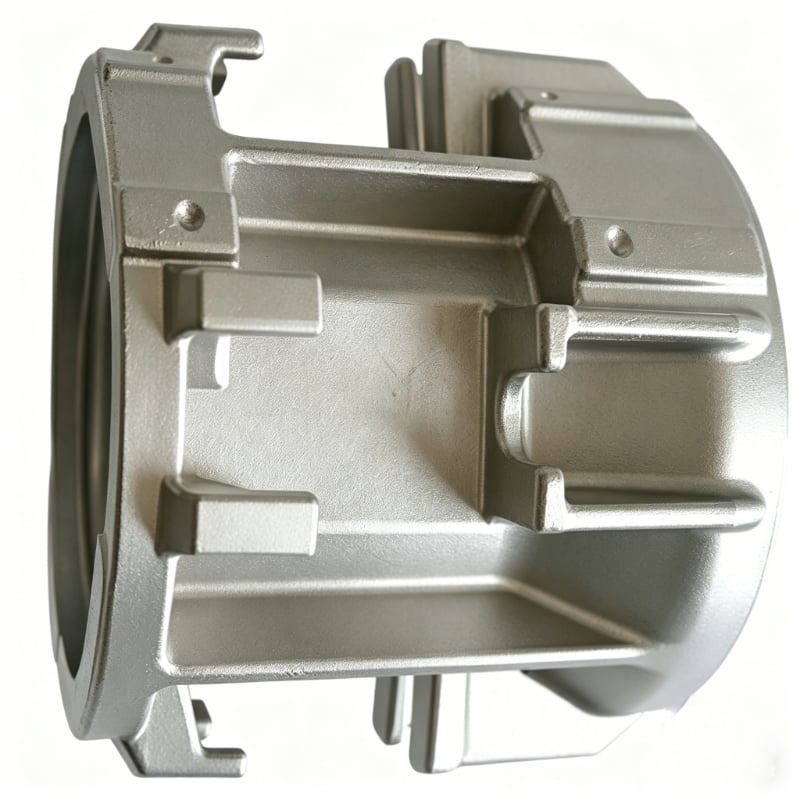
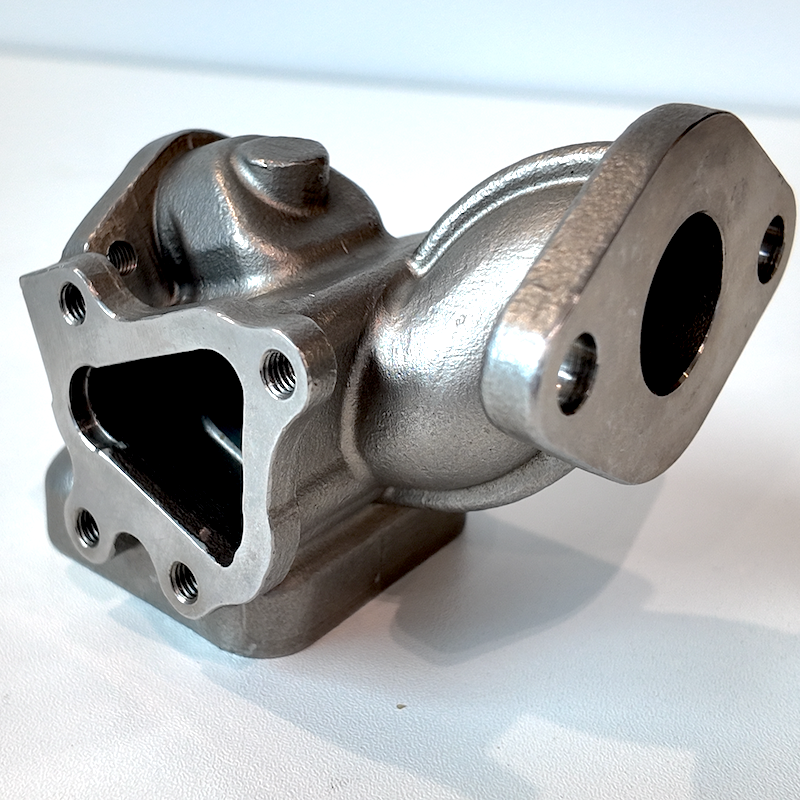
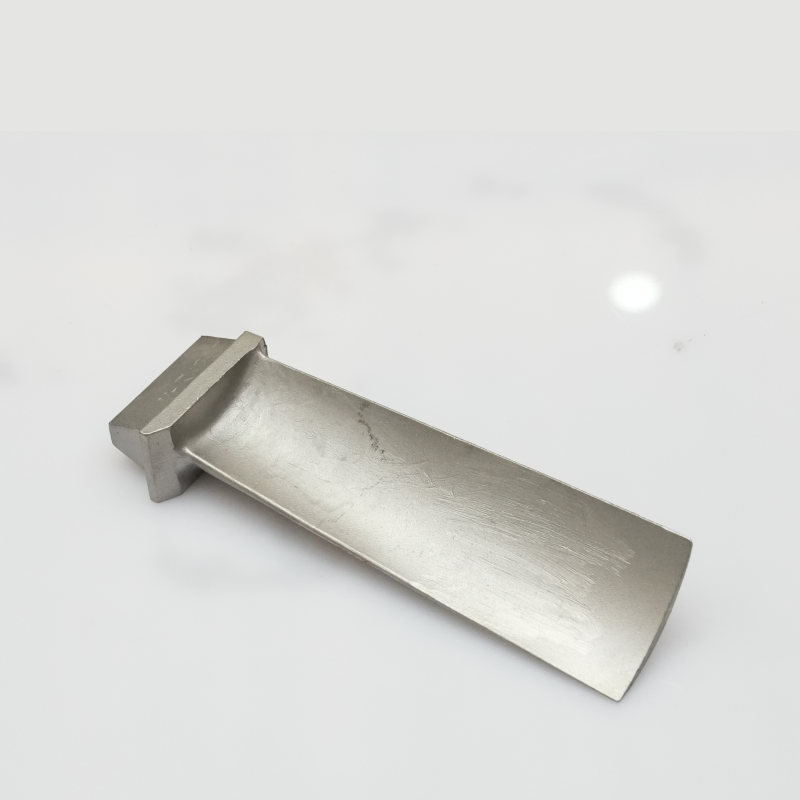
Medical equipment structural castings represent essential components that form the backbone of modern healthcare machinery and devices. These precision-engineered parts serve as foundational elements in diagnostic imaging systems, surgical instruments, patient monitoring devices, and therapeutic equipment used across hospitals, clinics, and medical facilities worldwide. Medical equipment structural castings are manufactured through sophisticated metal casting processes that transform molten alloys into intricate shapes designed to meet exacting specifications required by the healthcare industry. The primary functions of medical equipment structural castings include providing robust frameworks that support delicate electronic components, ensuring dimensional stability under continuous operational stress, and maintaining structural integrity throughout extended service lifecycles. These castings deliver critical load-bearing capabilities while accommodating complex geometries necessary for housing sensitive medical technology. Technological features distinguishing medical equipment structural castings encompass advanced metallurgical properties, superior surface finishes, and exceptional dimensional accuracy achieved through computer-aided design and manufacturing processes. Materials commonly utilized include aluminum alloys, stainless steel, titanium, and specialized medical-grade metals selected for their biocompatibility, corrosion resistance, and mechanical strength. The casting process itself involves precise temperature control, carefully managed cooling rates, and rigorous quality assurance protocols to eliminate porosity, inclusions, and other defects that could compromise performance. Applications for medical equipment structural castings span numerous healthcare domains, from housing components in MRI machines and CT scanners to structural elements in surgical tables, X-ray equipment, and radiation therapy devices. These castings enable manufacturers to produce lightweight yet durable frameworks that facilitate equipment mobility while maintaining the stability required for accurate diagnostic readings and safe patient treatment. The versatility of medical equipment structural castings allows designers to integrate mounting points, cable routing channels, and ventilation features directly into single-piece components, reducing assembly complexity and enhancing overall equipment reliability throughout demanding clinical environments.